




Founder Power Plays: How Visionary Leaders Reshape Corporate Governance in Retail
- Strategic board interventions signal critical leadership transitions for e-commerce and retail brands




























Overview
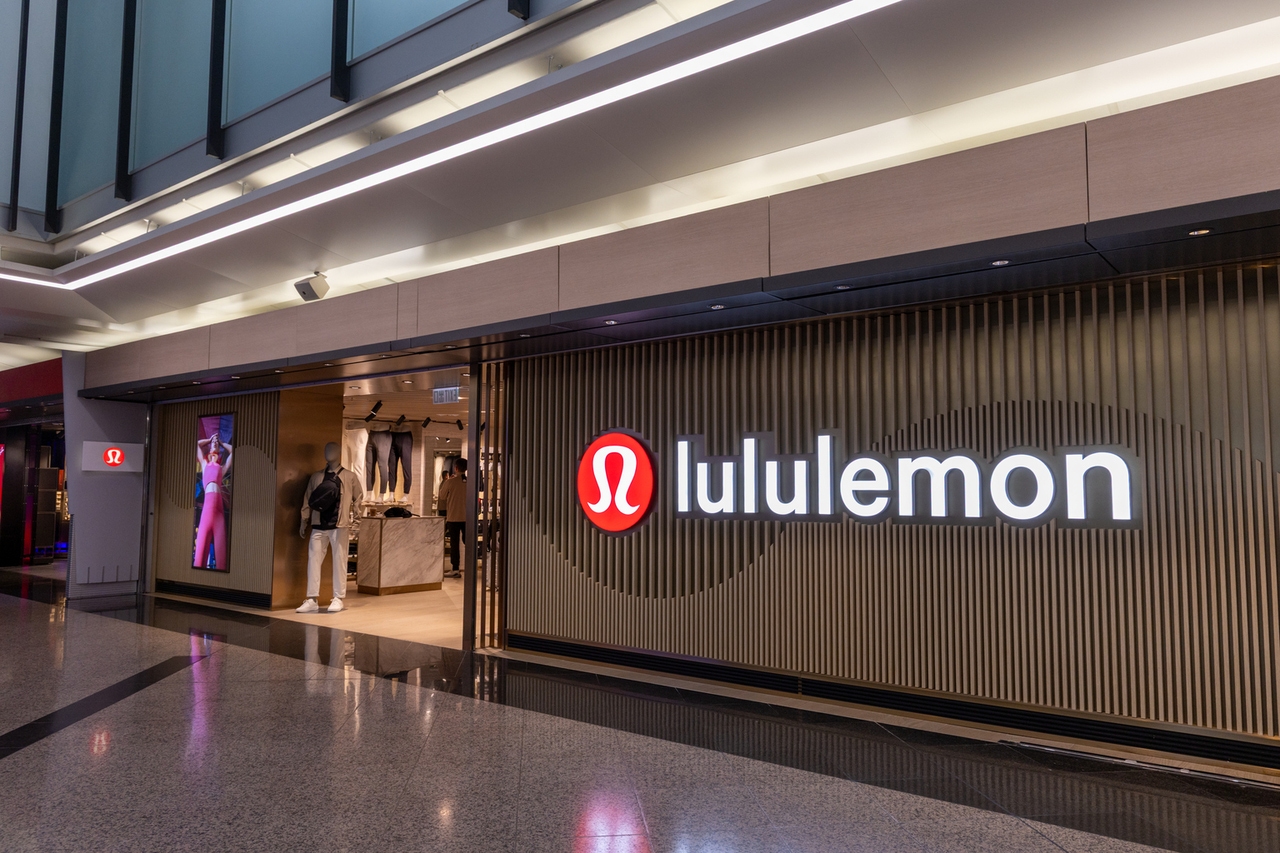
The emerging landscape of corporate leadership is experiencing a profound transformation, driven by founder-led strategic interventions that challenge traditional management paradigms. Lululemon's proxy fight represents a pivotal moment illustrating how significant shareholders can leverage their ownership to fundamentally reshape corporate direction.
Founder-led governance challenges are becoming a critical trend in technology and retail sectors. Chip Wilson's strategic move to nominate three independent directors—including Marc Maurer, Laura Gentile, and Eric Hirshberg—signals a sophisticated approach to corporate restructuring. By targeting board composition during a CEO transition, Wilson is essentially creating a mechanism to inject fresh strategic vision into Lululemon's leadership.
The broader implications extend far beyond a single company. Retail and e-commerce brands are experiencing increasing scrutiny around leadership quality, with founders maintaining significant influence even after stepping back from day-to-day operations. Wilson's 8% ownership stake provides him a powerful platform to challenge the current management's strategic approach, highlighting the ongoing tension between professional management and entrepreneurial vision.
Critically, this proxy fight emerges against a backdrop of strong financial performance, with Lululemon's Q3 earnings exceeding Wall Street expectations. This context suggests that the intervention is not about financial distress, but about maintaining innovative leadership and competitive edge. The move reflects a growing recognition that creative vision and strategic agility are paramount in rapidly evolving retail ecosystems.
For emerging brands and investors, the key takeaway is clear: corporate governance is no longer a static process. Founders can and will intervene to protect their strategic legacy, using sophisticated governance mechanisms to ensure their original vision remains intact. The ability to navigate these leadership transitions will increasingly become a critical competitive advantage in technology and retail sectors.
Questions 3
Why is Chip Wilson initiating a proxy fight at Lululemon?
Wilson believes the current board lacks visionary creative leadership. By nominating three independent directors with diverse backgrounds in technology and marketing, he aims to inject fresh strategic perspective during the company's CEO transition. His 8% ownership stake gives him a platform to challenge the existing management's approach and protect the company's innovative spirit.
What are the potential implications of this proxy fight for other retail and e-commerce brands?
This case demonstrates that founders can leverage their ownership to reshape corporate governance, even after stepping back from daily operations. It signals that leadership quality and strategic vision are becoming critical differentiators. Other brands should expect increased founder involvement and prepare for more dynamic, intervention-driven governance models.