



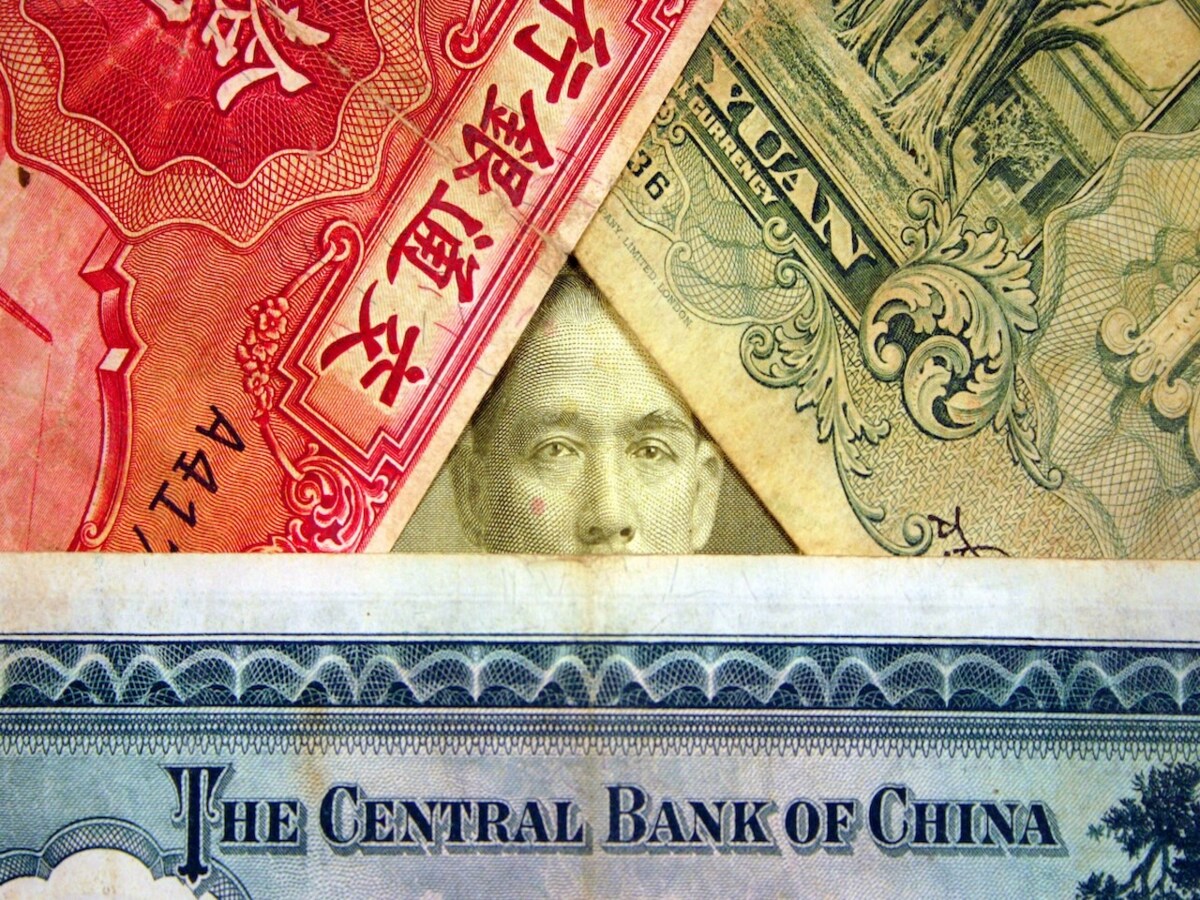
Yuan's Strategic Pivot: China's Currency Transformation Reshapes Global Trade Dynamics
- Emerging RMB appreciation signals fundamental shift in cross-border economic strategies










Overview
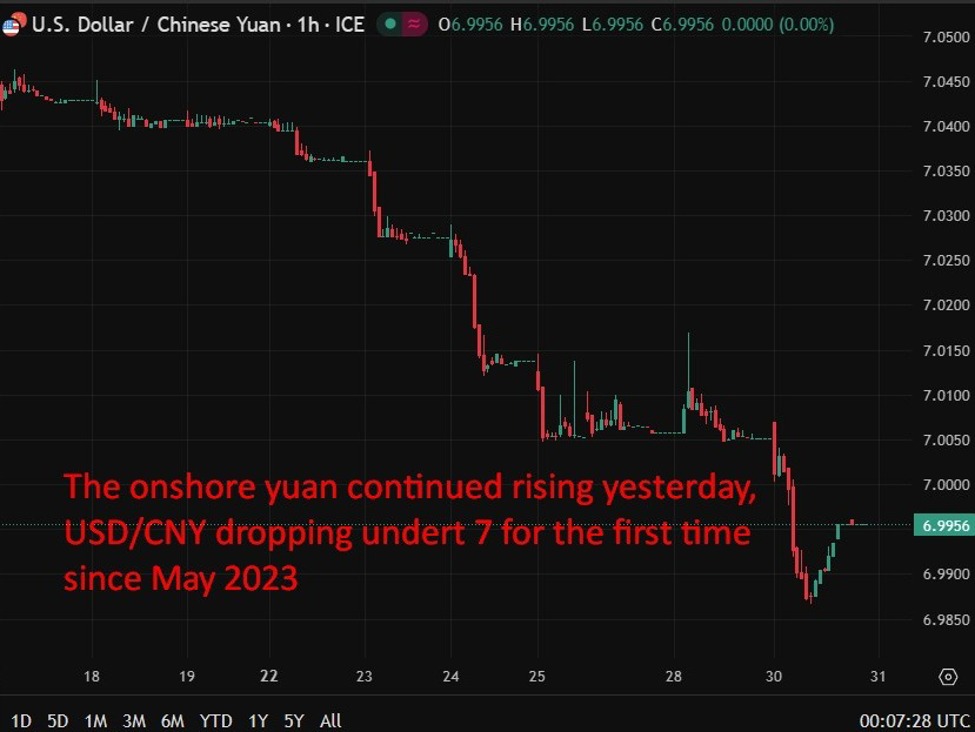
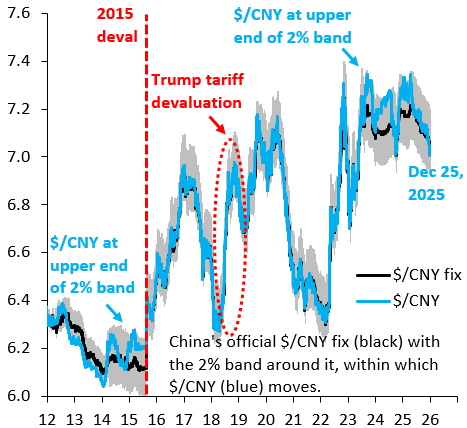
The Chinese yuan's remarkable trajectory in 2025-2026 represents a pivotal moment in global financial architecture, signaling a nuanced recalibration of China's monetary strategy that extends far beyond simple currency valuation. Breaking through the psychologically significant 7-per-dollar threshold, the RMB has demonstrated unprecedented resilience, gaining over 4% and challenging long-standing assumptions about China's currency management.
At the core of this transformation lies a sophisticated economic recalibration. State media has strategically warned against one-way currency bets, indicating a carefully managed approach to appreciation. This isn't merely a market fluctuation, but a deliberate signal of China's evolving economic confidence. The goods trade surplus exceeding 1 trillion USD by November 2025 provides substantial backing for this currency strength, reflecting robust export performance even amid complex global trade tensions.
For cross-border e-commerce sellers, this development demands immediate strategic reassessment. The stronger yuan introduces a dual-edged dynamic: increased purchasing power for Chinese consumers paired with potentially reduced export competitiveness. Sellers must now design more flexible pricing strategies, incorporating sophisticated currency risk management techniques. The most adaptable businesses will view this as an opportunity to restructure their China-focused market approaches, leveraging the currency's appreciation to optimize procurement and market entry strategies.
The broader implications are profound. China is subtly signaling a transition from an export-driven, low-value currency model to a more market-oriented approach. This shift suggests growing economic maturity, where currency valuation becomes a tool of strategic positioning rather than a blunt instrument of trade manipulation. International businesses must recognize this as a fundamental restructuring of global economic engagement, not just a temporary market movement.
Questions 3
What are the key indicators of China's currency strategy shift?
Critical indicators include the yuan breaking the 7-per-dollar threshold, a record 1 trillion USD trade surplus, and state media's explicit warnings against one-way currency bets. These suggest a more market-oriented, controlled approach to currency valuation.
What risks should international businesses be aware of in this new currency environment?
Businesses must monitor exchange rate volatility, potential regulatory interventions, and shifting trade dynamics. The primary risks include sudden currency fluctuations, changes in export competitiveness, and the need to rapidly adapt pricing and sourcing strategies.