
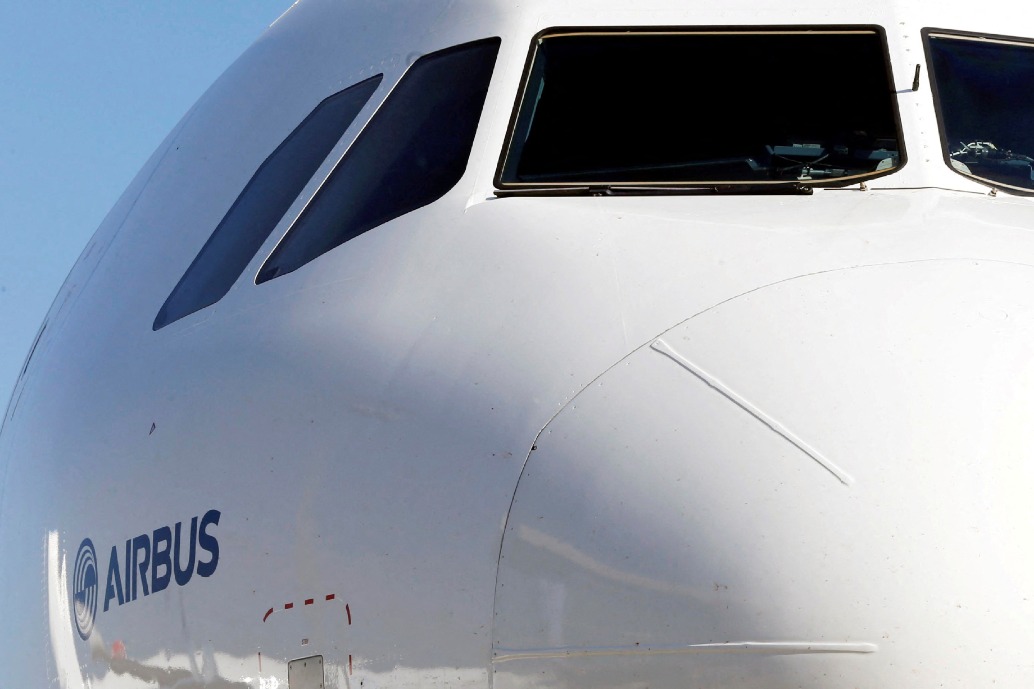


Asia-Pacific Aviation's Strategic Leap Forward: How CALC's Aircraft Expansion Reshapes Logistics Capabilities
- Signals a transformative investment in next-generation air freight infrastructure for cross-border e-commerce sellers






















Overview
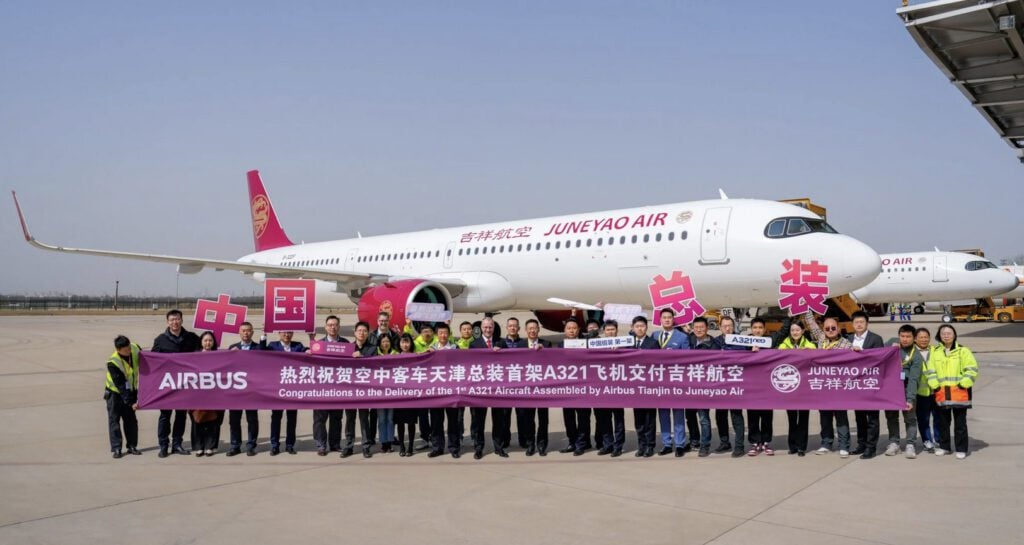
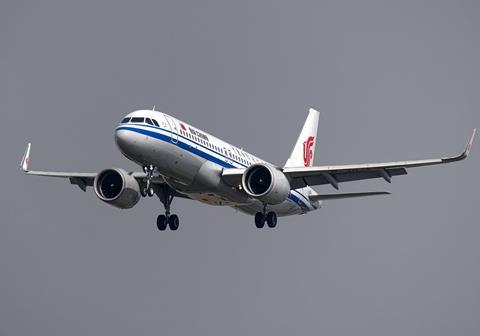
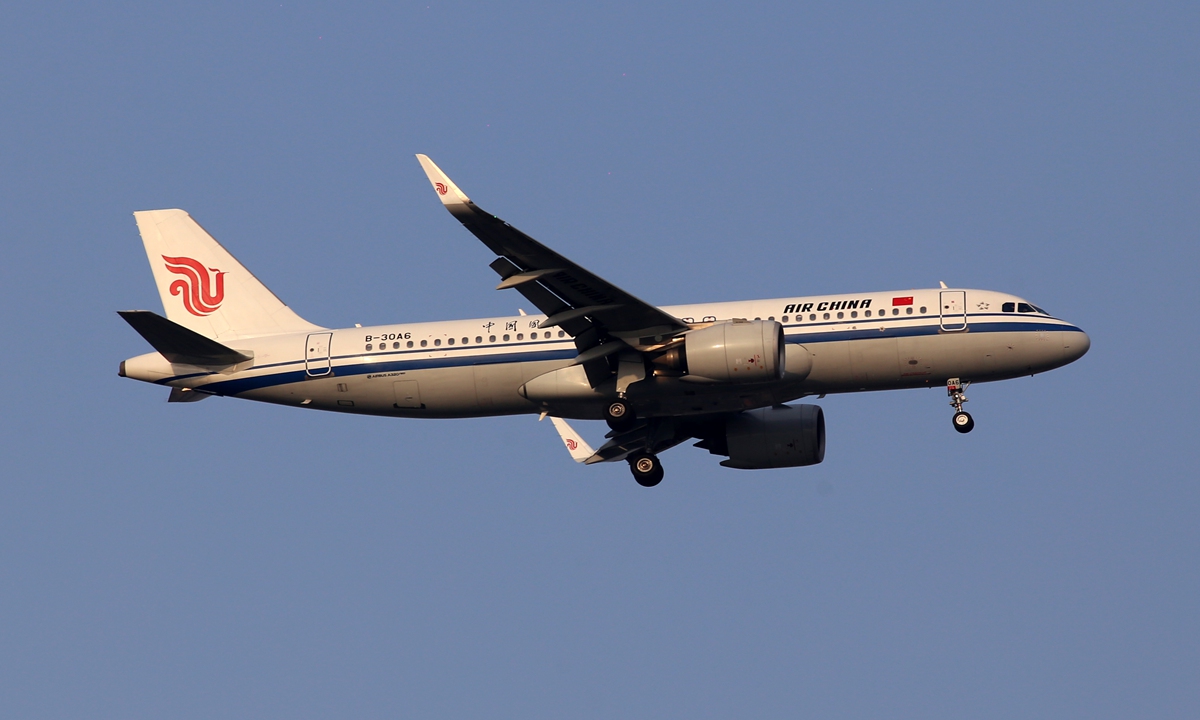
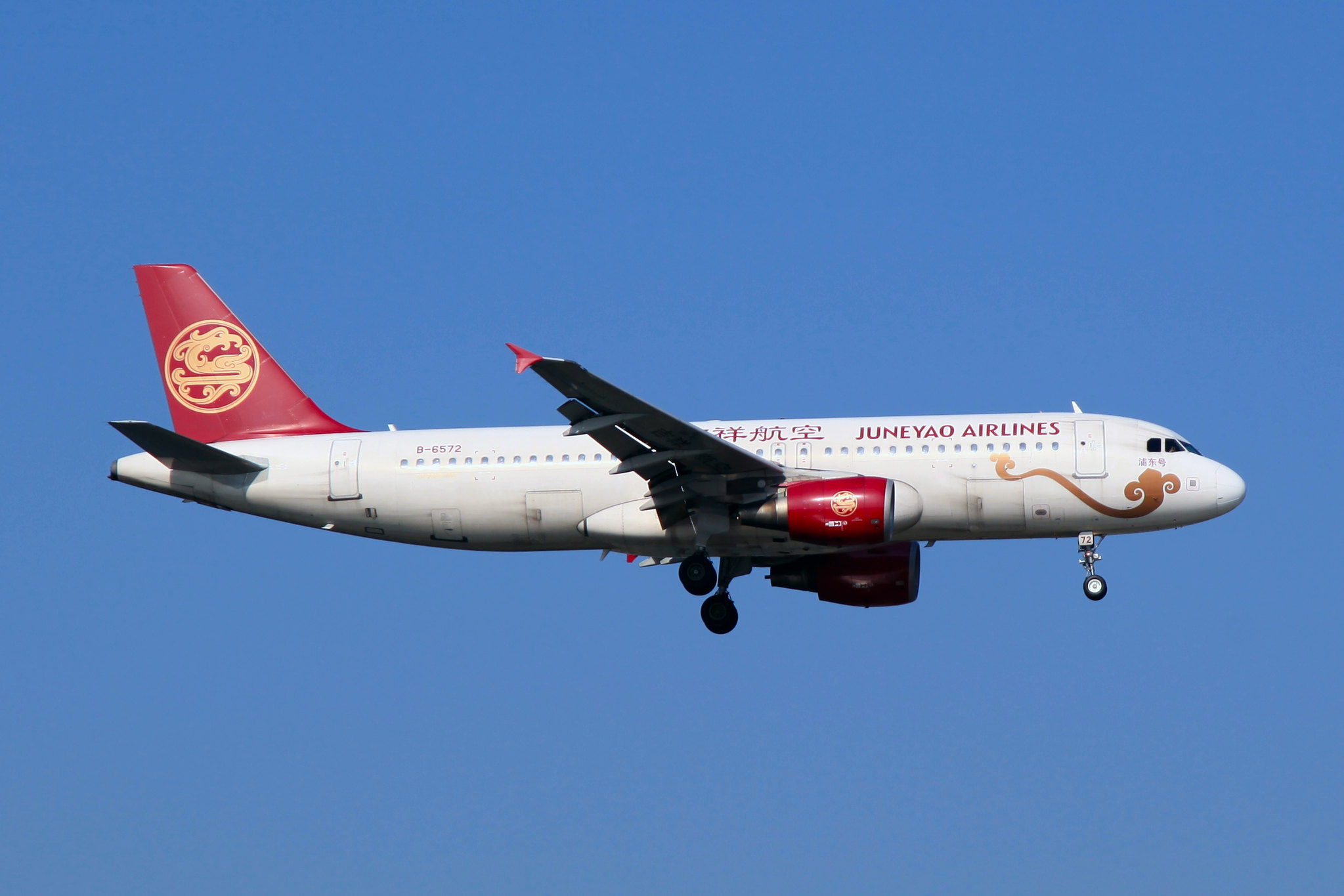
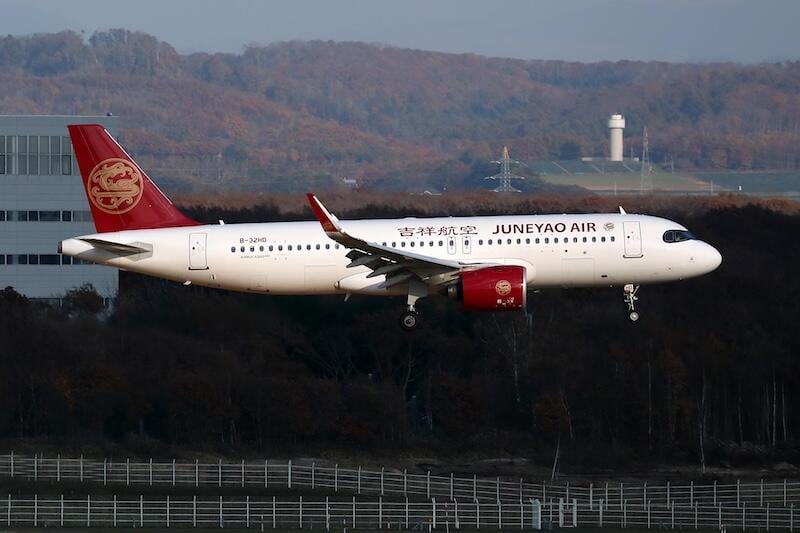
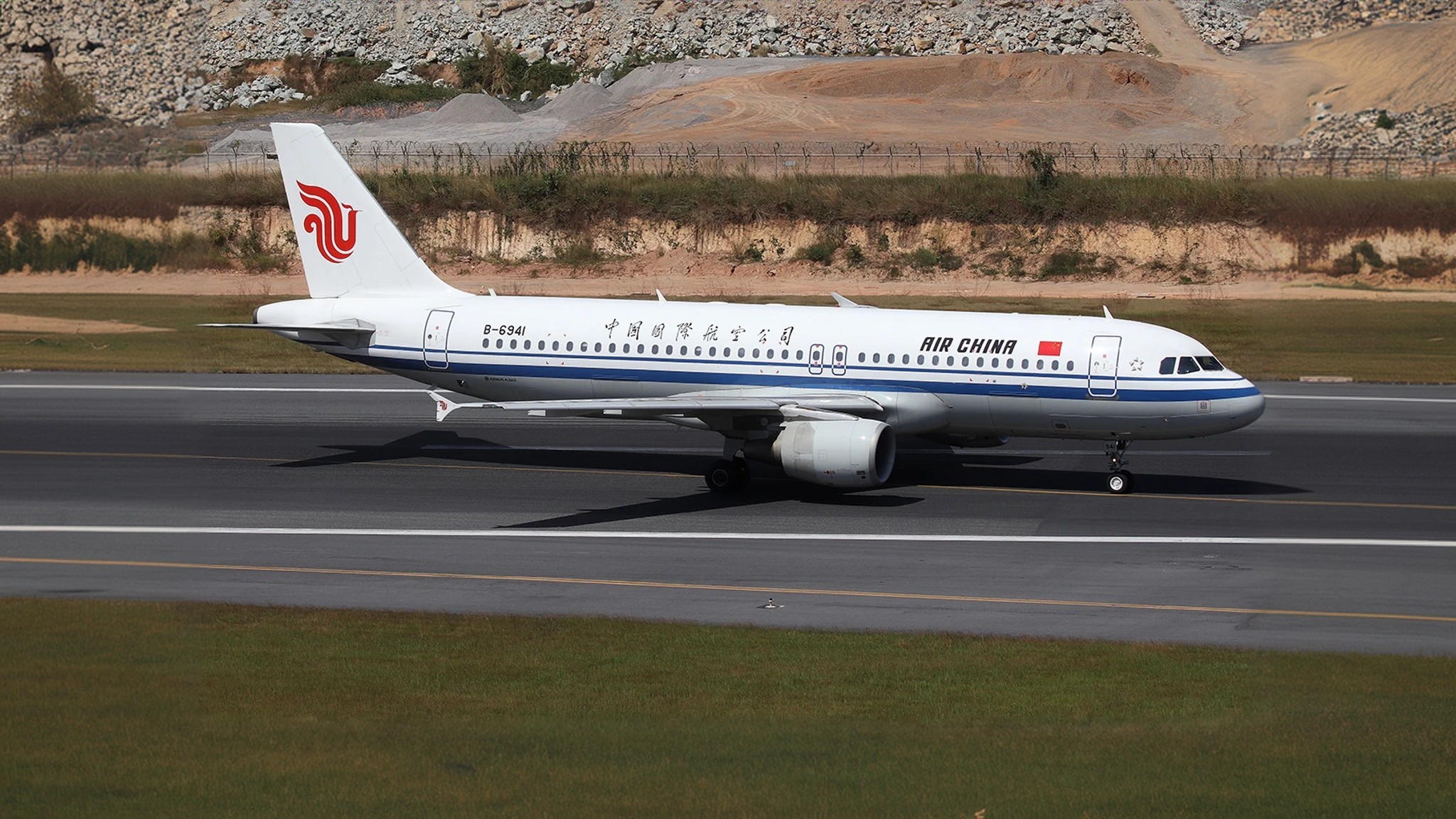
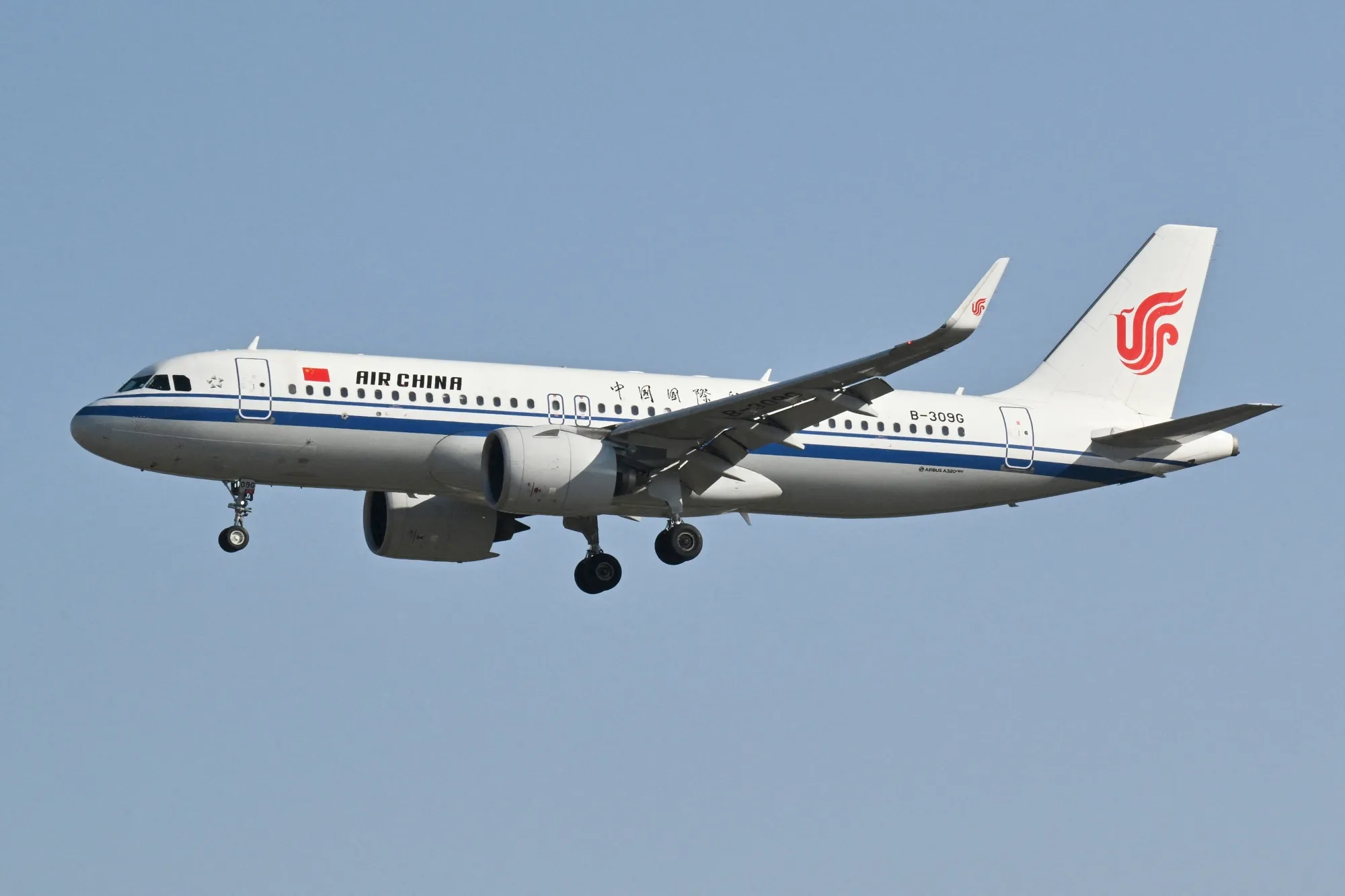
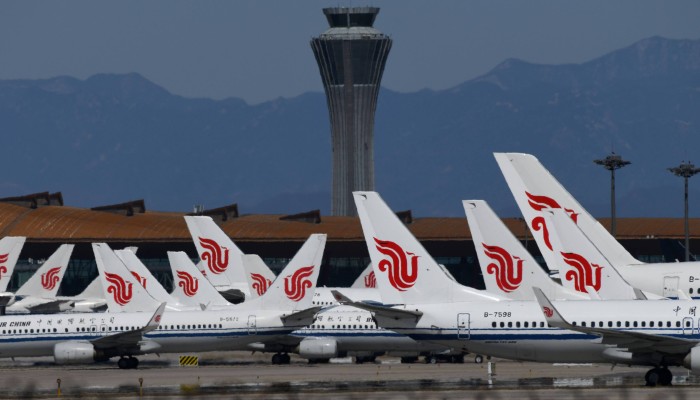
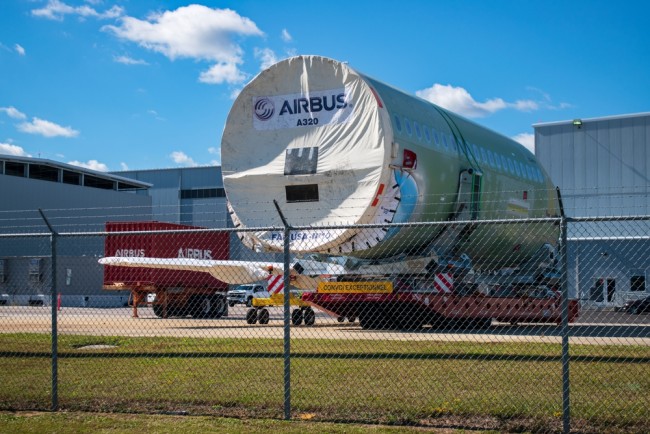
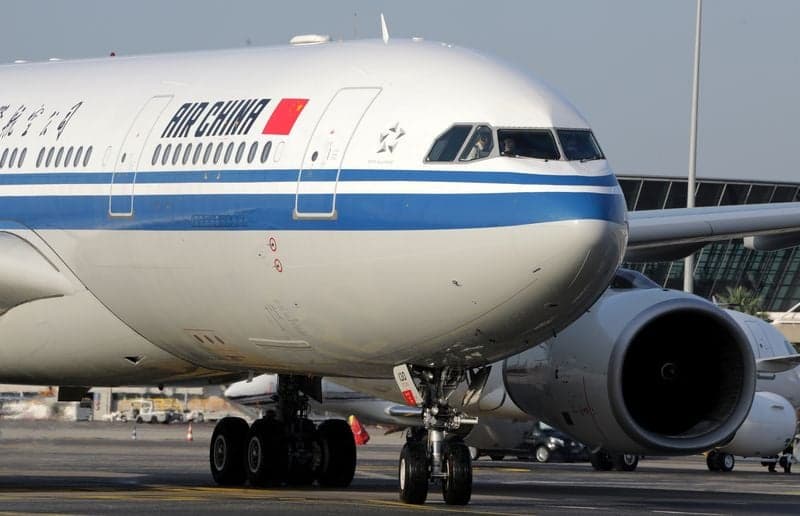
The recent aircraft acquisition by China Aircraft Leasing Group (CALC) represents a pivotal moment in Asia-Pacific logistics infrastructure, signaling a profound transformation in air freight capabilities that extends far beyond simple fleet expansion. By ordering 30 additional Airbus A320neo aircraft, CALC is strategically positioning itself at the intersection of aviation efficiency, sustainability, and cross-border trade optimization.
Strategic Fleet Modernization with Sustainability at Core The order underscores a critical trend: modern aviation is no longer just about transportation, but about creating integrated logistics ecosystems. The A320neo Family's remarkable 20% fuel efficiency improvement isn't merely an environmental statement—it's a direct cost optimization strategy for logistics providers. With Airbus targeting 100% Sustainable Aviation Fuel (SAF) capability by 2030, CALC is investing in an infrastructure that anticipates future regulatory and economic landscapes.
Logistics Transformation for E-Commerce Sellers For cross-border e-commerce sellers, this development represents a potential game-changer in transportation economics. The expanded fleet, now totaling 282 Airbus aircraft, suggests dramatically improved air freight capacity and efficiency in the Asia-Pacific market. Sellers can anticipate more flexible, potentially more cost-effective international shipping options. The multi-year delivery timeline through 2033 indicates a carefully planned, long-term strategy that provides predictability for logistics planning.
Regional Infrastructure Investment Signal The aircraft purchase reflects broader trends in China's aviation sector—continued investment in fuel-efficient, technologically advanced aircraft that emphasize operational efficiency. By staging deliveries through 2033, CALC demonstrates confidence in sustained economic growth and the critical role of aviation infrastructure in supporting international trade. This move aligns with global aviation strategies that prioritize not just transportation, but comprehensive logistics solutions.
Critically, for e-commerce and logistics professionals, this isn't just an aircraft order—it's a strategic infrastructure investment that promises to reshape cross-border shipping dynamics, reduce transportation costs, and create more resilient, sustainable logistics networks across the Asia-Pacific region.
Questions 3
How will CALC's new aircraft order impact shipping costs for e-commerce sellers?
The A320neo's 20% fuel efficiency could translate to lower transportation costs. With enhanced aircraft capacity and more flexible logistics networks, e-commerce sellers might see reduced shipping expenses and more competitive international shipping options in the Asia-Pacific region.
What makes the Airbus A320neo significant for logistics infrastructure?
The A320neo offers substantial fuel savings, reduced CO₂ emissions, and can accommodate up to 194 passengers, making it ideal for both passenger and cargo operations. Its technological advancements represent a strategic investment in more efficient, sustainable transportation infrastructure.