


Germany-China Trade Rebalancing 2026 | €90B Deficit Reshapes EU Supply Chains
- €90 billion trade imbalance drives tariff uncertainty; sellers face 3-6 month window for supply chain repositioning before EU policy crystallizes









Overview
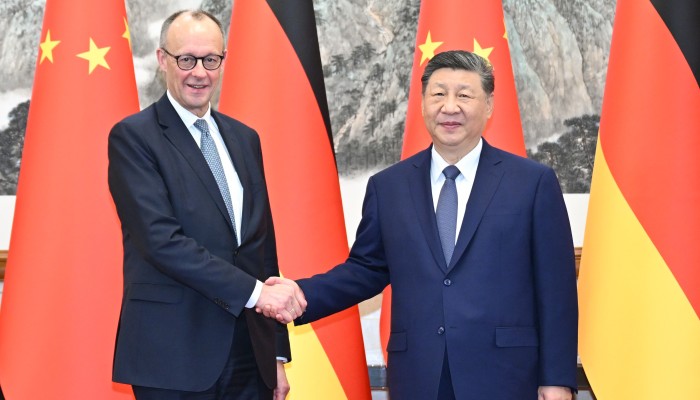
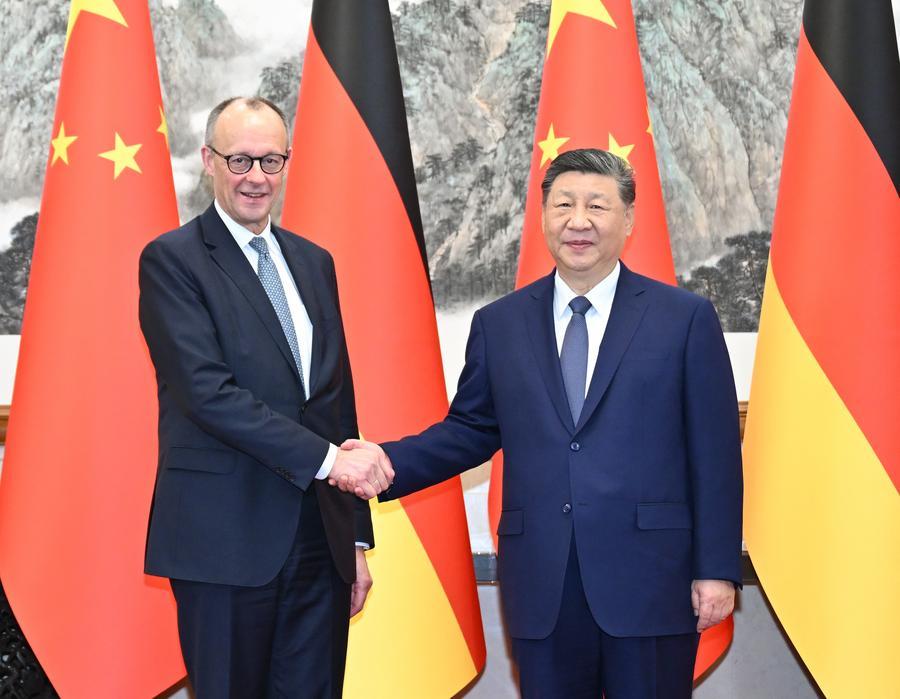
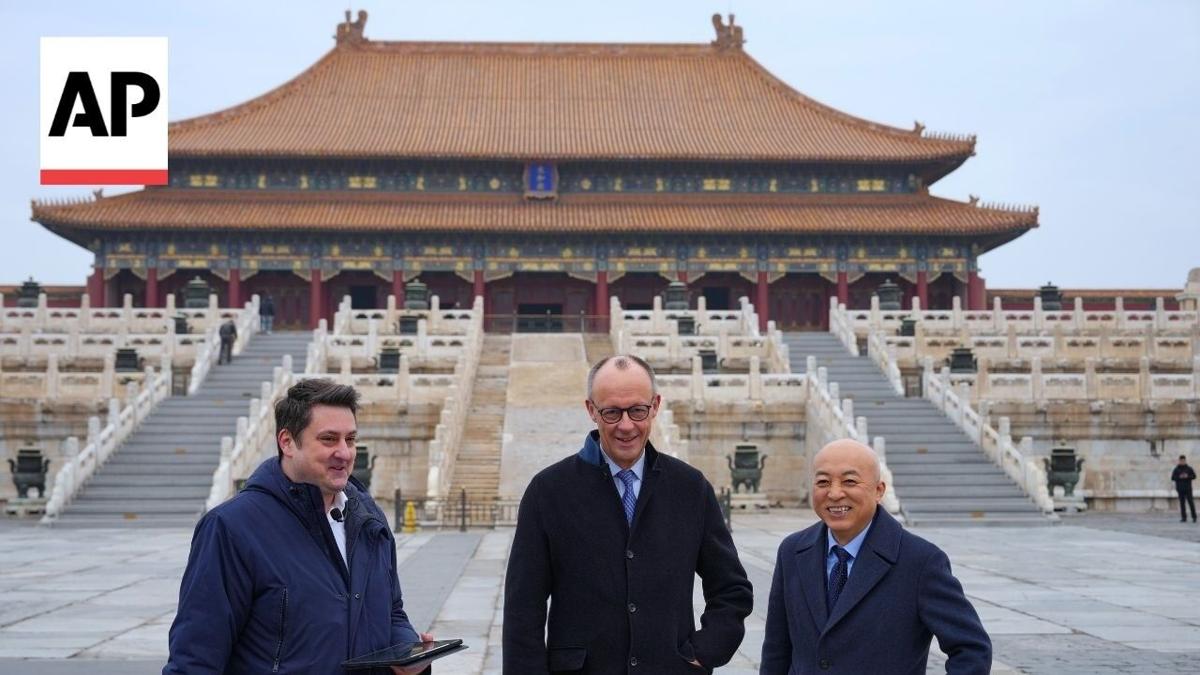
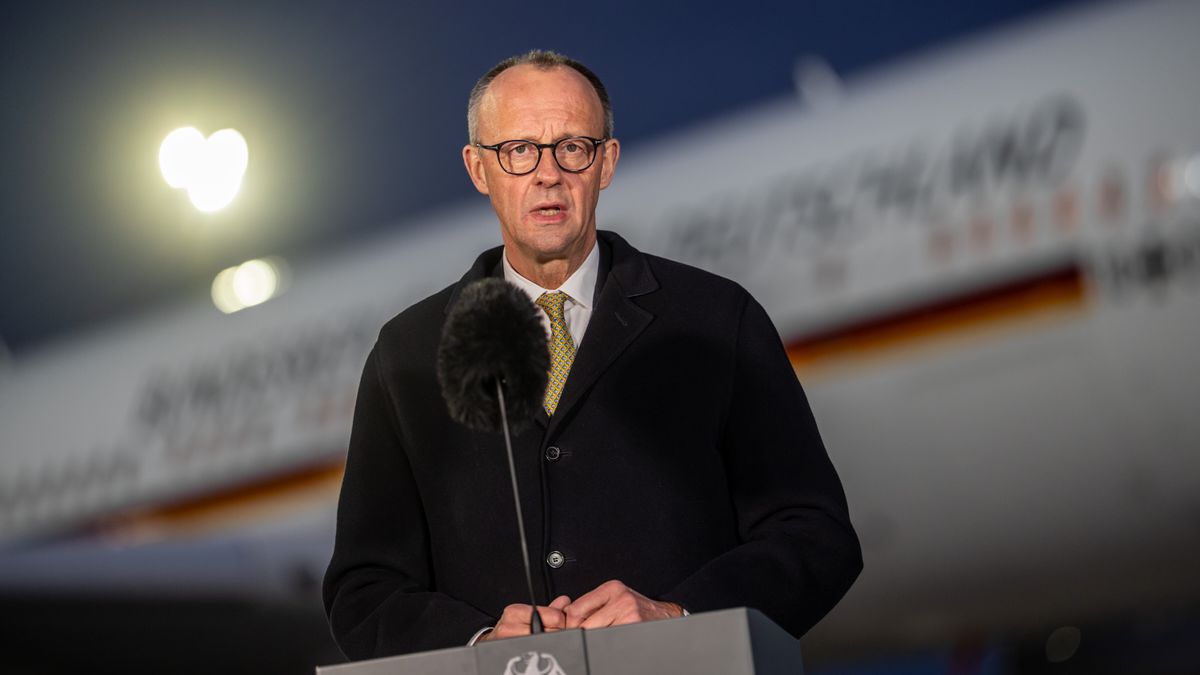
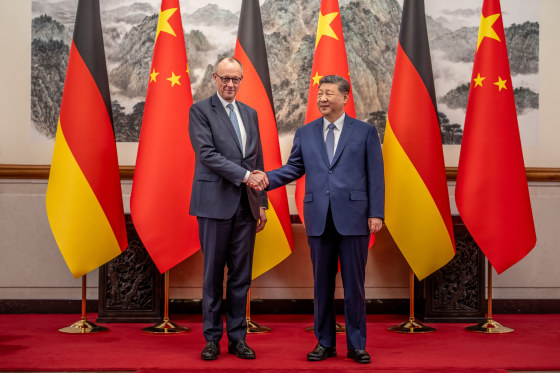
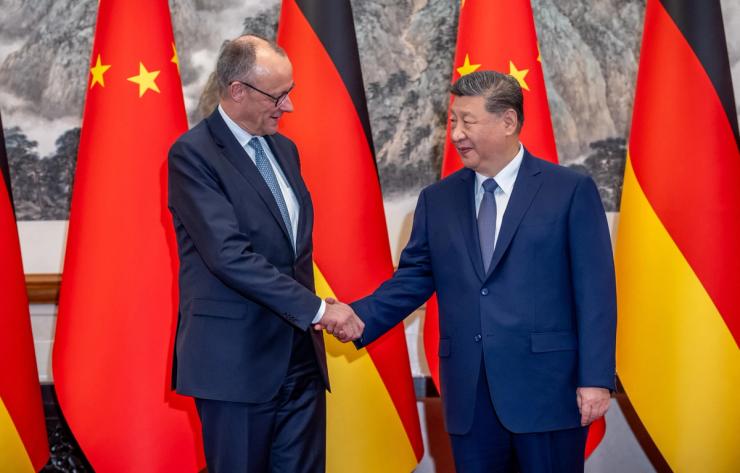
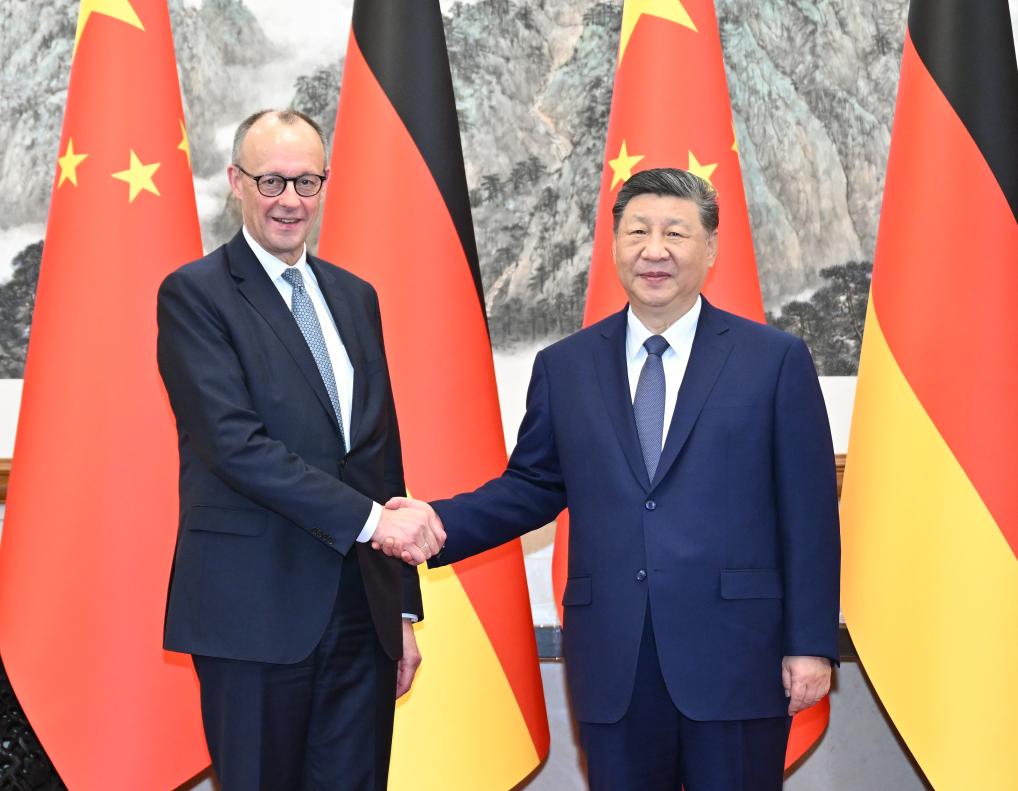
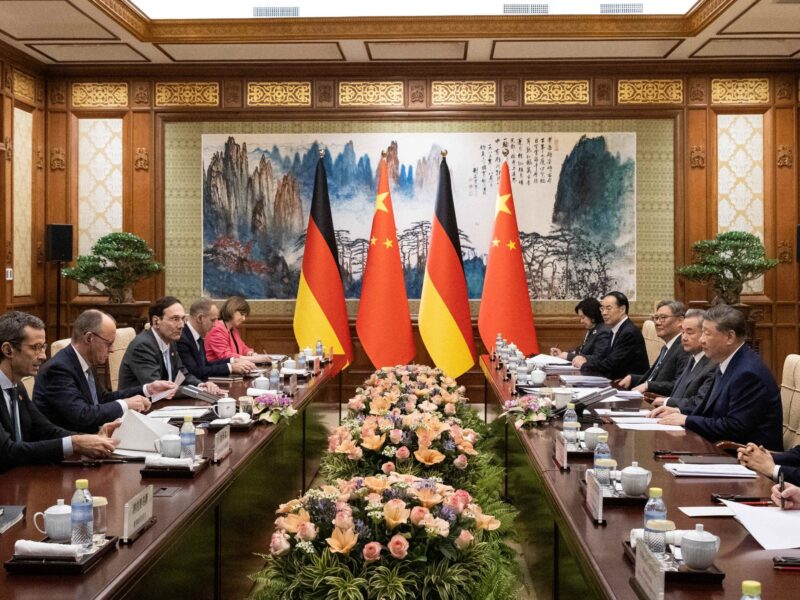
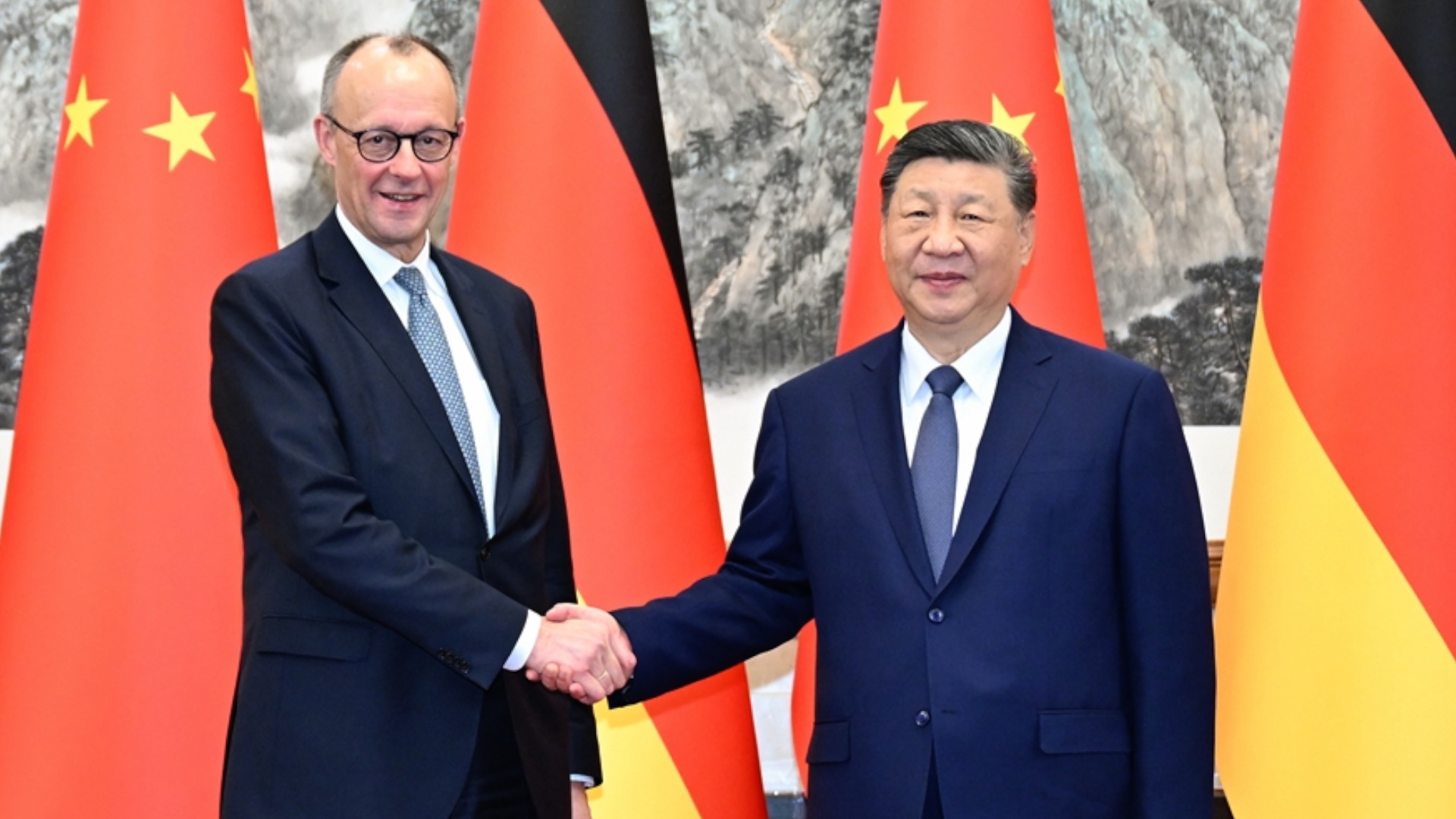
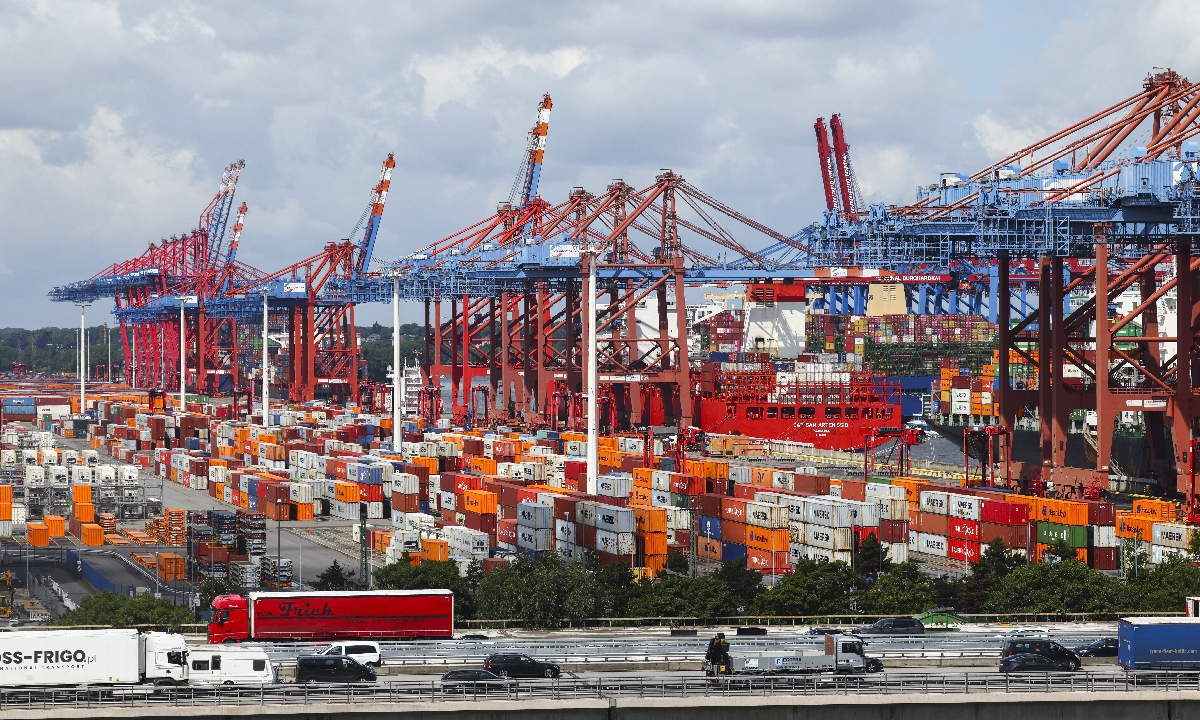
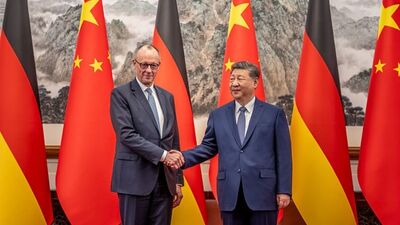
Germany's diplomatic reset with China signals a critical inflection point for cross-border e-commerce sellers operating in European and Asian markets. Chancellor Friedrich Merz's February 2026 Beijing visit—accompanied by 30 major German firms including Volkswagen and BMW—addresses a €90 billion ($106 billion) trade deficit that quadrupled since 2020, creating immediate tariff arbitrage opportunities and supply chain vulnerabilities for sellers. The limited agreements (only 5 documents signed vs. 8-12 from comparable European visits) indicate prolonged negotiation uncertainty, extending the policy window through Q2-Q3 2026.
For sellers sourcing from China or selling into German/EU markets, three critical dynamics are emerging: First, tariff arbitrage opportunities are expanding as Germany negotiates yuan valuation concerns and manufacturing overcapacity issues. Sellers importing Chinese goods face potential tariff reductions on specific categories (automobiles, chemicals, AI components, biomedicine) where cooperation agreements are being formalized, while simultaneously confronting U.S. pressure on allies to reduce China exposure—creating a 3-6 month window before tariff structures stabilize. Second, supply chain repositioning is accelerating due to semiconductor and rare earth material export restrictions China previously imposed. Sellers relying on Chinese sourcing for electronics, components, and critical materials should diversify to Vietnam, India, or Taiwan suppliers immediately; the news explicitly highlights these vulnerabilities as Germany's primary concern. Third, market access is fragmenting between U.S.-aligned and China-aligned European policies. Germany's attempt to maintain balanced relationships while U.S. pressure mounts creates regulatory arbitrage—sellers can exploit temporary gaps in enforcement as EU authorities coordinate responses.
The operational impact varies sharply by seller segment: Large sellers (>$5M annual revenue) with established German distribution networks face margin compression of 8-15% if tariffs increase on Chinese imports, but gain negotiating leverage with suppliers during the uncertainty window. Small-to-medium sellers (SMBs) importing finished goods from China should immediately audit their HS codes and tariff classifications—potential rate changes could swing 5-25% depending on product category. Sellers in automotive aftermarket, industrial components, chemicals, and technology sectors face the highest uncertainty; those in consumer electronics, apparel, and home goods have lower immediate risk. The €90 billion deficit indicates massive overcapacity in Chinese manufacturing, creating buyer leverage for 6-12 months before supply-demand rebalances.
Timing is critical: The diplomatic window closes as EU policy crystallizes (estimated Q2-Q3 2026). Sellers should execute supply chain audits by March 31, 2026, finalize alternative sourcing agreements by May 31, 2026, and lock in tariff rates before June 30, 2026. The news indicates "rewiring relations is neither quick nor easy," suggesting tariff uncertainty will persist through 2026, creating both risk and opportunity for agile sellers who move decisively.
Questions 8
What regulatory arbitrage opportunities exist during the Germany-China negotiation window?
The limited 5-document agreement vs. 8-12 from comparable visits indicates enforcement gaps as EU authorities coordinate responses. Sellers can exploit temporary regulatory arbitrage: import goods through Germany (lower enforcement) vs. other EU ports, delay tariff classification decisions until policy crystallizes, and structure supply chains to benefit from transitional rules. However, this is high-risk—EU authorities are actively monitoring trade flows. The safer approach is transparent compliance with current tariff rates while diversifying sourcing to reduce China exposure. By Q3 2026, enforcement will tighten significantly as EU policy crystallizes.
Which seller segments face the highest margin compression from tariff uncertainty?
Large sellers (>$5M annual revenue) importing Chinese goods face 8-15% margin compression if tariffs increase, while SMBs importing finished goods could see 5-25% swings depending on HS code classification. Sellers in automotive aftermarket, industrial components, chemicals, and technology sectors face highest uncertainty; consumer electronics, apparel, and home goods have lower immediate risk. Sellers should calculate tariff impact by HS code immediately: a 10% tariff increase on $100K monthly imports = $10K monthly cost increase. Diversifying sourcing to Vietnam/India (typically 2-5% tariff advantage) can offset 50-75% of potential increases.