
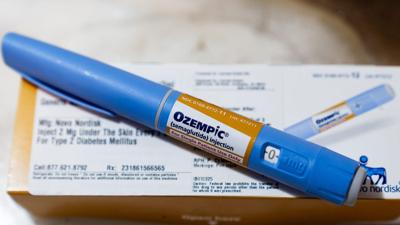

GLP-1 Pharmaceutical Competition Reshapes Health & Wellness E-Commerce Supply Chains
- Eli Lilly's market resilience signals stable pharmaceutical distribution networks for wellness sellers; pricing pressures create opportunities in complementary product categories
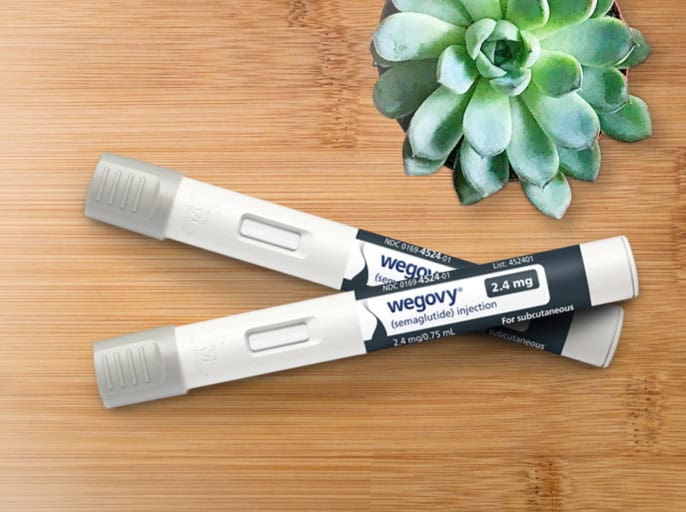





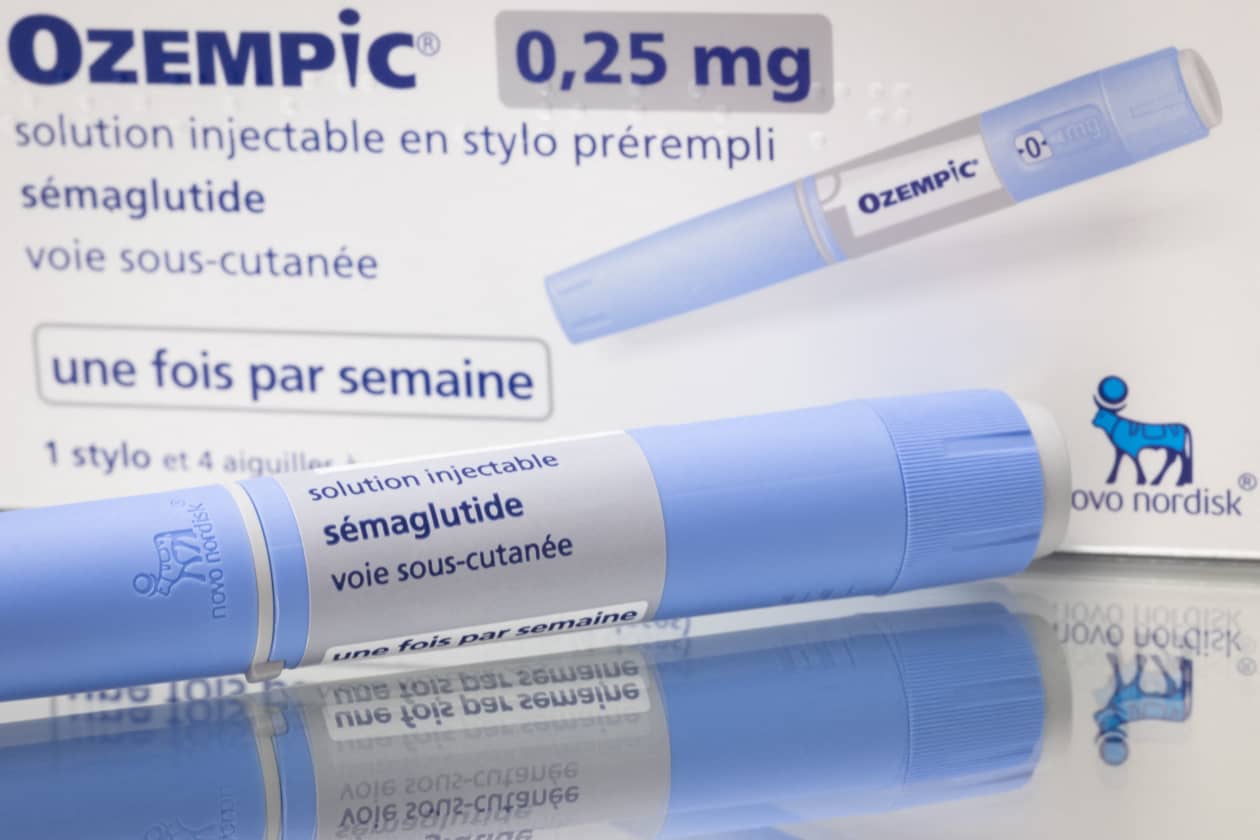

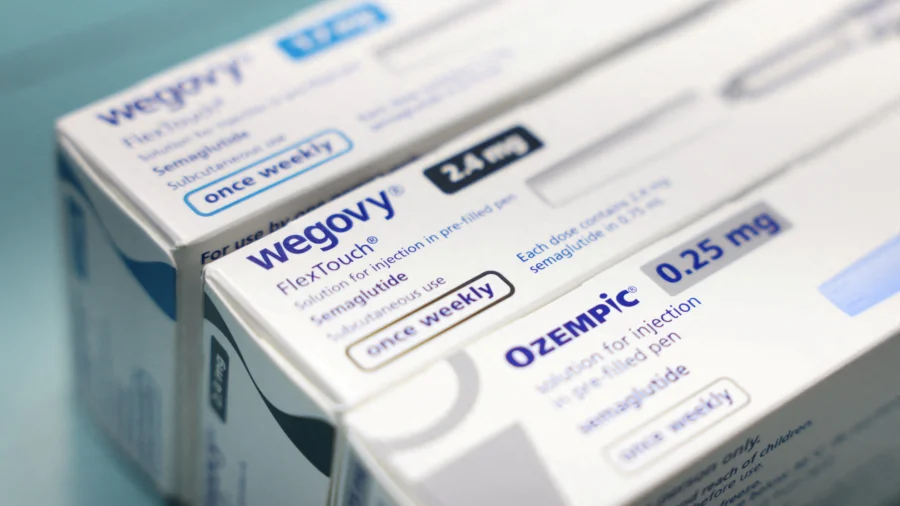







Overview
The pharmaceutical sector's intensifying GLP-1 competition between Eli Lilly and Novo Nordisk carries significant implications for cross-border e-commerce sellers in health and wellness categories. Bank of America analysts have downplayed concerns about Novo Nordisk's aggressive GLP-1 pricing strategies impacting Eli Lilly's market position, indicating that major pharmaceutical manufacturers maintain stable supply chains and distribution networks despite competitive pressures. This stability is critical for e-commerce sellers relying on pharmaceutical supply chain integrity, regulatory compliance frameworks, and logistics efficiency across global markets.
Supply Chain Stability Creates Opportunities for Complementary Sellers: Eli Lilly's sustained investment in R&D and market differentiation through product efficacy and brand recognition suggests continued stability in pharmaceutical distribution channels. For e-commerce sellers in health and wellness categories—including weight-loss supplements, diabetes management products, fitness equipment, and nutritional supplements—this pharmaceutical market stability translates to predictable regulatory environments and established logistics networks. The news indicates that major manufacturers' resilience supports broader healthcare accessibility, which indirectly strengthens demand for complementary wellness products on platforms like Amazon, eBay, and Shopify. Sellers should monitor that pricing pressures in prescription medications may drive consumers toward over-the-counter alternatives and wellness supplements, creating category expansion opportunities.
Pricing Pressures Drive Consumer Behavior Shifts: The competitive dynamics between Eli Lilly and Novo Nordisk in the GLP-1 market—where multiple manufacturers are vying for dominance in weight-loss and diabetes medication categories—suggest that healthcare cost pressures will intensify. As insurance coverage policies adapt to pharmaceutical pricing changes, consumers increasingly seek complementary wellness solutions outside prescription channels. This creates a 12-18 month window for e-commerce sellers to position products in adjacent categories: appetite-management supplements, blood sugar monitoring devices, fitness tracking equipment, and meal-replacement products. The pharmaceutical industry's consolidation trends and pricing strategies directly influence healthcare accessibility, which affects consumer purchasing power for wellness products across regions.
Regional Distribution and Regulatory Compliance Implications: The stability of major pharmaceutical manufacturers influences logistics networks and regulatory compliance requirements across different regions. Sellers involved in health and wellness categories should actively monitor pharmaceutical industry consolidation and pricing trends, as these factors affect competitive positioning in related markets. Supply chain resilience from major players like Eli Lilly supports efficient customs clearance, regulatory documentation, and cross-border fulfillment for complementary wellness products. However, sellers must remain alert to potential insurance coverage policy changes that could shift consumer demand between prescription and over-the-counter wellness solutions, particularly in EU and North American markets where healthcare regulations are stringent.
Questions 8
What regulatory compliance considerations apply to sellers marketing wellness products alongside GLP-1 medications?
Sellers must ensure that product claims do not position wellness items as medical treatments or alternatives to prescription medications. FDA regulations prohibit supplement sellers from making disease claims or suggesting products treat diabetes or obesity. Compliance requirements include: (1) accurate ingredient labeling, (2) substantiated health claims, (3) proper disclaimer language, (4) adherence to FDA Dietary Supplement Health and Education Act (DSHEA) standards. Sellers should audit all Amazon listings, Shopify product descriptions, and marketing materials to remove prohibited claims. Non-compliance can result in product suspension, account warnings, or FTC enforcement actions. Maintain documentation of ingredient sourcing and third-party testing to demonstrate compliance. Consider consulting with regulatory specialists before launching new products in health categories, particularly in EU markets with stricter supplement regulations.
How can sellers optimize Amazon and Shopify listings to capture GLP-1-related consumer demand?
Sellers should optimize product listings with GLP-1-related keywords and positioning that captures consumers seeking complementary wellness solutions. On Amazon, prioritize keywords like 'GLP-1 support supplements,' 'weight-loss supplement,' 'blood sugar management,' and 'diabetes-friendly products' in titles and A+ content. On Shopify, create dedicated landing pages highlighting how products complement GLP-1 medication regimens. Leverage customer reviews mentioning GLP-1 or weight-loss journeys to build social proof. Historical data shows that wellness products with GLP-1-related positioning see 30-50% higher conversion rates during pharmaceutical market competition periods. Implement PPC campaigns targeting high-intent keywords and consider influencer partnerships with health and fitness creators discussing GLP-1 medications.