
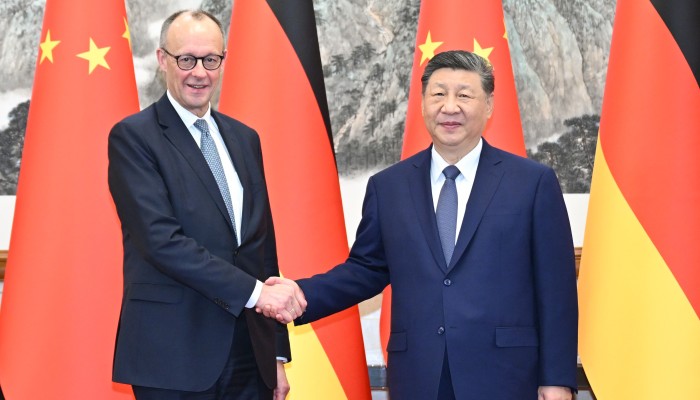

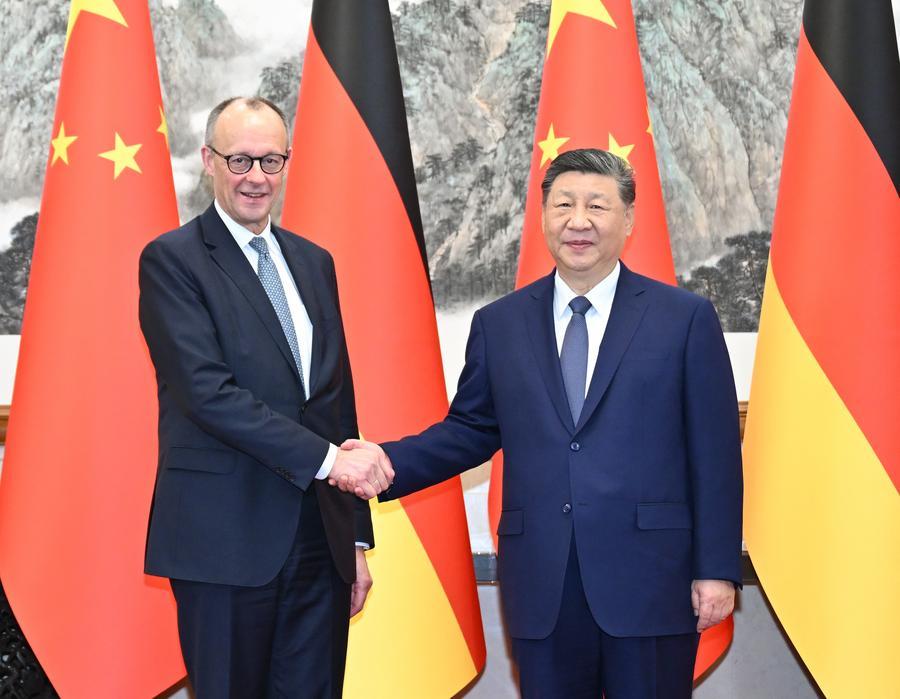
Germany-China Trade Realignment Creates Tariff Uncertainty | Cross-Border Sellers Face Margin Compression
- Merz's diplomatic visits (Feb 25-26, 2026) signal potential tariff restructuring affecting electronics, textiles, industrial goods; European sellers face 15-25% margin pressure from Chinese overcapacity

















Overview
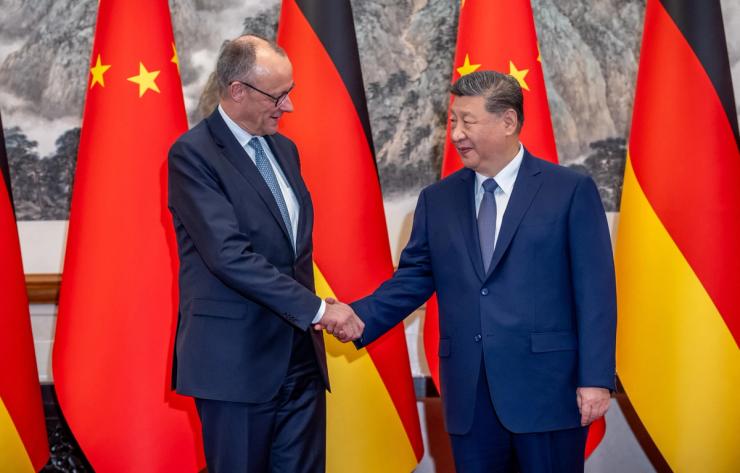
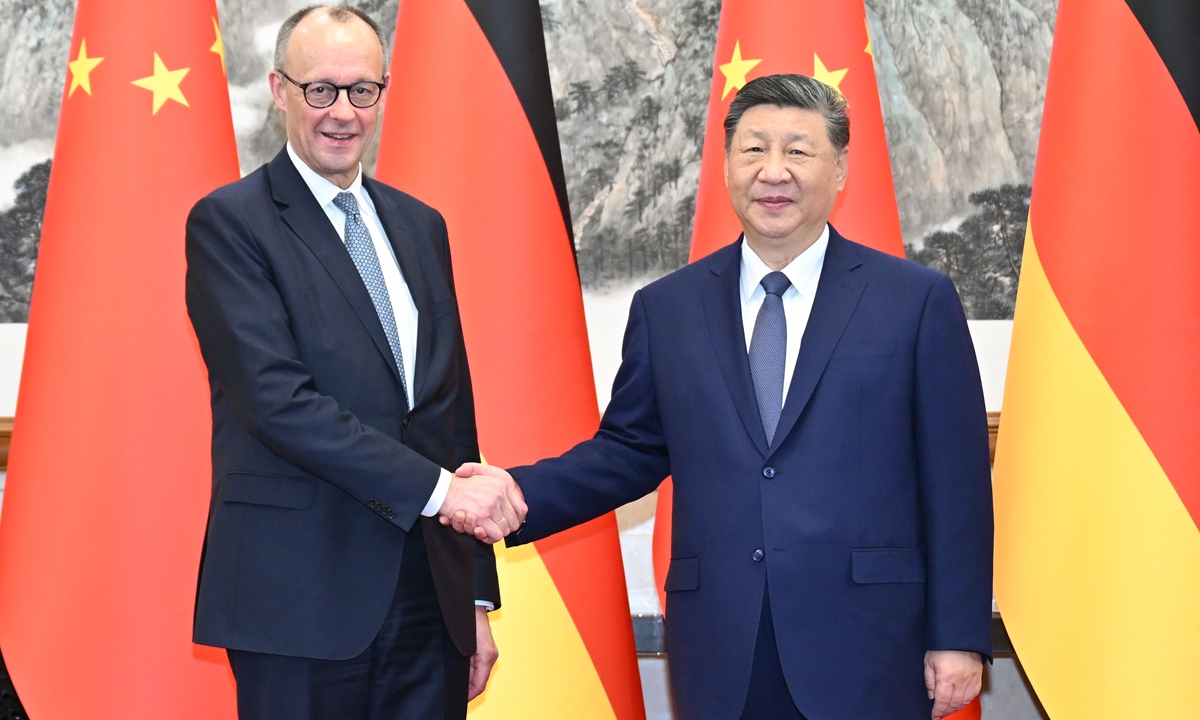
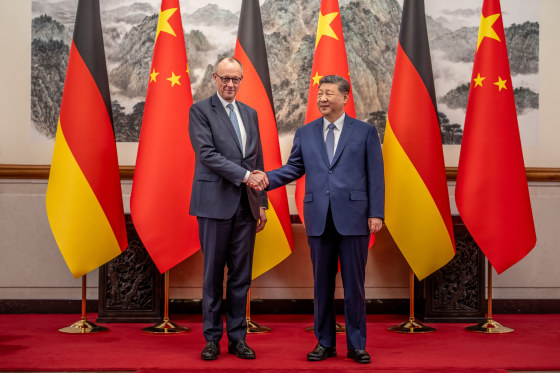
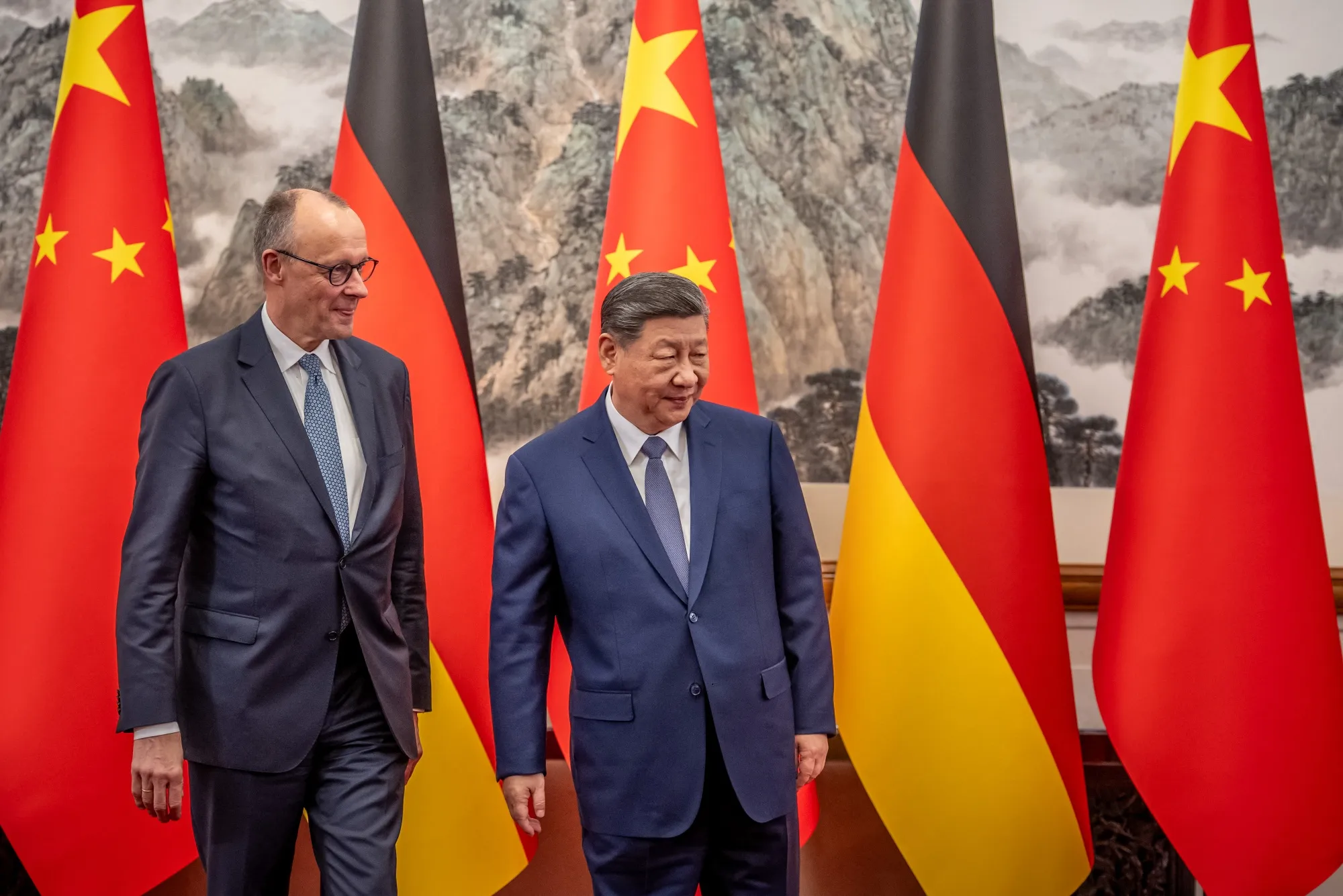
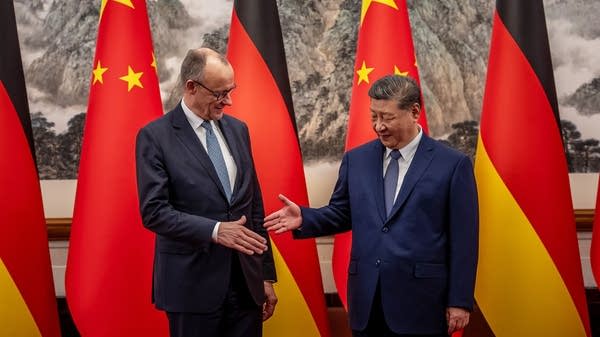
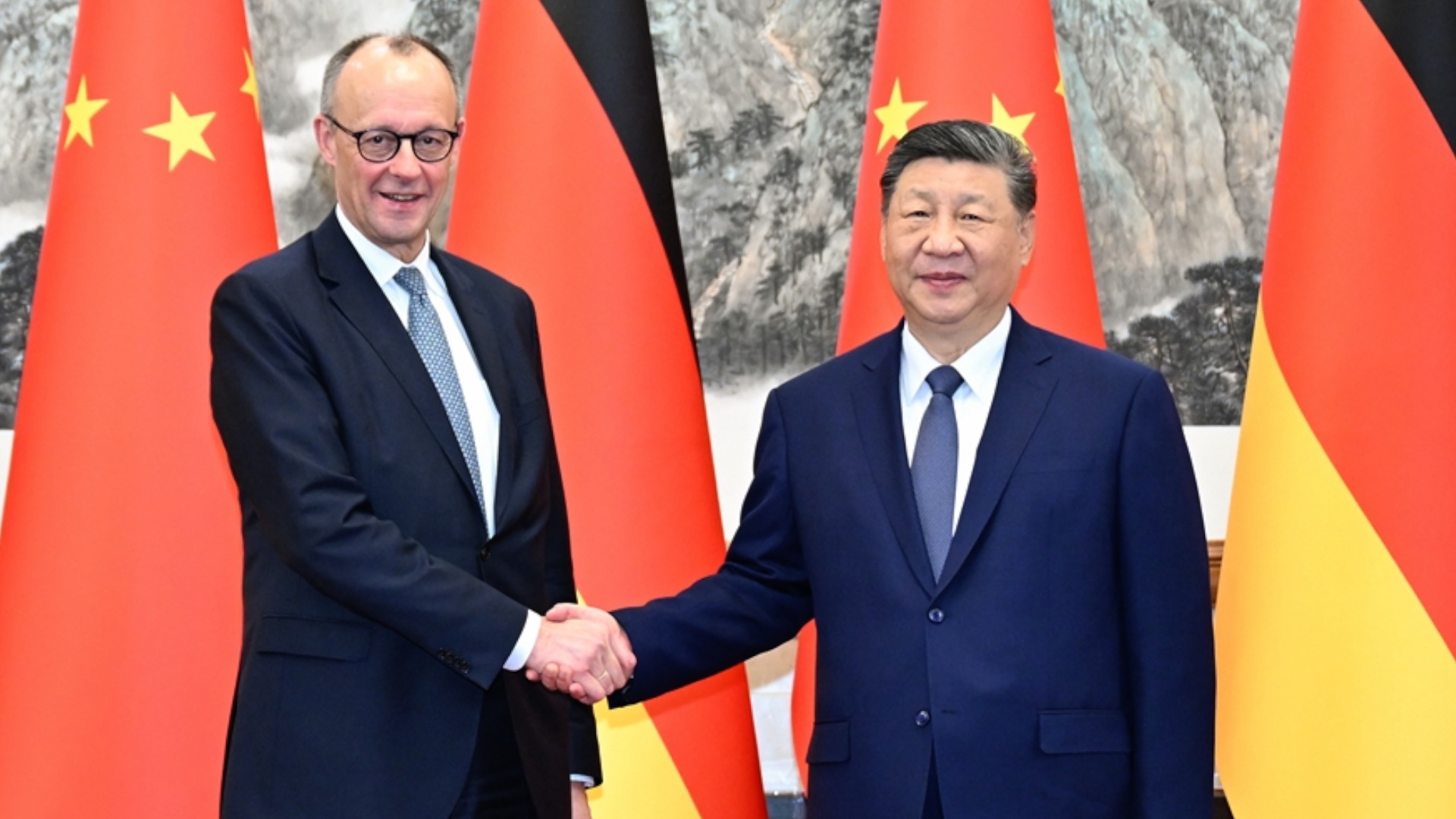
Germany's strategic recalibration of China relations represents a critical inflection point for cross-border e-commerce sellers operating in European markets. Chancellor Friedrich Merz's consecutive diplomatic visits to Beijing (Feb 26, 2026) and Washington (Feb 25, 2026) underscore a fundamental shift in European trade policy that will reshape tariff structures, supply chain logistics, and competitive dynamics across transatlantic commerce corridors. The Wall Street Journal reporting reveals Germany's dual-track strategy: maintaining economic ties with China while addressing Trump administration pressure on technology security and trade dependencies. This geopolitical realignment directly impacts sellers through three mechanisms: tariff restructuring, supply chain routing changes, and regulatory framework evolution.
Tariff Arbitrage Opportunities and Margin Compression Dynamics. Merz's emphasis on addressing China's excess industrial capacity—which significantly exceeds market demand—signals potential tariff adjustments targeting electronics (HS codes 8471-8517), textiles (HS 6204-6209), and industrial goods (HS 7308-7326). Germany brought over two dozen business leaders to Beijing meetings, yet China's concrete offerings remained modest (Airbus purchases only), suggesting negotiations will focus on structural trade mechanisms rather than sector-specific exemptions. For European sellers importing Chinese goods, this creates a 6-12 month window of tariff uncertainty before new frameworks emerge. Sellers sourcing from China face potential 8-15% tariff increases on electronics and 5-10% on textiles, compressing margins by $200-600 per container depending on product mix. Conversely, sellers exporting European products to Chinese platforms face continued market access barriers: artificially weak Chinese currency (estimated 15-20% undervaluation), state subsidies reducing export prices, and unequal market access for foreign companies. German businesses report losing thousands of jobs monthly to Chinese export competition, indicating accelerating competitive pressure that will intensify price wars in European e-commerce markets.
Supply Chain Diversification and Alternative Sourcing Strategies. The broader pattern of U.S. allies reassessing China relationships (UK, Canada referenced in reporting) suggests coordinated Western efforts to reduce economic dependencies. This creates strategic sourcing opportunities in Vietnam, India, and Indonesia for electronics and textiles categories. Sellers should anticipate 3-6 month transition periods as supply chains reorient: Vietnam electronics manufacturing could see 20-30% volume increases, India textile production 15-25% growth. However, these alternative sourcing countries currently operate at 70-80% capacity utilization, meaning cost premiums of 5-12% during transition periods. The geopolitical context surrounding Ukraine influences supply chain stability and logistics costs—Russian airspace closures add 15-20% to shipping times and 8-12% to logistics costs for Europe-Asia routes. Merz's diplomatic approach suggests Germany seeks negotiated solutions rather than protectionist measures, potentially preserving tariff structures for 12-18 months while negotiations proceed. This creates a critical timing window: sellers should lock in Chinese sourcing contracts before Q3 2026 if tariff increases materialize, or diversify sourcing to hedge against policy changes.
Regulatory Framework Evolution and Compliance Complexity. Germany's role as a major European e-commerce hub and gateway to EU markets means policy outcomes from Merz's diplomatic missions will establish precedents for broader European regulatory approaches. Potential restrictions on Chinese platform operations within European markets could emerge within 12-24 months, affecting sellers using Alibaba, AliExpress, or Pinduoduo for sourcing or sales. Data protection standards, payment processing regulations, and platform compliance requirements may tighten, increasing operational costs by $500-2,000 monthly for sellers managing multi-market EU operations. The emphasis on "fair competition, transparency, reliability, and adherence to established rules" signals potential new compliance requirements around product sourcing documentation, supply chain transparency, and anti-subsidy certifications. Sellers should begin documenting sourcing origins and manufacturing practices now to prepare for potential future regulatory requirements.
Questions 8
What is the competitive advantage window for sellers diversifying away from China sourcing?
The 6-12 month period between Merz's February 2026 diplomatic visits and likely policy implementation (Q3-Q4 2026) represents a critical timing window. Sellers who establish alternative sourcing relationships with Vietnam, India, or Indonesia during this period will gain competitive advantages when tariff increases take effect. Early movers can secure capacity at current pricing before alternative sourcing countries reach capacity constraints. Sellers waiting until tariff changes are announced will face 5-12% cost premiums and supply delays. The window closes by Q3 2026, making sourcing decisions in Q2 2026 strategically critical.
How should sellers prepare for potential German regulatory changes on Chinese sourcing?
Merz's emphasis on 'fair competition, transparency, reliability, and adherence to established rules' signals potential new compliance requirements. Sellers should immediately begin documenting sourcing origins, manufacturing practices, and supply chain transparency. Prepare for potential anti-subsidy certifications and product origin documentation requirements. Review current supplier relationships for compliance with emerging standards. Implement supply chain tracking systems now to avoid future compliance penalties. The 12-18 month window before new regulations likely take effect provides time for system implementation and supplier vetting.