



Strategic Talent Acquisition in College Football Coaching Ecosystem
- Northwestern's Bold Leadership Transformation Signals Institutional Reinvention
























Overview
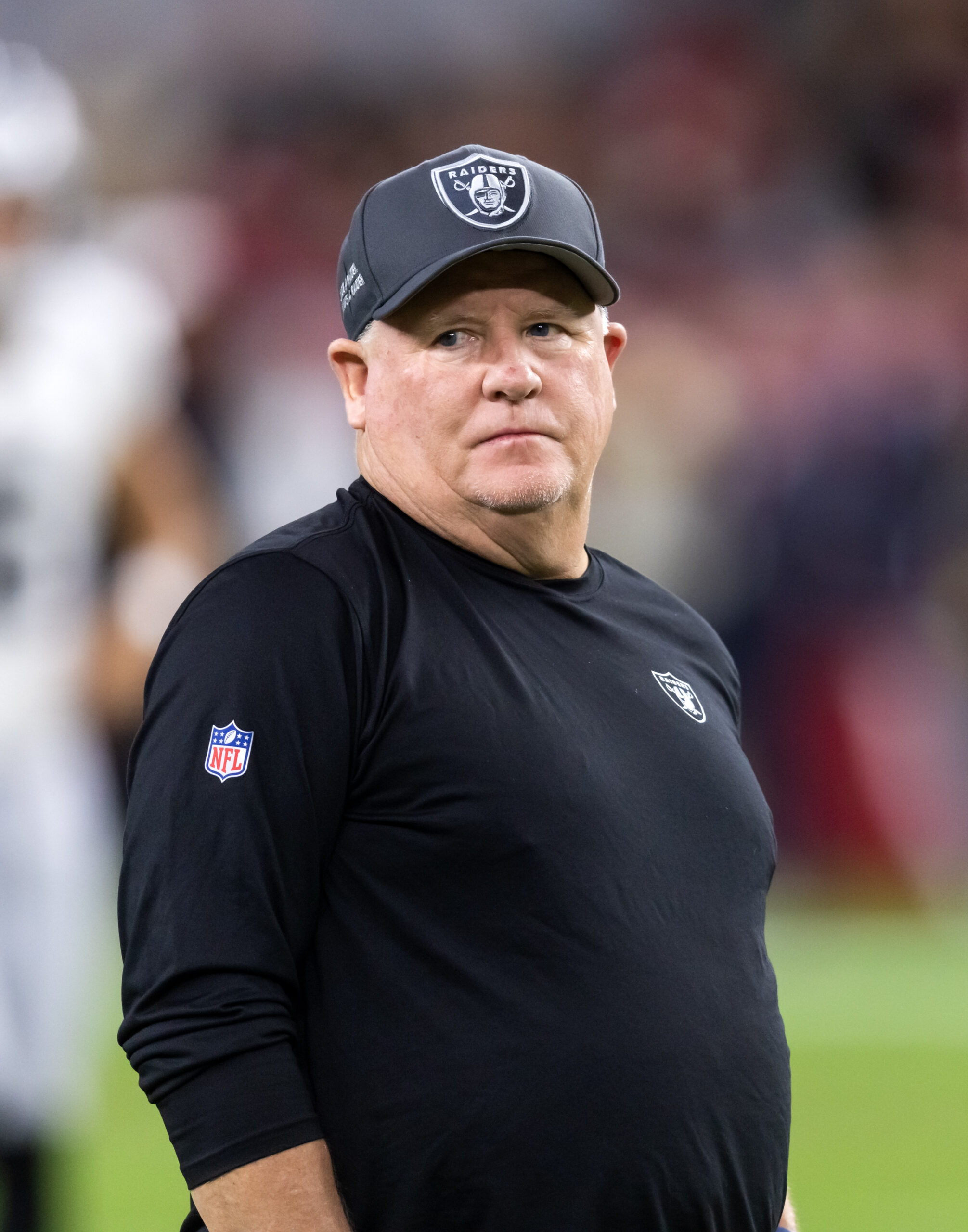
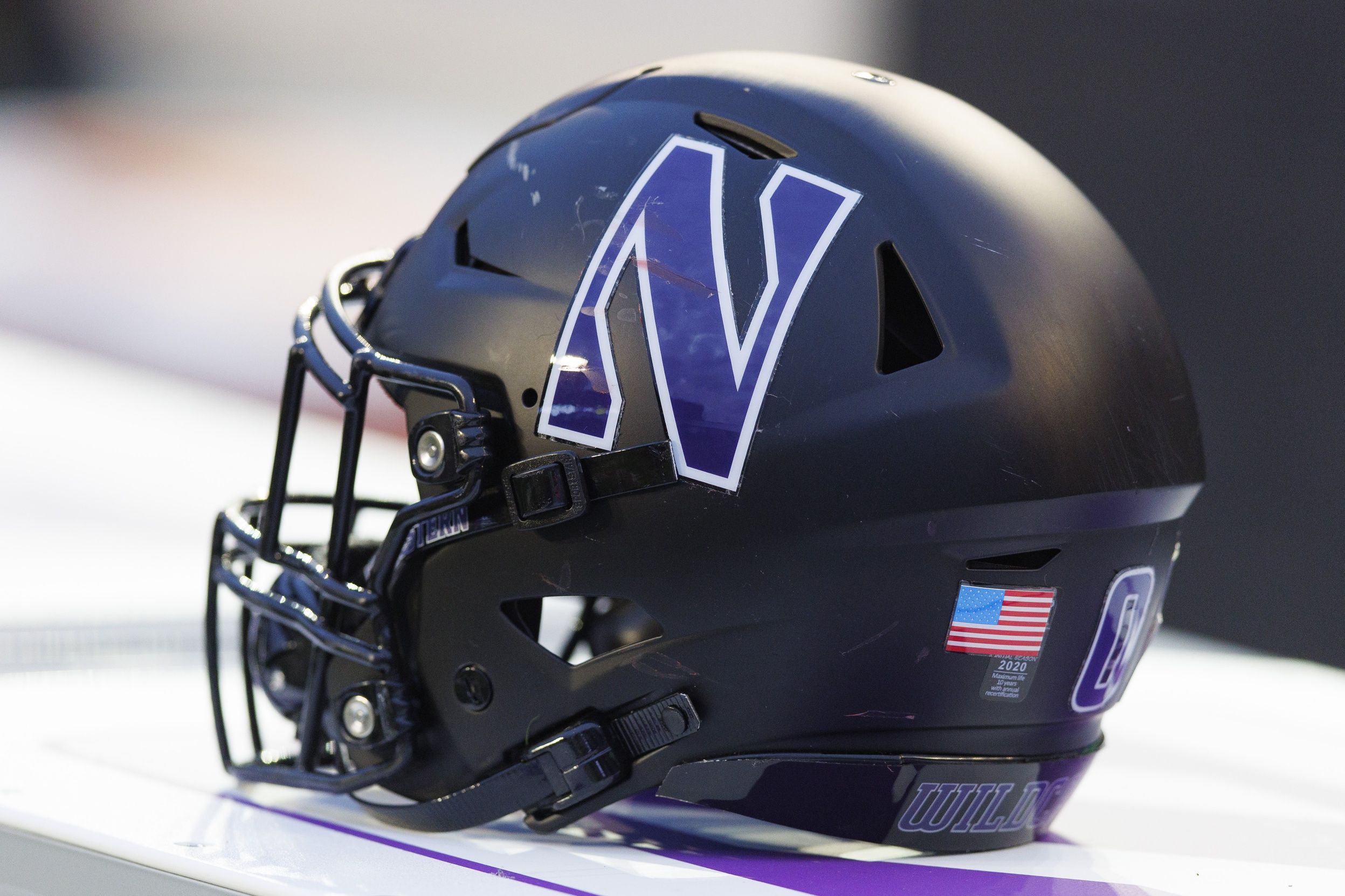
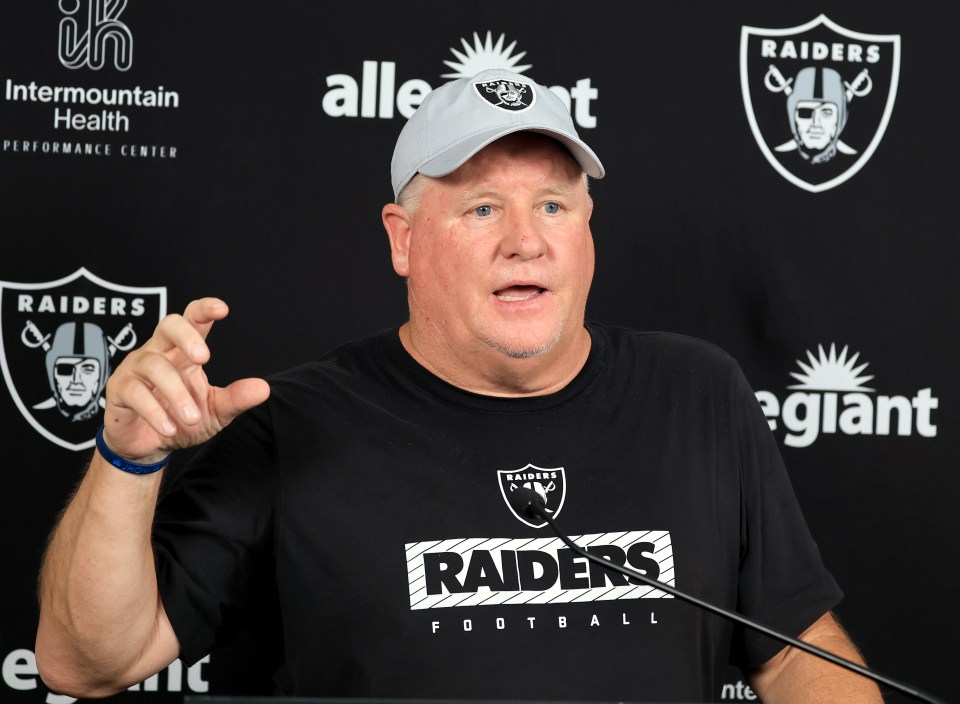
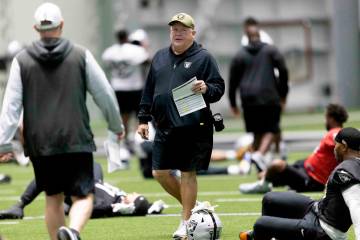
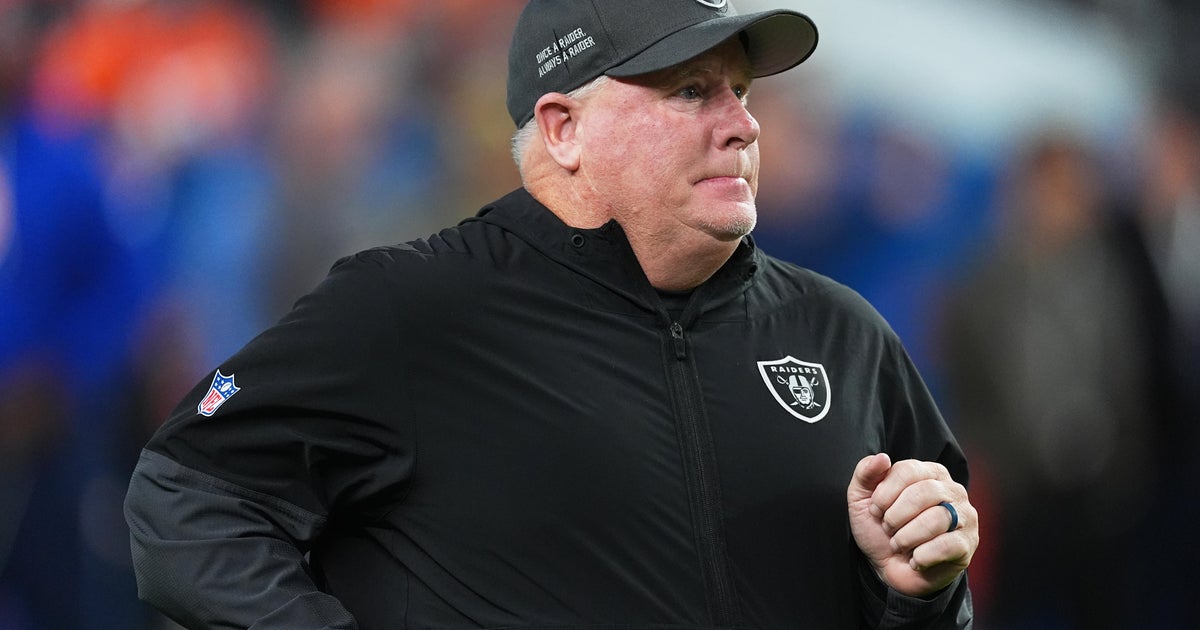
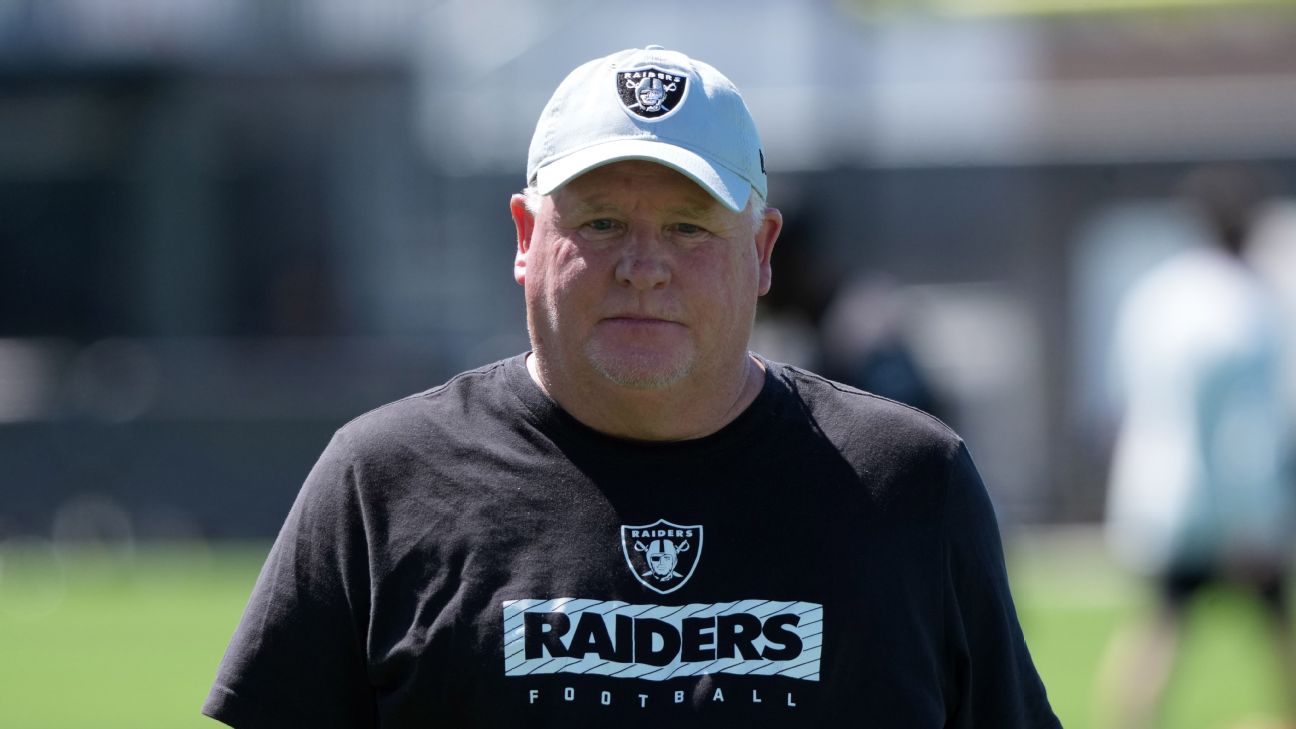
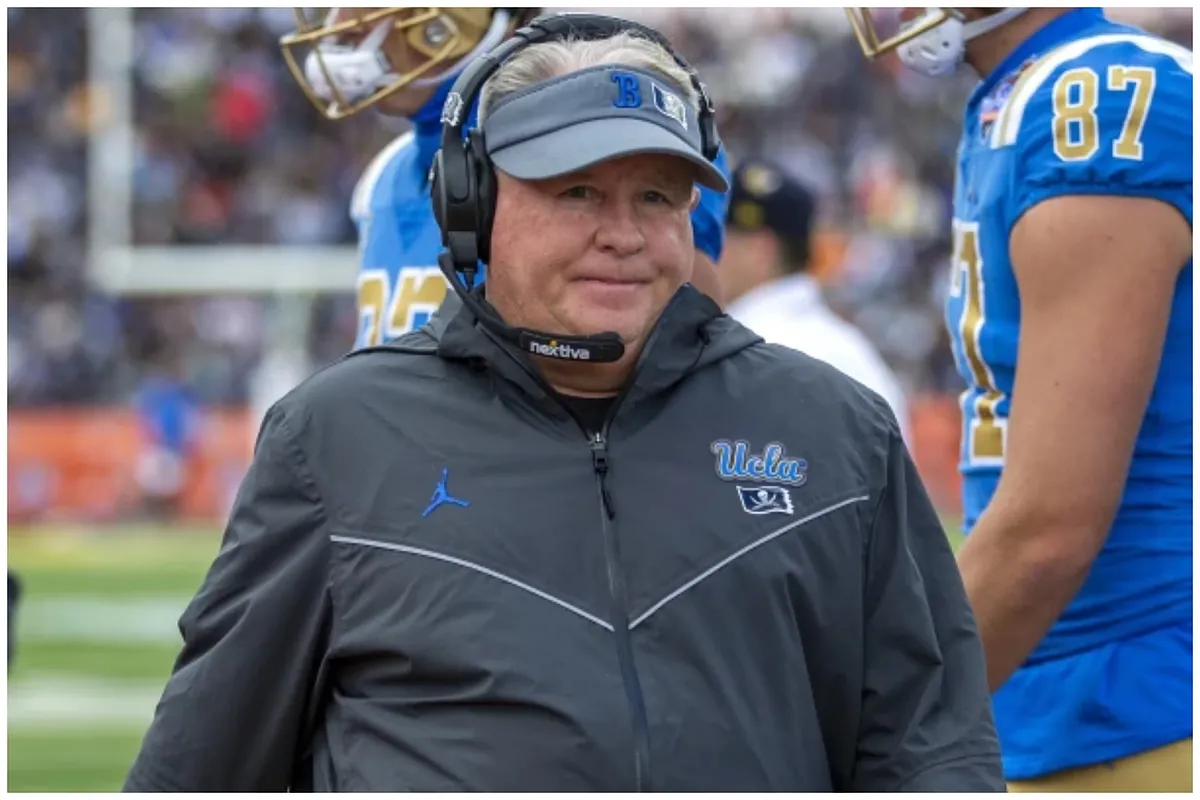
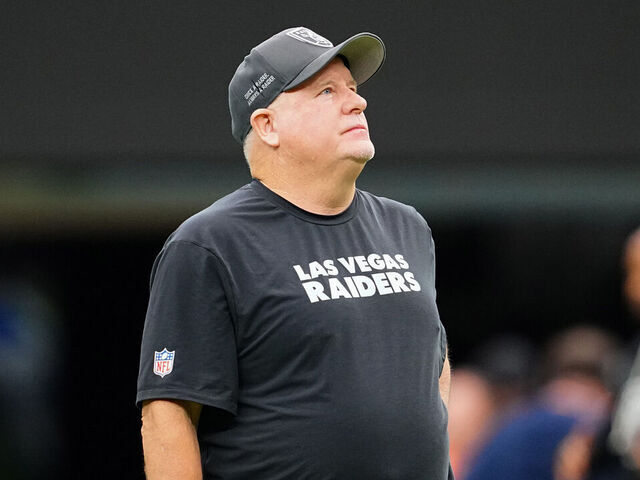
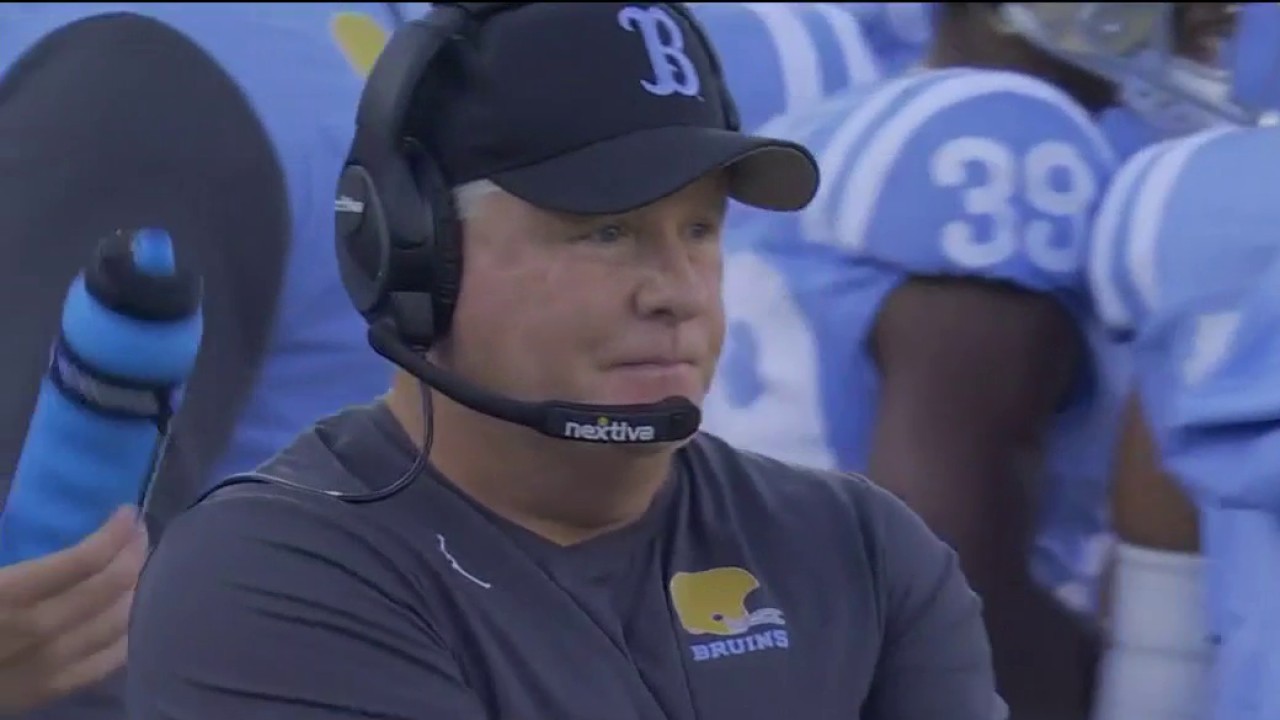
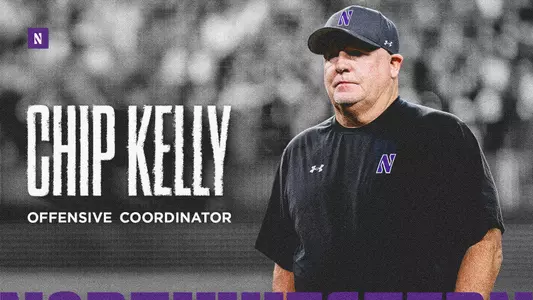
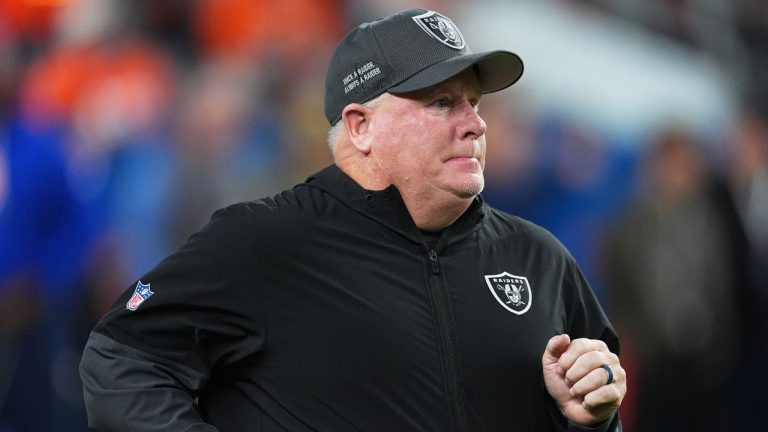
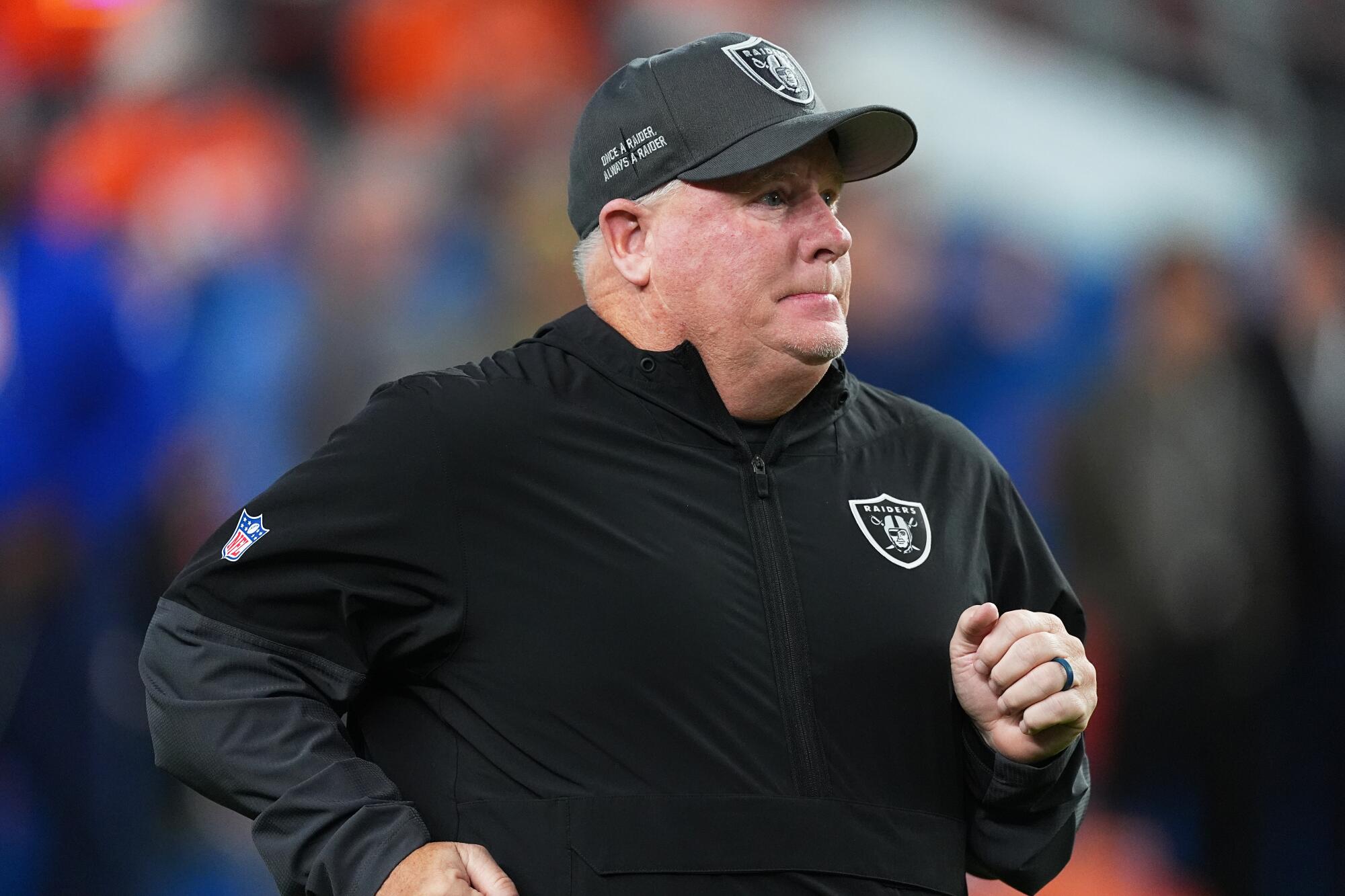
In a strategic pivot that underscores the dynamic nature of collegiate athletics leadership, Northwestern University has executed a high-profile coaching recruitment that transcends typical personnel transitions. The hiring of Chip Kelly as offensive coordinator represents more than a routine staffing change—it's a calculated institutional recalibration targeting performance enhancement and competitive repositioning.
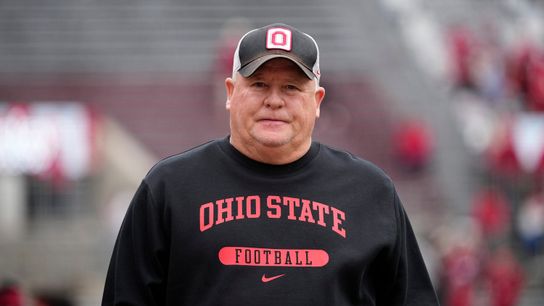
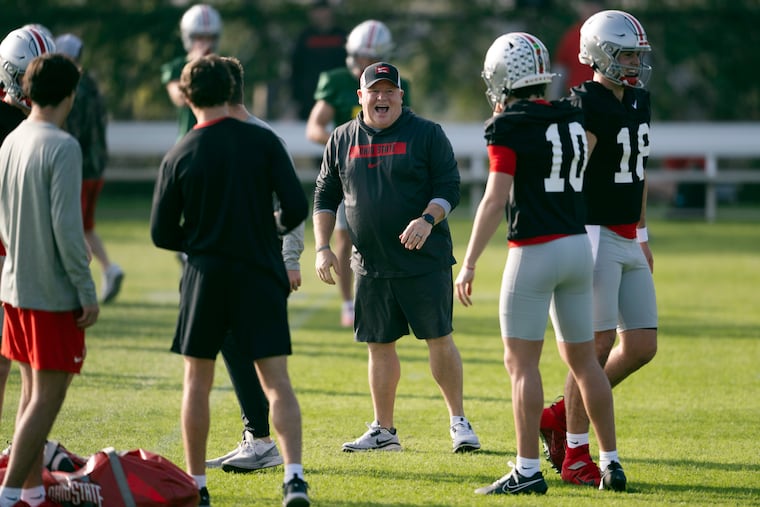
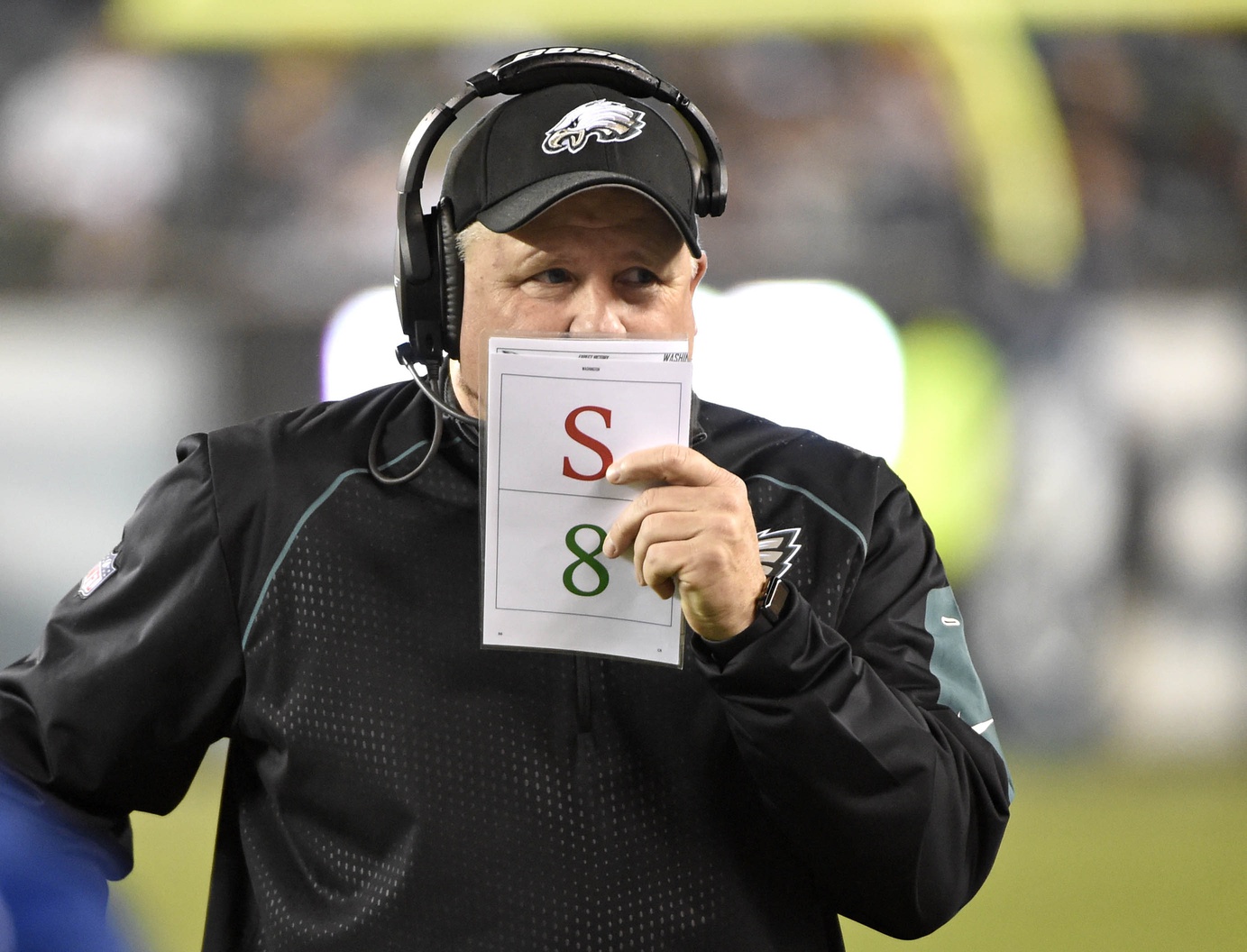
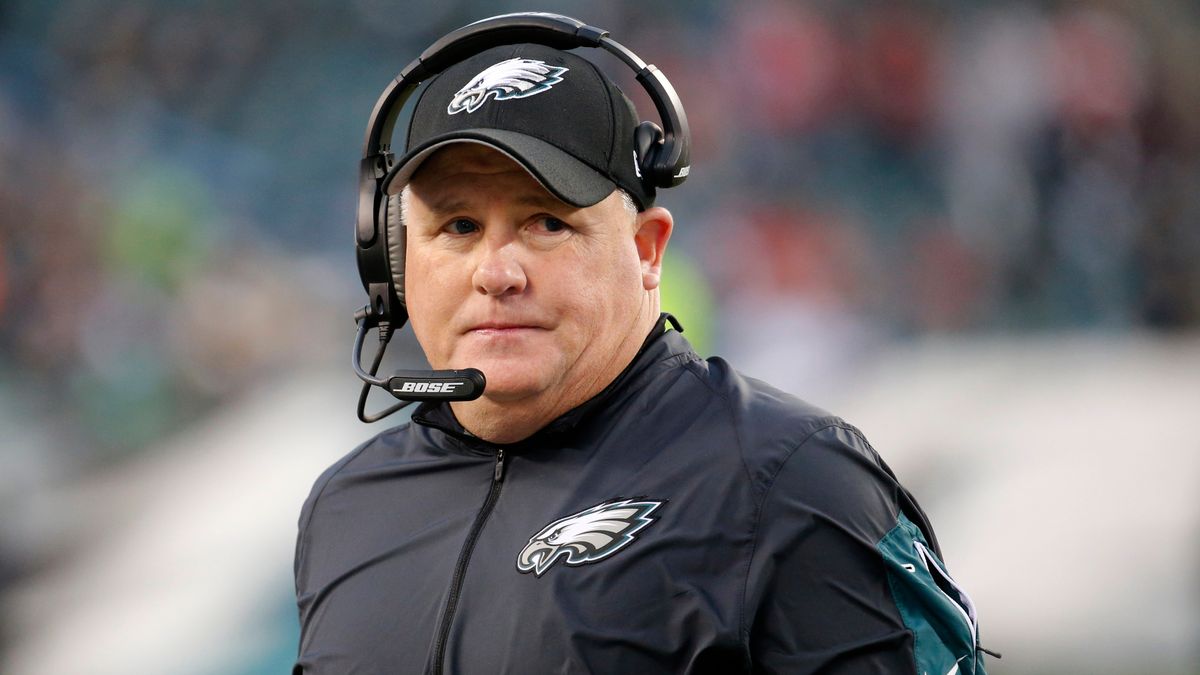
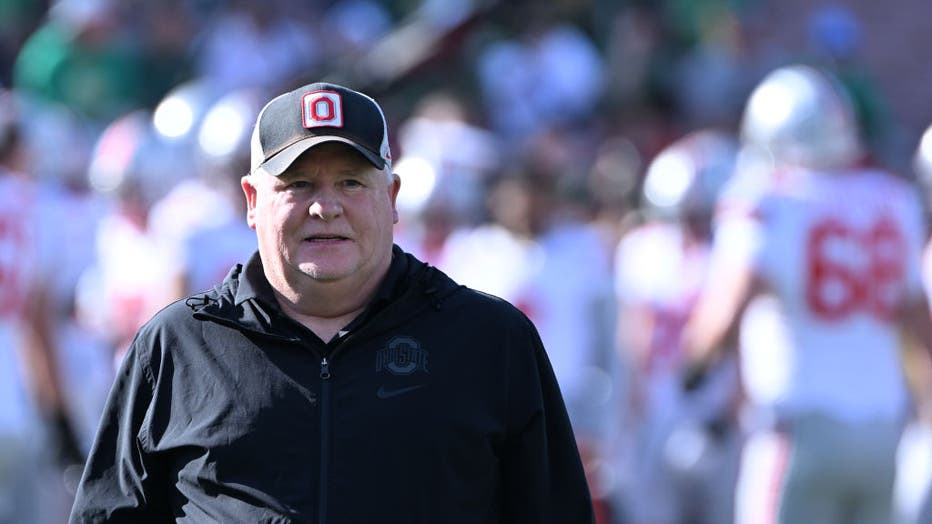
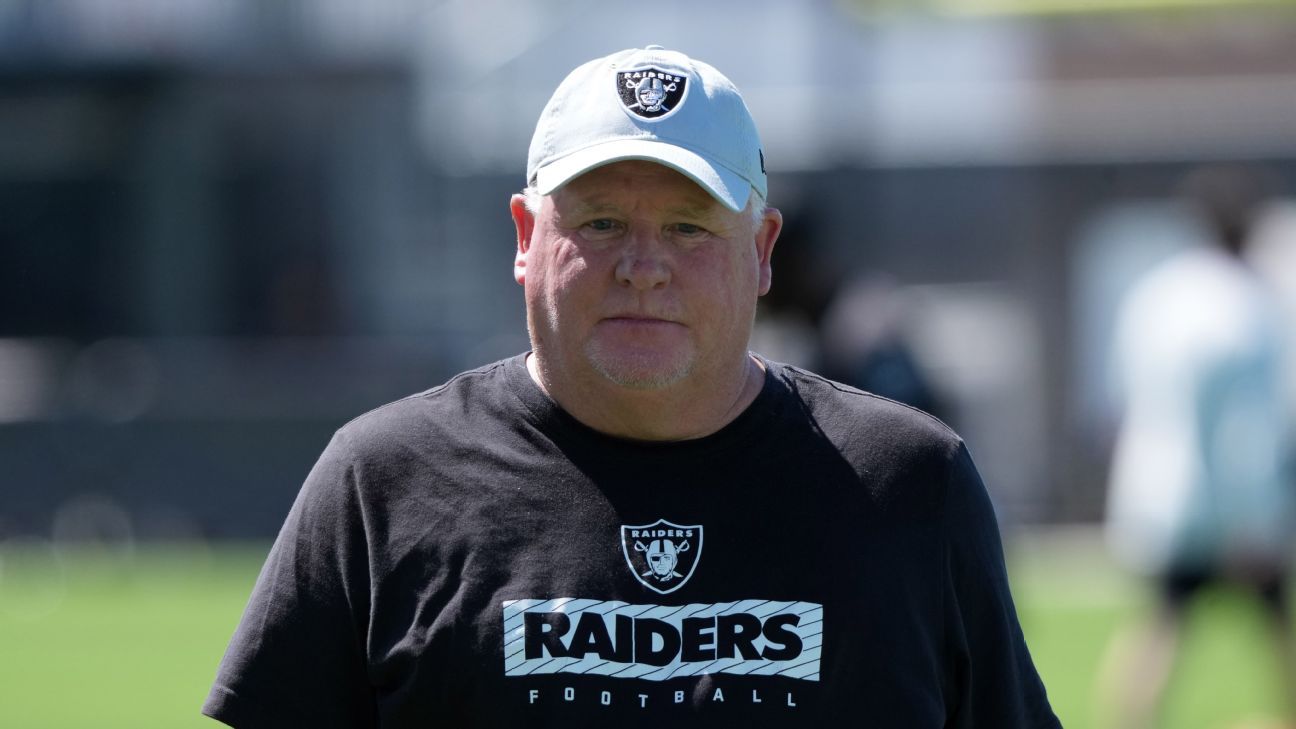
Kelly's appointment arrives at a critical juncture for Northwestern's football program. With a $850 million new stadium on the horizon and recent offensive performance ranking near the bottom nationally (averaging just 23 points per game), the university is making a bold statement about its commitment to athletic excellence. Kelly brings a proven track record of offensive innovation, having previously led transformative strategies at Ohio State, UCLA, and in NFL environments like the Philadelphia Eagles and Las Vegas Raiders.
The deeper narrative here is about institutional adaptability. By recruiting a coach with a 35-year pedigree characterized by strategic tempo, efficiency, and adaptive decision-making, Northwestern signals its willingness to challenge conventional approaches. Kelly's history of quarterback development and offensive system redesign suggests the program is not just seeking incremental improvement, but fundamental reimagination of its competitive strategy.
This move reflects a broader trend in high-performance environments: recognizing that leadership transitions are opportunities for systemic redesign. Head Coach David Braun's decision to bring Kelly onboard demonstrates sophisticated organizational thinking—leveraging external expertise to catalyze internal transformation. The timing, coinciding with a massive stadium investment and Kelly's recent national championship experience at Ohio State, suggests a holistic, long-term vision for program elevation.
Ultimately, Northwestern's coaching acquisition is a masterclass in strategic talent management—proving that breakthrough performance often emerges not from incremental adjustments, but from bold, vision-driven leadership transitions.
Questions 3
How does this hiring connect to Northwestern's broader institutional strategy?
The timing coincides with an $850 million stadium investment and reflects a sophisticated approach to organizational development. By bringing in a high-profile coach with national championship experience, Northwestern is signaling its ambition to elevate its football program's competitive positioning and institutional reputation.
What makes this coaching change more than a routine personnel move?
This is a strategic institutional recalibration aimed at systemic transformation. By recruiting Kelly, Northwestern is not just seeking incremental improvements but fundamentally reimagining its competitive approach, leveraging his expertise in adaptive offensive strategies and quarterback development.