




Digital Danger Zone: How Infant Screen Time Rewires Teenage Brains
- Groundbreaking Research Reveals Long-Term Neurological Risks for Digital-First Generations








Overview
The digital landscape is fundamentally reshaping childhood development in ways we're only beginning to understand. A landmark neurodevelopmental study from Singapore has uncovered alarming long-term consequences of early screen exposure, revealing that infants' digital interactions can trigger profound neurological transformations with lasting psychological implications.
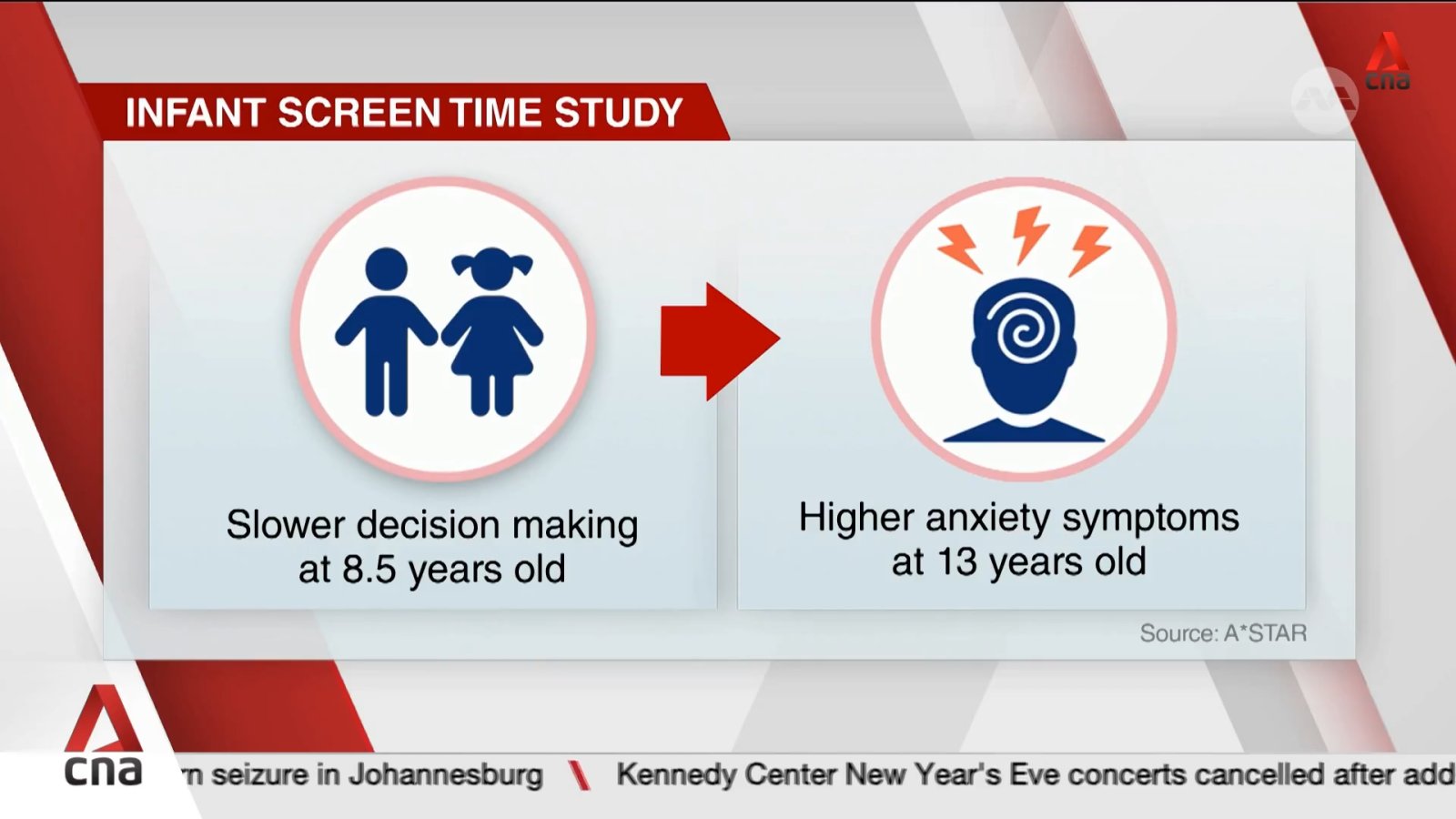
The research, tracking 168 children over a decade, demonstrates that screen time before age two accelerates brain network maturation in unprecedented and potentially harmful ways. Children exposed to extensive digital stimuli experienced accelerated visual processing network development, resulting in measurable cognitive challenges. By age eight, these children exhibited slower decision-making capabilities, and by thirteen, they showed significantly higher anxiety symptoms—a disturbing neural reengineering with potentially generational consequences.
What makes this research particularly compelling is its specificity: the critical window of neurological vulnerability exists exclusively during infancy. Screen time at ages three and four did not produce similar developmental alterations, underscoring the uniquely sensitive first two years of neural development. This precision offers a critical intervention point for parents, educators, and technology designers.
For the digital economy, these findings represent more than a health warning—they're a strategic imperative. E-commerce platforms, educational technology providers, and digital content creators must reimagine child-focused products. The research suggests a radical redesign approach: prioritizing interactive, cognitively supportive experiences that counteract passive screen consumption. Future digital products targeting children must integrate developmental neuroscience principles, transforming from mere entertainment to intentional cognitive scaffolding.
The implications extend beyond individual product design. We're witnessing the emergence of a new design philosophy—neurologically responsible technology—where digital experiences are crafted with deep understanding of developmental psychology. This isn't just about limiting screen time; it's about reimagining how digital interactions can positively support cognitive growth.
Questions 3
What can parents do to mitigate potential negative screen time effects?
Parents should limit screen time for children under two, prioritize interactive experiences like reading, and choose developmentally supportive digital content. The research emphasizes active parental involvement and selecting less visually stimulating, more cognitively engaging digital experiences.
How exactly does infant screen time affect long-term brain development?
The study found that screen exposure before age two accelerates brain network maturation, specifically in visual processing areas. This premature specialization leads to slower decision-making abilities and increased anxiety symptoms by teenage years, indicating a fundamental rewiring of cognitive networks during a critical developmental period.