
Philadelphia O2O Transformation 2026 | Hybrid Shopping Drives Offline Retail Strategy
- Digital-first consumers demand seamless click-and-collect; 4 critical behavior shifts reshape small business survival and omnichannel opportunity
Overview
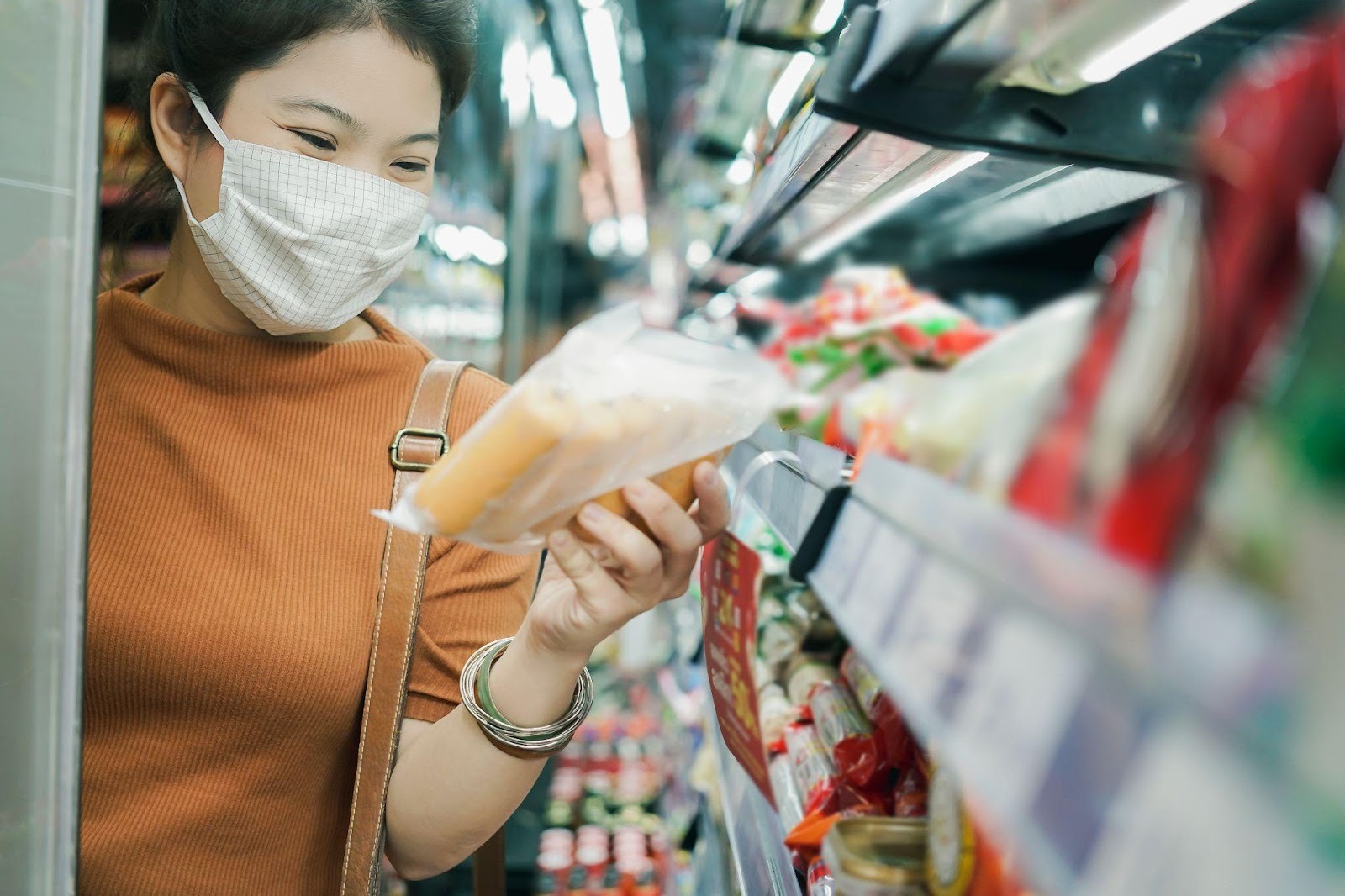
Philadelphia's post-pandemic retail landscape reveals a critical inflection point for offline retail strategy: digital-first shopping now precedes 80%+ of in-store purchases, fundamentally reshaping how brands must approach physical retail presence. The news documents four permanent consumer behavior shifts that define 2026 commerce and create urgent O2O opportunities for cross-border sellers entering the US market.
The Digital-First Prerequisite: Consumers now initiate all purchase journeys online—checking reviews, comparing prices, researching products—before entering physical stores. This means offline retail without robust online presence is essentially invisible. For sellers, this signals that pop-up stores, showrooms, and retail partnerships must be supported by clean websites, updated product listings, and transparent pricing across all channels. Businesses lacking digital infrastructure lose customers before they reach the storefront.
Economic Selectivity Reshapes Impulse Retail: Rising living costs have eliminated impulse purchasing, replacing it with research-driven decisions where consumers carefully evaluate value propositions and brand trustworthiness. This directly impacts product categories—premium, niche, and specialty items now require stronger brand positioning and customer education. Sellers should prioritize categories where offline experiences can justify price premiums: beauty/skincare (sampling), home goods (visualization), specialty foods (tasting), and apparel (fit verification).
Convenience Becomes Loyalty Driver: Philadelphia retailers implementing online ordering, click-and-collect, and improved customer support report stronger repeat traffic. This is the core O2O opportunity: convenience features now outweigh location familiarity as loyalty drivers. Transparent pricing, easy payment options, and clear return policies are table-stakes. For sellers, this means retail partnerships must include integrated inventory visibility, active social media communication, and simplified checkout—not just shelf space.
Hybrid Shopping Model Dominates: The majority of consumers now combine online research with in-store purchases (or vice versa), requiring seamless inventory integration across channels. This creates specific opportunities for pop-up locations in high-foot-traffic areas (Philadelphia's Center City, University City, Rittenhouse Square) where online-to-offline conversion can be measured and optimized.
Community Loyalty Persists—But Requires Modern Execution: Despite digital transformation, Philadelphia consumers still support local businesses and value neighborhood identity. However, this loyalty now requires modern convenience combined with personal service. Sellers can leverage this by positioning products as supporting local/independent brands while delivering frictionless digital experiences.
The strategic implication: offline retail is no longer about location—it's about seamless omnichannel integration. Sellers entering Philadelphia should prioritize O2O strategies that connect online research to offline experience, not standalone physical presence.
Questions 8
What inventory management systems are required to support Philadelphia's hybrid shopping model?
Hybrid shopping requires real-time inventory visibility across online and offline channels. Essential systems: (1) Unified inventory platform—tracks stock across e-commerce, pop-ups, and retail partners in real-time; (2) Click-and-collect integration—enables customers to reserve online and pick up at nearest location; (3) Social media inventory updates—communicate stock availability and new arrivals across Facebook, Instagram, TikTok; (4) POS integration—syncs in-store sales with online inventory immediately. Implementation costs: $2,000-5,000 for small sellers using Shopify/WooCommerce plugins; $5,000-15,000 for mid-size operations requiring custom integration. Expected benefit: Reduces stockouts by 30-40%, increases conversion by 15-25%, and enables data-driven inventory allocation across channels. Philadelphia retailers implementing these systems report 20-30% improvement in inventory turnover.
How should sellers optimize product listings for Philadelphia's digital-first shopping behavior?
Since 80%+ of Philadelphia consumers research online before visiting stores, product listings must be optimized for pre-purchase research: (1) Include detailed reviews, ratings, and customer photos—consumers compare alternatives before committing; (2) Provide transparent pricing, shipping costs, and return policies upfront—economic uncertainty drives careful evaluation; (3) Add video demonstrations and lifestyle imagery—helps justify premium pricing in research-driven environment; (4) Integrate inventory visibility—show real-time stock at nearby physical locations to drive click-and-collect conversions. Sellers should also maintain active social media communication and respond quickly to customer inquiries. This digital-first optimization directly supports offline conversion when combined with pop-up or retail partnership presence.