



College Football's 2025 Bowl Game Landscape Reveals Strategic Media and Fan Engagement Trends
- Comprehensive scheduling signals evolving media rights and fan experience strategies in collegiate athletics

















Overview
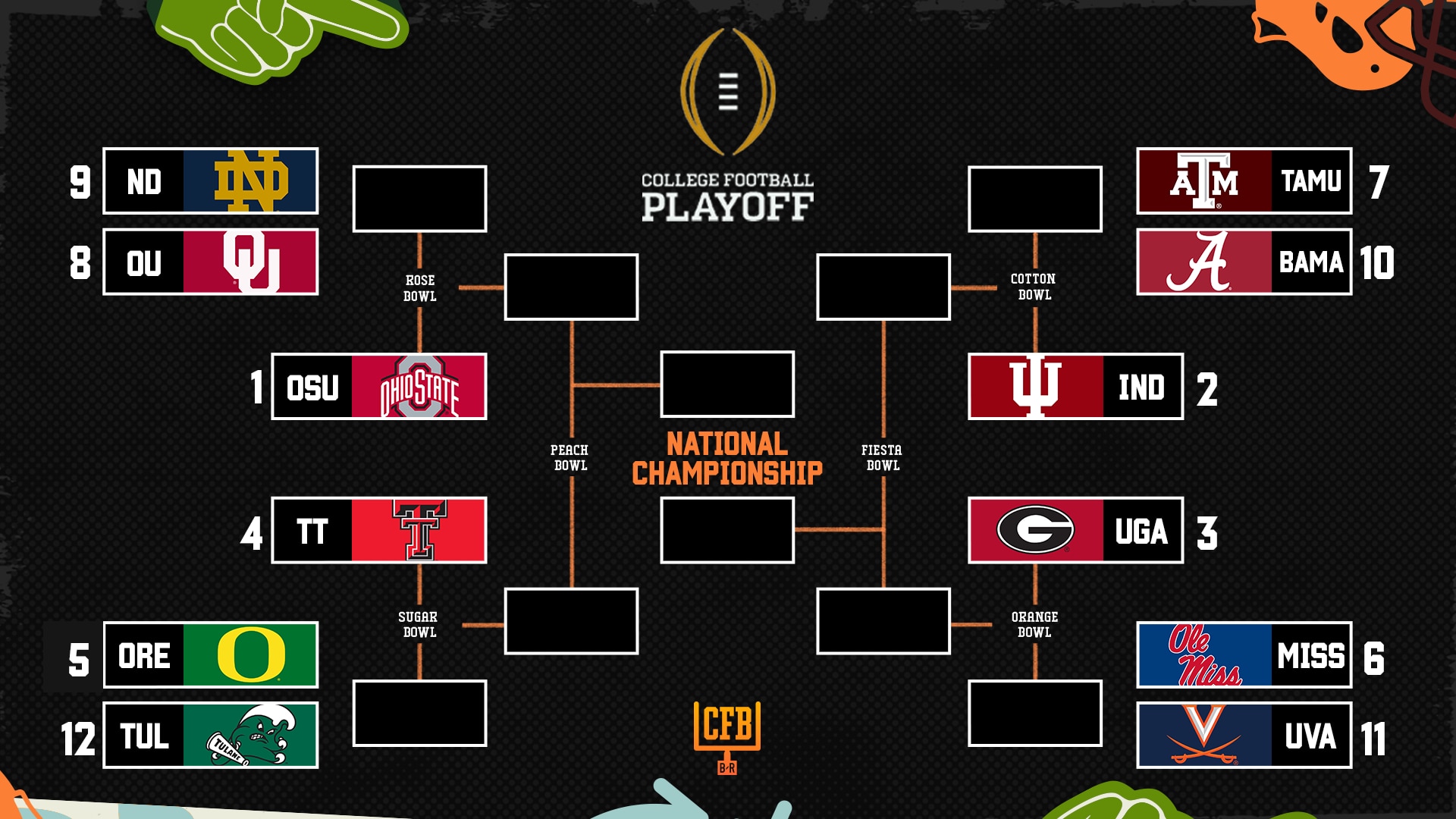
The release of the complete 2025 college football bowl game schedule represents more than just a sporting calendar—it's a strategic blueprint for media engagement and fan interaction in collegiate athletics. Comprehensive scheduling now serves as a critical intersection between athletic performance, broadcast economics, and fan experience.
Media Distribution Dynamics are particularly noteworthy in this announcement. By meticulously detailing dates, times, and TV channels for multiple university football teams, the schedule reveals a sophisticated approach to content monetization. Each bowl game becomes a carefully choreographed media property, designed to maximize viewership and generate substantial broadcast revenue. The granular level of detail—specifying exact matchups, broadcast windows, and network allocations—demonstrates the increasingly professional approach to managing collegiate sports as a media product.
Fan Engagement Strategies emerge as a key underlying trend. The extensive pre-planning of bowl game logistics signals a deep understanding of fan consumption patterns. Universities and broadcast networks are no longer simply scheduling games; they're crafting narrative experiences that extend beyond the field. By providing comprehensive information months in advance, they're creating anticipation, enabling fan planning, and transforming each bowl game into a broader entertainment event.
The 2025 schedule also hints at the strategic complexity of collegiate athletics. Each matchup, time slot, and broadcast channel represents a calculated decision balancing athletic merit, regional interests, and media market dynamics. This isn't just about football—it's about creating a national sporting narrative that connects universities, fans, and media platforms in an intricate ecosystem of competition and entertainment.
Ultimately, this bowl game schedule is a sophisticated mapping of collegiate sports' future—where athletic performance, media rights, fan experience, and strategic communication converge into a single, complex landscape of opportunity and engagement.
Questions 3
How do media rights impact the bowl game scheduling?
Media rights play a crucial role in determining game matchups, time slots, and broadcast channels. Networks and universities collaborate to create schedules that maximize viewership, generate revenue, and create compelling narrative arcs that extend beyond traditional athletic competition.
What trends does this schedule reveal about collegiate athletics?
The schedule demonstrates a shift towards treating collegiate sports as a sophisticated media product. It shows increasing professionalization, with careful consideration of fan experience, broadcast economics, and strategic storytelling around each game and matchup.