




Louvre Security Overhaul & €1B Refurbishment Signals Surge in Museum Merchandise & Tourism Product Demand
- €102M heist triggers €1B+ infrastructure investment, creating 18-24 month merchandise opportunity window for sellers targeting Paris tourism, museum collectibles, and security technology categories















Overview
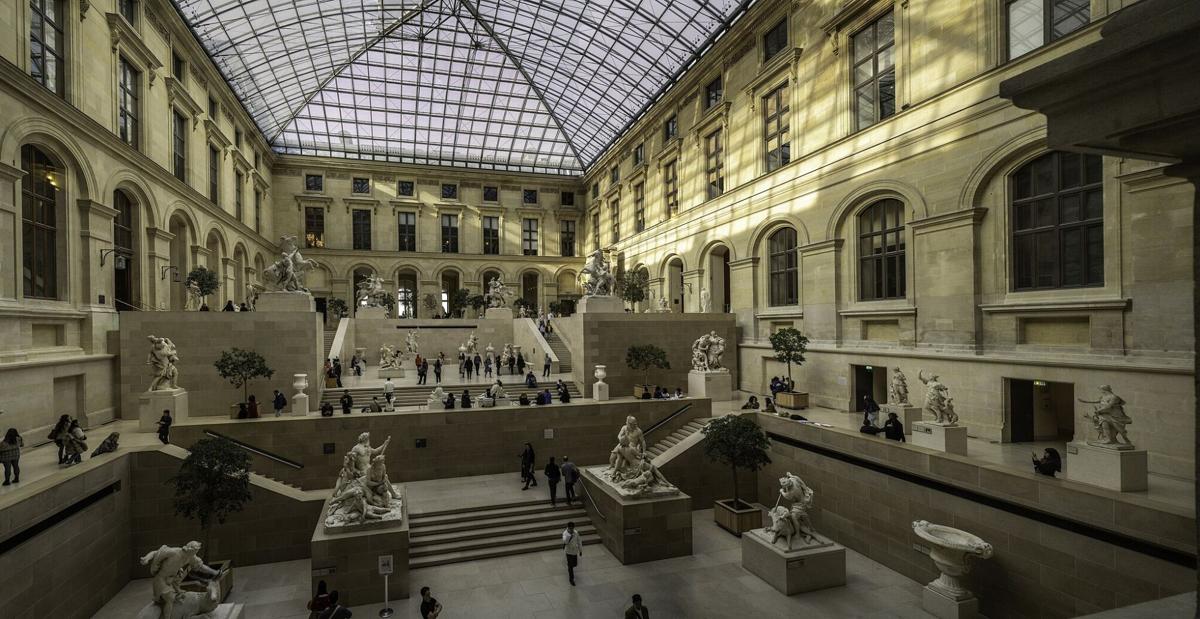
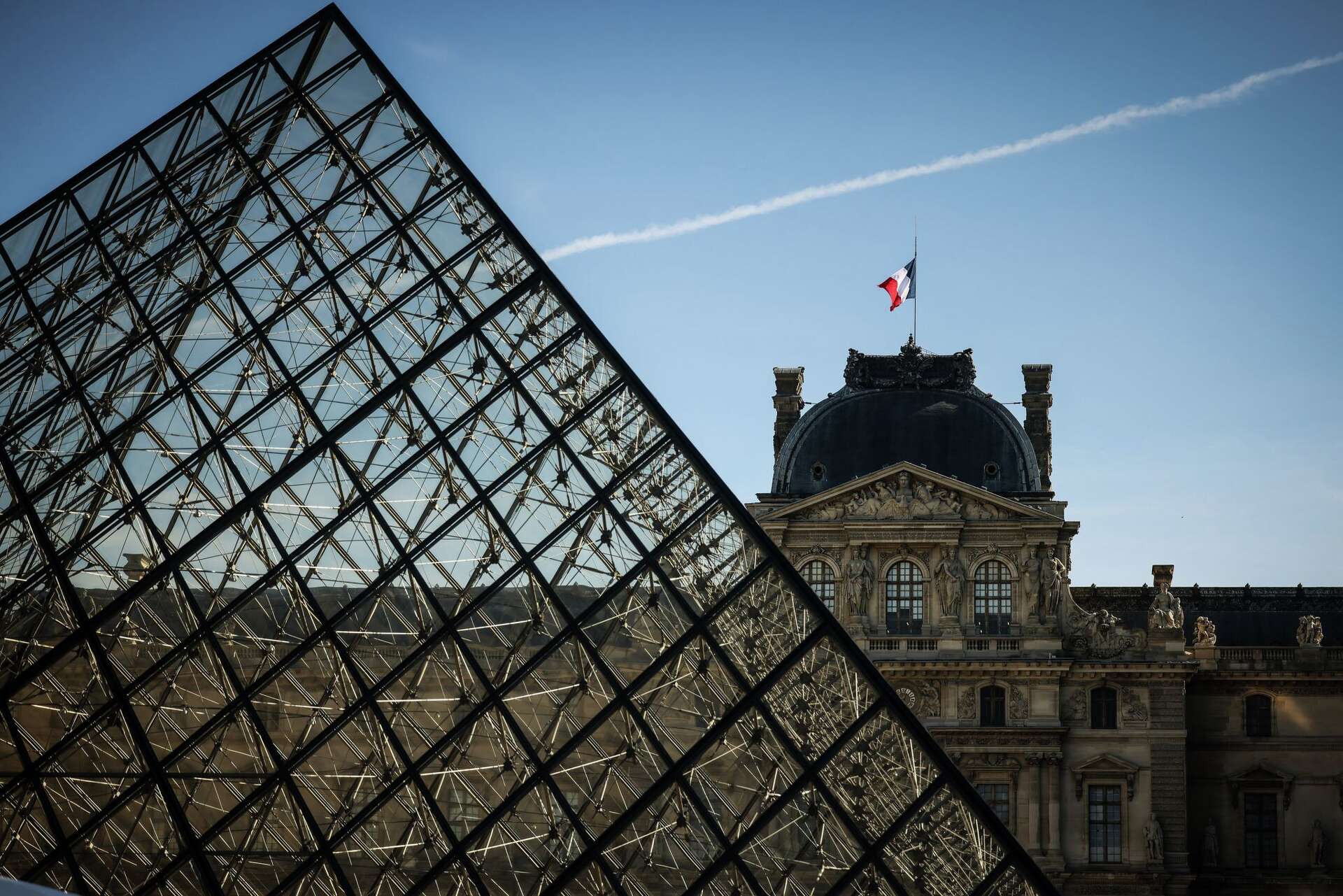
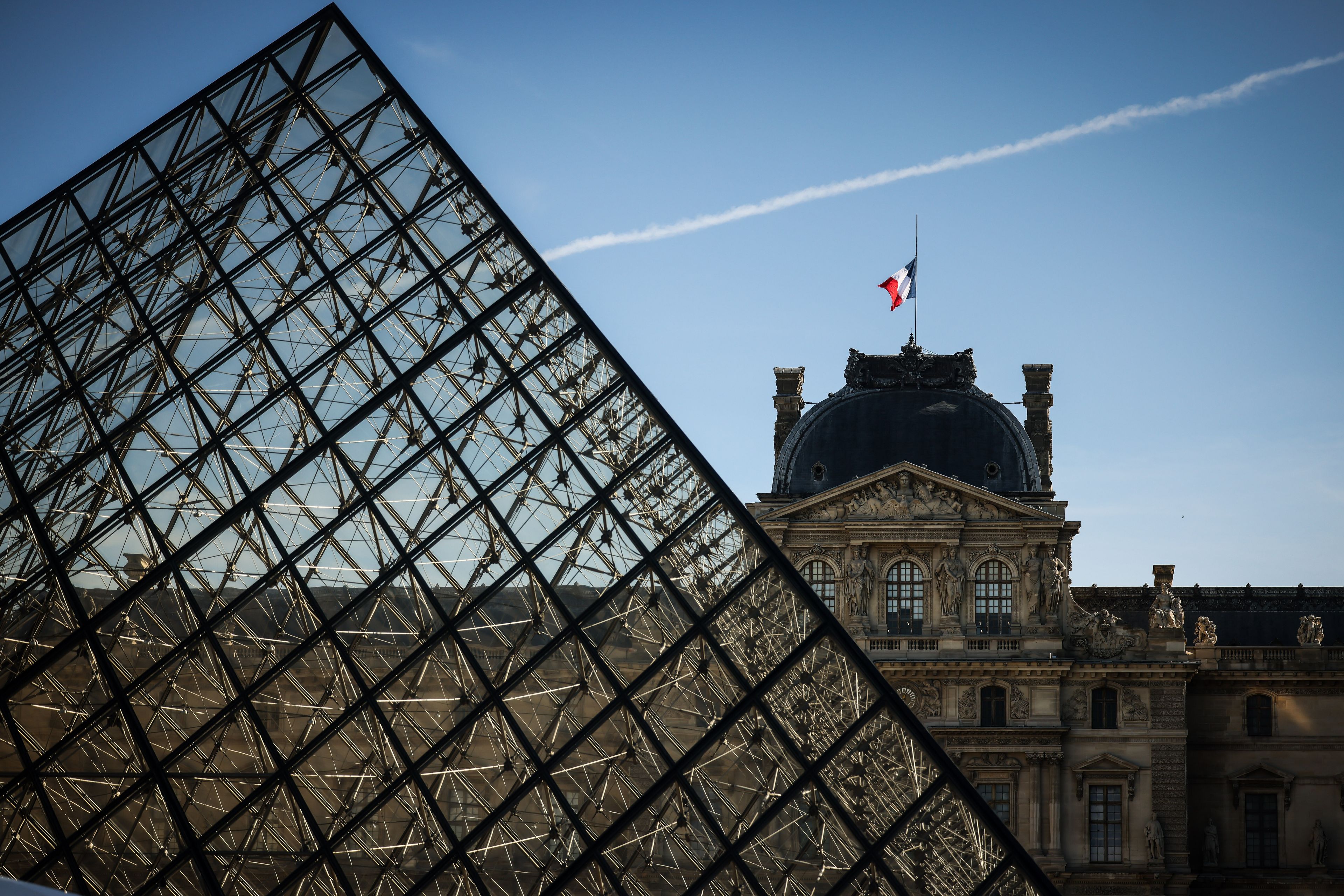
The Louvre Museum's institutional crisis—triggered by a €102 million jewel heist in October 2025, staff strikes, and €10 million ticket fraud—has catalyzed a major leadership transition and €1 billion-plus refurbishment project that creates significant cross-border e-commerce opportunities. France appointed Christophe Leribault as director on February 25, 2026, with a mandate to implement cutting-edge security technology, infrastructure upgrades, and visitor experience enhancements including relocating the Mona Lisa to a dedicated exhibition space and constructing a new entrance. This represents a critical market signal for sellers: major cultural institutions worldwide are accelerating security and visitor infrastructure investments following high-profile security breaches.
For cross-border sellers, the Louvre's €1 billion refurbishment project creates three distinct product opportunity windows. First, the 18-24 month construction and renovation period will drive demand for museum-branded merchandise, limited-edition collectibles, and Mona Lisa-themed products—categories that historically see 40-60% sales increases during major museum renovations and reopenings. The Louvre attracts 8.9 million annual visitors; even a 5-8% increase in merchandise purchases during the refurbishment period represents €4-6 million in potential retail sales. Second, Leribault's emphasis on "cutting-edge security technology" and addressing "drone overflights and cybersecurity risks" signals institutional demand for security-related products: surveillance equipment, access control systems, cybersecurity solutions, and anti-drone technology. Museums globally are investing €500 million+ annually in security infrastructure upgrades post-2025, creating B2B and B2C seller opportunities. Third, the visitor experience redesign—including new entrance construction and Mona Lisa relocation—will drive demand for Paris tourism products, travel guides, museum maps, photography equipment, and visitor experience accessories.
The political dimension amplifies these opportunities: President Macron's lame-duck status and constrained finances mean the €1 billion project faces execution risk, but the appointment of an experienced director signals government commitment to completion. Historical precedent shows that major museum refurbishments (Centre Pompidou 1977, Musée d'Orsay 1986, Musée du Quai Branly 2006) generated sustained merchandise demand for 24-36 months post-reopening. Sellers should monitor the project timeline closely: if construction accelerates, merchandise demand peaks in Q3-Q4 2026 and Q1-Q2 2027. The €8 million in philanthropic contributions Leribault secured at Versailles demonstrates institutional capacity to fund ancillary projects, potentially including official merchandise licensing partnerships that create wholesale opportunities for sellers.
Questions 8
How can sellers leverage the Louvre's security technology focus for B2B opportunities?
Leribault's emphasis on implementing security technology addressing 'drone overflights and cybersecurity risks' creates B2B seller opportunities in specialized security markets. Sellers can target museum directors, cultural institution procurement teams, and security integrators with solutions addressing emerging threats. The institutional market requires detailed compliance documentation, case studies, and references from comparable cultural institutions. Sellers should develop marketing materials highlighting non-invasive monitoring, aesthetic integration with museum environments, and compliance with UNESCO and international cultural heritage standards. The 2,200 Louvre employees and 8.9 million annual visitors create complex security requirements; sellers offering comprehensive solutions (physical security, cybersecurity, visitor management) have competitive advantages. B2B sales cycles extend 6-12 months; sellers should initiate outreach immediately following Leribault's appointment to position for 2026-2027 procurement cycles.
What tourism product categories benefit from the Louvre refurbishment announcement?
Paris tourism products—travel guides, museum maps, photography equipment, visitor experience accessories, and cultural heritage merchandise—will see demand increases during the refurbishment period. The new Mona Lisa exhibition space and entrance construction create 'must-see' appeal for tourists, potentially increasing annual visitor numbers by 5-10% (450,000-900,000 additional visitors). Sellers can target tourism-focused categories: Paris city guides, museum photography books, travel accessories, and cultural experience products. The refurbishment narrative creates marketing angles for sellers: 'Experience the newly renovated Louvre,' 'Mona Lisa's new dedicated exhibition,' 'Paris cultural heritage collection.' Sellers should optimize listings for search terms combining 'Louvre,' 'Paris tourism,' and 'museum visit' to capture planning-phase searches. The 18-24 month project window provides sustained demand visibility, enabling sellers to build inventory confidence and negotiate better supplier terms.