


NVIDIA's $215.9B Revenue Surge Powers AI Agent Adoption | E-Commerce Infrastructure Acceleration
- Record $68.1B Q4 revenue (73% YoY growth) signals 10x cost reduction in AI inference, enabling sellers to deploy affordable AI tools for pricing, inventory, and customer service automation by Q2 2026






















Overview
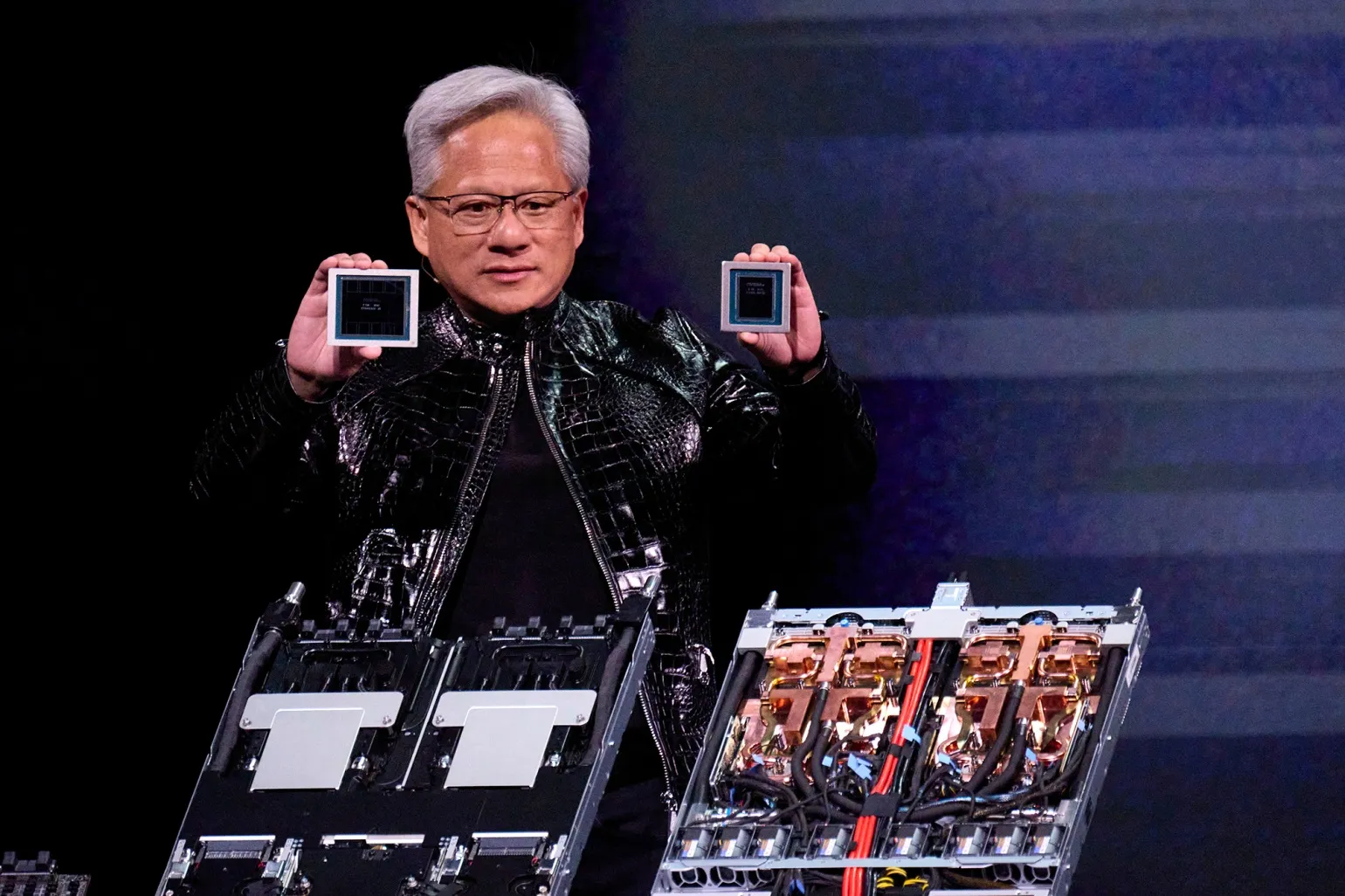
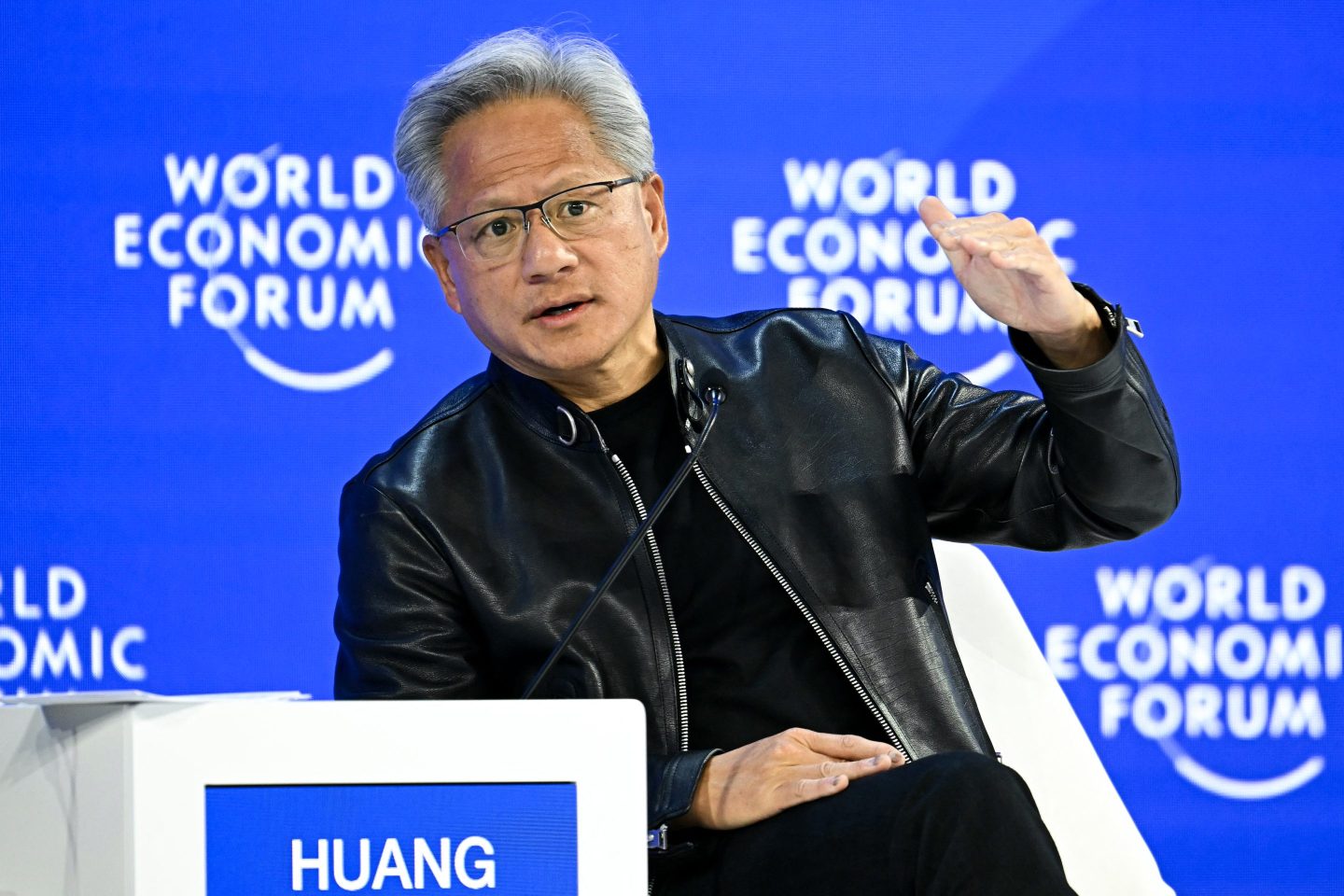
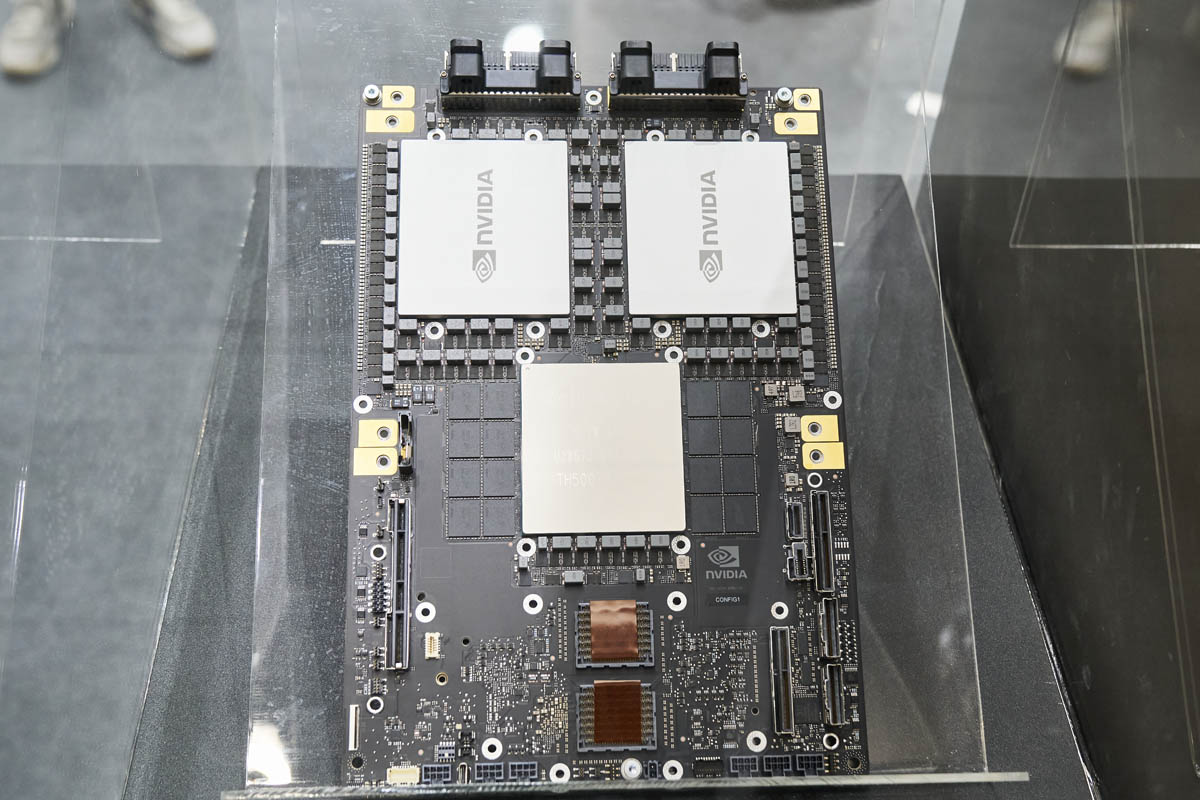
NVIDIA's record fiscal 2026 performance ($215.9B annual revenue, +65% YoY) marks a critical inflection point for e-commerce sellers seeking to deploy AI-powered automation tools. The company's Q4 revenue of $68.1B (+73% YoY) was driven by Data Center segment growth of $62.3B (+75% YoY), fueled by enterprise adoption of AI agents and accelerated computing. CEO Jensen Huang explicitly stated "the agentic AI inflection point has arrived," signaling exponential growth in computing demand. Most critically for sellers: NVIDIA unveiled the Vera Rubin platform with six new chips delivering up to 10x reduction in inference token costs compared to Blackwell, with deployment across AWS, Google Cloud, Microsoft Azure, and Oracle Cloud Infrastructure beginning immediately.
This cost reduction directly translates to affordable AI tools for cross-border sellers. The 10x inference cost reduction means AI-powered product research, dynamic pricing, demand forecasting, and customer service automation will become economically viable for mid-market sellers (those with 500-5,000 SKUs) by Q2-Q3 2026. Currently, sellers deploying ChatGPT API or Claude for listing optimization pay $0.50-2.00 per product analysis; Vera Rubin-powered tools could reduce this to $0.05-0.20 per analysis, enabling batch processing of entire catalogs weekly instead of monthly. NVIDIA's Q1 FY2027 guidance of $78.0B revenue (±$2B) with 74.9% GAAP gross margins indicates sustained infrastructure investment, meaning cloud providers will aggressively price AI services to capture market share, benefiting sellers through competitive SaaS pricing.
The strategic partnerships announced—Meta, AWS, Anthropic, CoreWeave—signal rapid commercialization of AI tools targeting e-commerce use cases. Meta's large-scale Blackwell/Rubin deployment suggests Facebook/Instagram advertising AI will improve targeting and ROI prediction for sellers. AWS's expanded collaboration indicates Amazon will likely launch enhanced AI tools in Seller Central (inventory forecasting, repricing automation, review sentiment analysis) leveraging Vera Rubin infrastructure by mid-2026. The muted stock market reaction (only +0.2% despite blockbuster results) reflects investor concerns about AI valuation sustainability, but this actually benefits sellers: it signals cloud providers will compete aggressively on pricing rather than maximizing margins, making enterprise-grade AI tools accessible to smaller sellers. For sellers, the immediate opportunity is positioning for Q2-Q3 2026 when Vera Rubin-powered SaaS tools launch, enabling 30-50% improvement in pricing accuracy, 20-35% reduction in excess inventory, and 25-40% improvement in customer service response times through automation.
Questions 8
How will NVIDIA's Vera Rubin 10x cost reduction impact AI tool pricing for e-commerce sellers?
NVIDIA's Vera Rubin platform reduces inference token costs by 10x compared to Blackwell, meaning AI-powered tools that currently cost $0.50-2.00 per product analysis will drop to $0.05-0.20 by Q2-Q3 2026. This enables sellers to process entire catalogs (500-5,000 SKUs) weekly for dynamic pricing, demand forecasting, and listing optimization instead of monthly sampling. AWS, Google Cloud, and Microsoft Azure will deploy Vera Rubin instances immediately, triggering competitive pricing wars that benefit sellers through lower SaaS subscription costs. Sellers should expect AI tool pricing to drop 40-60% within 12 months as cloud providers compete for market share.
When will Amazon Seller Central launch AI-powered inventory and pricing tools using Vera Rubin?
NVIDIA's partnerships with AWS and Meta suggest Amazon will integrate Vera Rubin-powered AI into Seller Central by Q2-Q3 2026. The company's expanded collaboration with AWS indicates accelerated AI infrastructure buildout specifically for e-commerce use cases. Sellers should monitor Seller Central announcements starting March 2026 for new AI features in inventory management, dynamic repricing, and demand forecasting. Early adopters who test these tools in Q2 2026 will gain 30-50% pricing accuracy improvements and 20-35% inventory optimization advantages over competitors still using manual methods.