


Chiefs Offensive Line Faces Critical Injury Challenge in High-Stakes Game
- Sudden player exit exposes team's vulnerability and strategic depth management
















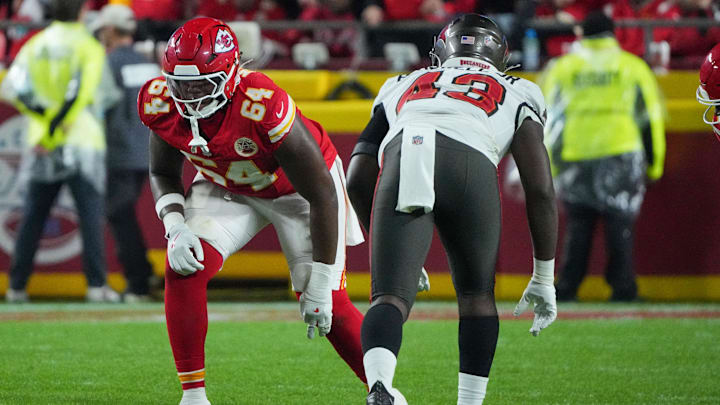

Overview
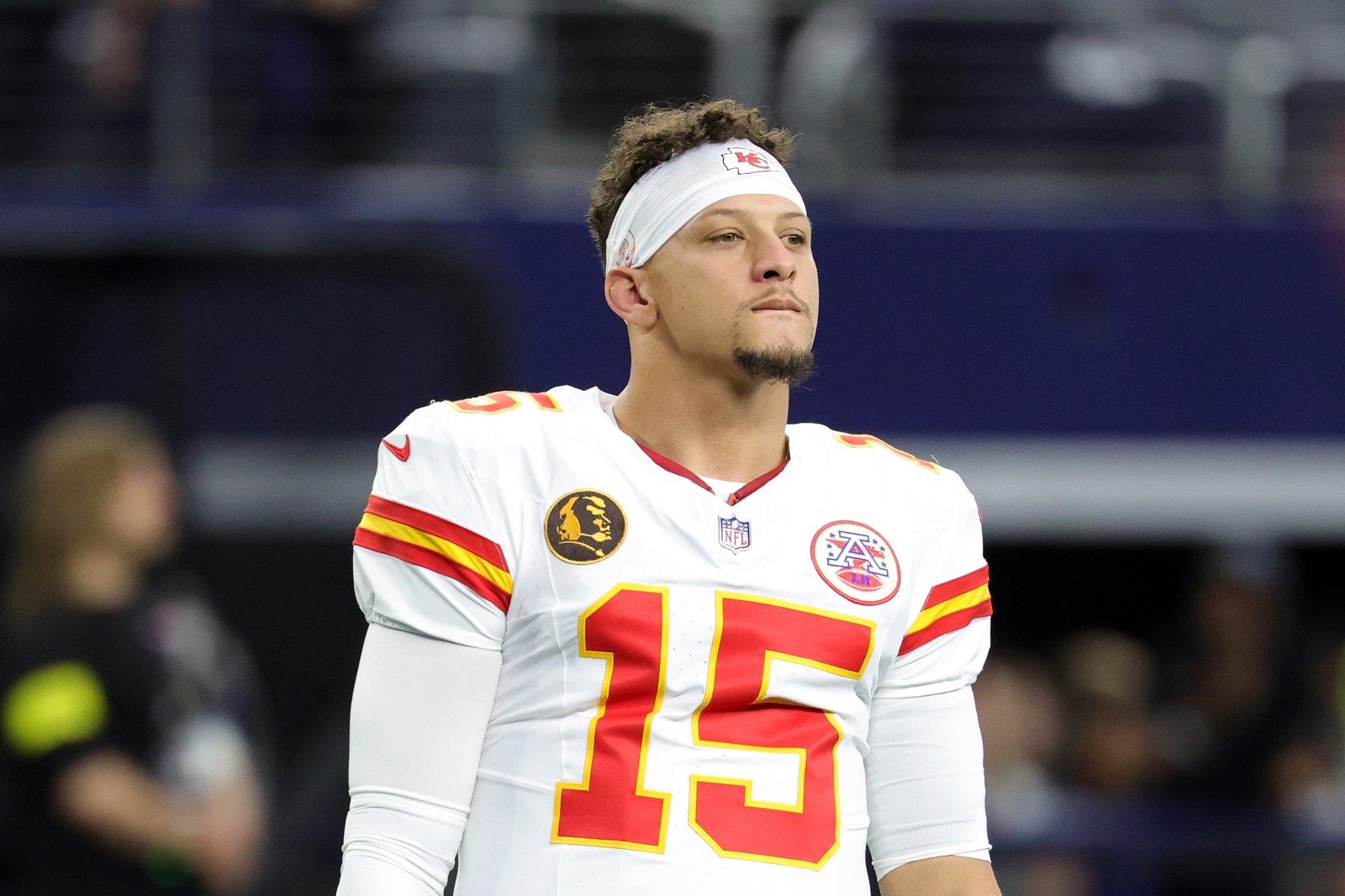
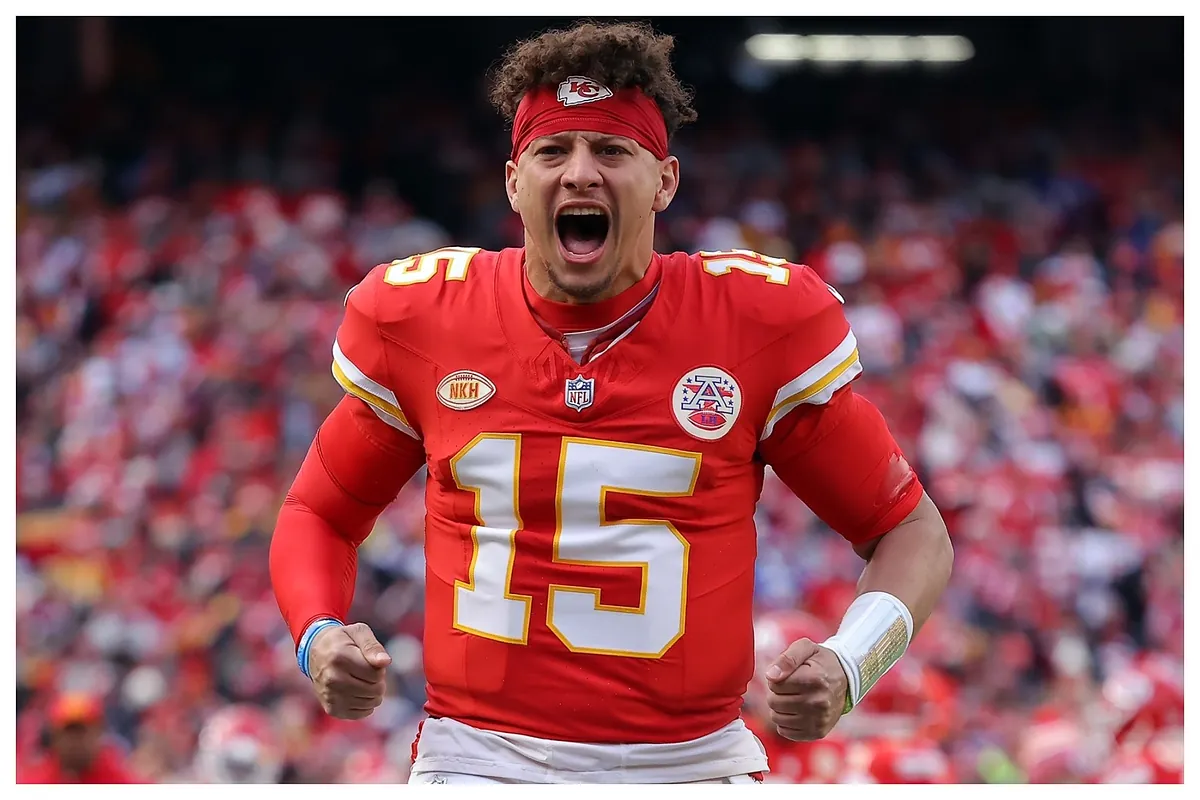
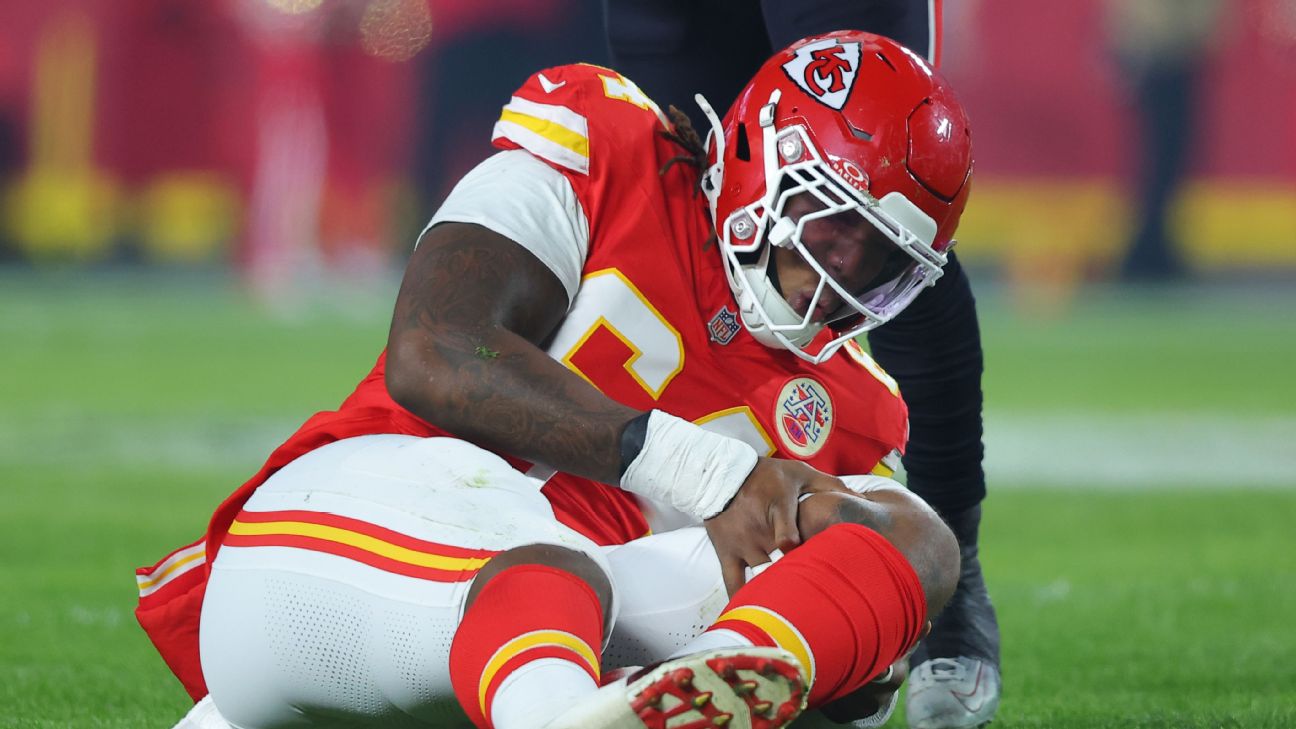
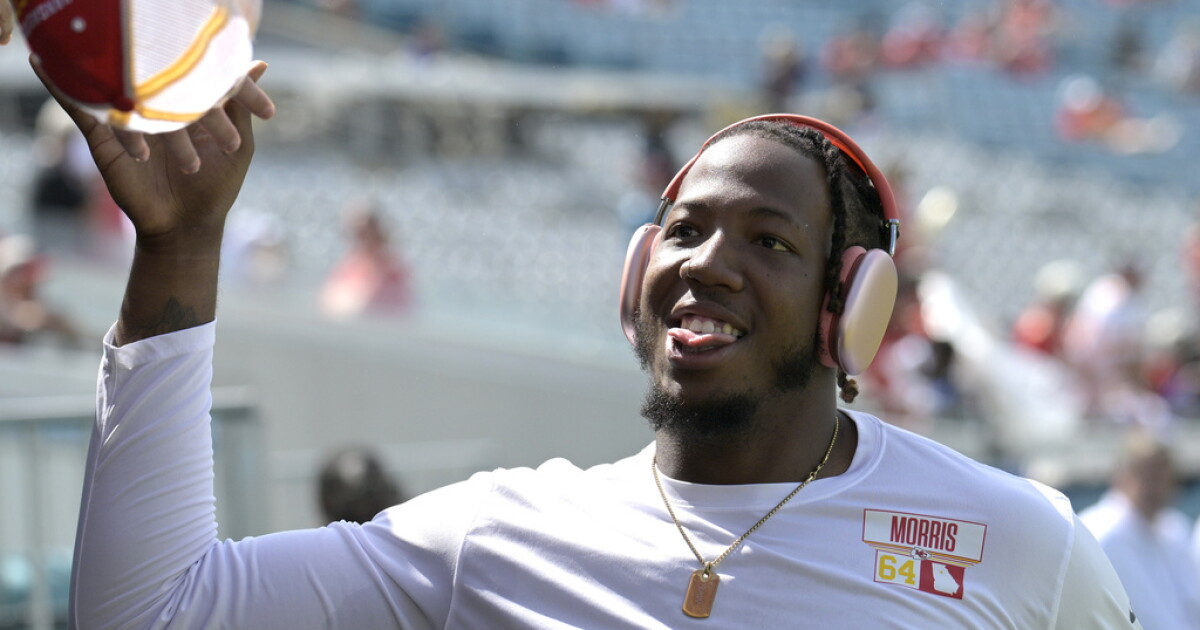
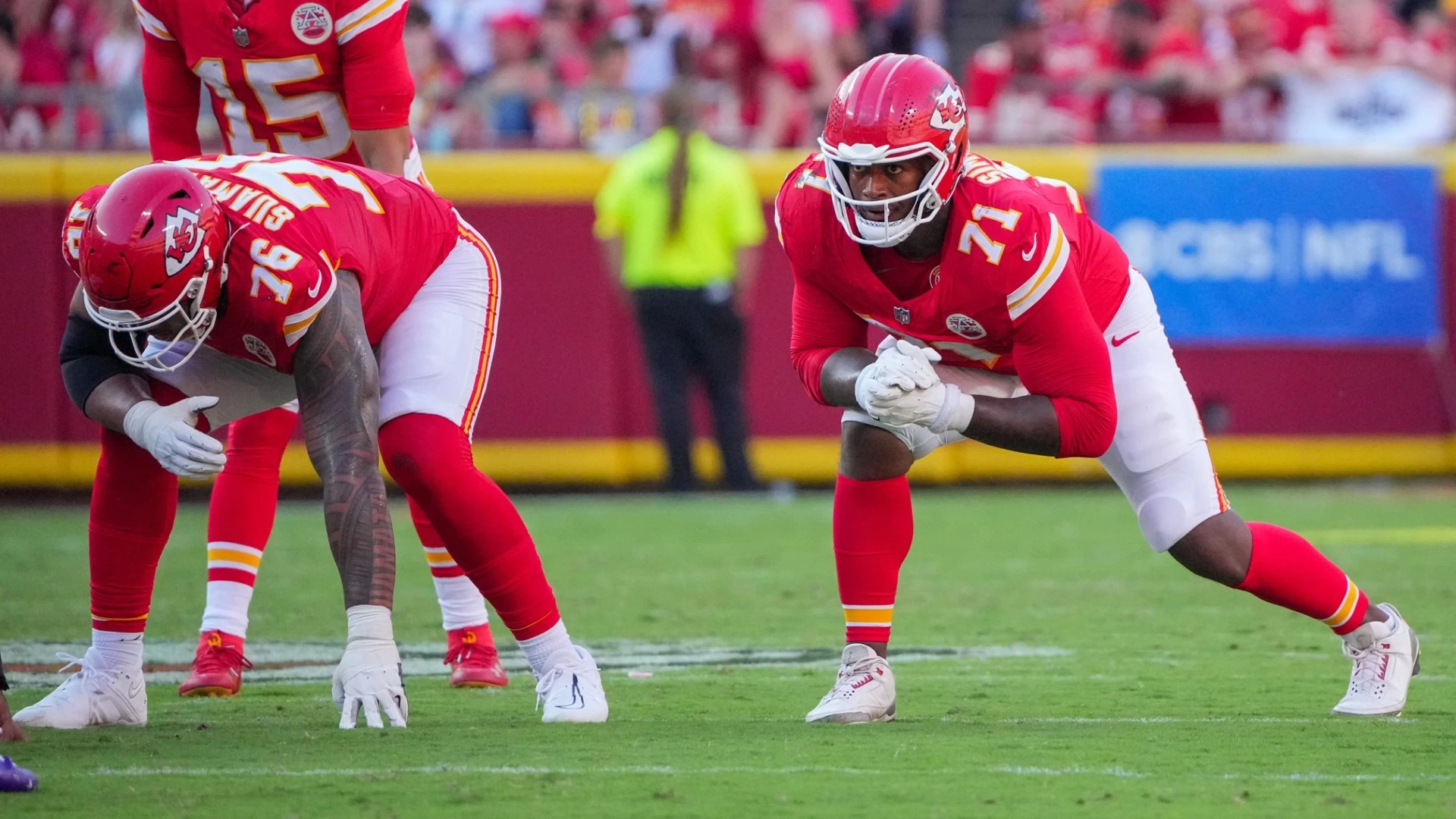
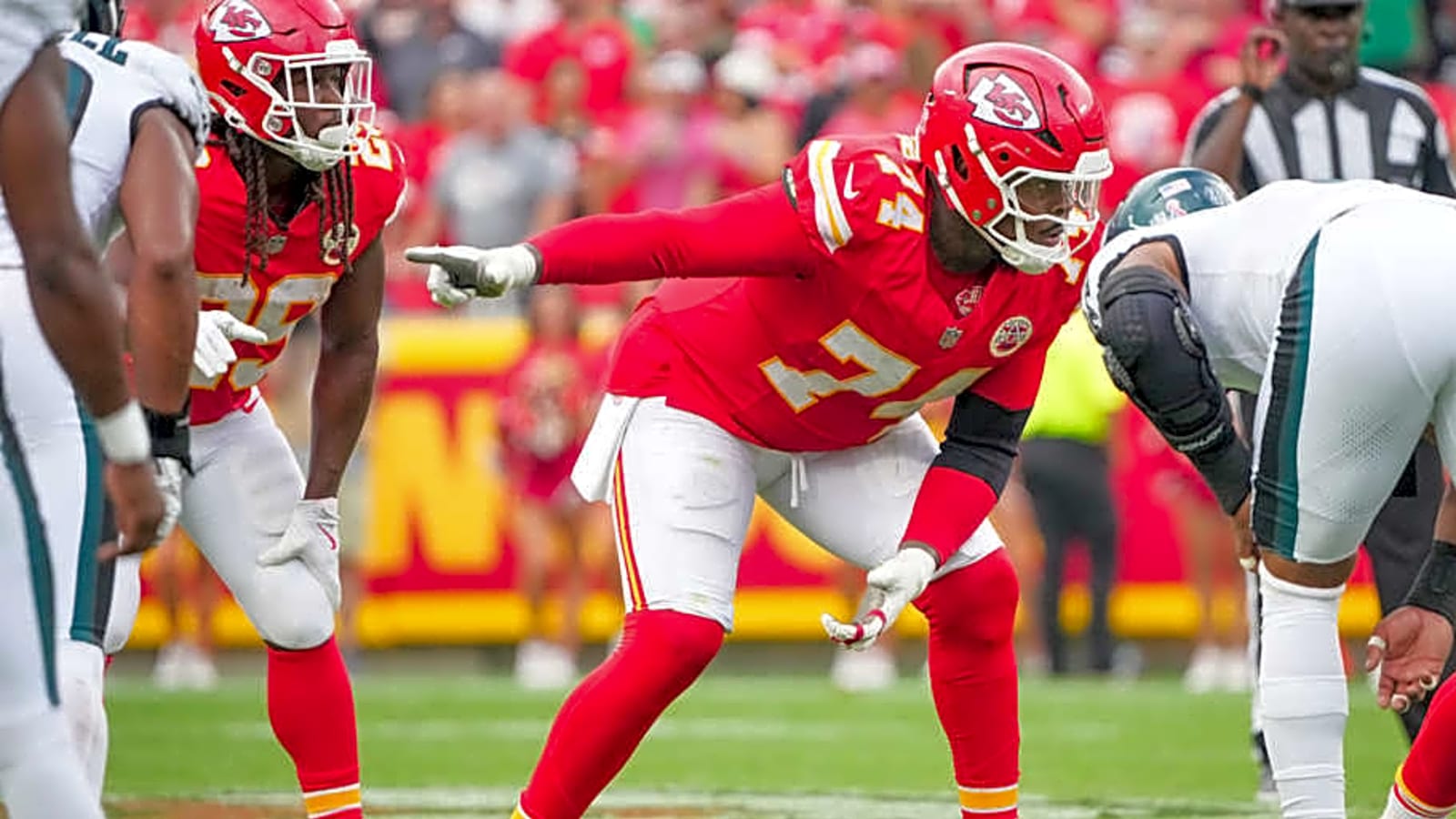
Sports team resilience takes center stage as the Kansas City Chiefs confront a critical challenge with Wanya Morris's unexpected knee injury during a pivotal game against the Houston Texans. The incident, occurring on the first play, represents more than a mere athletic setback—it illuminates the razor-thin margins of professional sports performance and team strategic depth.
Injury Dynamics and Team Vulnerability: Morris's immediate removal from the game, being carted to the locker room unable to put weight on his left leg, signals a potentially significant disruption to the Chiefs' offensive line strategy. This unexpected exit underscores the fragile nature of team composition, where a single player's injury can dramatically alter game dynamics and long-term team performance.
Strategic Implications: The repeated references to "O-line woes" across multiple news reports suggest this is not an isolated incident but part of a broader challenge facing the team's offensive line configuration. Such vulnerabilities can have cascading effects, potentially impacting quarterback protection, running game effectiveness, and overall team offensive capabilities. Professional sports teams must now rapidly adapt, demonstrating the critical importance of bench depth and rapid strategic recalibration.
Broader Context of Athletic Resilience: While the immediate focus is on Morris's injury, the underlying narrative speaks to the broader athletic ecosystem—where split-second physical challenges can transform team strategies. The Chiefs' response to this setback will be crucial, testing their organizational adaptability and reserve strength in high-pressure competitive environments.
The incident serves as a powerful reminder of the unpredictable nature of professional sports, where preparation, depth, and rapid adaptation are not just advantages, but absolute necessities for sustained competitive excellence.
Questions 3
How serious is Wanya Morris's knee injury for the Chiefs?
The injury appears significant, with Morris being carted off the field on the first play and unable to put weight on his left leg. This suggests a potentially serious condition that could impact the team's offensive line strategy and overall game performance.
What are the immediate implications of Morris's injury?
The injury exposes the Chiefs' offensive line vulnerability and forces immediate strategic recalibration. The team will need to quickly adjust their lineup, potentially bringing in backup players and redesigning offensive protection schemes.