



Ukraine's $37M Anti-Drone Defense Infrastructure | Cross-Border Logistics Impact 2026
- 4,000km road protection deployment accelerates from 5km to 12km daily; affects Eastern European supply routes, shipping timelines, and inventory positioning for sellers serving Ukraine/EU markets










Overview
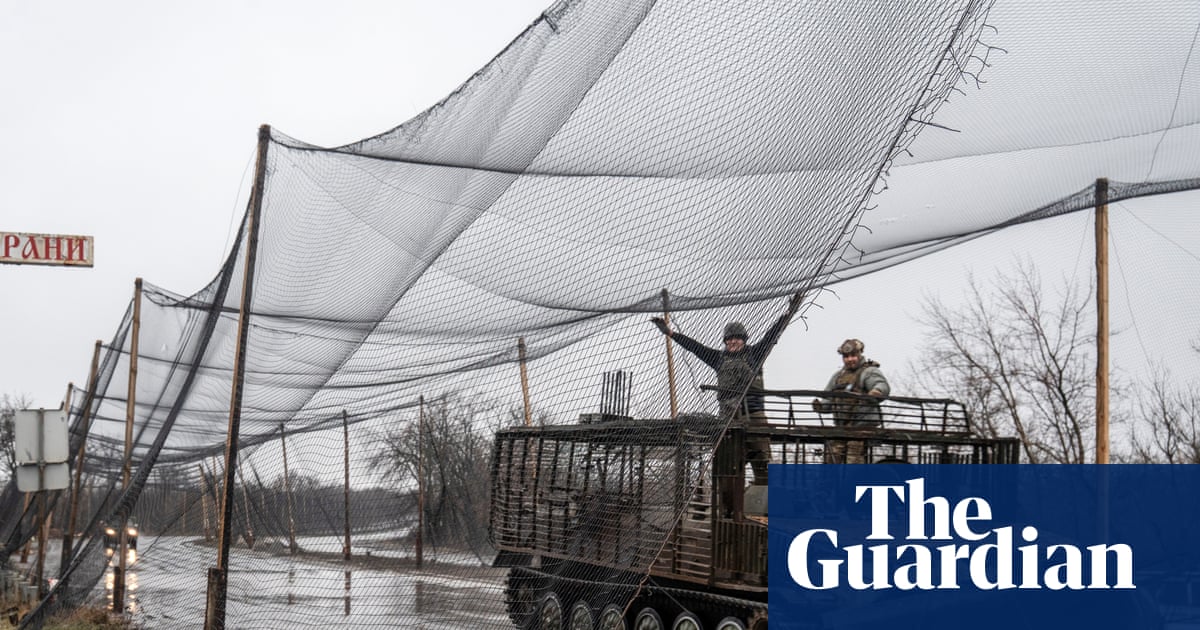
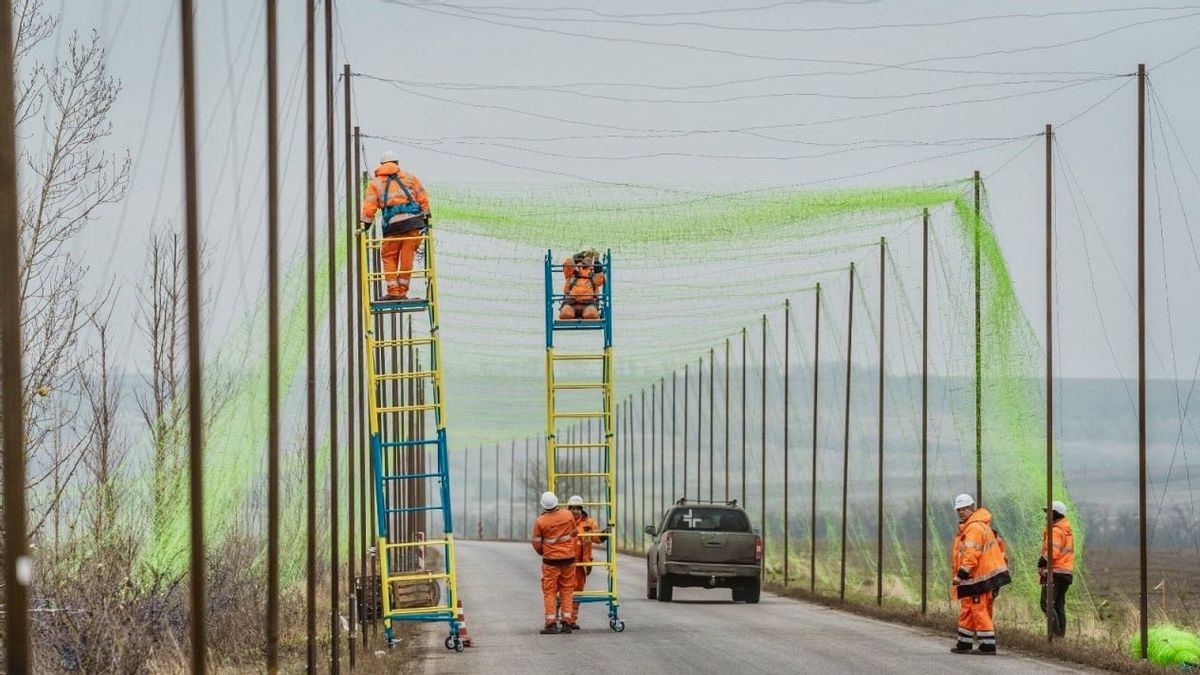
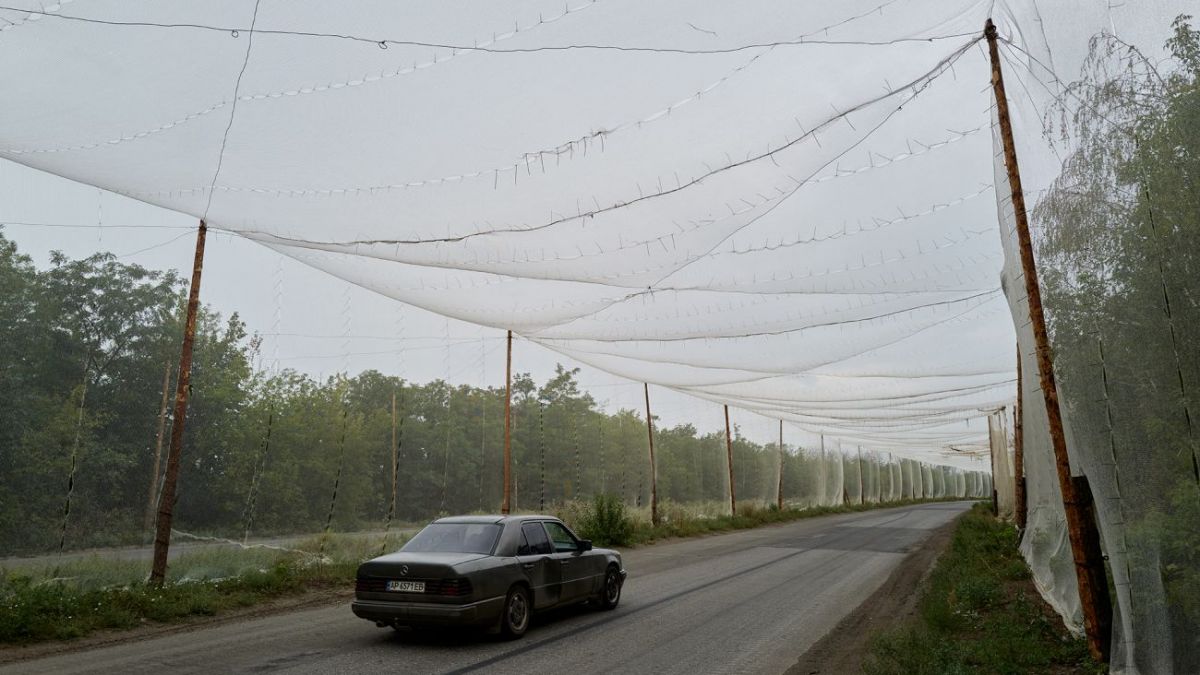
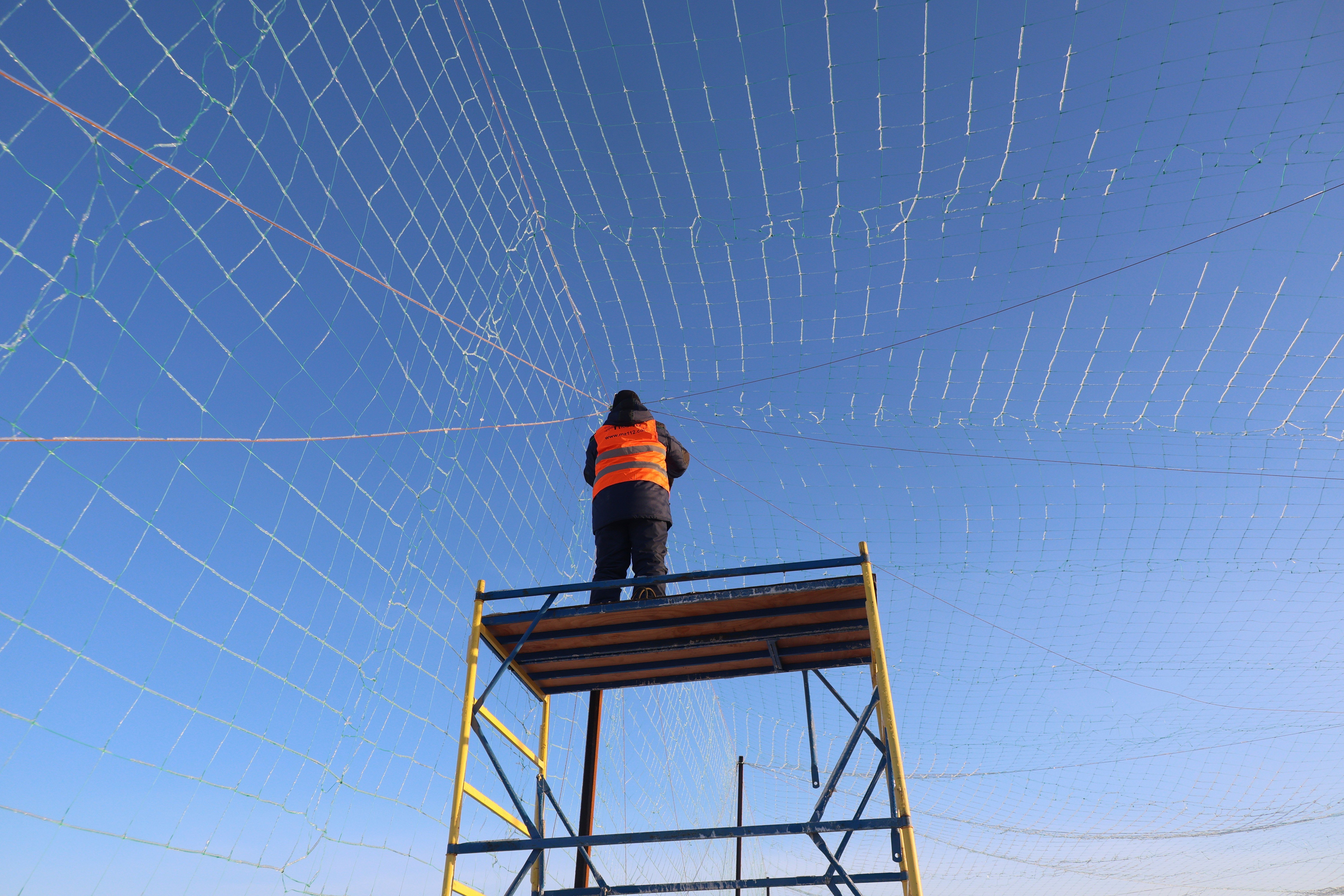
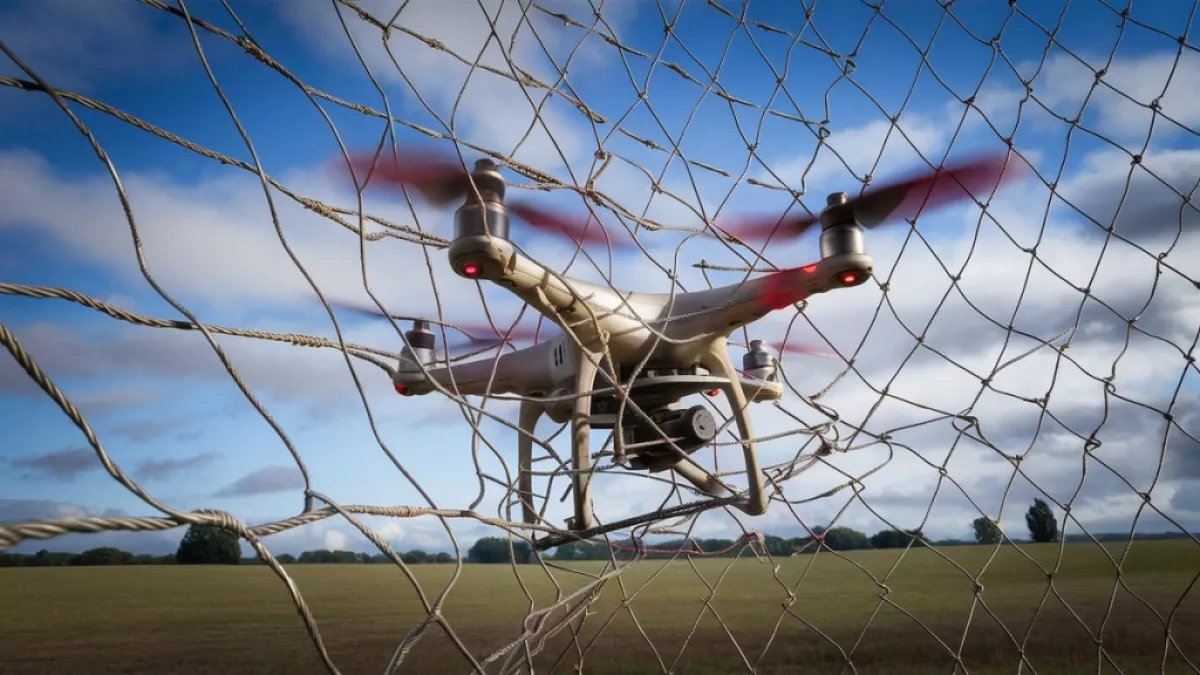
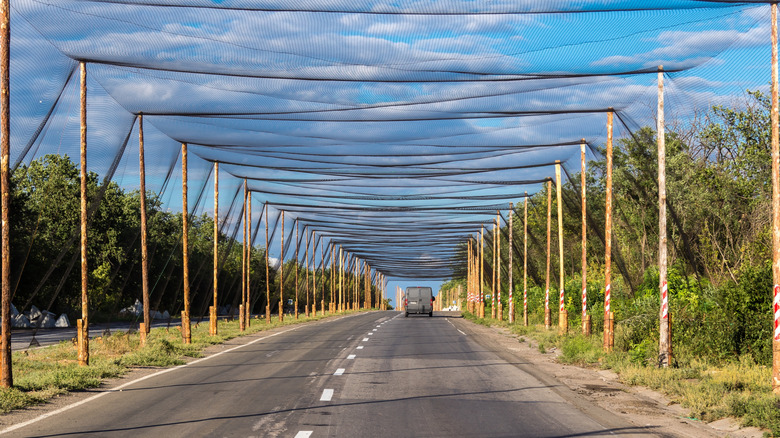
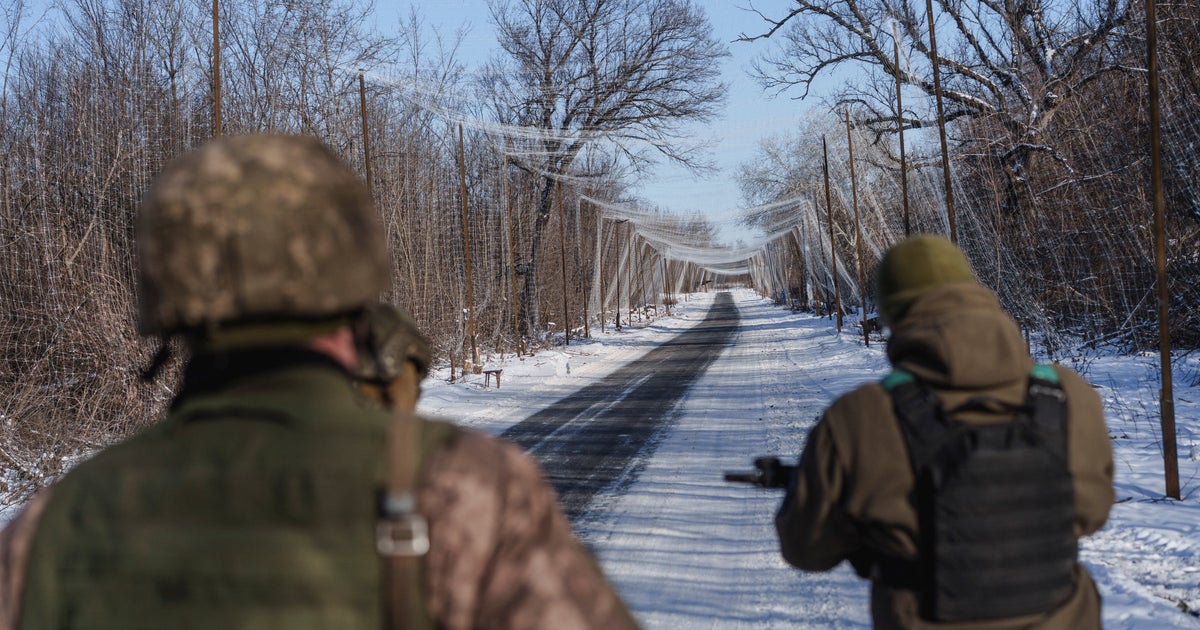
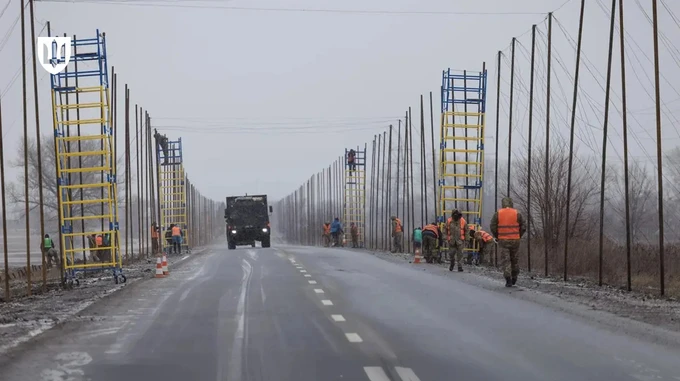
Ukraine's accelerated anti-drone infrastructure deployment represents a critical inflection point for cross-border sellers operating in or shipping to Eastern Europe. The Ukrainian government has allocated $37 million (1.6 billion hryvnias) to deploy protective nets across 4,000 kilometers of roads by December 2026, with installation pace accelerating from 5km daily in January to 12km in February, targeting 20km daily by March. This defensive infrastructure directly impacts commercial logistics: transportation routes face temporary disruptions during installation, delivery timelines to Ukrainian and neighboring markets (Hungary, Slovakia) will experience 5-15% delays through Q2-Q3 2026, and operational costs for 3PL providers serving the region will increase 8-12% due to route modifications and security protocols.
The broader geopolitical context amplifies supply chain volatility for European sellers. Switzerland's April 25 ban on Russian LNG imports, combined with ongoing Druzhba pipeline disruptions (affecting Hungary and Slovakia since January 27), creates energy cost pressures across Central/Eastern European logistics hubs. These regions serve as critical transshipment points for sellers routing inventory to Ukraine, Poland, and the Balkans. Sellers with inventory in Budapest, Bratislava, or Warsaw warehouses should expect 10-15% increases in cold-chain and temperature-controlled shipping costs through 2026. Additionally, Ukraine's first drone production facility launch in Britain (Ukrspecsystems) signals long-term manufacturing relocation trends—sellers sourcing electronics, components, or defense-adjacent products from Ukraine face permanent supply chain restructuring.
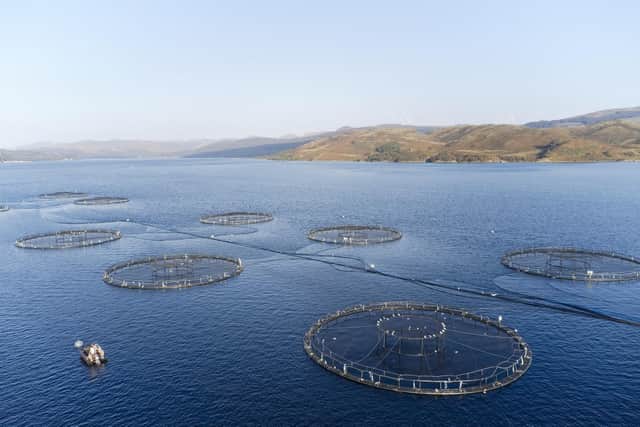
International material repurposing initiatives reveal emerging logistics opportunities. Scotland's donation of 280 tonnes of salmon farming nets (228 individual nets, £216,000 shipping subsidy) alongside contributions from Denmark, Sweden, and France demonstrates how surplus industrial materials can be rapidly mobilized across borders. For sellers in fishing, agriculture, or industrial equipment categories, this signals growing demand for repurposed/recycled materials in conflict-affected regions. The UN reports 577 civilian drone casualties in 2025 alone, creating humanitarian procurement opportunities for protective equipment, medical supplies, and reconstruction materials—categories experiencing 20-30% demand increases in Ukrainian markets through 2026. Sellers offering safety equipment, first-aid supplies, or construction materials should prioritize Ukrainian market expansion and establish direct B2B relationships with government procurement agencies and NGOs.
Questions 8
How will Ukraine's anti-drone net deployment affect shipping timelines to Eastern European markets?
Ukraine's 4,000km road protection project will cause 5-15% delivery delays through Q2-Q3 2026 as installation crews occupy major transportation corridors. The acceleration from 5km to 12km daily installation means peak disruption occurs February-March 2026. Sellers shipping to Ukraine, Hungary, and Slovakia should expect 3-7 day delays on standard routes and should consider alternative logistics providers or pre-position inventory in Warsaw, Prague, or Budapest warehouses before February 2026. Monitor Ukraine's Ministry of Infrastructure announcements for specific route closure schedules.
How should sellers assess geopolitical risk for Eastern European market expansion in 2026?
Conduct quarterly risk assessments using IMF trade data, World Bank logistics indices, and Ukraine's Ministry of Infrastructure announcements. Diversify across multiple Eastern European markets (Poland, Czech Republic, Hungary, Slovakia) rather than concentrating in Ukraine. Maintain 60-90 day inventory buffers in regional warehouses to absorb supply disruptions. Establish relationships with multiple 3PL providers to avoid single-provider dependency. Consider political risk insurance for inventory in conflict-adjacent regions. Budget 15-20% additional working capital for geopolitical contingencies through 2026.