





Brazil's Rule of Law Strengthens | Market Confidence Signals for Cross-Border Sellers
- 8-year investigation concludes with convictions of high-level politicians; signals institutional credibility improvements for Brazil-focused e-commerce operations and regional market expansion





















Overview
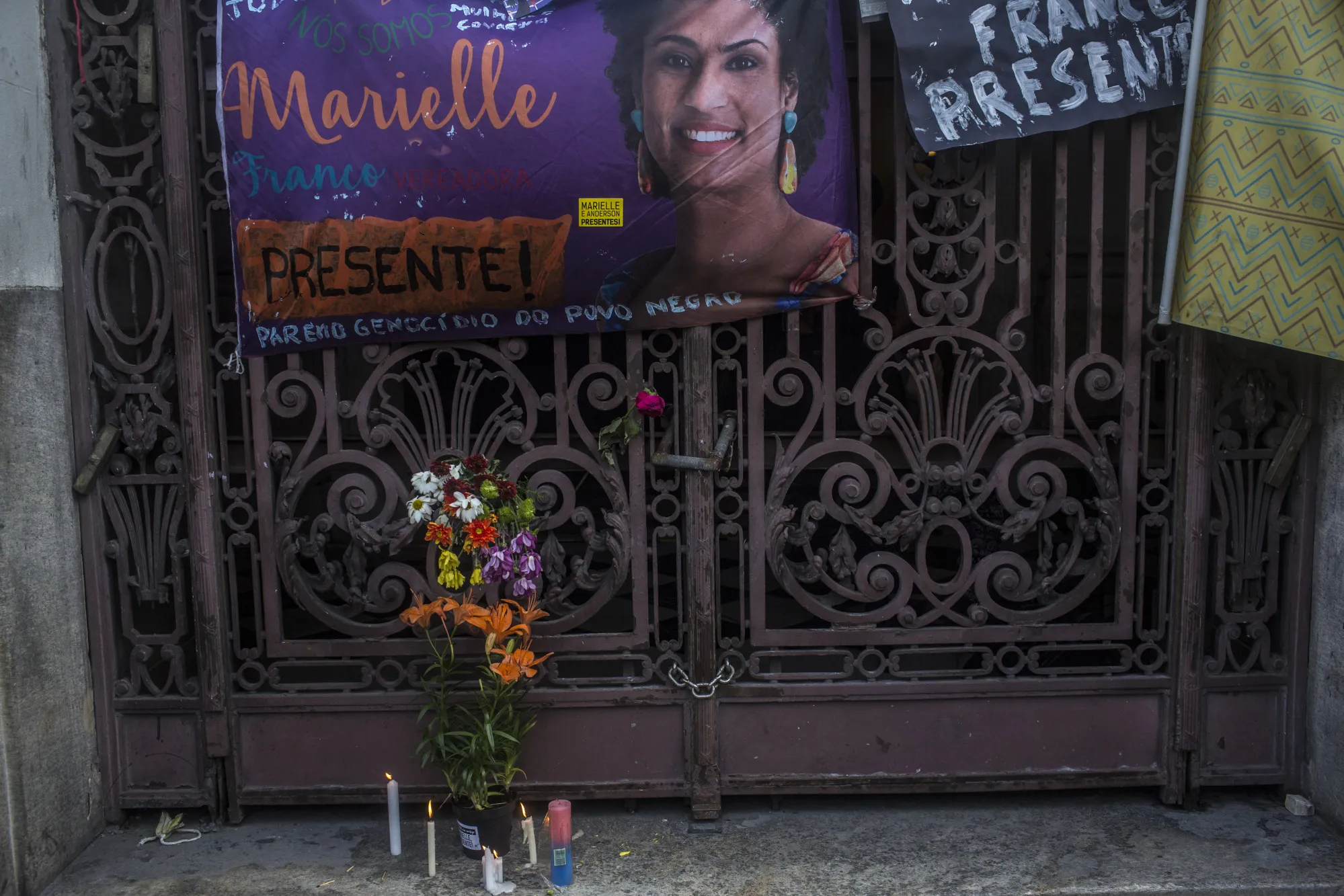
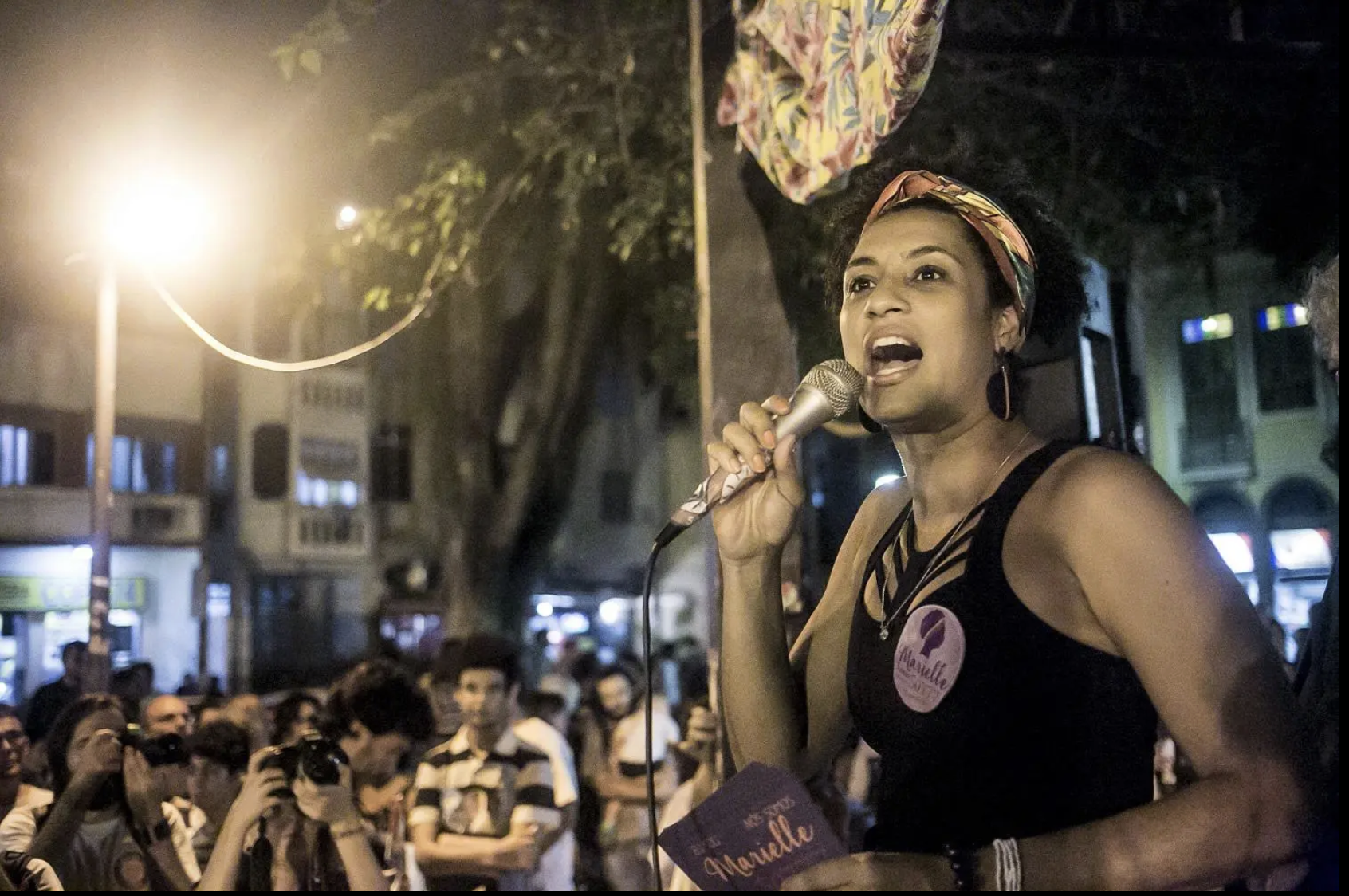
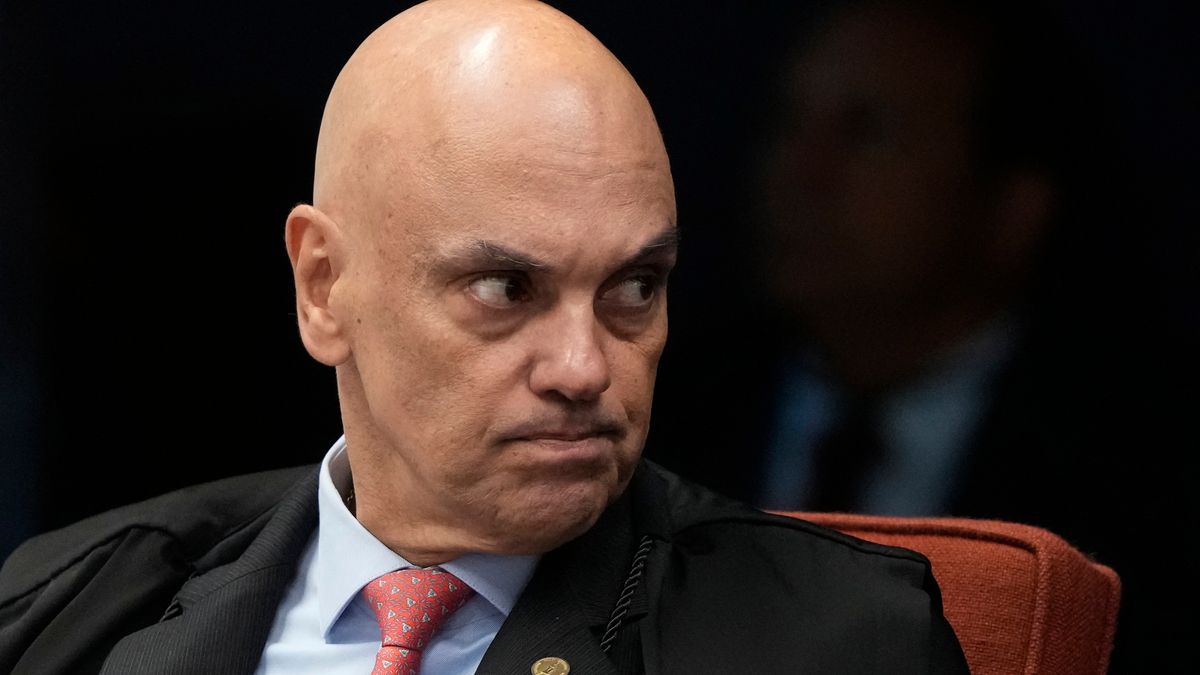
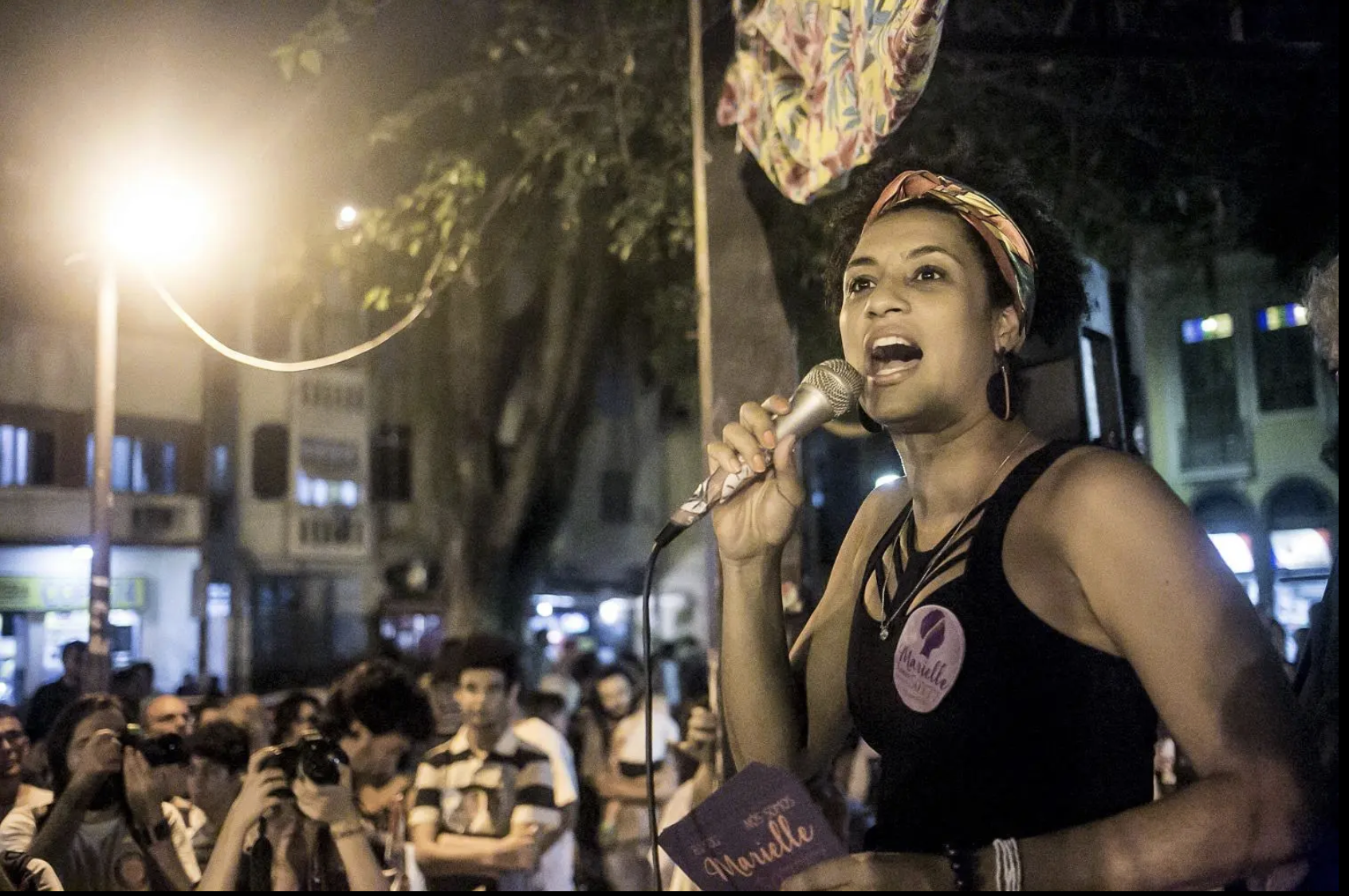
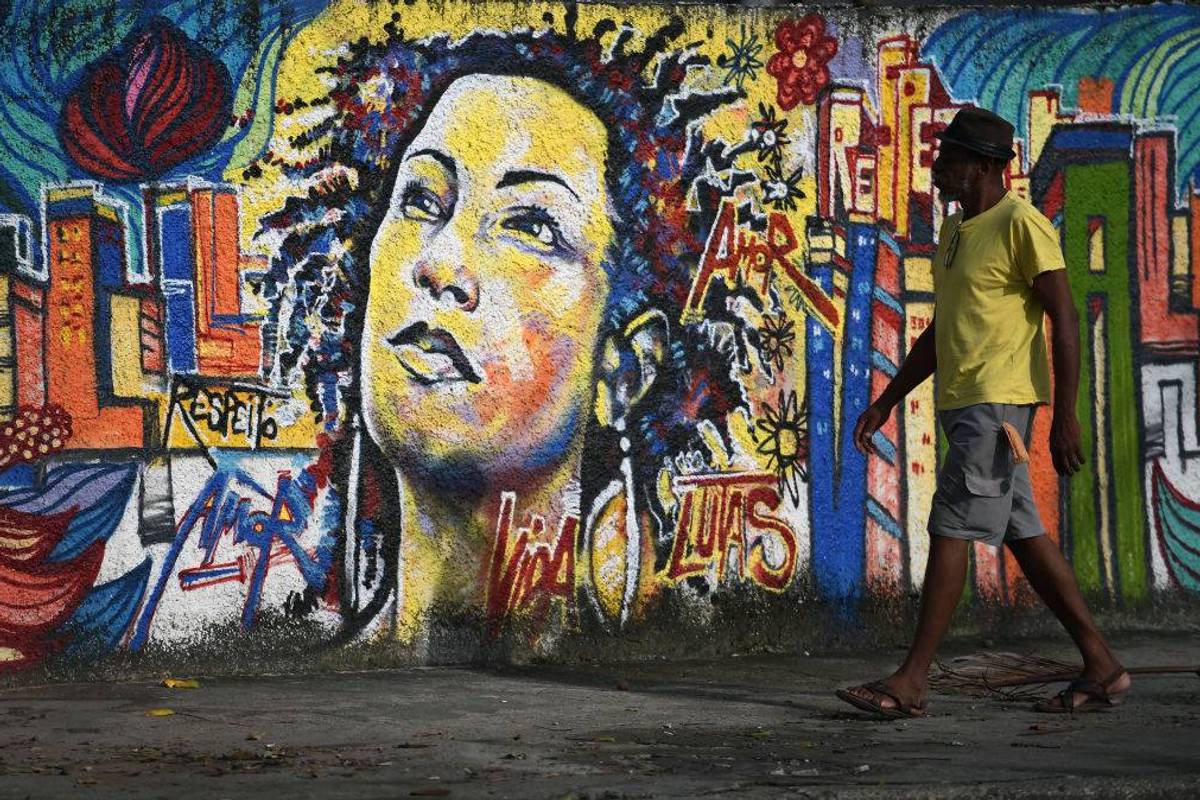
Brazil's Supreme Court conviction of former congressman Domingos Brazão, his brother João Francisco Brazão, and former Rio Police Chief Rivaldo Barbosa in the 2018 assassination of Marielle Franco represents a critical institutional milestone with indirect but meaningful implications for cross-border e-commerce sellers operating in or targeting Brazil. The case, which concluded after an 8-year investigation marked by delays during the Bolsonaro administration (2019-2022) and accelerated progress under President Lula (2023-present), demonstrates Brazil's judicial system's capacity to prosecute high-level political corruption and organized crime connections. Each Brazão brother received sentences exceeding 76 years; former police officers Ronnie Lessa and Élcio de Queiroz received 78+ and 59+ year sentences respectively. Justice Alexandre de Moraes explicitly characterized the crime as politically motivated, targeting Franco's investigation into paramilitary gang connections to police and politicians.
Market Confidence & Institutional Credibility Impact: For e-commerce sellers, this conviction signals strengthened rule of law and institutional accountability in Brazil—a $50B+ e-commerce market representing 8-10% of Latin America's total digital commerce. Political stability, transparent judicial processes, and demonstrated prosecution of corruption directly influence foreign investment confidence, regulatory predictability, and payment system reliability. Brazil's conviction of sitting and former officials (including a police chief) demonstrates institutional independence from political interference, a critical factor for sellers evaluating market entry risk. The case reveals ongoing challenges with paramilitary influence in Rio de Janeiro specifically, where organized crime connections to real estate development and political structures remain active—relevant for sellers managing logistics networks, warehouse operations, or last-mile delivery partnerships in the region.
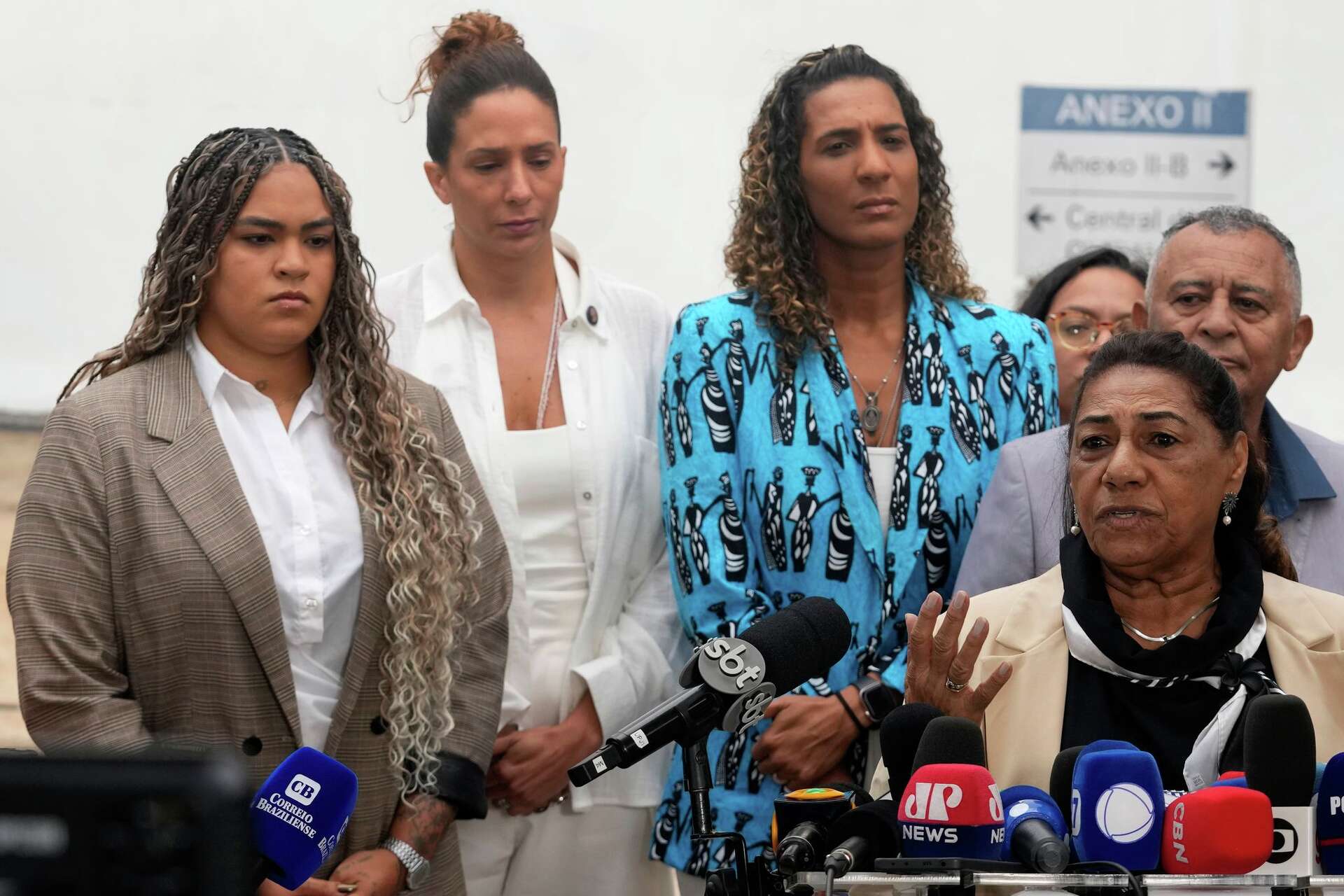
Regulatory Environment & Compliance Implications: The conviction follows recent arrests of other Rio politicians with alleged paramilitary ties (state representative TH Joias for gun trafficking; Rio State House President Rodrigo Bacellar for impeding investigations), indicating a broader anti-corruption enforcement wave under the Lula administration. This trend suggests strengthened regulatory oversight and compliance expectations across Brazilian government institutions. For sellers, this translates to more predictable regulatory environments, reduced corruption-related business disruptions, and clearer enforcement of commercial law. Franco's sister, Anielle Franco, now serves as Brazil's Minister for Racial Equality, positioning diversity and anti-corruption priorities within government—potentially influencing labor standards, workplace compliance, and supplier diversity requirements for companies operating in Brazil.
Consumer Market Signals: The case highlights Brazil's complex social dynamics around race, gender, and economic inequality. Franco's opposition to housing developments benefiting militia groups reflects broader tensions in Rio's poorer neighborhoods—areas representing significant e-commerce consumer segments. The conviction may signal government commitment to addressing informal economy structures and organized crime, potentially improving payment system security, reducing fraud risks, and stabilizing logistics networks in previously high-risk regions. Sellers targeting lower-income Brazilian consumers should monitor ongoing anti-corruption enforcement as it may improve market transparency and reduce informal sector competition.
Questions 8
What timeline should sellers expect for Brazil market improvements from this conviction?
Institutional improvements typically materialize over 12-24 months following major anti-corruption convictions. Sellers should expect: (1) immediate improvements in regulatory predictability and judicial enforcement clarity (0-3 months); (2) gradual strengthening of payment system security and fraud prevention (3-6 months); (3) potential new compliance requirements from Lula administration regulatory initiatives (6-12 months); (4) measurable improvements in logistics security and organized crime reduction in Rio de Janeiro (12-24 months). Short-term sellers should focus on compliance optimization and risk assessment. Medium-term sellers (6-12 months) can increase market investment as regulatory clarity improves. Long-term sellers (18+ months) should benefit from significantly improved market stability and reduced corruption-related business disruptions. Monitor government announcements and regulatory changes quarterly to track progress.
How does this conviction affect Amazon FBA and other platform operations in Brazil?
The conviction strengthens institutional credibility for major e-commerce platforms operating in Brazil, including Amazon, Mercado Livre, and Shopify-powered sellers. Improved rule of law and anti-corruption enforcement reduce regulatory uncertainty and support platform expansion. Amazon FBA sellers in Brazil should expect more predictable customs procedures, clearer tax compliance requirements, and more transparent regulatory enforcement. The government's demonstrated commitment to prosecuting corruption suggests that platform policy compliance will be enforced consistently. Sellers should ensure their Amazon Seller Central accounts maintain full compliance with Brazilian tax requirements, import regulations, and consumer protection laws. The conviction may also accelerate government digitalization initiatives, potentially creating new compliance reporting requirements but also improving logistics infrastructure and payment system reliability for platform sellers.