


Spanish Historical Declassification Drives Niche Collectibles & Documentary Content Demand
- 153 declassified documents spark 45-year-old historical event merchandise opportunities; sellers can capitalize on documentary content, collectibles, and educational materials targeting Spanish history enthusiasts and international audiences





























Overview
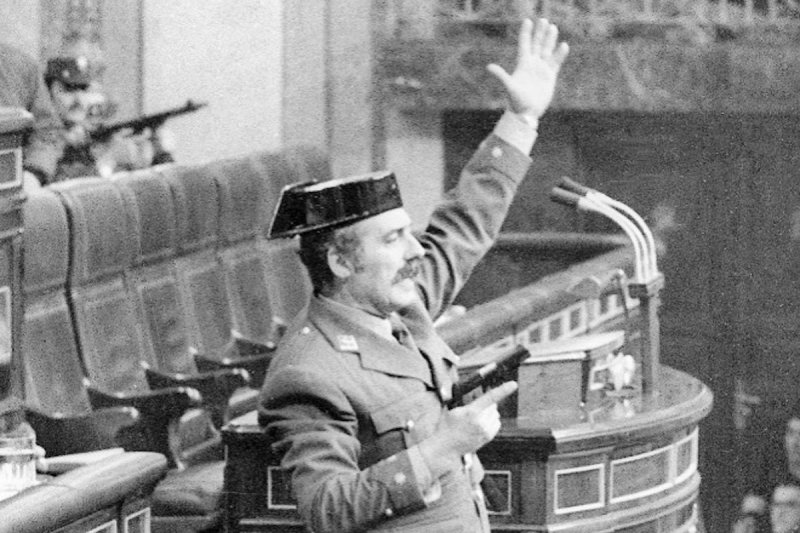
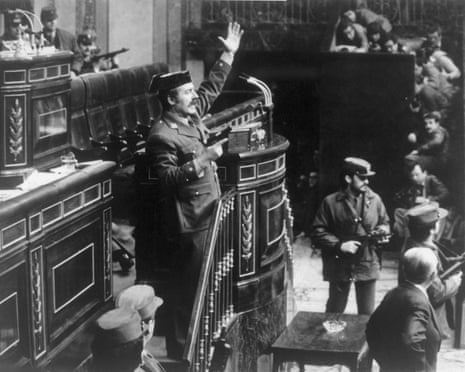
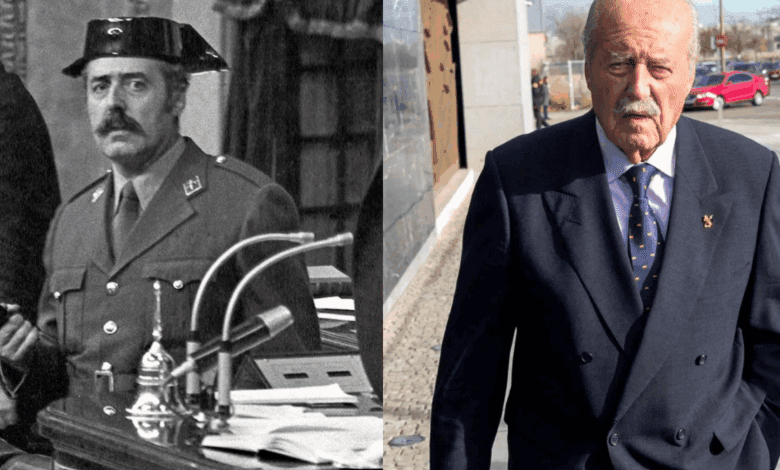
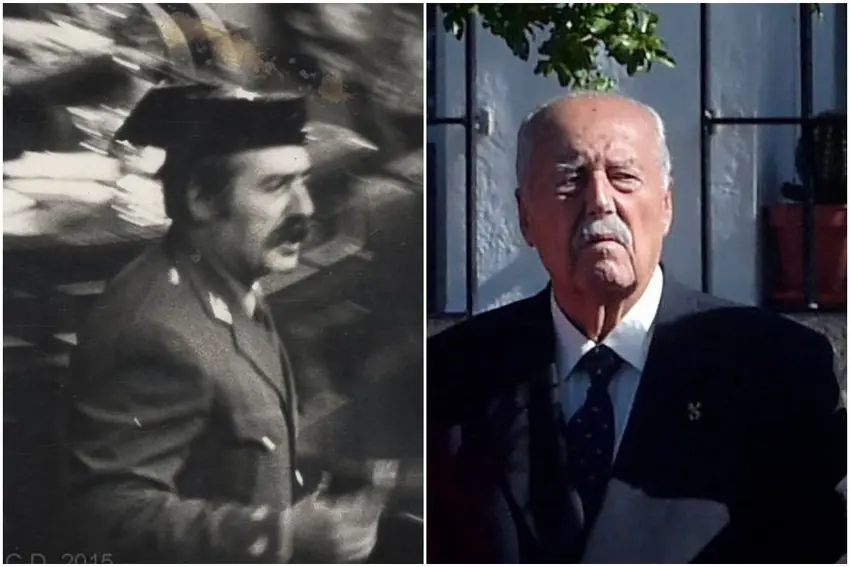
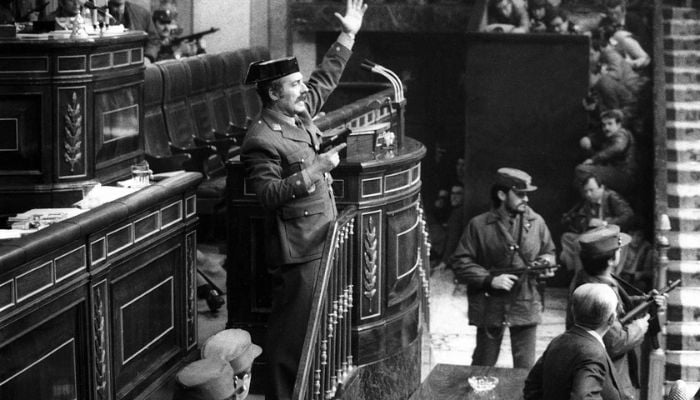
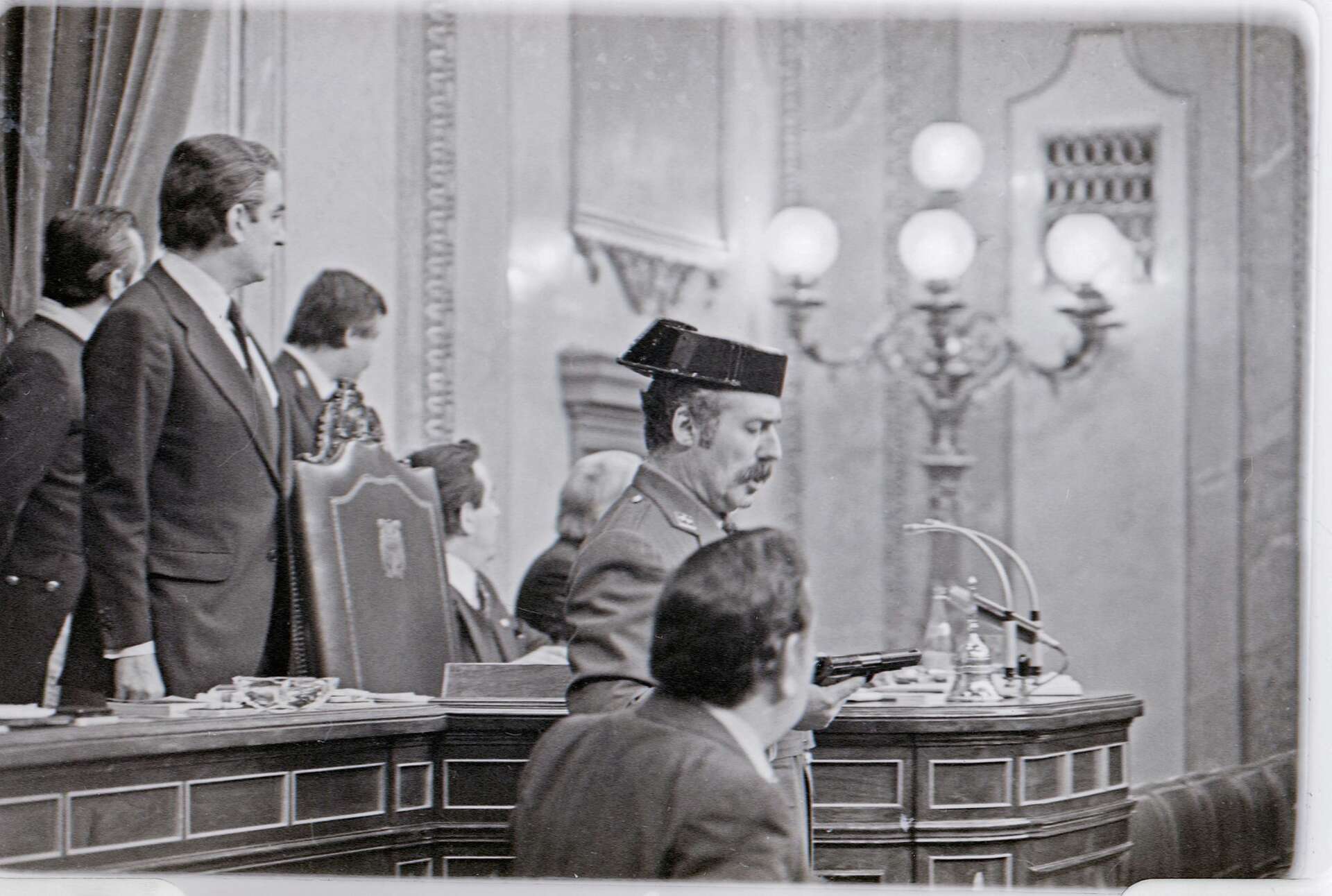
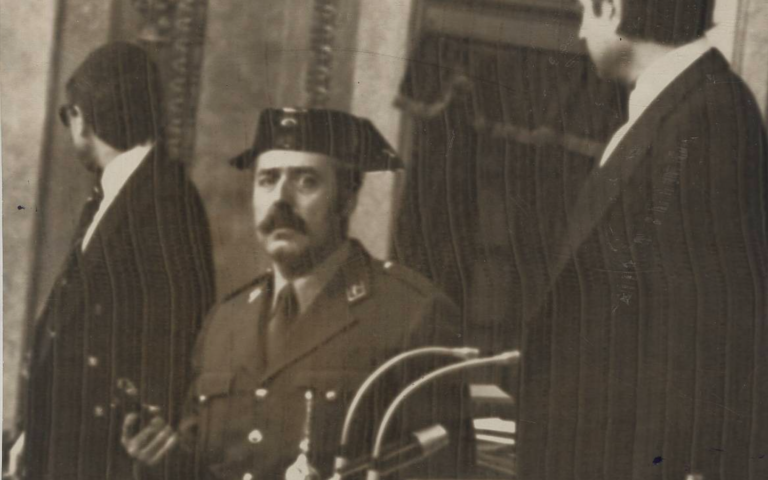
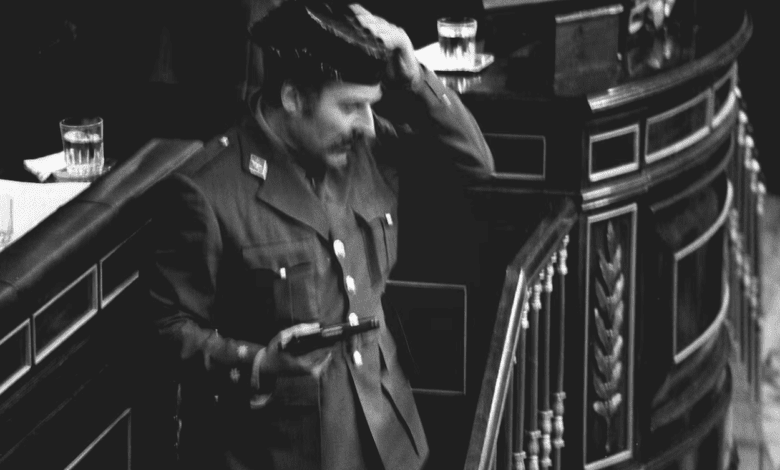
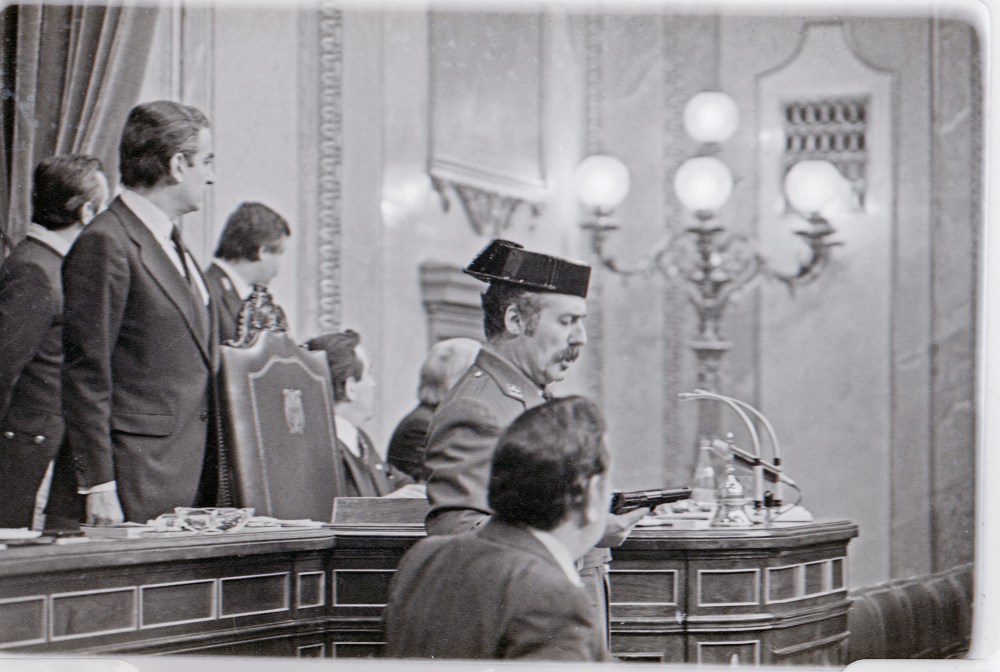
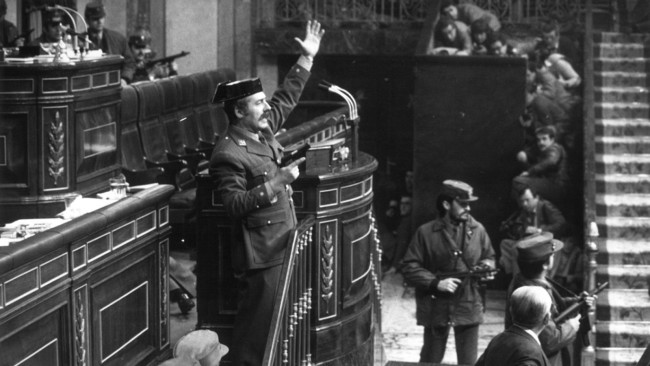
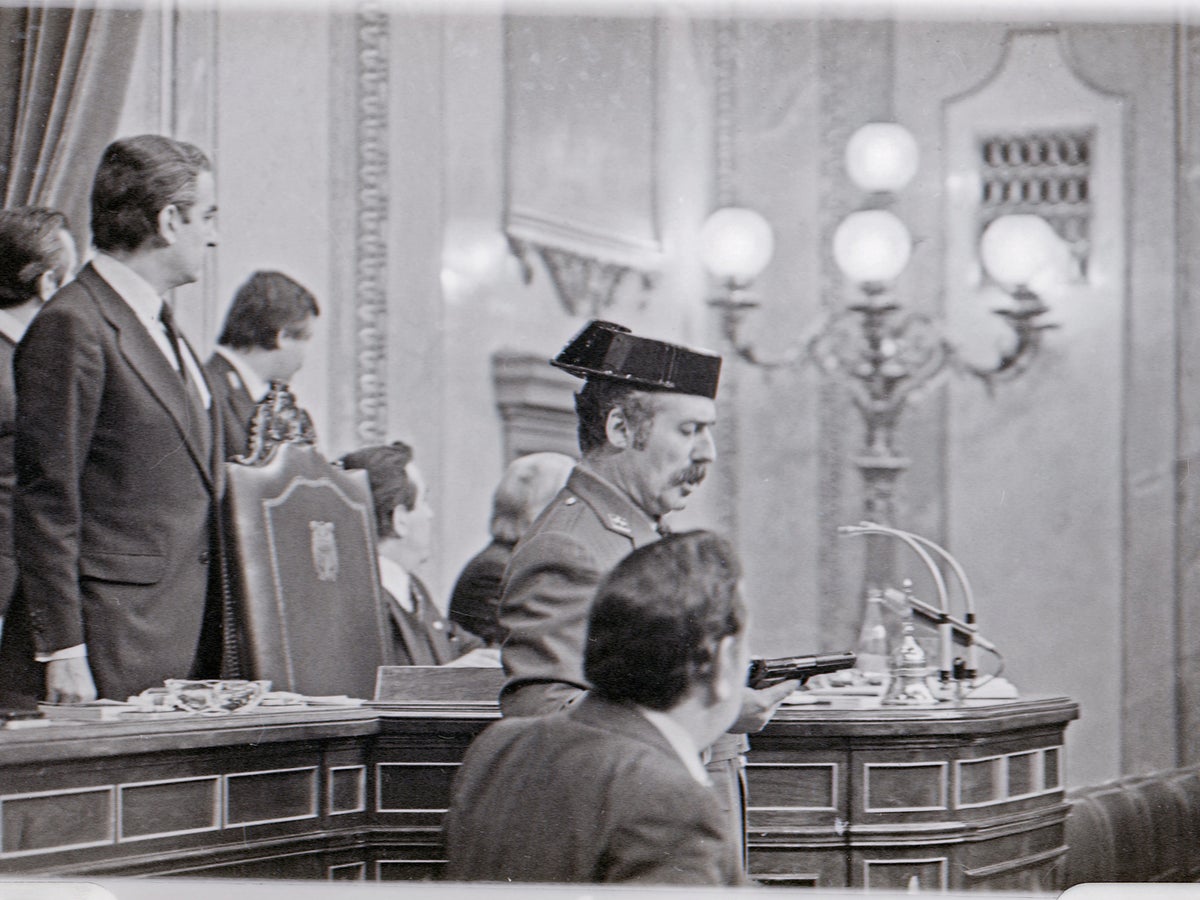
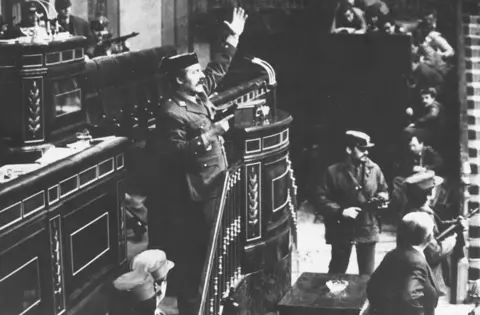
Spain's February 26, 2026 declassification of 153 government documents related to the failed 1981 coup attempt (23-F) represents a significant historical transparency initiative with indirect but meaningful implications for cross-border e-commerce sellers. The event, which coincided with the death of coup leader Antonio Tejero at age 93, has generated renewed global media attention and public interest in Spanish political history—creating emerging opportunities in niche product categories.
Product Category Opportunities: The declassification has already generated substantial media coverage across The New York Times, BBC, and international outlets, signaling renewed consumer interest in Spanish history content. Sellers can capitalize on this momentum through: (1) Documentary and educational materials about the 1981 coup and Spain's democratic transition; (2) Historical collectibles including reproductions of declassified documents, period photographs, and memorabilia; (3) Books and academic publications analyzing the coup attempt and its historical significance; (4) Streaming content and digital documentaries targeting history enthusiasts and educational institutions. The 45-year span since the original event means this represents a generational rediscovery opportunity—younger audiences discovering Spanish history for the first time, while older demographics revisit formative national events.
Consumer Behavior Insights: The news demonstrates strong demand signals for historical content and transparency-driven narratives. The fact that the coup generated "45 years of conspiracy theories, books, movies, and television shows" indicates sustained consumer appetite for this content category. The declassification specifically aimed to "dispel conspiracy theories" and promote democratic transparency—messaging that resonates with contemporary audiences interested in institutional accountability and historical truth. This positions sellers well to market educational and documentary content emphasizing factual historical analysis over sensationalism.
Market Context for Spanish Sellers: The declassification occurs within Spain's broader democratic commemoration cycle (50th anniversary of democratic transition celebrated months prior), suggesting sustained institutional and public focus on Spanish history. This creates a favorable environment for sellers targeting Spanish-language markets, European history enthusiasts, and academic institutions. Cross-border sellers shipping to Spain, Portugal, and Latin America can leverage this renewed interest in Spanish historical narratives.
Operational Considerations: The timing of Tejero's death coinciding with document release creates a natural news cycle that will drive search traffic and consumer interest over the coming weeks and months. Sellers should monitor trending searches related to "1981 Spanish coup," "23-F declassified documents," and "Antonio Tejero" to identify emerging demand patterns. The international media coverage (New York Times, BBC) indicates this story has global reach beyond Spain, suggesting opportunities in English-language markets as well.
Questions 8
What compliance and content considerations apply to selling declassified government materials?
Sellers should verify that declassified materials are legally available for commercial distribution in target markets. Spanish government declassification indicates public domain status within Spain and EU, but sellers should confirm copyright status before creating derivative works or reprinting declassified documents. Educational use is typically protected, but commercial distribution requires verification. Sellers should avoid creating content that misrepresents declassified information or perpetuates debunked conspiracy theories—the government's stated goal is to 'dispel conspiracy theories,' so sellers should position products as authoritative historical analysis. For sellers creating original content analyzing declassified materials, ensure factual accuracy and cite official government sources. EU GDPR compliance applies if products contain personal information from declassified files. Sellers should consult with legal advisors regarding copyright, privacy, and commercial use rights before launching products based on declassified government materials.
How does this declassification compare to other historical transparency events for sellers?
Historical declassifications typically generate 6-12 month demand cycles for related educational and collectible products. Similar events (UK government document releases, US historical declassifications) show sustained interest from academic institutions, history enthusiasts, and documentary producers. The Spanish declassification's emphasis on dispelling conspiracy theories and promoting democratic transparency creates particularly strong appeal for educational content. The coincidental timing with Tejero's death extends the news cycle beyond typical document releases. Sellers should expect peak demand in the immediate 2-3 month period following the declassification, with sustained secondary demand from academic institutions and international history markets over 6-12 months.