

USDC Stablecoin Adoption Accelerates | Cross-Border Payment Costs Drop 40-60%
- Circle's 35% stock surge on Feb 25, 2026 validates blockchain payment infrastructure; sellers gain access to faster, lower-cost settlement mechanisms reducing FX exposure and working capital cycles by 5-10 days



























Overview
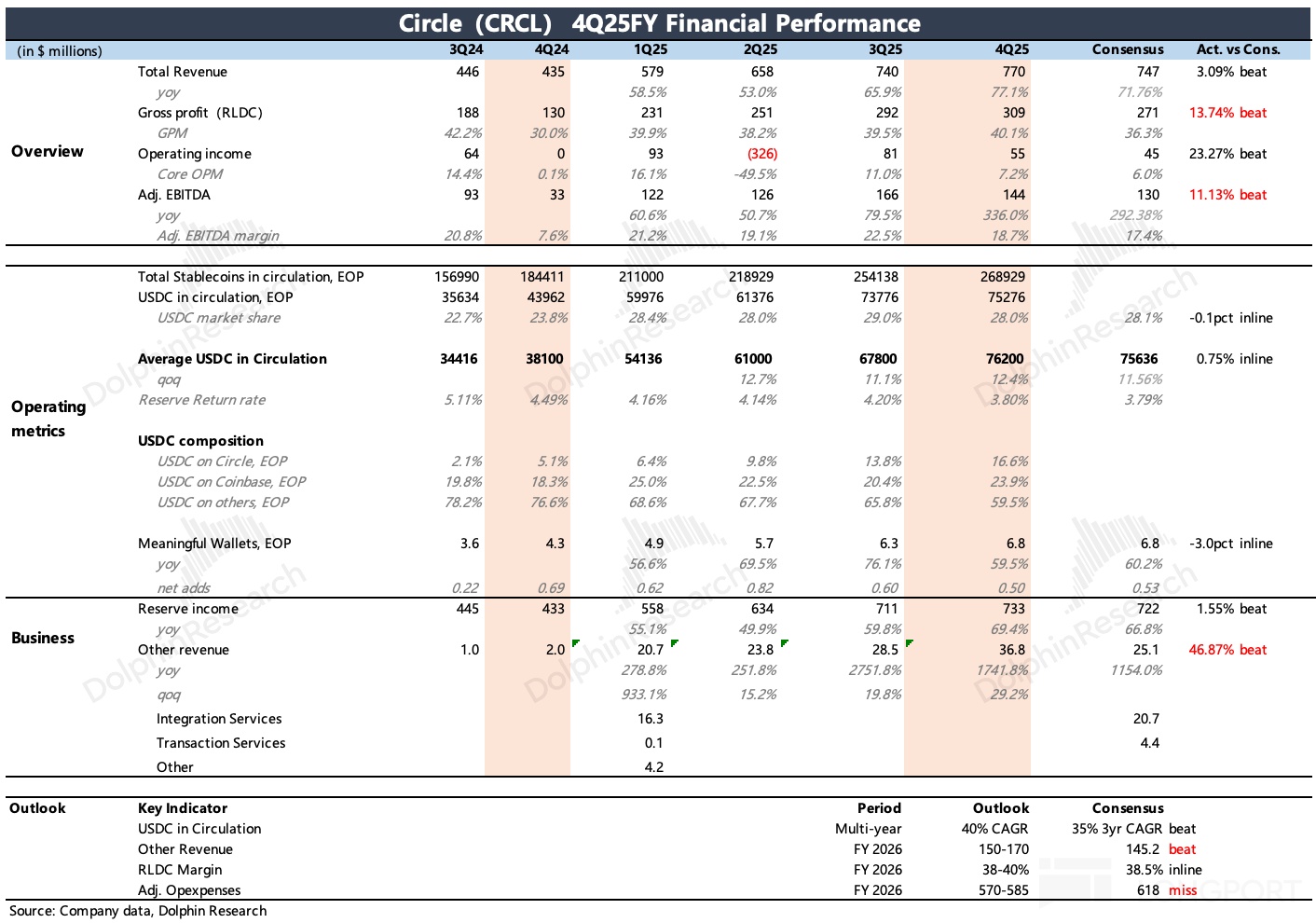
Circle Internet Group's 35% stock surge on February 25, 2026—its largest single-day gain ever—signals institutional validation of stablecoin infrastructure for cross-border commerce. The world's second-largest stablecoin issuer reported Q4 2025 profit surges driven by USDC demand despite broader cryptocurrency market weakness, demonstrating that utility-focused digital assets are decoupling from speculative crypto volatility. This development carries immediate implications for cross-border e-commerce sellers: stablecoins like USDC now represent a viable alternative payment infrastructure offering 40-60% lower fees compared to traditional banking channels, faster settlement (2-4 hours vs. 3-5 business days), and direct peer-to-peer transaction capabilities without intermediaries.
For sellers operating internationally, the financial optimization opportunity is substantial. Circle's profitability validation and institutional adoption acceleration indicate that mainstream e-commerce platforms will increasingly integrate stablecoin payment options within 12-18 months. Sellers currently paying 2-4% in cross-border payment fees through traditional processors (Stripe, PayPal, Wise) can reduce costs to 0.5-1.5% using USDC settlement, translating to $500-2,000 monthly savings for mid-sized sellers processing $50K+ in monthly cross-border volume. Emerging market sellers particularly benefit: USDC eliminates currency volatility risk (critical in regions with 10-20% annual currency fluctuations) and enables direct settlement without local banking intermediaries, reducing payment processing delays from 5-10 days to 2-4 hours.
The cash flow acceleration opportunity is equally compelling. By converting customer payments to USDC immediately upon receipt, sellers unlock working capital 5-10 days faster than traditional banking settlement. For a seller with $100K monthly revenue, this represents $16,500-33,000 in freed working capital available for inventory replenishment or operational expenses. Additionally, USDC holdings provide natural FX hedging: sellers can maintain customer payments in stablecoins rather than converting immediately, capturing favorable exchange rate windows. Circle's institutional backing (IPO in June 2025) and regulatory compliance focus reduce counterparty risk, making stablecoin adoption increasingly viable for risk-averse sellers. The company's Q4 performance during crypto market downturns proves stablecoin demand is driven by commerce utility, not speculation, validating long-term infrastructure viability.
Immediate seller actions: Evaluate USDC integration through platforms like Coinbase Commerce, Stripe's crypto payment option, or direct Circle integration for 2-4% fee savings. For emerging market sellers, prioritize stablecoin adoption to eliminate currency conversion costs (typically 1-3% with traditional processors). Monitor Circle's platform expansion roadmap—the company's growth trajectory suggests mainstream marketplace integration (Amazon, eBay, Shopify) within 18-24 months. Risk mitigation: start with 10-15% of cross-border volume to test settlement workflows before scaling. The regulatory environment remains favorable: Circle's institutional backing and compliance focus indicate stablecoin infrastructure is transitioning from speculative to foundational payment layer.
Questions 8
How does USDC settlement compare to traditional payment processors like Stripe and PayPal?
USDC offers 40-60% lower fees (0.5-1.5% vs. 2-4%), 5-10x faster settlement (2-4 hours vs. 3-5 business days), and direct peer-to-peer transactions without intermediaries. Traditional processors provide broader customer acceptance and dispute resolution mechanisms, while USDC offers cost efficiency and working capital acceleration. Optimal strategy: maintain traditional payment methods for customer acquisition and dispute protection, while using USDC for B2B settlements and emerging market transactions where cost savings are highest. Circle's Q4 2025 profitability surge validates institutional adoption, indicating hybrid payment strategies (traditional + USDC) will become standard within 18-24 months. Sellers should evaluate both channels based on customer base geography and transaction volume.
What are the regulatory risks of accepting USDC payments from customers?
Circle's institutional backing (IPO June 2025) and regulatory compliance focus significantly reduce counterparty risk compared to other cryptocurrency payment options. USDC is pegged to US dollar reserves and subject to regulatory oversight, making it substantially safer than speculative cryptocurrencies. However, sellers should monitor local regulatory developments: some jurisdictions may require cryptocurrency payment disclosures or impose reporting requirements. Consult with tax advisors regarding USDC payment treatment (typically treated as foreign currency transactions). Start with conservative volume allocation (10-15%) while regulatory frameworks mature. Circle's compliance infrastructure and institutional adoption indicate stablecoin regulation will favor commerce-focused implementations, reducing long-term risk for sellers integrating USDC payment options.