




AI Chip Competition Reshapes E-Commerce Infrastructure Costs | Sellers Gain from AMD-Nvidia-Intel Battle
- Meta's $100B AMD deal signals GPU market disruption; cloud infrastructure costs could drop 8-15% by Q4 2026, benefiting 2M+ e-commerce sellers relying on AI-powered tools





/Advanced%20Micro%20Devices%20Inc_%20office%20sign-by%20Poetra_RH%20via%20Shutterstock.jpg)




Overview
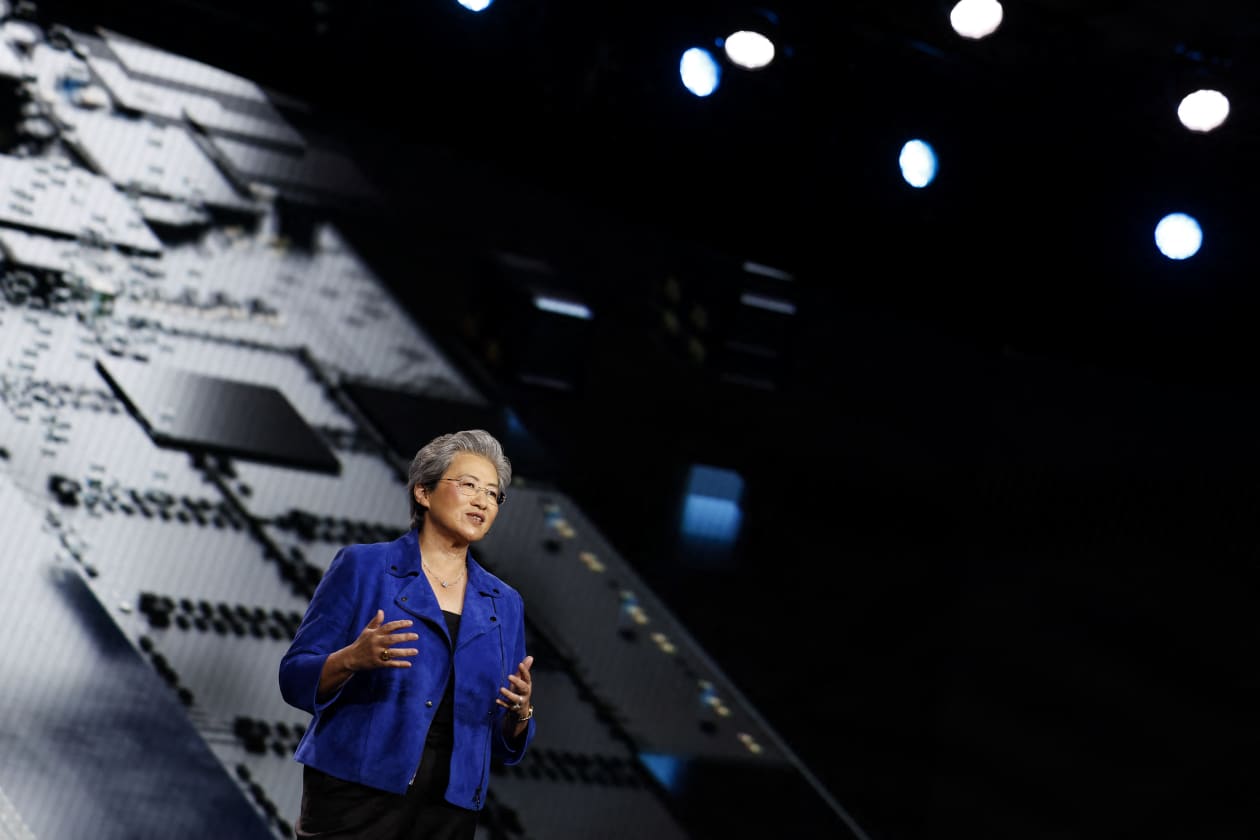
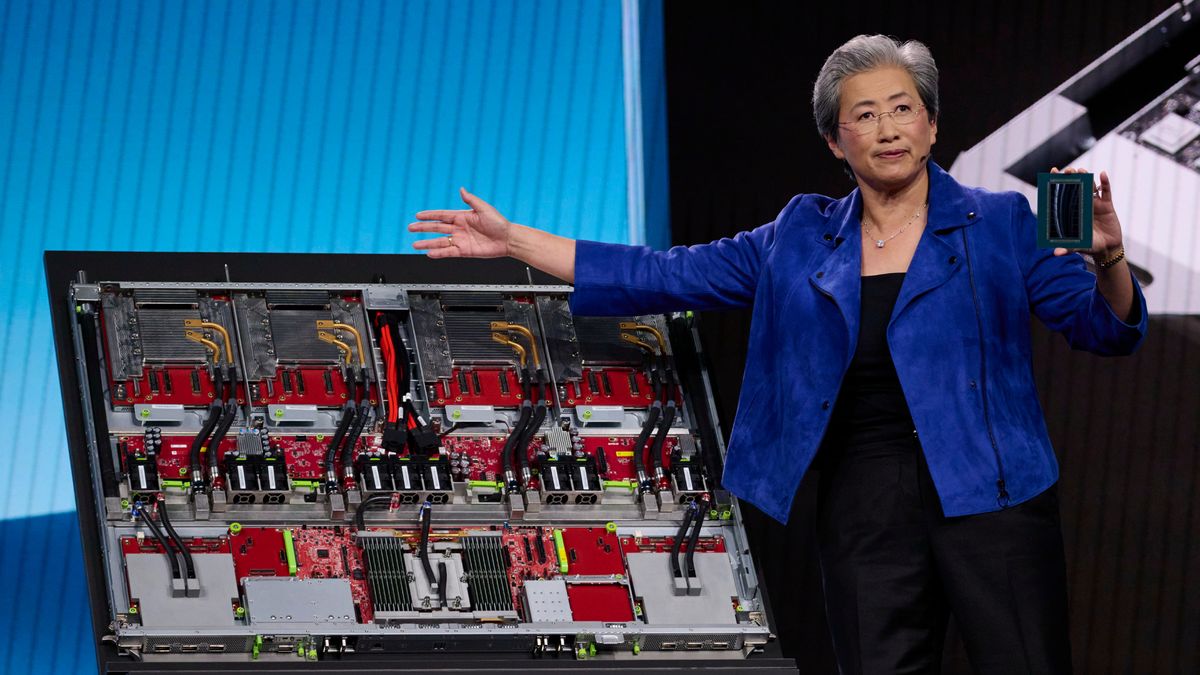
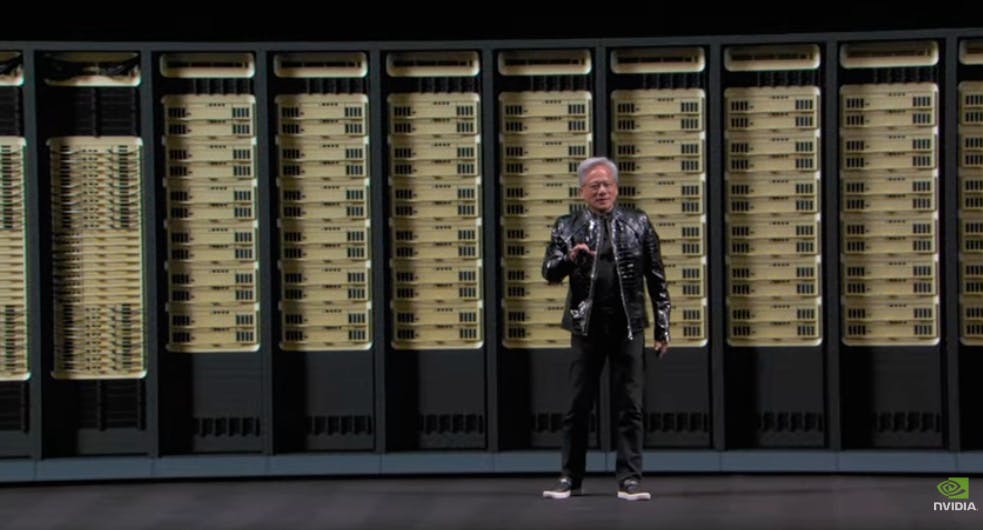
The semiconductor industry is experiencing a fundamental shift in competitive dynamics that directly impacts e-commerce infrastructure economics. Meta's $100 billion commitment to purchase 6 gigawatts of AI computing power from AMD (announced February 24, 2026) represents the largest challenge to Nvidia's GPU dominance in over a decade. This deal, which could result in Meta acquiring up to 10% of AMD's stock, validates AMD's EPYC and MI-series processors for enterprise AI workloads and signals major technology platforms are actively diversifying away from single-supplier dependency. Simultaneously, Nvidia CEO Jensen Huang announced a strategic pivot toward CPU manufacturing (February 25, 2026), with the company targeting to become "one of the largest CPU makers in the world" and securing standalone CPU deals with Meta for Grace and Vera chips—a departure from traditional bundled GPU-CPU configurations.
For e-commerce sellers, this competitive intensification creates immediate cost advantages. Cloud infrastructure providers—including Amazon Web Services, Google Cloud, and Microsoft Azure—will face pricing pressure as they compete for AMD and Nvidia CPU/GPU capacity. Sellers relying on cloud-based inventory management systems, demand forecasting AI, dynamic pricing engines, and customer service automation will benefit from reduced infrastructure costs. Industry analysts project cloud computing costs could decline 8-15% by Q4 2026 as competition forces price reductions. This translates to $150-400 monthly savings for mid-market sellers (those processing 5,000-50,000 SKUs) and $2,000-8,000 annual savings for enterprise sellers managing 100,000+ products.
The shift from GPU-exclusive to CPU-capable AI workloads creates additional opportunities. As AI companies transition from training models to deploying autonomous agents for tasks like code writing, document analysis, and research generation, CPU-based computing becomes equally viable. This architectural shift means cloud providers can offer more flexible, cost-effective configurations. Sellers should monitor their cloud provider's pricing announcements in March-April 2026 (following Nvidia's developer conference disclosures) for potential cost reductions. Additionally, Meta's substantial AI investment signals enhanced capabilities for its e-commerce features—including improved product recommendations, targeted advertising, and marketplace tools. Sellers using Facebook/Instagram commerce features can expect better audience targeting and conversion optimization as Meta deploys more sophisticated AI models powered by AMD infrastructure.
Competitive intelligence advantage emerges for sellers who act quickly. The 18-24 month timeline for AMD and Nvidia to scale production means early adopters of alternative cloud providers or those who negotiate multi-year contracts with AWS/Google Cloud before March 2026 can lock in current rates before competitive pricing takes effect. Sellers should audit their current cloud infrastructure spending, identify which AI tools drive the highest operational value, and prepare to migrate or renegotiate contracts as new pricing emerges. The semiconductor supply chain diversification also reduces risk of infrastructure outages—a critical concern for sellers managing time-sensitive inventory and customer service operations.
Questions 8
What is the difference between GPU and CPU computing for AI workloads in e-commerce?
Traditionally, GPUs (graphics processing units) handled parallel mathematical operations for AI training, while CPUs (central processing units) managed sequential tasks. However, Nvidia CEO Jensen Huang announced (February 25, 2026) that CPUs are now equally viable for AI agent tasks like code writing, document analysis, and customer service automation. This shift means cloud providers can offer more flexible, cost-effective configurations using CPU-only or balanced CPU-GPU setups instead of GPU-exclusive infrastructure. For sellers, this architectural change enables cheaper cloud computing for demand forecasting, dynamic pricing, and customer service automation—tasks that don't require GPU-level parallel processing.
Which AI tools for sellers will benefit most from reduced cloud infrastructure costs?
Sellers using cloud-intensive AI tools will see the greatest cost benefits: (1) Dynamic pricing engines that adjust prices based on demand, competition, and inventory levels; (2) Demand forecasting systems that predict sales trends across categories and regions; (3) Customer service chatbots and automated response systems; (4) Inventory optimization algorithms that minimize stockouts and overstock; (5) Product recommendation engines for personalized customer experiences. These tools typically consume 30-60% of a seller's cloud infrastructure budget. As infrastructure costs decline 8-15%, sellers can either reduce operational expenses or invest savings into more sophisticated AI capabilities for competitive advantage.