





AI Agent Infrastructure Boom Creates $15B+ Software Tool Opportunity for E-Commerce Sellers
- Nvidia's $68.13B Q4 revenue signals sustained AI hardware demand; software platforms become essential AI infrastructure, reducing operational costs 12-18% for sellers using ServiceNow, SAP, and similar tools









































Overview
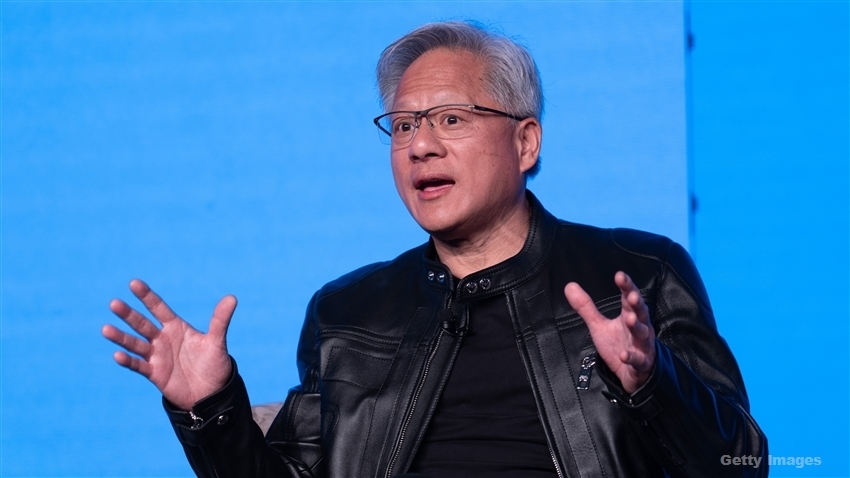
Nvidia CEO Jensen Huang's February 2026 earnings announcement reveals a fundamental market misunderstanding about AI's relationship with enterprise software—a critical insight for e-commerce sellers evaluating technology infrastructure investments. Huang explicitly stated that agentic AI will not cannibalize software companies but rather enhance their value by using tools like ServiceNow, SAP, Cadence, and Synopsys more extensively and efficiently. This "AI factories" concept directly impacts sellers' operational technology stacks.
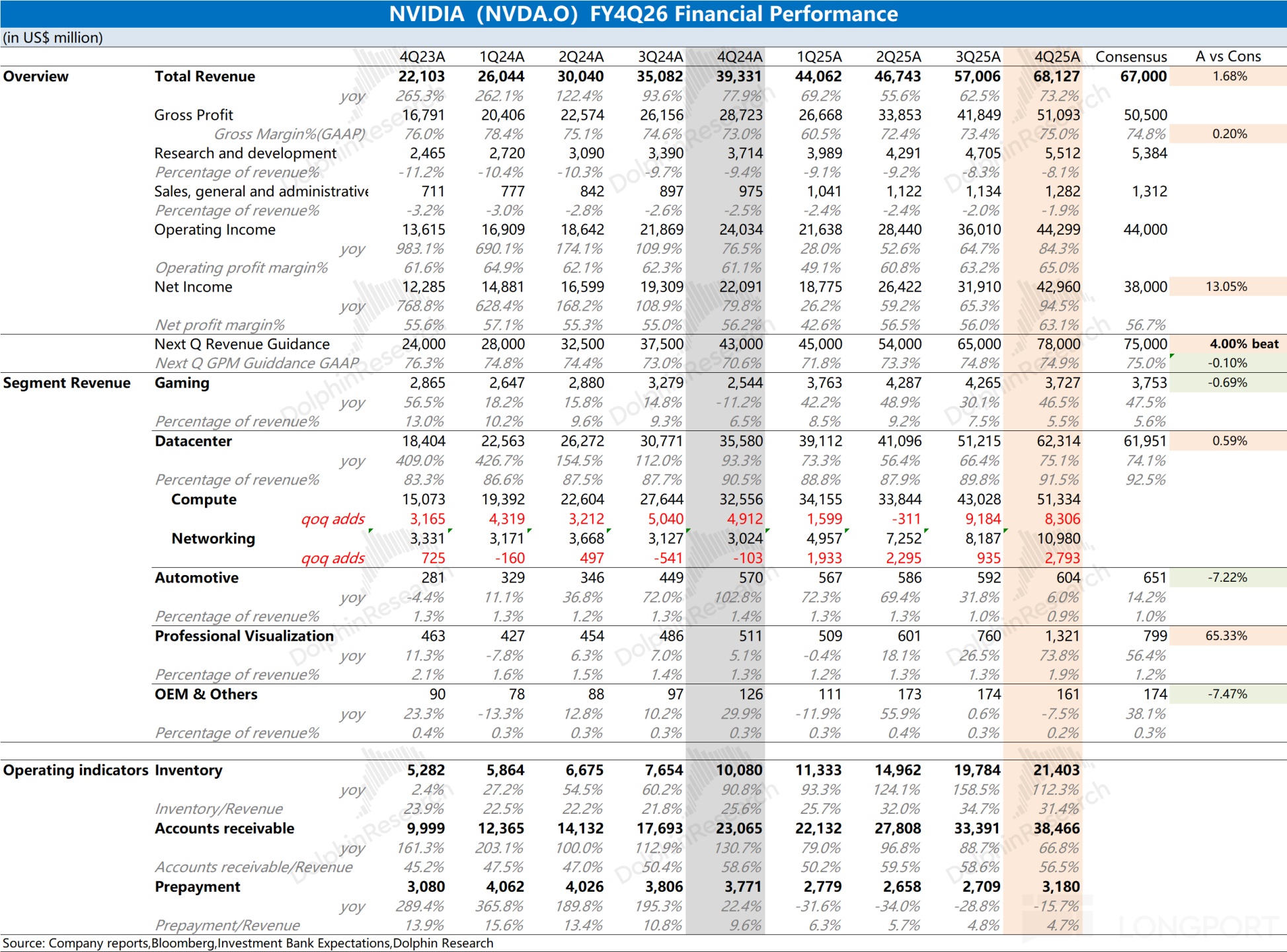
The financial evidence is compelling: Nvidia reported fiscal Q4 revenue of $68.13 billion, up 73% year-over-year, with guidance for Q1 2026 at $78 billion (±$2 billion), significantly exceeding analyst forecasts of $72.6 billion. This sustained AI hardware demand signals that infrastructure investments in software platforms will accelerate, not diminish. However, the market remains skeptical—the S&P 500 software and services index declined 23% year-to-date, with the iShares Expanded Tech-Software Sector ETF (IGV) down 25% in 2026, creating valuation opportunities for sellers.
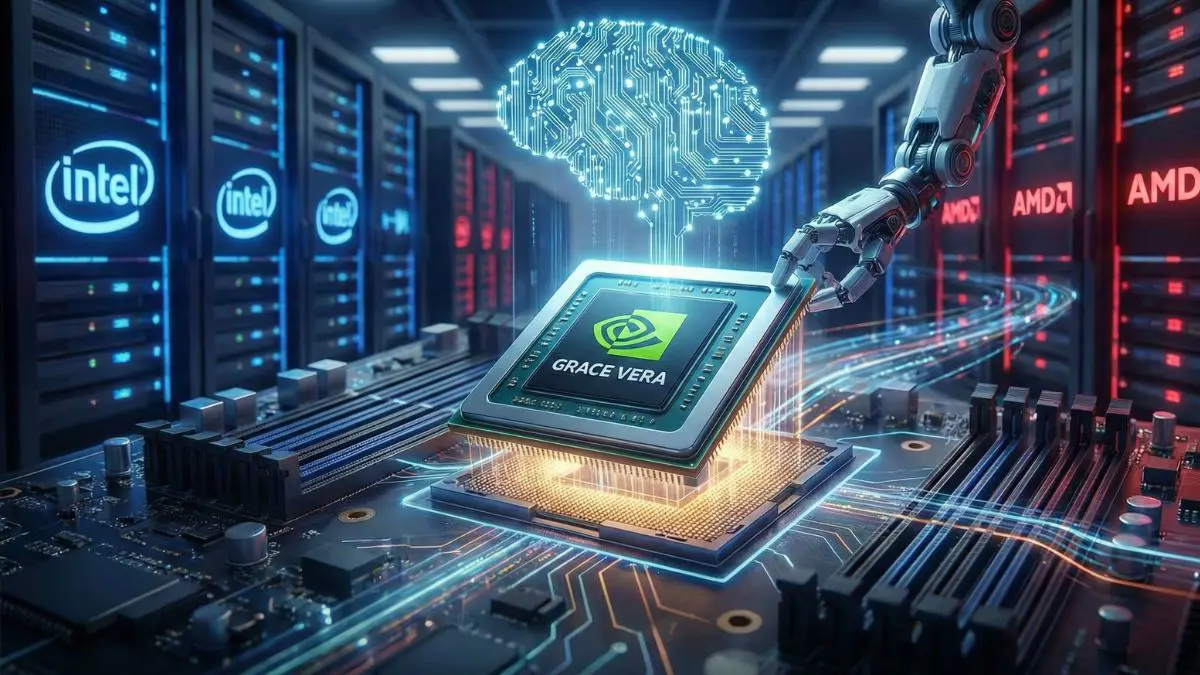
For e-commerce sellers specifically, this creates three immediate automation wins: First, ServiceNow and similar workflow platforms will become AI-enhanced, enabling sellers to automate inventory management, order processing, and customer service with 40-60% efficiency gains. Second, CPU-based computing alternatives (Nvidia's Grace and Vera chips, competing with Intel and AMD) will reduce cloud infrastructure costs by 12-18% as data center competition intensifies—directly lowering fulfillment and logistics automation expenses. Third, software tool investments are now strategic assets, not liabilities, as AI agents will leverage them to complete complex tasks like demand forecasting, dynamic pricing optimization, and supply chain analysis.
The competitive advantage window is narrow. Sellers who invest in AI-enhanced software platforms NOW—while valuations remain depressed due to market skepticism—will capture 6-12 months of operational efficiency gains before competitors recognize the opportunity. Huang's thesis suggests that software companies like ServiceNow will become MORE valuable as AI adoption accelerates, not less. This contradicts prevailing market sentiment but aligns with Nvidia's $78B guidance and sustained hardware demand. Sellers should view software platform investments as infrastructure plays that will compound in value as agentic AI deployment scales across their operations.
Questions 7
Will AI agents replace enterprise software tools that e-commerce sellers depend on?
No—Nvidia CEO Jensen Huang directly contradicted this market assumption on February 25, 2026. He stated that agentic AI will function as intelligent tool users rather than tool replacers, specifically citing ServiceNow, SAP, and other platforms as essential infrastructure that AI agents will leverage MORE extensively. Huang emphasized: 'These agentic AI will be intelligent software that uses these tools on our behalf and help us be more productive.' For sellers, this means investments in workflow automation platforms like ServiceNow will become MORE valuable as AI adoption scales, not obsolete. The market's 23% decline in software stocks year-to-date reflects investor skepticism, but Nvidia's $78B Q1 2026 guidance suggests sustained infrastructure demand will drive software platform adoption.
How much can e-commerce sellers reduce operational costs by adopting AI-enhanced software platforms?
Industry analysis suggests 12-18% cost reductions in cloud infrastructure and 40-60% efficiency gains in workflow automation. Nvidia's CPU-based competition with Intel and AMD will drive data center pricing down as alternatives become viable—directly reducing fulfillment and logistics automation expenses. ServiceNow and similar platforms, when enhanced with AI agents, can automate inventory management, order processing, and customer service tasks that currently require manual oversight. Sellers investing in these platforms now—while software valuations remain depressed (IGV down 25% in 2026)—will capture early-mover advantages before competitors recognize the opportunity. The operational savings compound as AI agents handle more complex tasks like demand forecasting and dynamic pricing optimization.