






The Cellular Fountain of Youth: How Daily Coffee Might Slow Down Aging
- Groundbreaking Norwegian study reveals potential anti-aging benefits for health-conscious consumers
























Overview
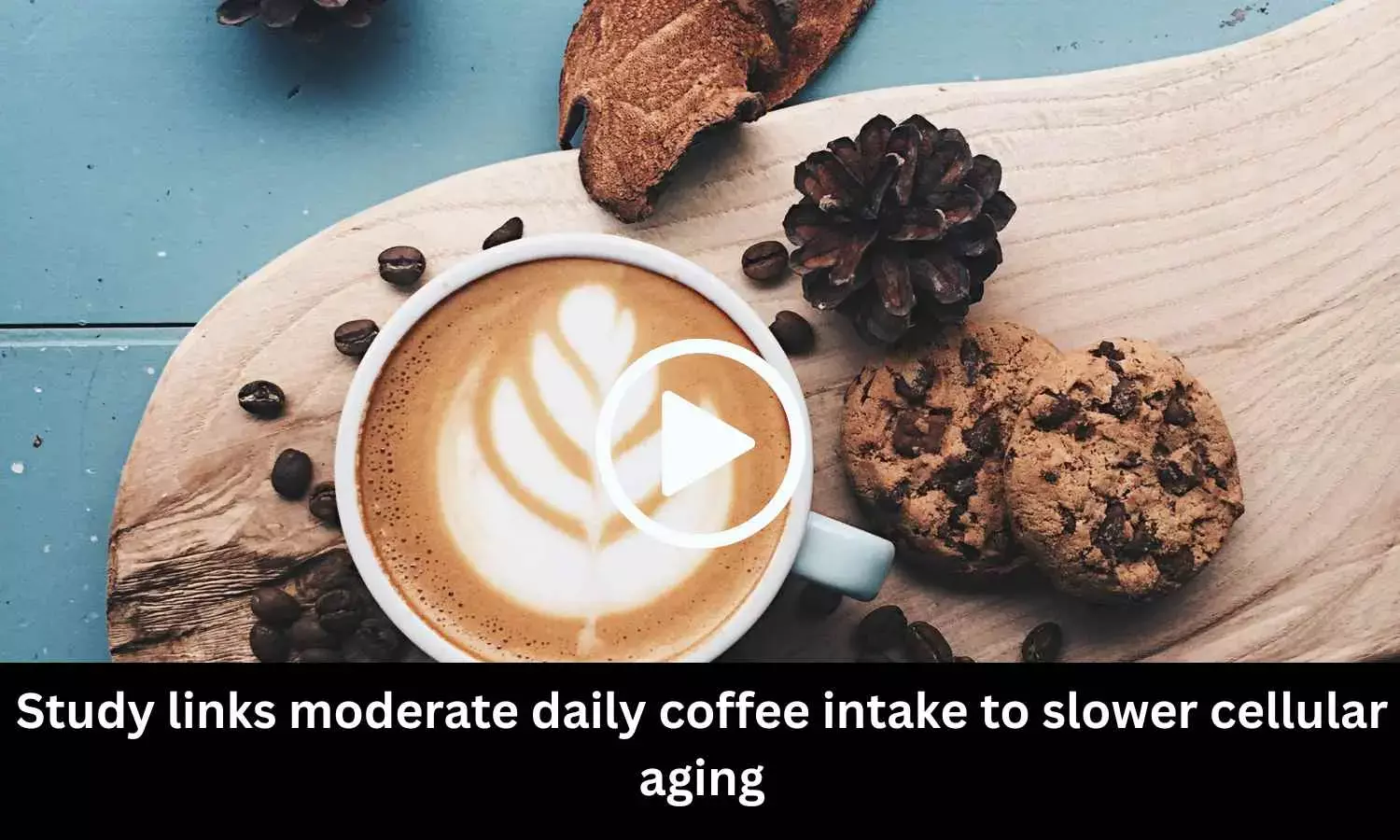
Emerging scientific research is uncovering a remarkable potential in our daily coffee ritual: the ability to slow down biological aging. A comprehensive Norwegian study involving 436 participants has revealed compelling evidence that suggests 3-5 cups of coffee daily could potentially extend life span by approximately 5 years through intricate cellular mechanisms.
The research focuses on telomere length, a critical biomarker of cellular aging. Telomeres, which act as protective caps on our chromosomes, naturally shorten with age—but the study indicates that coffee's rich antioxidant profile might help preserve these cellular protective structures. Specifically targeting individuals with major mental health conditions, the research provides a nuanced look into how a common beverage could have profound physiological implications.
Key findings demonstrate a direct correlation between coffee consumption and potential biological age reversal. The study's participants, consuming between 3-4 cups daily, showed promising indicators of slowed cellular deterioration. This isn't just about caffeine—it's about the complex biochemical interactions that occur when specific compounds in coffee interact with human cellular structures.
The implications extend far beyond a simple morning ritual. This research suggests that coffee might be more than just a wake-up call—it could be a strategic health intervention. For health-conscious individuals, this means that their daily coffee could be doing more than providing energy; it might be actively contributing to long-term cellular health and potentially extending their biological lifespan.
While more research is needed to definitively establish causation, these findings open exciting pathways for understanding nutrition's role in aging. Consumers and health professionals alike should view this as an invitation to examine coffee not just as a beverage, but as a potential wellness tool.
Questions 4
Are these findings conclusive about coffee's anti-aging properties?
While promising, the researchers acknowledge more studies are needed. These findings are significant but should be viewed as an emerging area of research rather than a definitive anti-aging solution.
What makes coffee potentially beneficial for slowing aging?
Coffee contains powerful antioxidants that may help preserve telomere length, which are protective structures on chromosomes that naturally shorten with age. The study suggests these antioxidants could play a crucial role in cellular preservation.