



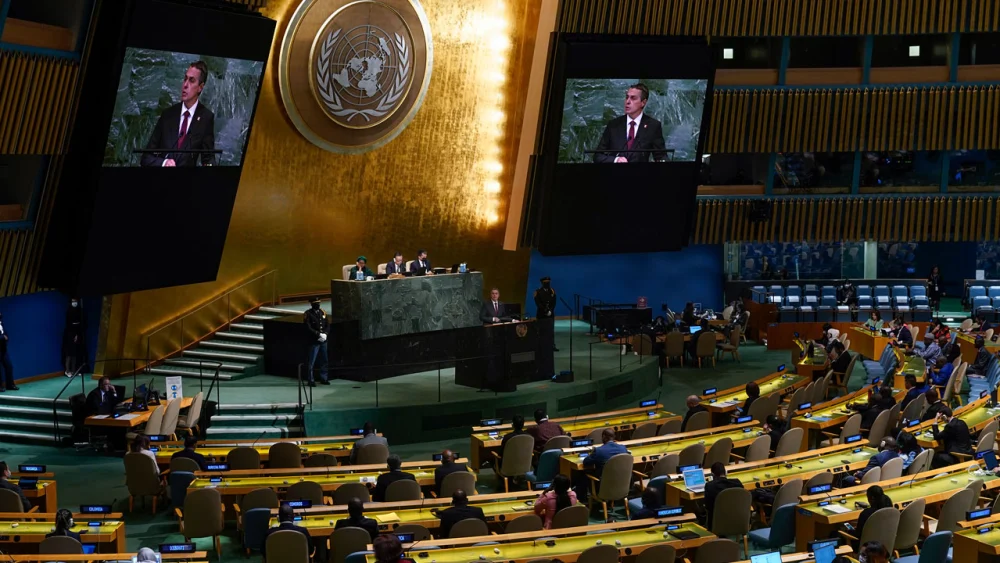
U.S. Humanitarian Aid Transformation: A Strategic Pivot Toward Efficiency and Accountability
- Radical restructuring of global aid delivery signals new era of performance-driven international assistance













Overview
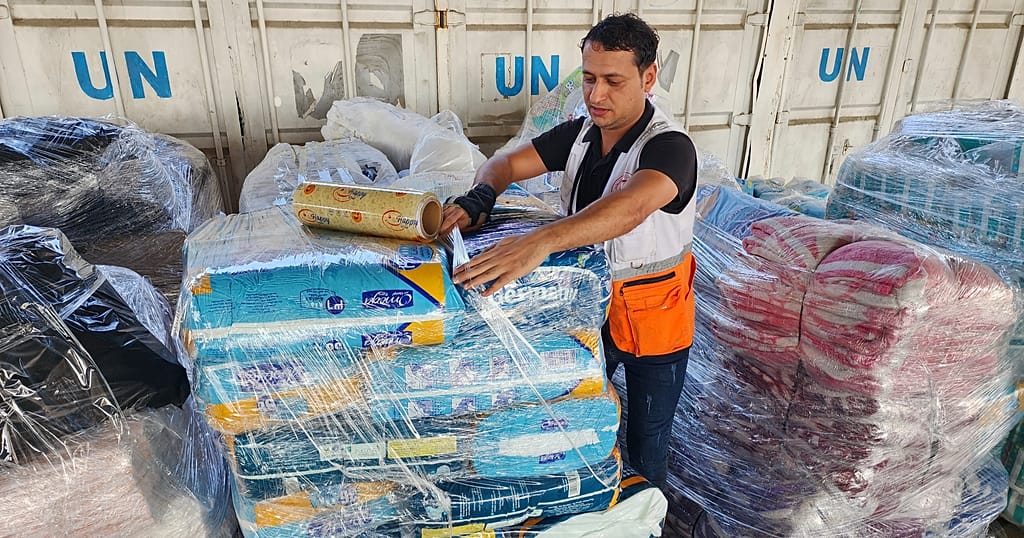
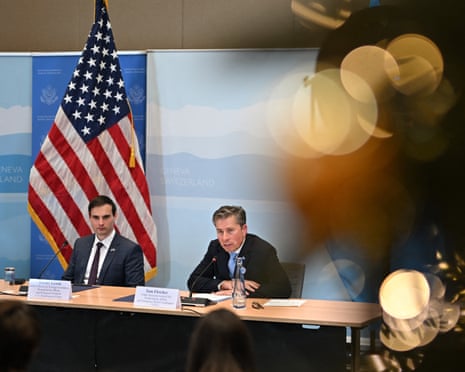
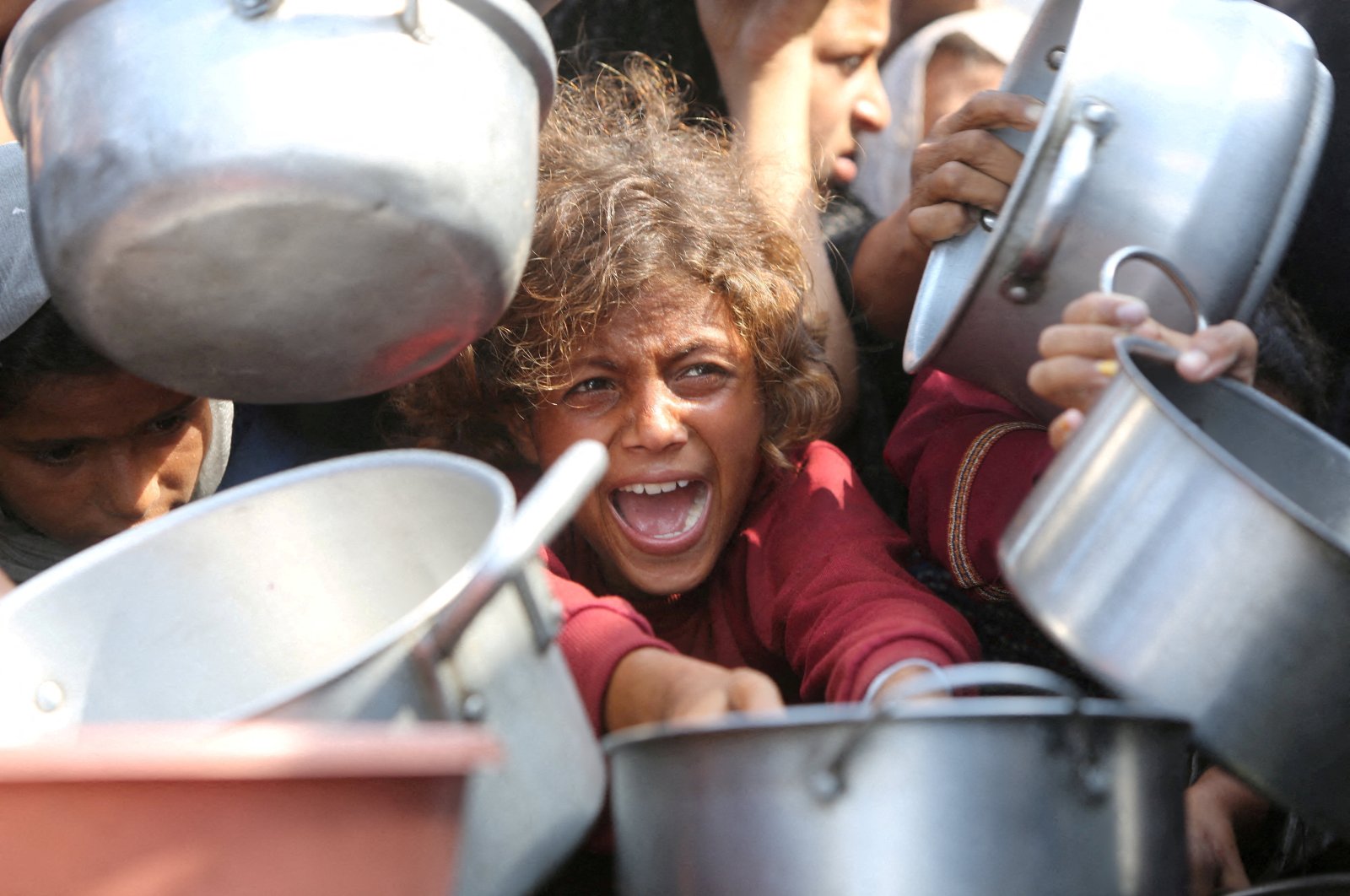
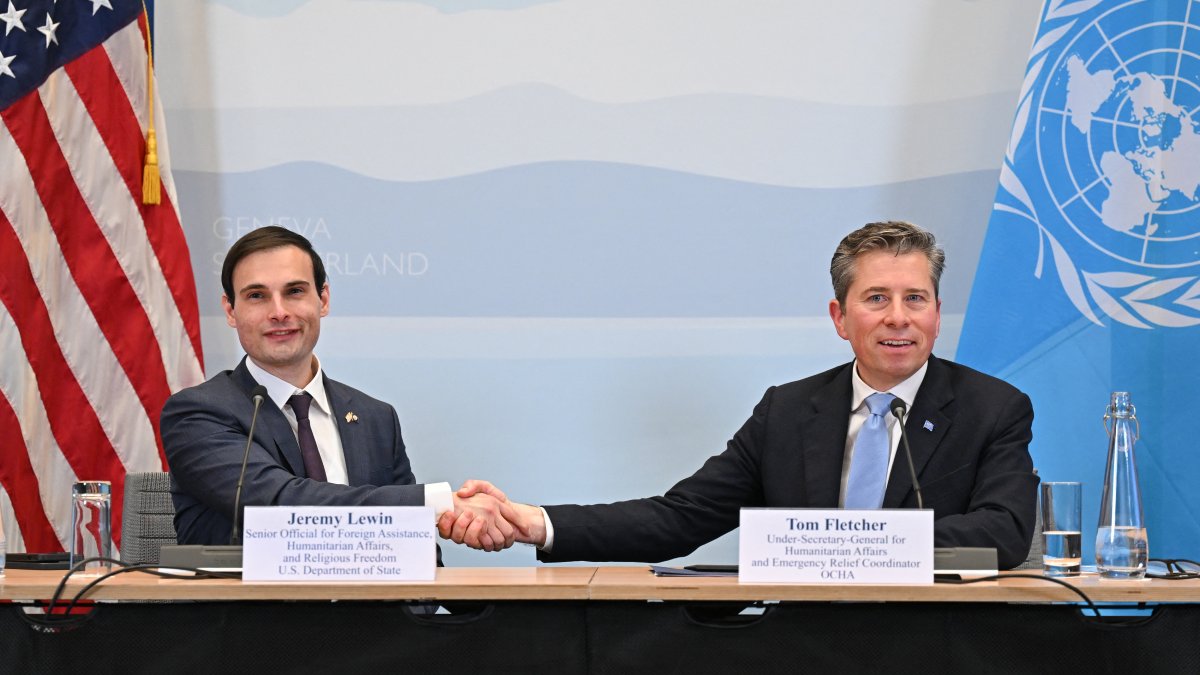
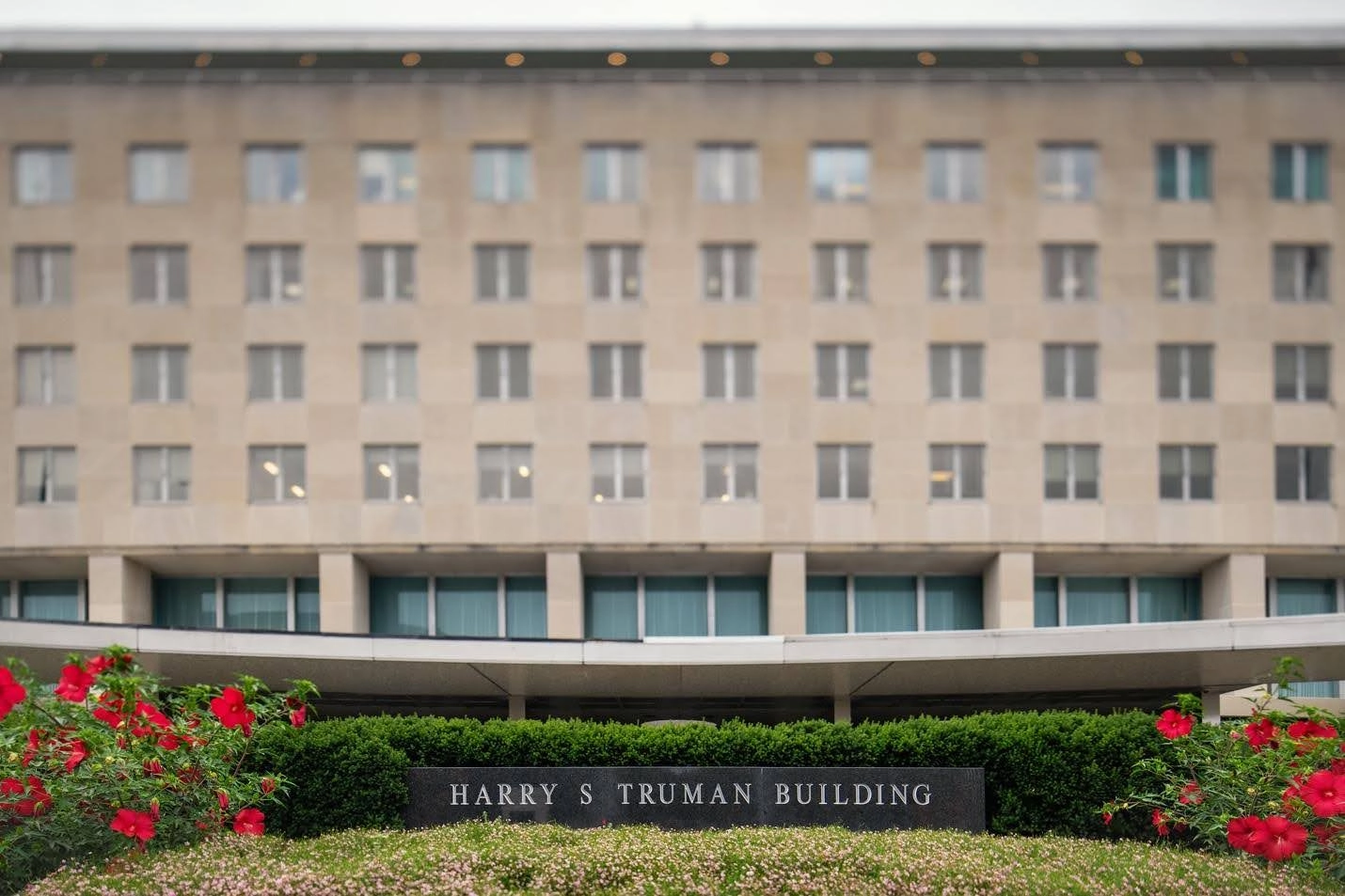
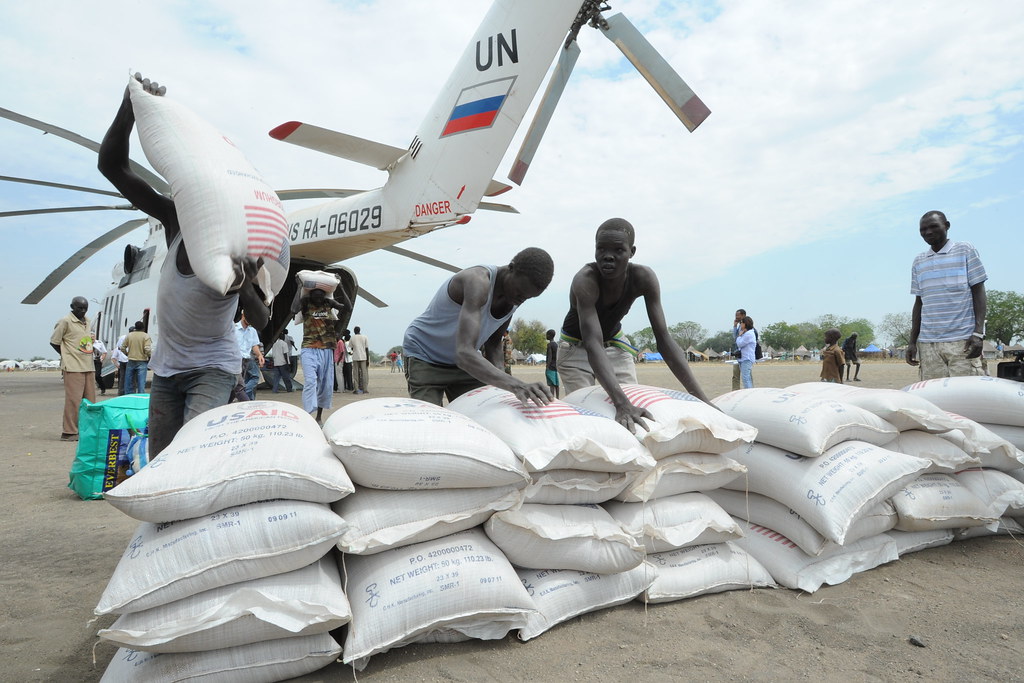
The United States is orchestrating a profound transformation in international humanitarian assistance, marked by a strategic recalibration of aid delivery mechanisms that goes far beyond simple budget adjustments. By pledging $2 billion while simultaneously demanding radical organizational restructuring, the U.S. is signaling a fundamental shift from traditional humanitarian support models to a more performance-driven, accountable approach.
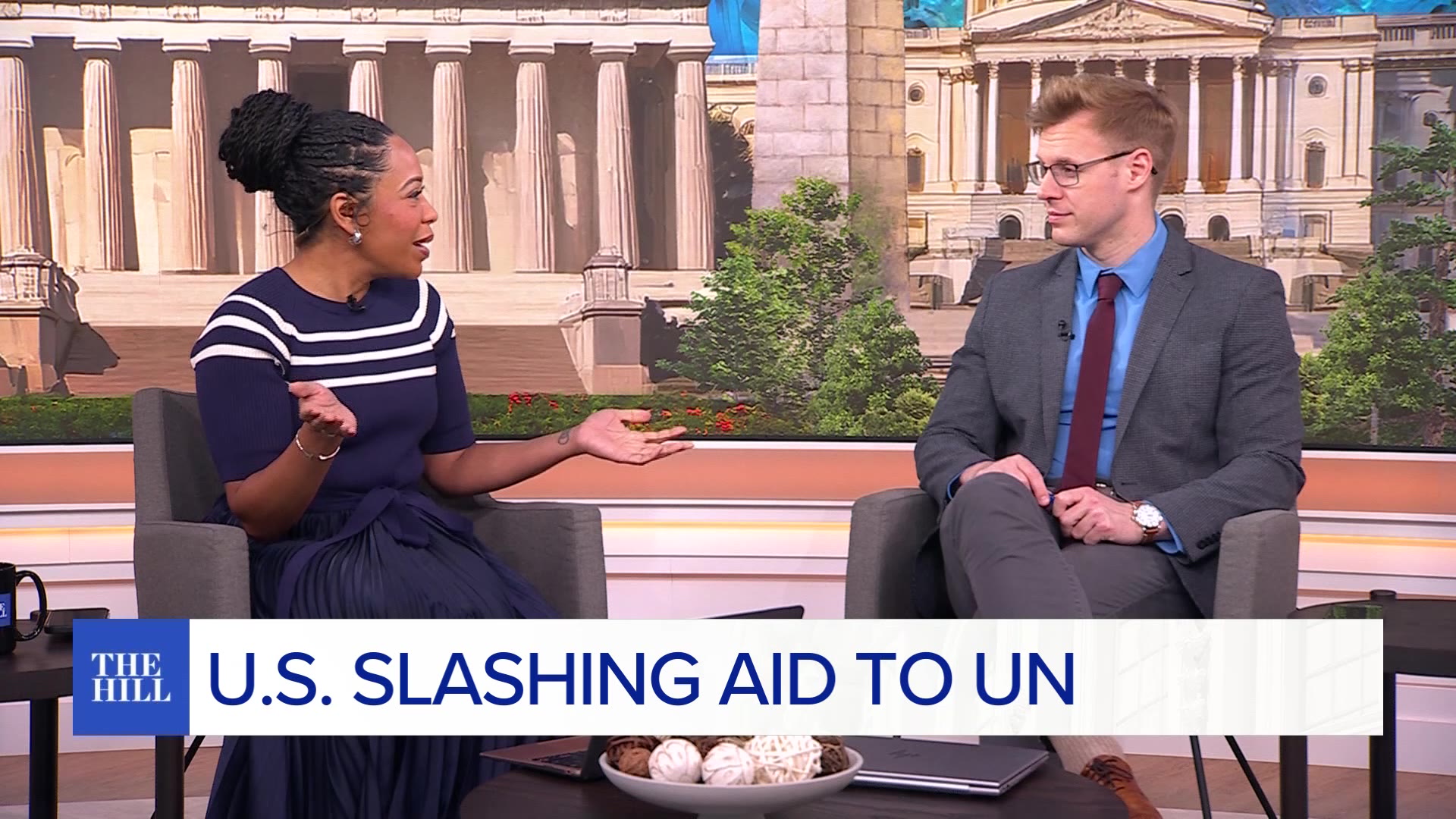
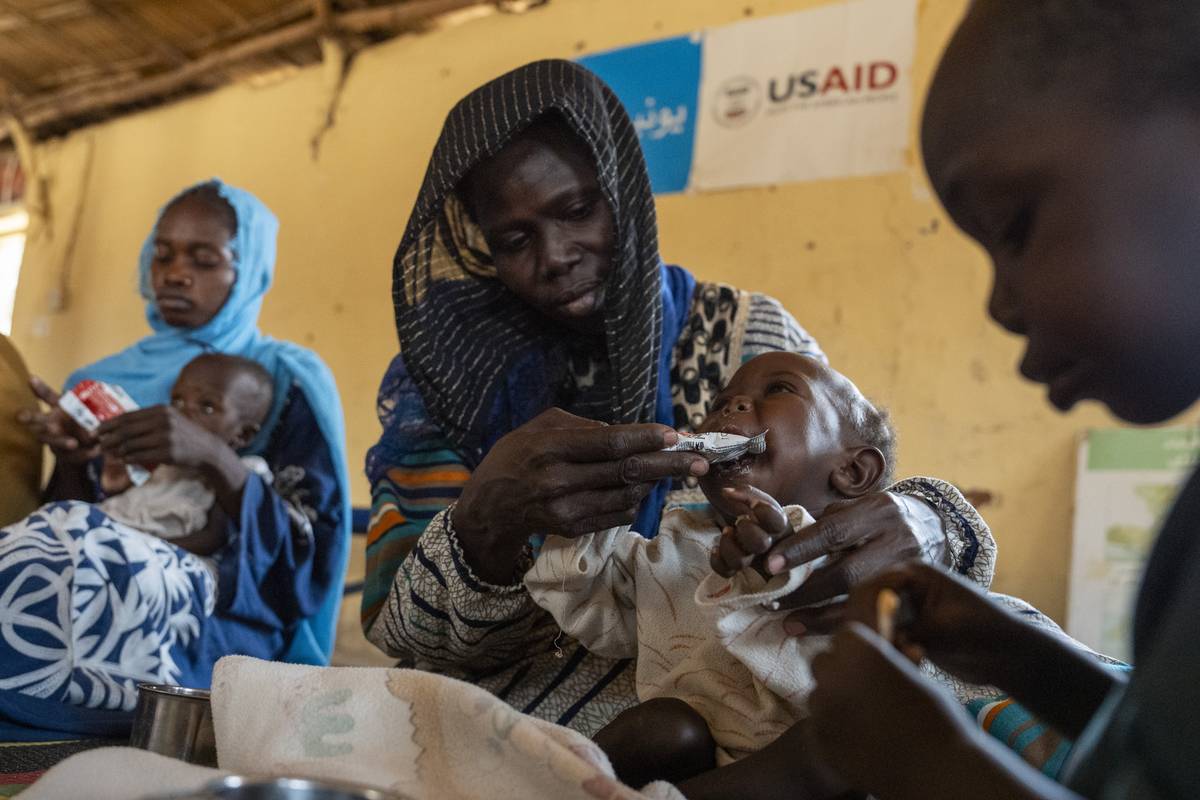
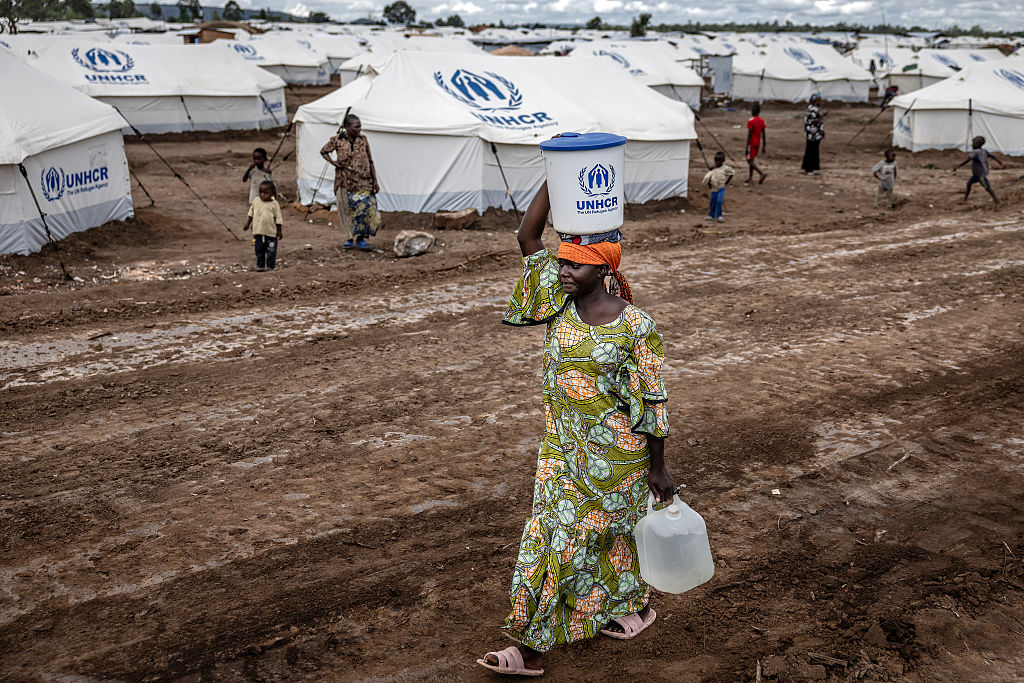
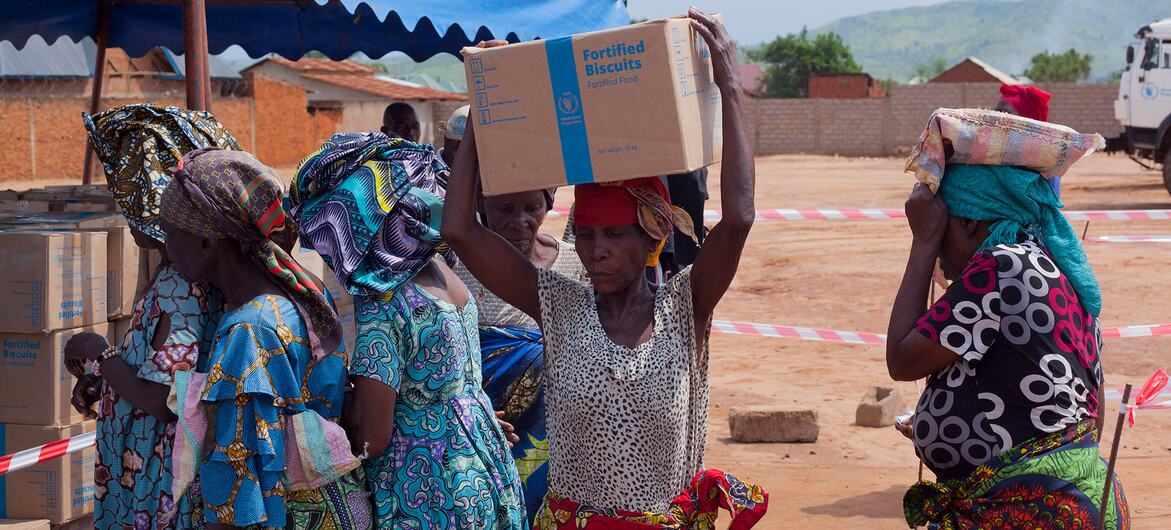
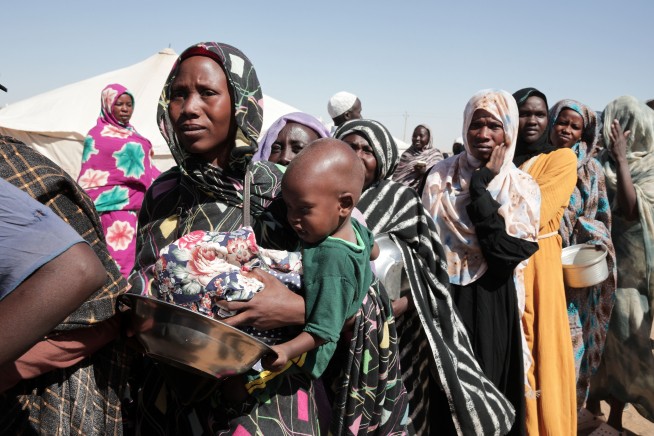
The core of this transformation lies in the U.S. government's explicit mandate for United Nations agencies to "adapt, shrink, or die" – a provocative directive that encapsulates the emerging paradigm of international aid. This isn't merely a funding reduction, but a systematic reimagining of humanitarian assistance. The new model prioritizes efficiency, targeted interventions, and strict accountability, with aid now concentrated on 17 specific countries including Ukraine, Democratic Republic of Congo, Nigeria, and Sudan.
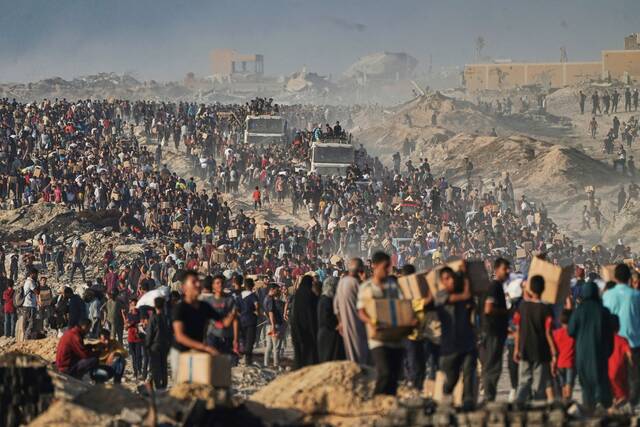
Critically, the funding landscape has dramatically contracted. From previous annual contributions of up to $17 billion, the U.S. is now scaling back to approximately $3.38 billion in 2025. This significant reduction reflects broader geopolitical and economic pressures, forcing humanitarian organizations to fundamentally redesign their operational strategies. The message is clear: traditional bureaucratic structures are no longer sustainable.
For international aid organizations, this represents an existential challenge. They must now demonstrate extreme operational efficiency, potentially involving staff reductions, function consolidation, and more precise impact measurement. The era of blanket funding is over; organizations must now prove their value through measurable, targeted interventions.
The global context further amplifies this trend. Western donors, including Britain, France, Germany, and Japan, are similarly reassessing aid commitments. The UN's 2026 aid appeal has been halved from $47 billion to $23 billion, underscoring a systemic shift toward more stringent, strategic humanitarian support.
Ultimately, this transformation signals a new era of performance-driven international assistance – where humanitarian organizations must innovate, streamline, and deliver tangible results or risk becoming obsolete in an increasingly competitive and resource-constrained global landscape.
Questions 4
Why is the U.S. demanding UN agencies 'adapt, shrink, or die'?
The U.S. is pushing for radical organizational restructuring to improve efficiency, reduce bureaucratic overhead, and ensure more targeted, accountable humanitarian assistance. This approach reflects growing economic constraints and a desire to maximize the impact of limited aid resources.
Which countries are now prioritized in the new U.S. humanitarian aid strategy?
The new model focuses on 17 specific countries, including Ukraine, Democratic Republic of Congo, Nigeria, Sudan, Bangladesh, Congo, Haiti, Syria, and others. Some traditionally supported regions like Afghanistan and Palestinian territories have been excluded.