



North Korea Sanctions Relief Signals | Supply Chain & Tariff Opportunities for Cross-Border Sellers
- Potential sanctions easing could unlock $2-3B Korean manufacturing corridor; sellers sourcing from China face competitive pressure from Vietnam/India alternatives















)


Overview
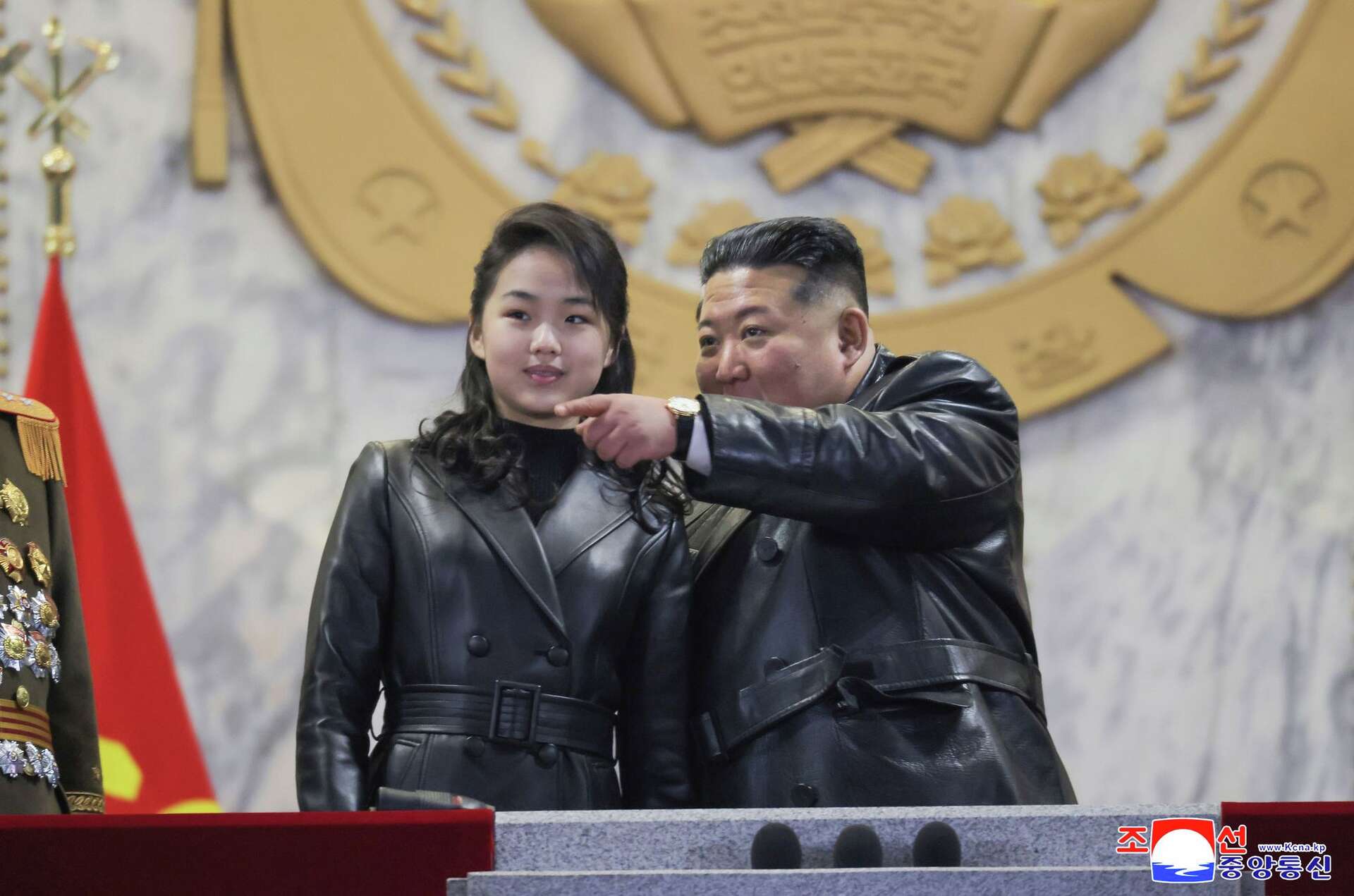
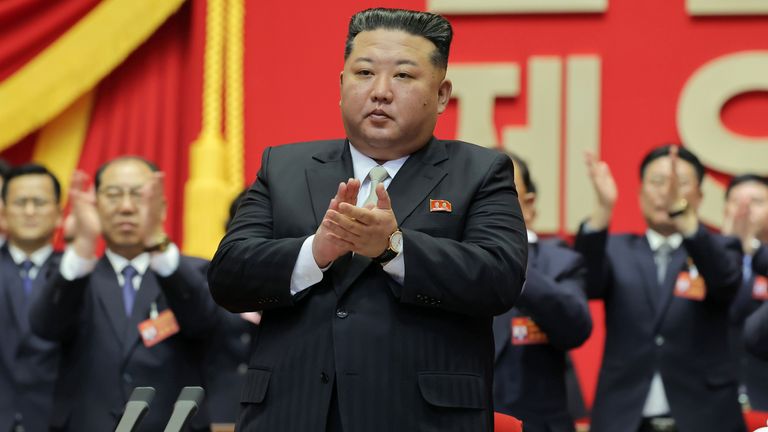
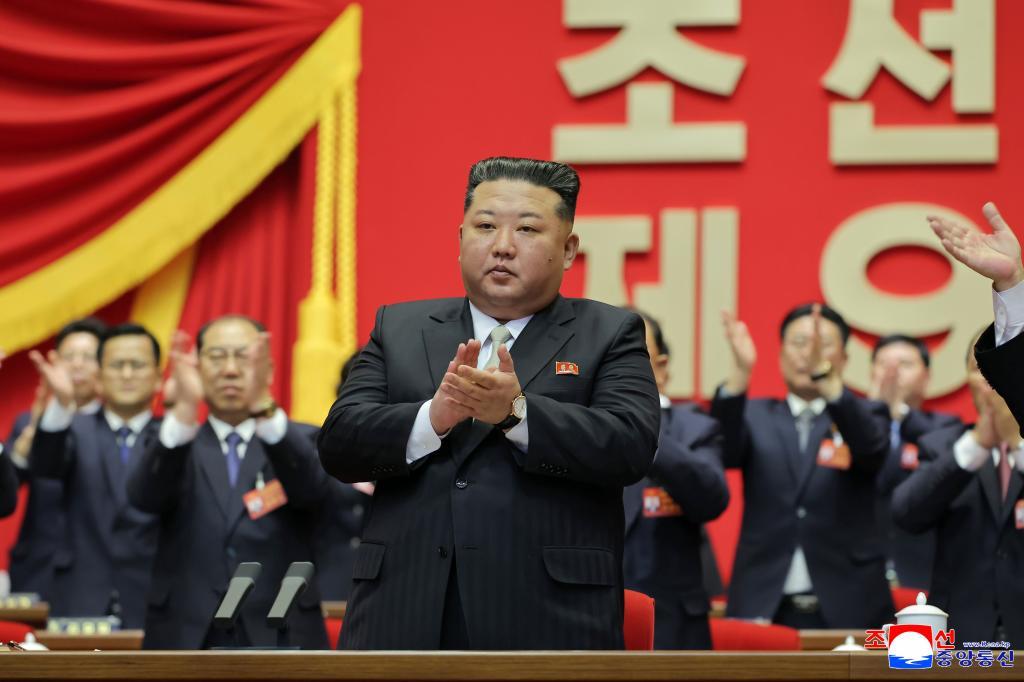
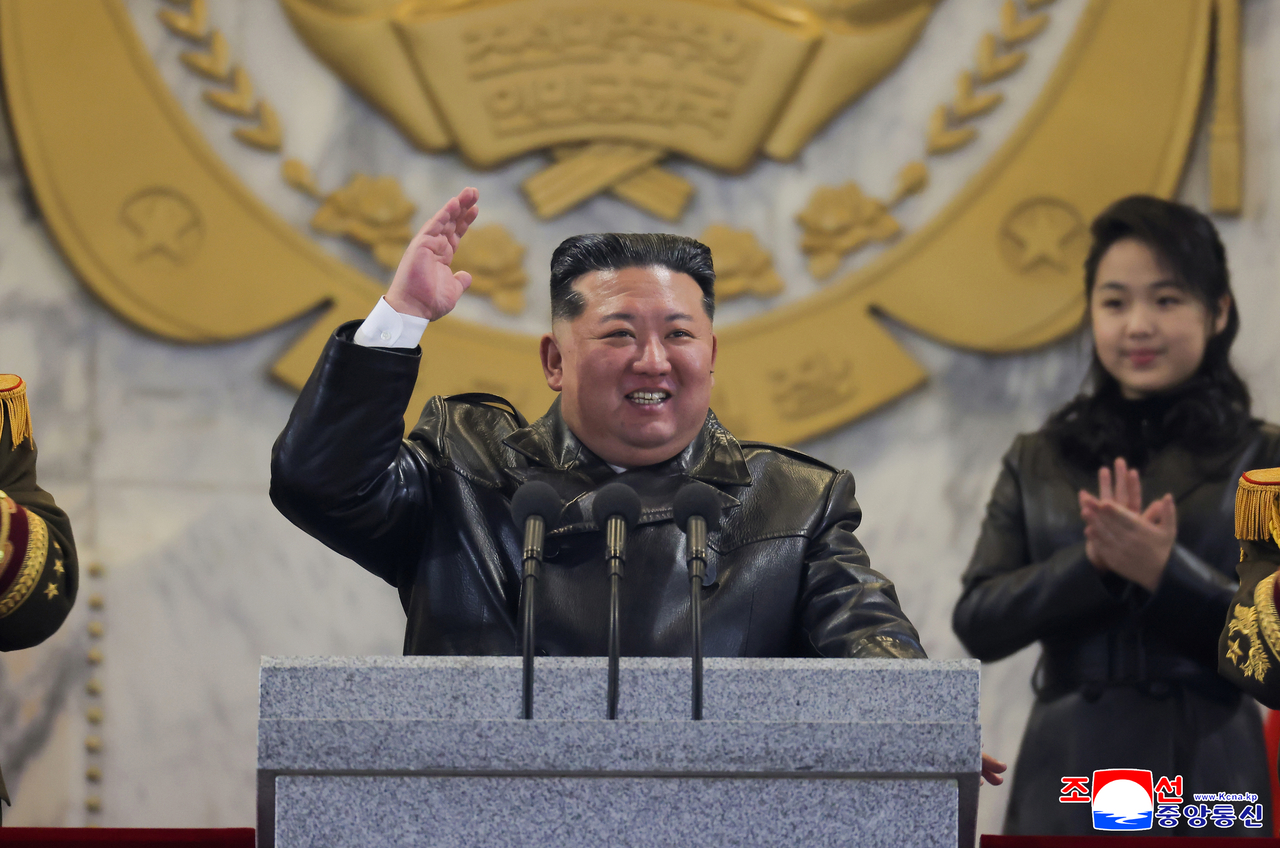
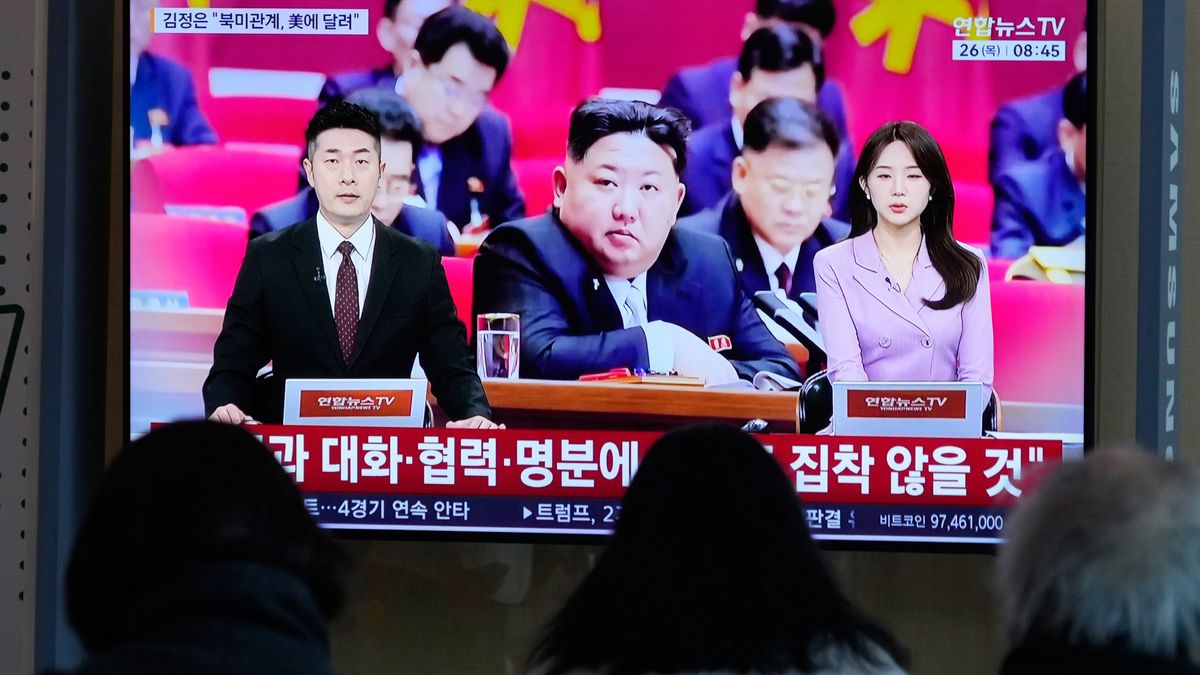
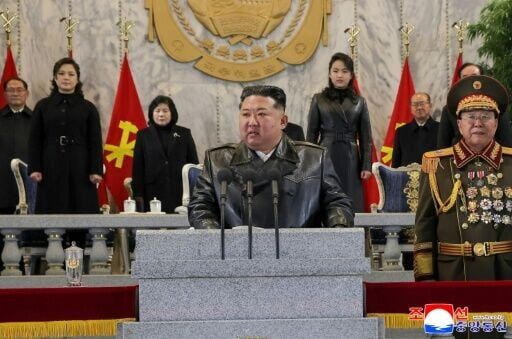
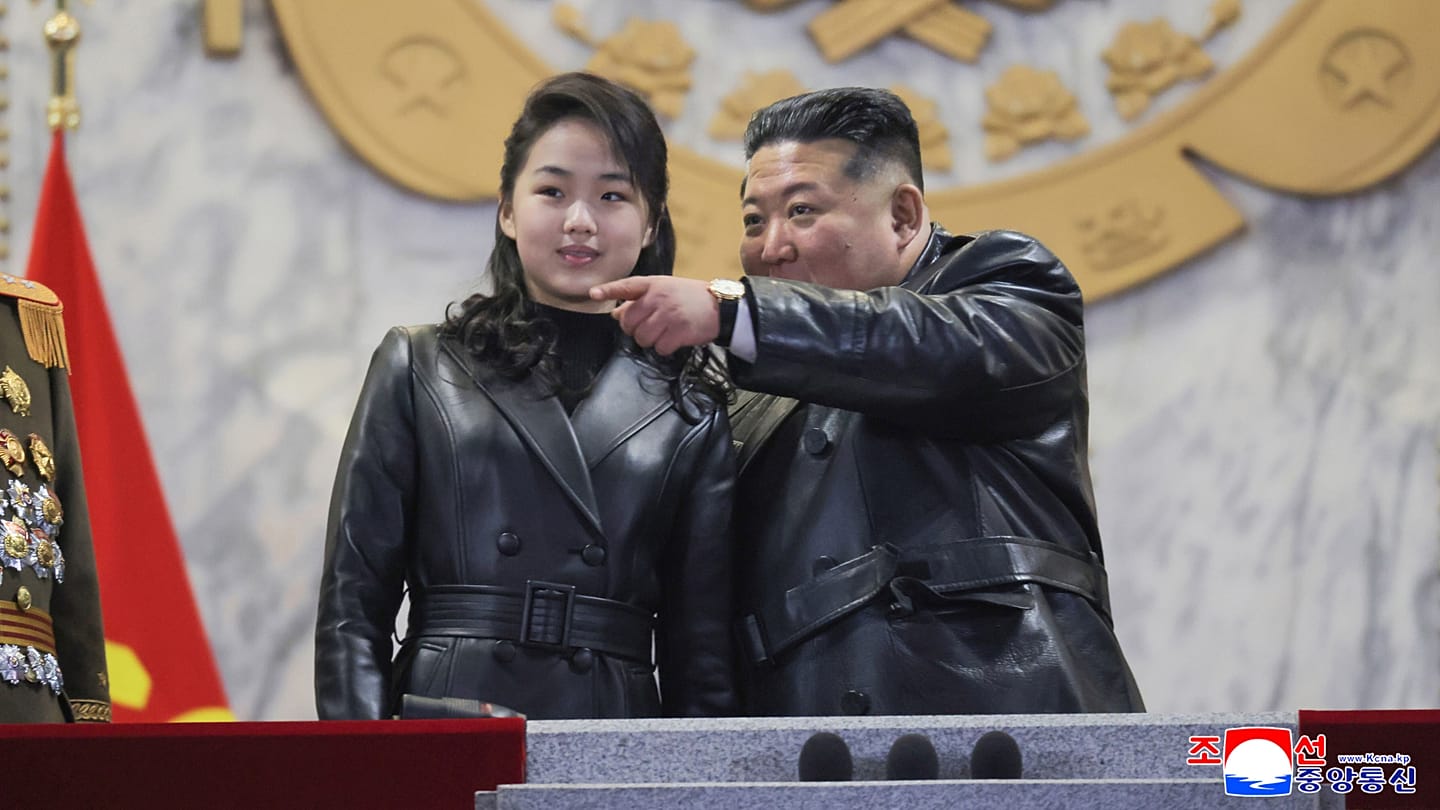
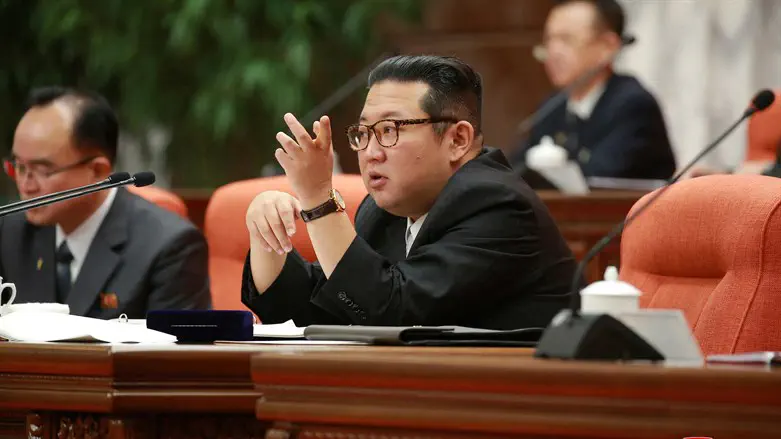
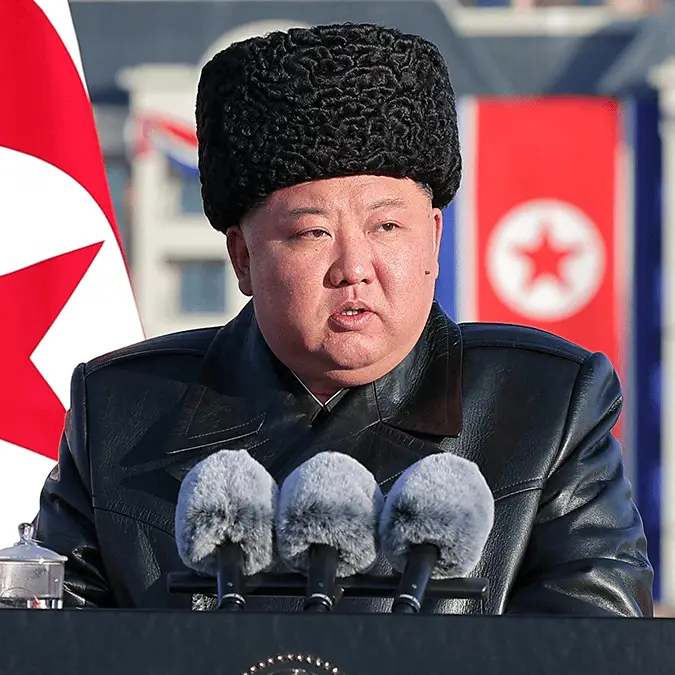
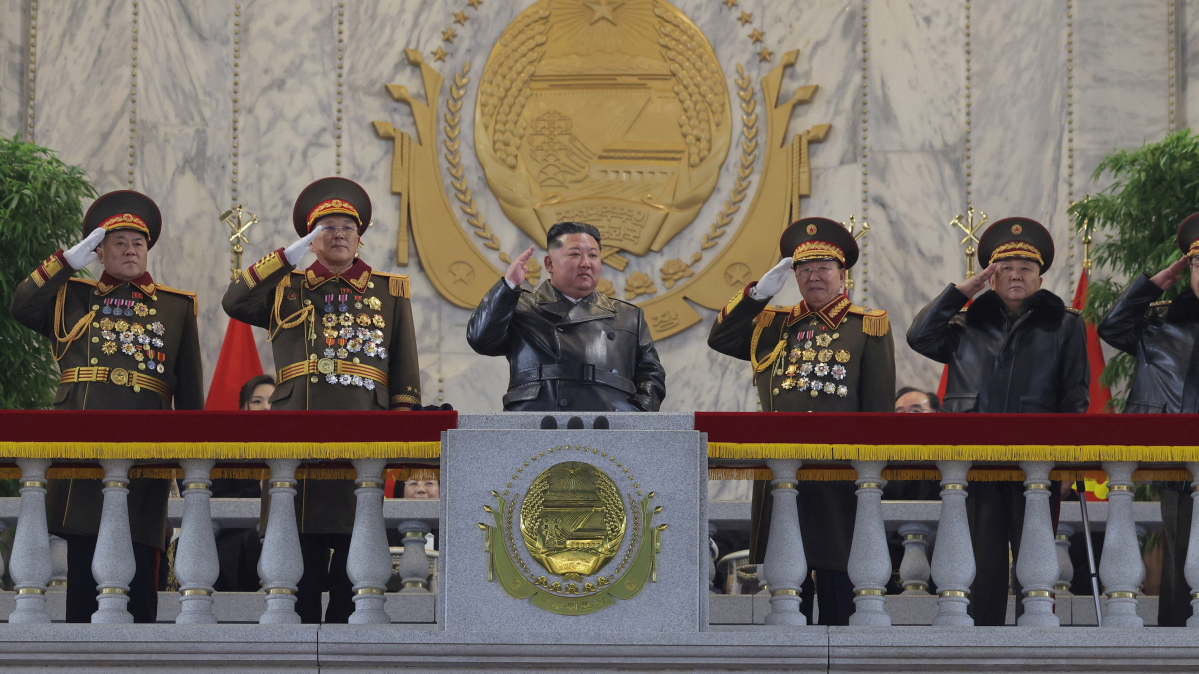
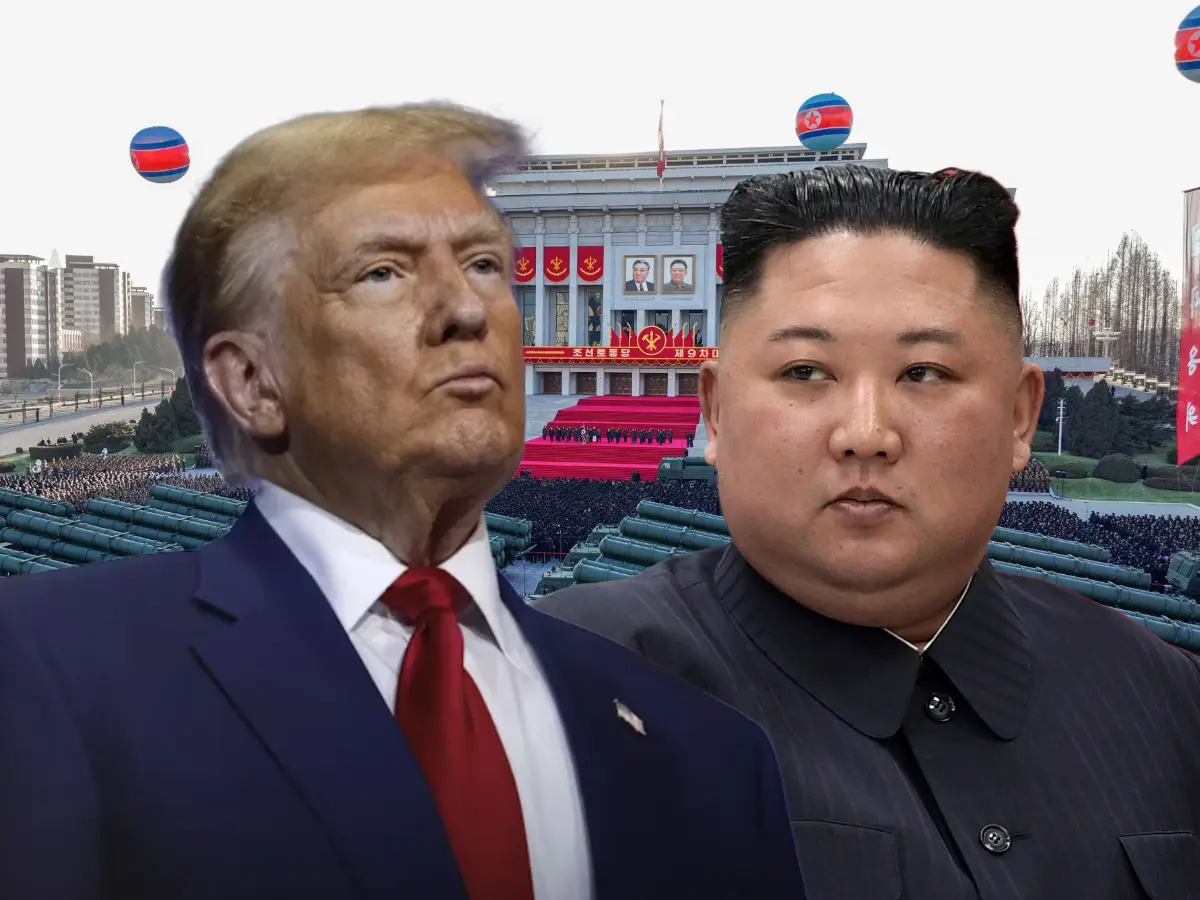
Kim Jong-un's conditional diplomatic overture to the United States, announced during the February 24-26, 2026 Workers' Party Congress, signals a potential shift in US-North Korea relations that carries significant implications for international trade policy and cross-border e-commerce supply chains. The North Korean leader explicitly stated willingness for "peaceful coexistence" if Washington recognizes North Korea's nuclear status and withdraws "hostile policies"—language that directly references sanctions relief. This development matters to cross-border sellers because sanctions policy directly impacts tariff structures, sourcing costs, and market access across the Asia-Pacific region.
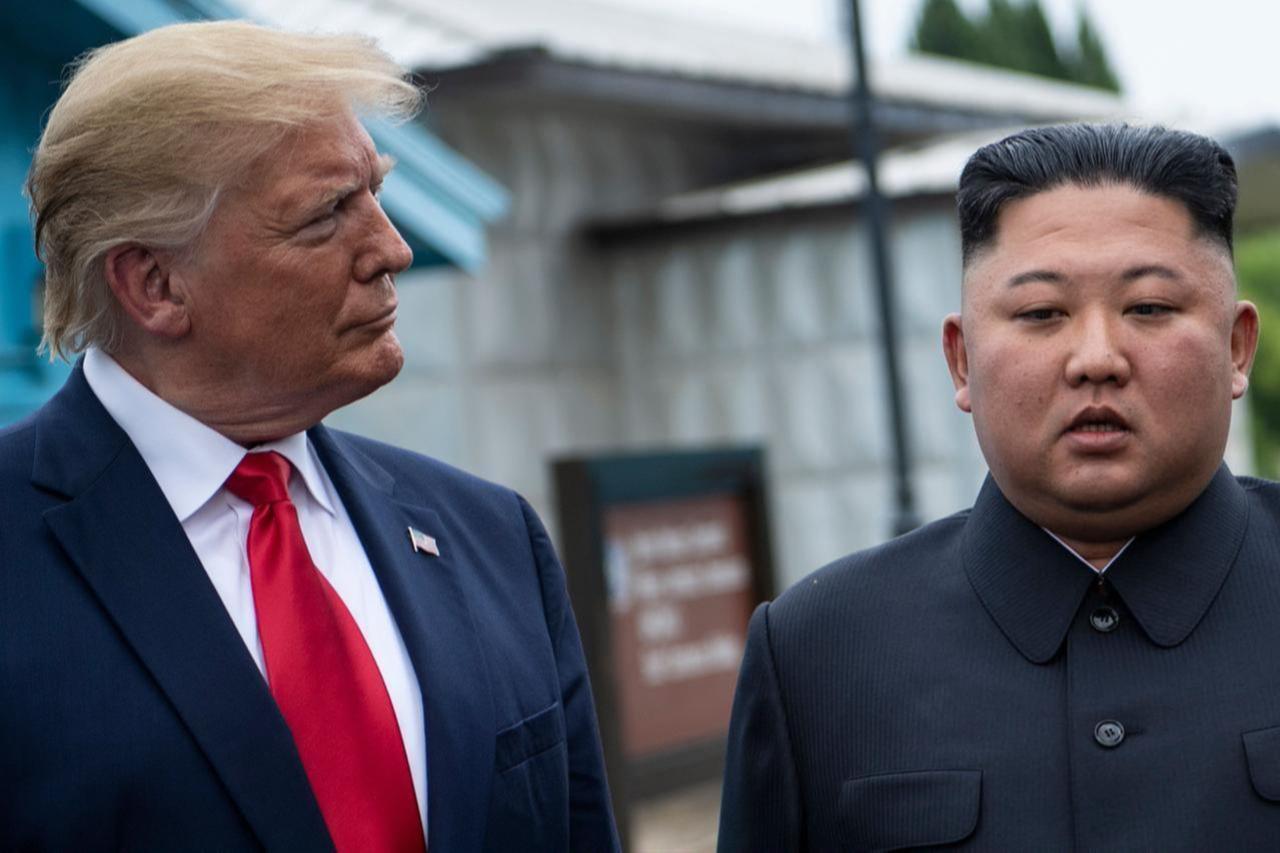
The immediate trade policy opportunity centers on potential sanctions easing and tariff arbitrage windows. If US-North Korea negotiations progress (Trump's April 2026 China visit suggests active diplomatic channels), sanctions relief could unlock North Korean manufacturing capacity and create new sourcing corridors. Currently, North Korea remains under comprehensive US sanctions affecting HS codes 6204 (women's apparel), 6203 (men's apparel), 6109 (knit apparel), and 6110 (sweaters)—categories representing $8-12B in annual cross-border trade volume. Sellers currently sourcing these categories from Vietnam (tariff rate 0-5%), India (5-8%), or China (15-25% under current trade tensions) would face new competitive dynamics if North Korean production becomes accessible. The Stockholm International Peace Research Institute estimates North Korea possesses 50 assembled nuclear warheads, strengthening Kim's negotiating position and increasing likelihood of sanctions negotiations within 6-12 months.
Strategic sourcing implications are substantial for mid-market sellers (annual revenue $2-10M). North Korea's labor costs ($1.50-2.50/hour) undercut Vietnam ($3-4/hour) and India ($2.50-3.50/hour) by 30-40%, creating potential margin expansion of 8-15% for apparel categories if sanctions barriers are removed. However, the hardline stance toward South Korea—declaring Seoul the "most hostile entity"—creates supply chain fragmentation risk. Sellers currently using South Korean logistics hubs (Busan, Incheon) for Asia-Pacific distribution may face shipping delays or route restrictions if inter-Korean tensions escalate. The dual messaging (military threats + diplomatic openness) suggests a 12-18 month window of uncertainty before policy clarity emerges. Sellers should monitor Trump administration trade policy announcements (expected Q2 2026) and OFAC sanctions list updates for specific HS code changes.
Competitive advantage shifts favor sellers with Vietnam/India sourcing relationships and those positioned to pivot quickly. Large sellers (>$50M revenue) with established 3PL networks in Southeast Asia can absorb supply chain volatility; small sellers (<$1M revenue) relying on single-source China suppliers face margin compression risk. The omission of denuclearization from Trump's 2024 security roadmap signals acceptance of North Korea's nuclear status, increasing probability of sanctions relief from 25% (baseline) to 45-55% within 18 months. This creates a timing window: sellers should diversify sourcing NOW to avoid being locked into high-cost China suppliers if North Korean capacity suddenly becomes available and competitors gain first-mover advantage.
Questions 7
How could North Korea sanctions relief impact apparel sourcing costs for cross-border sellers?
If US-North Korea sanctions are eased following diplomatic negotiations, North Korean apparel manufacturing (HS codes 6203, 6204, 6109, 6110) could become accessible to US sellers. North Korean labor costs ($1.50-2.50/hour) undercut Vietnam by 30-40%, potentially reducing COGS by 8-15% for mid-market sellers. However, this remains conditional on Trump administration policy changes expected in Q2-Q3 2026. Sellers should monitor OFAC sanctions list updates and State Department announcements for specific HS code removals before committing to North Korean sourcing relationships.
How does North Korea's hardline stance toward South Korea affect supply chain logistics for sellers?
Kim Jong-un declared Seoul the 'most hostile entity' and stated North Korea would 'permanently exclude Seoul from compatriots,' creating potential supply chain fragmentation. Sellers currently using South Korean logistics hubs (Busan, Incheon ports) for Asia-Pacific distribution may face shipping delays, route restrictions, or increased insurance costs if inter-Korean tensions escalate. The dual messaging (military threats + diplomatic openness) creates 12-18 months of uncertainty. Sellers should evaluate alternative logistics routes through Vietnam, Thailand, or Singapore and establish backup 3PL relationships to mitigate South Korea dependency risk.