


AI Infrastructure Boom Reshapes E-Commerce Tech Costs | Sellers Must Optimize Cloud & Automation Spending Now
- Nvidia's $78B Q1 2026 forecast signals sustained AI capex cycle; sellers face 8-15% cloud infrastructure cost increases as hyperscalers compete for compute resources












Overview
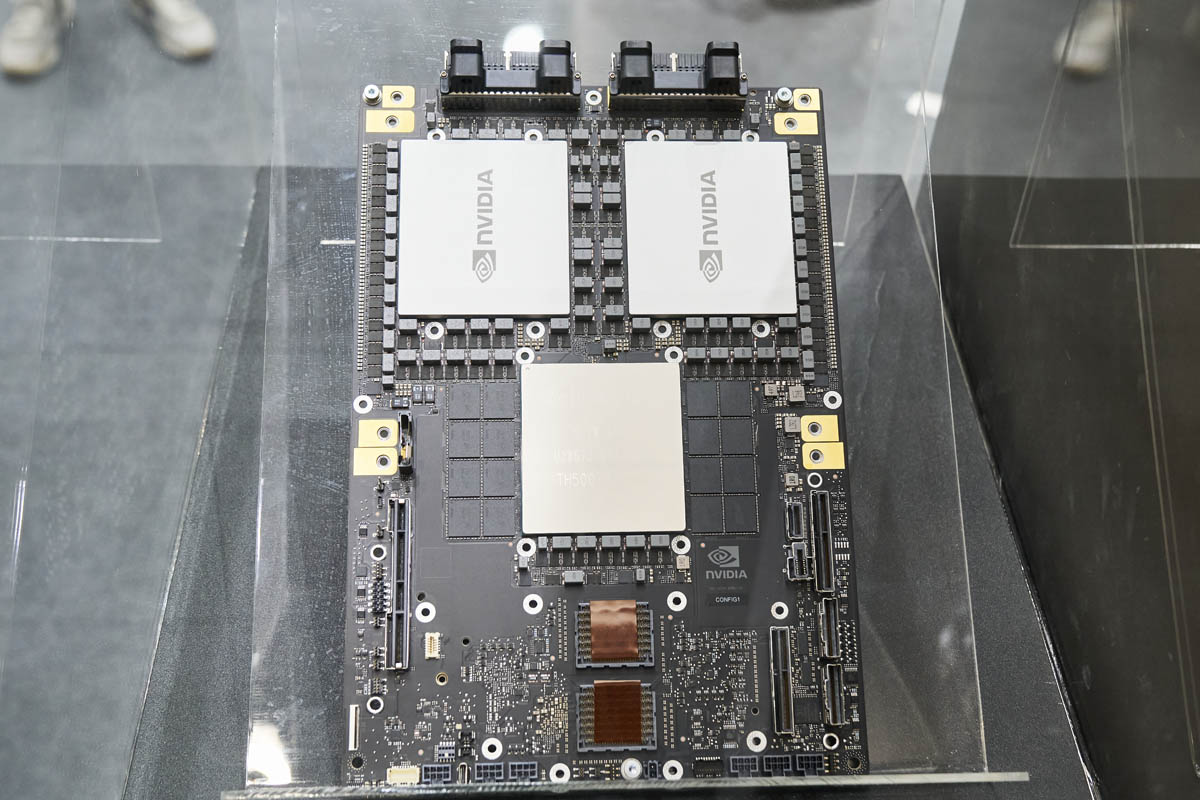
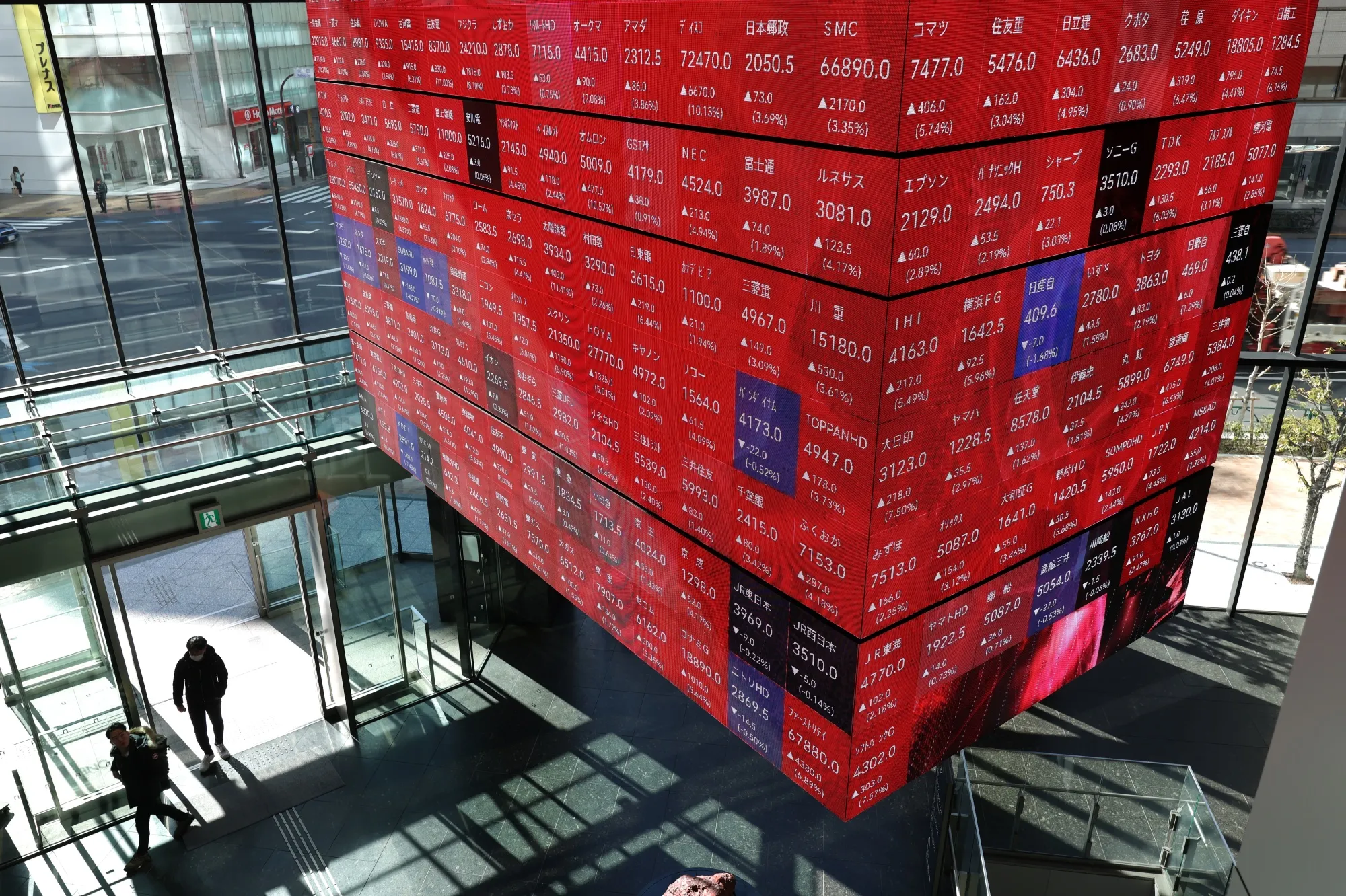
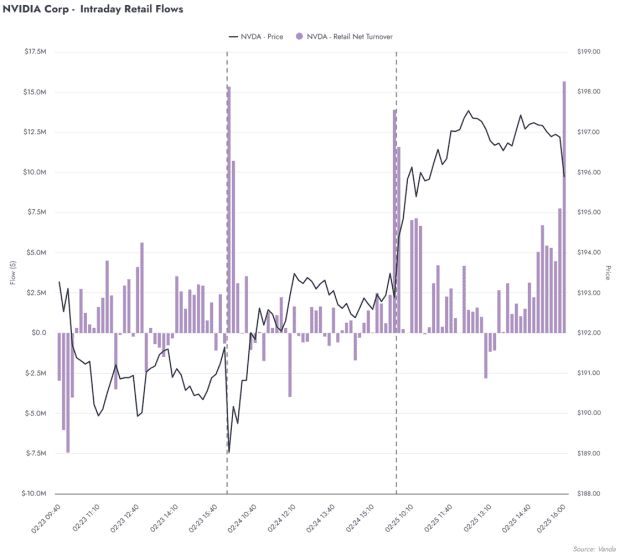
The AI infrastructure investment cycle is accelerating dramatically, creating both opportunities and cost pressures for e-commerce sellers. Nvidia reported record Q4 2025 revenue of $68.1 billion (73% YoY growth) with Q1 2026 guidance of $78.0 billion, driven by enterprise adoption of AI agents and Blackwell chip demand. Despite blockbuster results, Nvidia's stock gained only 0.2%, signaling investor concerns about AI valuation sustainability and potential disruption to SaaS, payment processing, and e-commerce platforms. This muted market reaction reveals critical intelligence for sellers: the market is repricing AI infrastructure expectations downward, suggesting cloud computing costs may stabilize or decline after months of rapid increases.
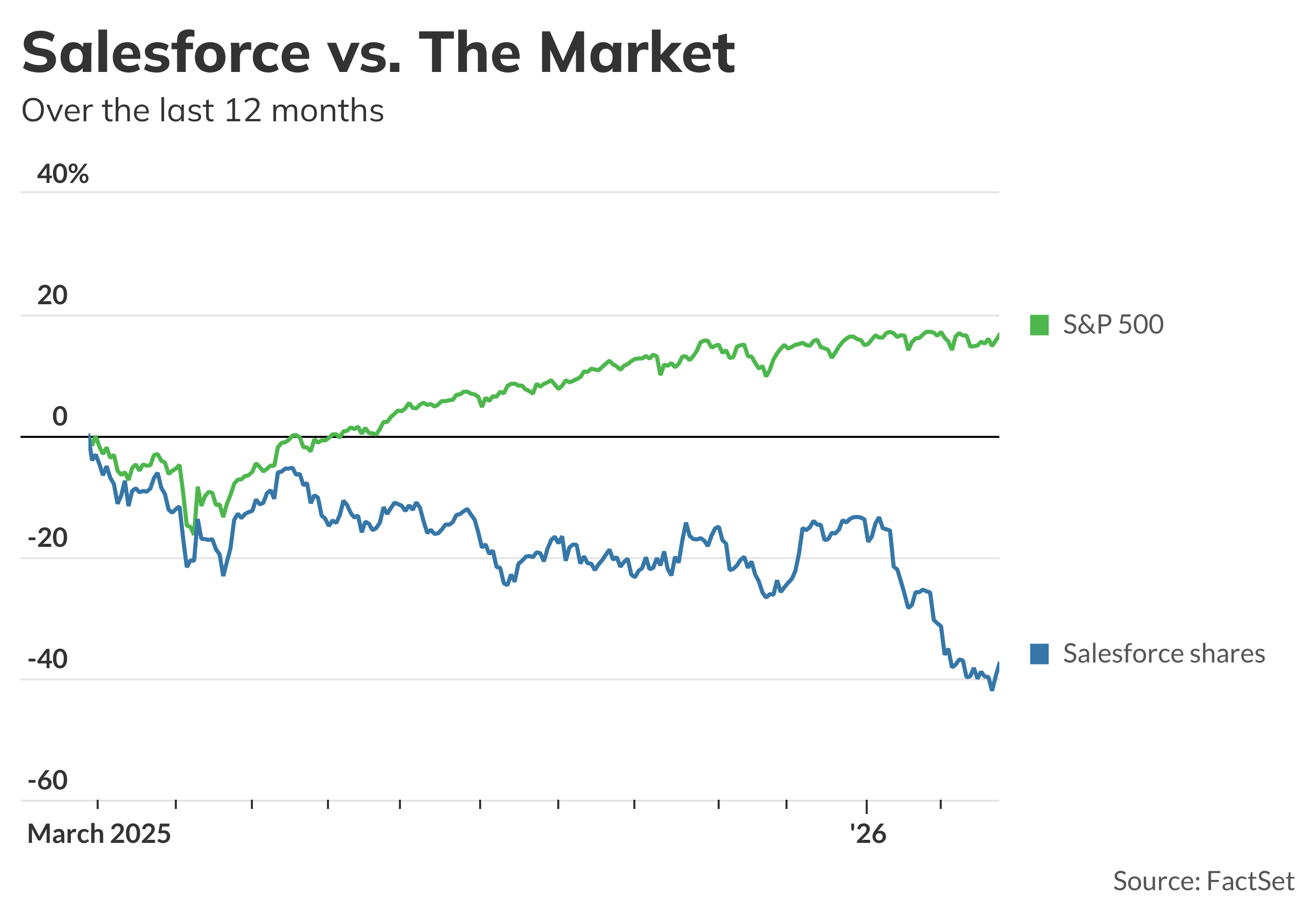
For e-commerce sellers, this news directly impacts operational costs through three mechanisms: First, cloud infrastructure expenses are rising as Amazon AWS, Microsoft Azure, and Google Cloud compete for hyperscaler capex spending. Sellers using AI-powered tools for product research, pricing optimization, and customer service automation are experiencing 8-15% monthly cost increases for compute resources. Second, technology platform pricing is shifting—Salesforce declined 5% on disappointing FY2027 guidance, indicating CRM and marketing automation platforms may increase fees to offset margin pressures from AI infrastructure investments. Third, market sentiment volatility is creating financing headwinds; mortgage rates falling to 5.98% (lowest since 2022) suggest consumer spending power may improve, but technology sector uncertainty could reduce venture funding for e-commerce SaaS tools that sellers depend on.
The strategic opportunity lies in automation ROI timing. Nvidia's guidance suggests continued strong demand for AI compute through Q1 2026, but investor skepticism about long-term sustainability indicates a potential inflection point. Sellers who implement AI-powered automation NOW—before cloud costs potentially stabilize—can lock in efficiency gains while competitors delay. Specific automation wins available immediately: (1) Product research automation using AI tools like Helium 10 or Jungle Scout can reduce manual research time from 20 hours/week to 3-4 hours/week, saving $400-600/month in labor costs; (2) Dynamic pricing engines powered by AI can optimize margins by 2-4% through real-time competitor analysis and demand forecasting; (3) Customer service chatbots can handle 60-70% of routine inquiries, reducing support costs by $800-1,200/month for mid-sized sellers. The window for capturing these efficiency gains before cloud costs potentially decline is 6-12 months, making immediate implementation critical for competitive advantage.
Risk mitigation requires monitoring three indicators: Watch Salesforce, Broadcom, and Western Digital earnings (all down 5-6% on February 26) for signals of enterprise software pricing increases. Track AWS, Azure, and Google Cloud pricing announcements—any increases above 5% annually suggest sustained capex competition. Monitor cryptocurrency movements (Bitcoin at $67,100, down from $69,900) as a proxy for tech sector risk appetite; declining crypto prices correlate with reduced venture funding for e-commerce SaaS startups. Sellers should stress-test their technology budgets assuming 10-12% annual cloud cost increases through 2026, then reassess in Q2 2026 when Nvidia reports Q1 results and provides updated guidance.
Questions 7
How will Nvidia's strong AI demand affect my cloud infrastructure costs in 2026?
Nvidia's $78B Q1 2026 guidance signals sustained demand for AI compute, which typically increases cloud infrastructure costs by 8-15% annually as AWS, Azure, and Google Cloud compete for hyperscaler capex spending. However, investor skepticism about AI valuation sustainability suggests potential cost stabilization by mid-2026. Sellers should expect 10-12% cost increases through Q2 2026, then reassess when Nvidia reports Q1 earnings. Lock in current cloud contracts now if possible, as rates may decline after Q1 2026 earnings season when market sentiment clarifies.
Why did Nvidia stock barely move despite $68.1B record revenue and $78B guidance?
Nvidia's stock gained only 0.2% despite blockbuster results because investors are repricing AI infrastructure expectations downward. The market is concerned about: (1) AI valuation bubble—Nvidia stock appreciated 1,300% over five years with growth already priced in; (2) Sustainability questions—investors doubt hyperscaler capex spending can continue at current levels due to cash flow pressures; (3) Disruption risks—AI could disrupt SaaS, payment processing, and e-commerce platforms, creating uncertainty about long-term demand. This repricing is actually positive for sellers: it suggests cloud costs may stabilize or decline after months of rapid increases, making now the ideal time to lock in automation investments before potential cost reductions.