



Stellantis €22.3B Loss Signals Automotive Supply Chain Disruption | Seller Impact 2026
- Major automaker financial restructuring creates €1.6B tariff headwinds and supplier payment volatility affecting cross-border automotive parts sellers and logistics providers





































Overview
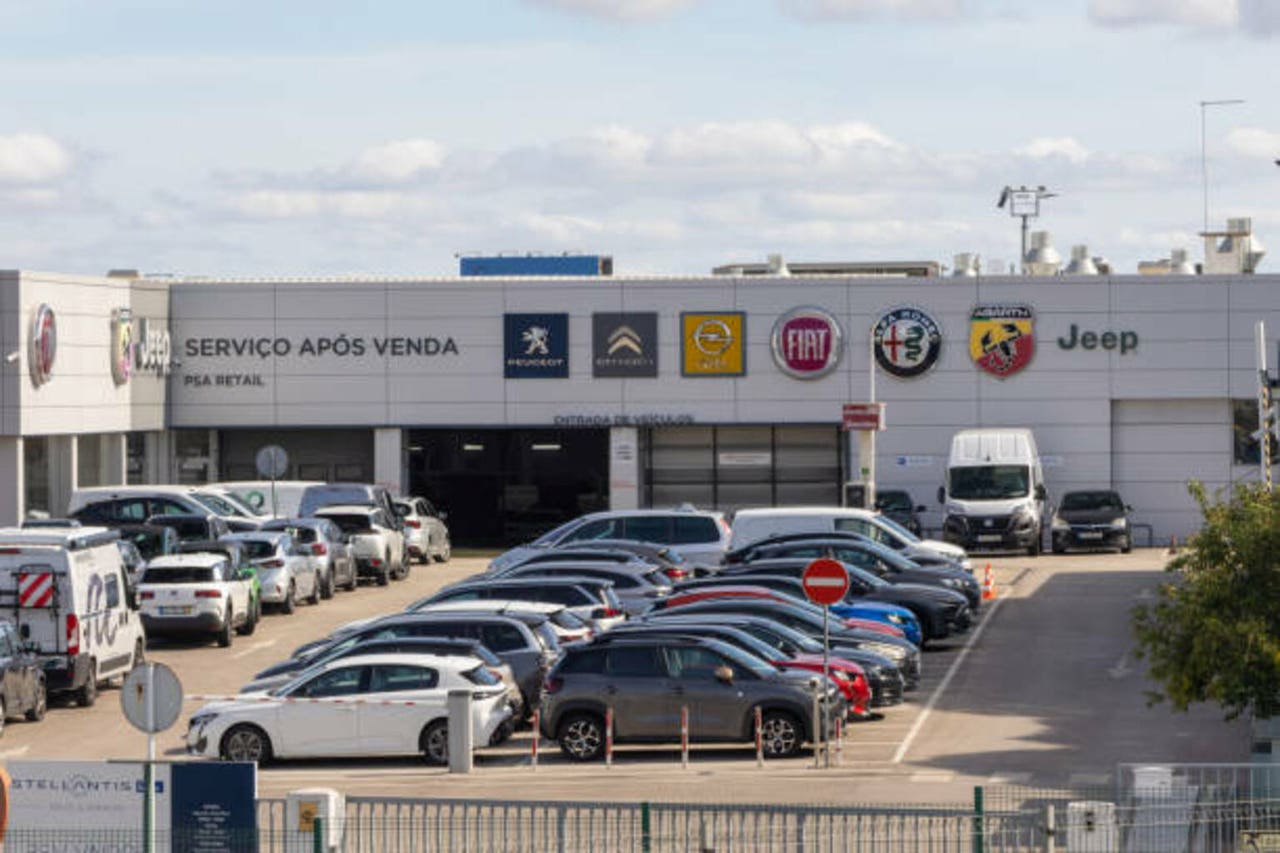
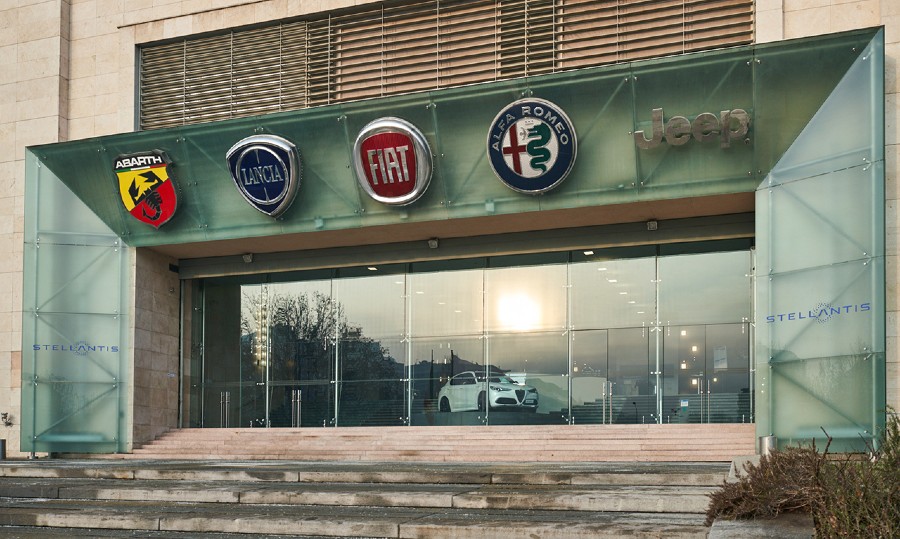
Stellantis' historic €22.3 billion ($26.3 billion USD) annual loss announced February 26, 2026, represents a critical inflection point for cross-border e-commerce sellers in the automotive supply chain and logistics sectors. The multinational conglomerate—controlling Jeep, Dodge, Fiat, Chrysler, and Peugeot—wrote down €25.4 billion in EV-related assets after CEO Antonio Filosa acknowledged "over-estimating the pace of the energy transition." This €842 million adjusted operating loss (versus €8.65 billion profit in 2024) triggers immediate operational consequences for sellers: dividend suspension, €5 billion hybrid bond issuance, and €1.6 billion estimated tariff expenses for 2026.
Supply chain payment volatility emerges as the primary seller risk. Stellantis' financial restructuring directly impacts supplier relationships and payment terms for vendors across the automotive ecosystem. The company's €7.7 billion cash outflow and second-half 2025 operating loss of €1.6 billion signal tightened working capital management. Cross-border sellers supplying automotive components, aftermarket parts, and logistics services should anticipate extended payment cycles (30-60 day delays), stricter quality requirements to reduce warranty costs (€4.1 billion in charges), and potential contract renegotiations. The broader Detroit automaker crisis—Ford announcing $19.5 billion in charges, GM showing resilience with stock gains—creates fragmented demand patterns where sellers must diversify supplier relationships rather than concentrating on single OEM partnerships.
Market recovery signals present selective opportunities despite near-term headwinds. Second-half 2025 showed improvement with 2.8 million consolidated shipments and 10% revenue growth to €79.25 billion, with North America driving performance. Stellantis projects 25% U.S. retail sales gains in 2026 targeting reversal of seven consecutive years of declines, supported by redesigned Jeep Cherokee and refreshed Grand Wagoneer launches. This recovery trajectory suggests mid-single-digit revenue increases and low-single-digit adjusted operating margins—sufficient to stabilize supplier relationships by Q3 2026. However, tariff exposure remains acute: €1.6 billion in estimated tariff costs will likely compress margins for sellers importing components from non-EU/US sources, particularly those serving Stellantis' North American operations. Sellers should monitor CEO Filosa's brand portfolio decisions and dealership restructuring announcements, as these will determine which product categories (OEM parts, accessories, aftermarket components) receive inventory investment priority.
Immediate actions focus on payment risk mitigation and tariff cost modeling. Sellers should conduct supplier concentration analysis—identifying what percentage of revenue derives from Stellantis-related supply chains—and establish payment term reserves (assume 15-30 day extensions). For automotive parts sellers on Amazon, eBay, and Shopify, this means stress-testing inventory turnover assumptions and potentially reducing SKU depth in slow-moving categories. Tariff planning becomes critical: sellers importing automotive components should model €1.6 billion tariff impact across Stellantis' product portfolio and adjust pricing strategies accordingly, particularly for North American shipments where tariff pass-through to consumers is limited. Long-term, the EV strategy pivot away from aggressive timelines creates opportunity in hybrid and extended-range vehicle aftermarket segments—sellers should begin sourcing inventory for hybrid-specific components (battery management systems, thermal management parts) where Stellantis and Ford are redirecting R&D investment. Monitor Q1 2026 earnings guidance and supplier communication for payment term changes; establish alternative logistics partnerships to reduce single-carrier dependency if Stellantis-related volumes decline.
Questions 8
What tariff costs should automotive sellers anticipate from Stellantis' 2026 guidance?
Stellantis estimates €1.6 billion in net tariff expenses for 2026, representing a significant cost headwind for sellers importing components. This tariff exposure particularly affects sellers serving Stellantis' North American operations, where tariff pass-through to consumers is limited. Sellers should model tariff impact on component pricing—especially for battery management systems, thermal management parts, and hybrid-specific components. For sellers on Amazon and eBay, tariff costs may compress margins by 5-8% on imported automotive parts unless pricing strategies adjust accordingly.
How does Stellantis' €22.3 billion loss affect cross-border automotive parts sellers?
Stellantis' historic loss directly impacts seller cash flow through extended payment cycles and stricter supplier terms. The company's €7.7 billion cash outflow and €842 million operating loss signal tightened working capital management. Cross-border sellers should expect 15-30 day payment delays and potential contract renegotiations. Additionally, the €4.1 billion warranty charge indicates Stellantis will demand higher quality standards from suppliers to reduce future costs. Sellers should establish payment reserves and diversify customer bases beyond Stellantis-dependent supply chains.