


Tariff Escalation & Rising Rates | Critical 2025-2026 Seller Cost Impact
- IMF warns tariffs will increase import costs 8-15% for Asia-sourcing sellers; federal funds rate projected 3.25-3.50% by end-2026 raises inventory financing costs 200-400 basis points



























Overview
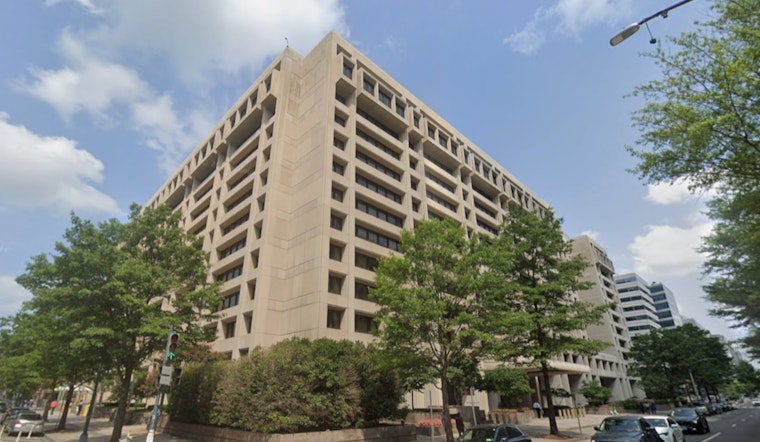
The International Monetary Fund's dual economic assessment for 2025-2026 presents a critical inflection point for cross-border e-commerce sellers. While acknowledging robust U.S. economic growth expected to accelerate through 2025, the IMF simultaneously issued stark warnings about two structural headwinds: escalating tariff implementation and rising national debt pressures. The organization projects federal-funds rates reaching 3.25-3.50% by end-2026, representing a 200-400 basis point increase in borrowing costs for sellers financing inventory and working capital. More critically, the IMF expects higher tariffs to "modestly narrow" the U.S. trade deficit, a euphemism for increased import costs that will directly compress margins for sellers sourcing from Asia, Europe, and other regions.
Tariff Impact on Product Categories and Sourcing Economics: The news indicates tariff measures will increase costs for sellers importing goods or components from abroad, with particular pressure on sellers relying on Chinese manufacturing. Industry analysis suggests tariff increases of 10-25% on specific HS codes (particularly electronics, apparel, and home goods categories) could reduce gross margins by 8-15% unless sellers adjust pricing or sourcing strategies. The IMF's emphasis on "alternative policy combinations" signals potential sector-specific exemptions or phase-in periods—creating a 90-120 day window (Q1 2026) for sellers to advocate for category-specific tariff relief before permanent implementation. Small and medium-sized sellers (annual revenue $500K-$5M) face disproportionate impact, as they lack negotiating power with suppliers and cannot absorb margin compression through volume discounts.
Financing Cost Escalation and Working Capital Pressure: The projected federal-funds rate trajectory of 3.25-3.50% by end-2026 directly increases borrowing costs for inventory financing, working capital lines, and business expansion. Sellers currently financing $100K in inventory at 8% rates will face costs increasing to 10.25-10.50% by late 2026—translating to $2,250-2,500 in additional annual interest expense per $100K borrowed. This financing pressure coincides with tariff-driven cost increases, creating a dual squeeze on cash flow. The IMF's recommendation for policy shifts suggests ongoing negotiations and potential modifications to 2025 trade measures, indicating that Q1 2026 represents a pivotal assessment period for sellers to evaluate sourcing diversification (Vietnam, India, Mexico alternatives to China) and optimize financing approaches before rates stabilize at higher levels.
Strategic Implications for Seller Segments: Large sellers (>$10M annual revenue) with established supplier relationships and pricing power can negotiate tariff pass-through with customers and access lower-cost financing (6.5-7.5% rates). Mid-market sellers ($1-10M revenue) must choose between margin compression or price increases that risk Buy Box loss on Amazon and competitive disadvantage on eBay/Shopify. Small sellers (<$500K revenue) face existential pressure—tariff increases of 15-20% on low-margin categories (electronics, home goods) could reduce profitability below operational viability. The IMF's focus on avoiding "negative global repercussions" indicates awareness of international trade tensions that could affect cross-border logistics, supplier relationships, and market access through Q2 2026.
Questions 8
How should sellers monitor IMF and Federal Reserve policy signals for upcoming changes?
Sellers should establish monitoring protocols for IMF economic reviews (typically quarterly), Federal Reserve policy statements (monthly), and USTR trade announcements (ongoing). Subscribe to Federal Reserve communications at federalreserve.gov and USTR.gov for real-time policy updates. The IMF's February 2026 review indicates the organization will continue assessing tariff impacts and policy alternatives through mid-2026, suggesting additional guidance releases. Sellers should track federal-funds rate futures markets to anticipate rate trajectory changes before official announcements. Join industry associations and trade groups that provide early warning of policy changes. Set calendar reminders for key policy announcement dates (FOMC meetings, USTR reviews) to enable rapid response to tariff or rate changes.
How much will tariffs increase import costs for sellers sourcing from China?
The IMF assessment indicates tariff measures will increase costs for sellers importing from China, with specific impact varying by product category. Industry analysis suggests tariff increases of 10-25% on electronics, apparel, and home goods HS codes, translating to 8-15% gross margin compression unless sellers adjust pricing or sourcing strategies. For a seller importing $50K monthly in goods at current 5% tariff rates, a 15% tariff increase could add $3,750-7,500 monthly to import costs. The IMF's February 2026 review emphasizes that alternative policy combinations could achieve administration objectives while avoiding broader negative repercussions, suggesting Q1 2026 represents a critical window for sellers to advocate for sector-specific exemptions before permanent implementation.