



Southeast Asian Diplomacy Resets: How Strategic Prisoner Exchange Reshapes Regional Stability
- Geopolitical Breakthrough Signals Potential for Negotiated Conflict Resolution in Volatile Border Regions












Overview
The Thailand-Cambodia border conflict represents a critical inflection point in Southeast Asian geopolitical dynamics, demonstrating how strategic diplomacy can transform entrenched regional tensions. At the heart of this breakthrough lies a nuanced prisoner exchange that goes far beyond a simple military transaction.
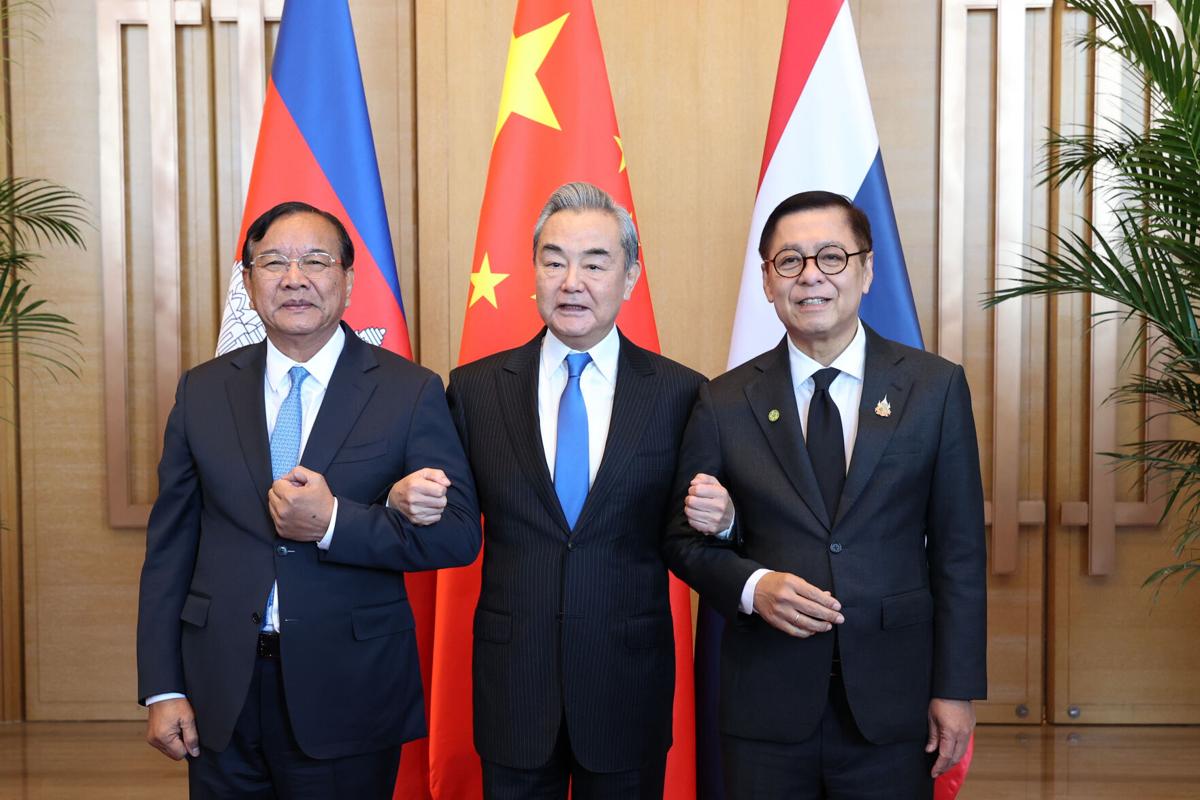
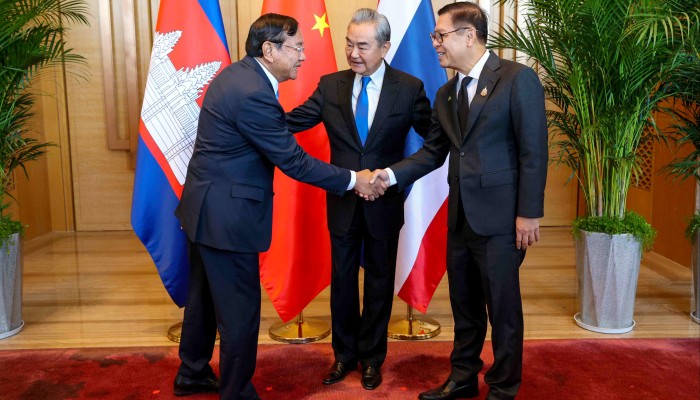
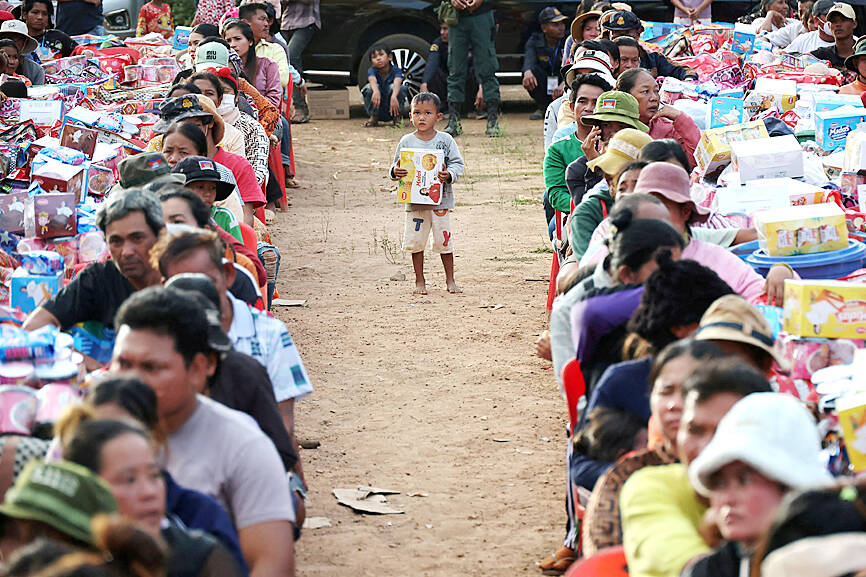
The conflict's escalation was dramatic, with 20 days of intense border clashes resulting in 101 fatalities and displacing over 500,000 civilians. What makes this resolution significant is not just the ceasefire, but the sophisticated diplomatic mechanism that enabled it. Chinese diplomatic pressure played a pivotal role in facilitating negotiations, highlighting the emerging importance of regional mediation strategies.
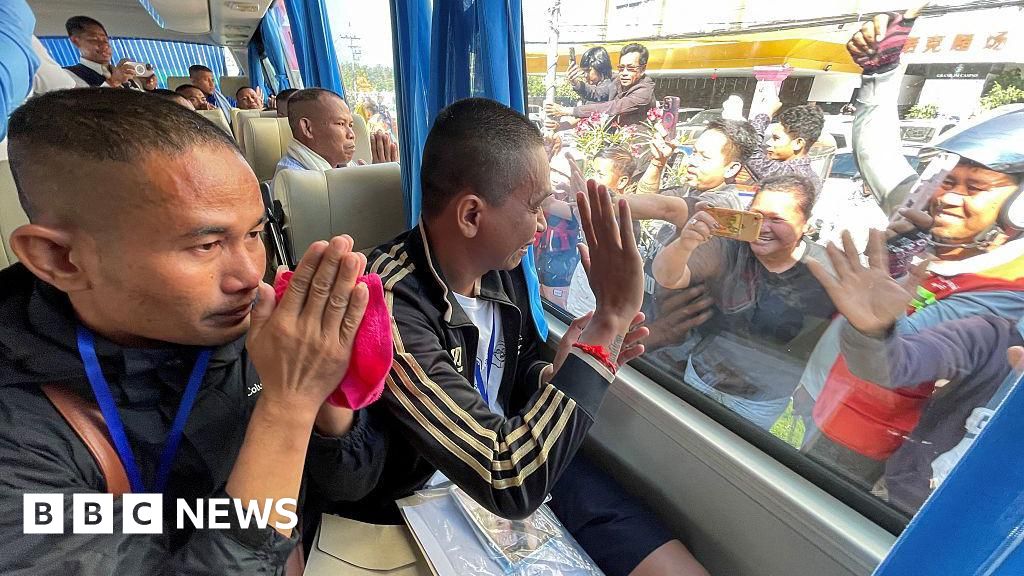
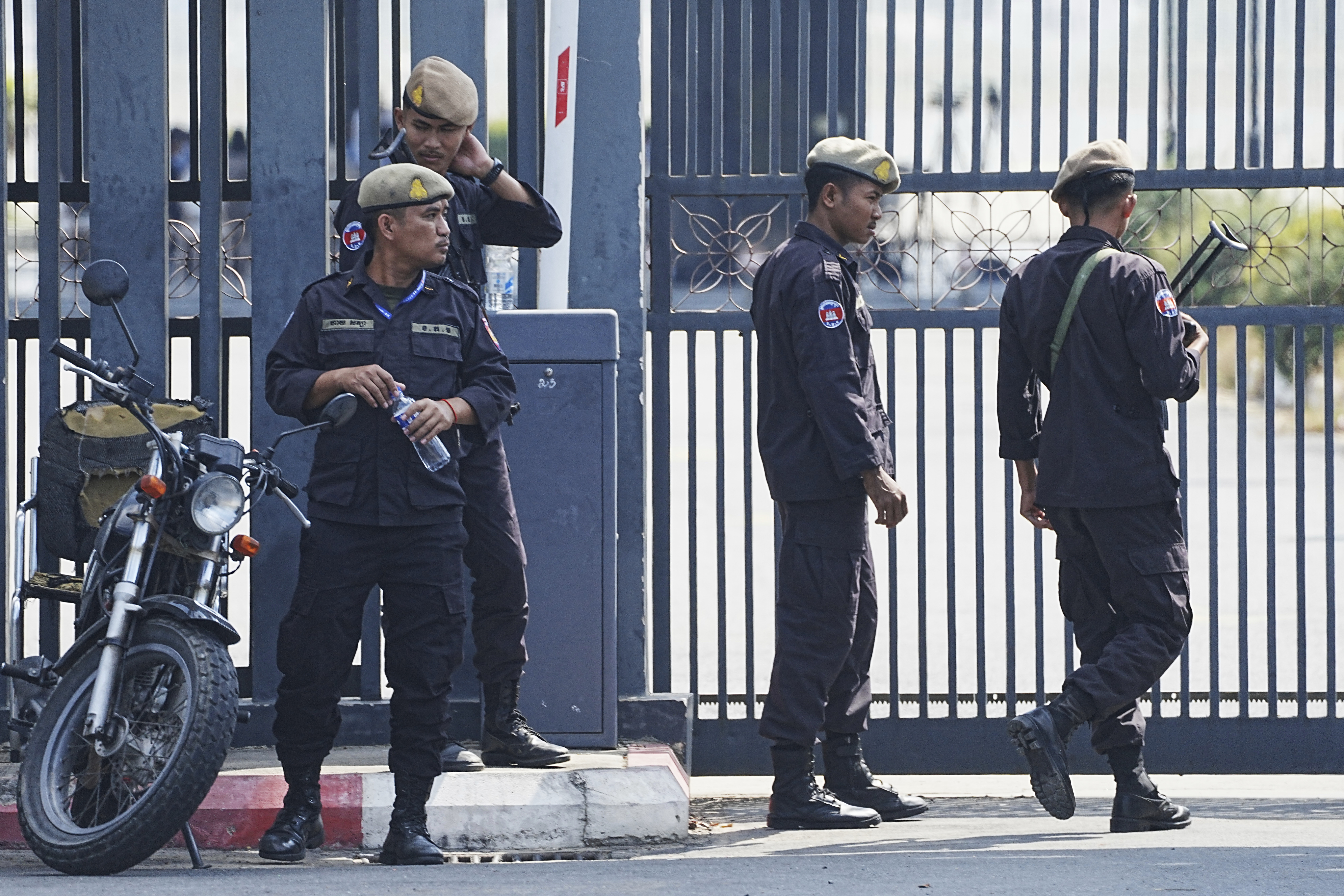
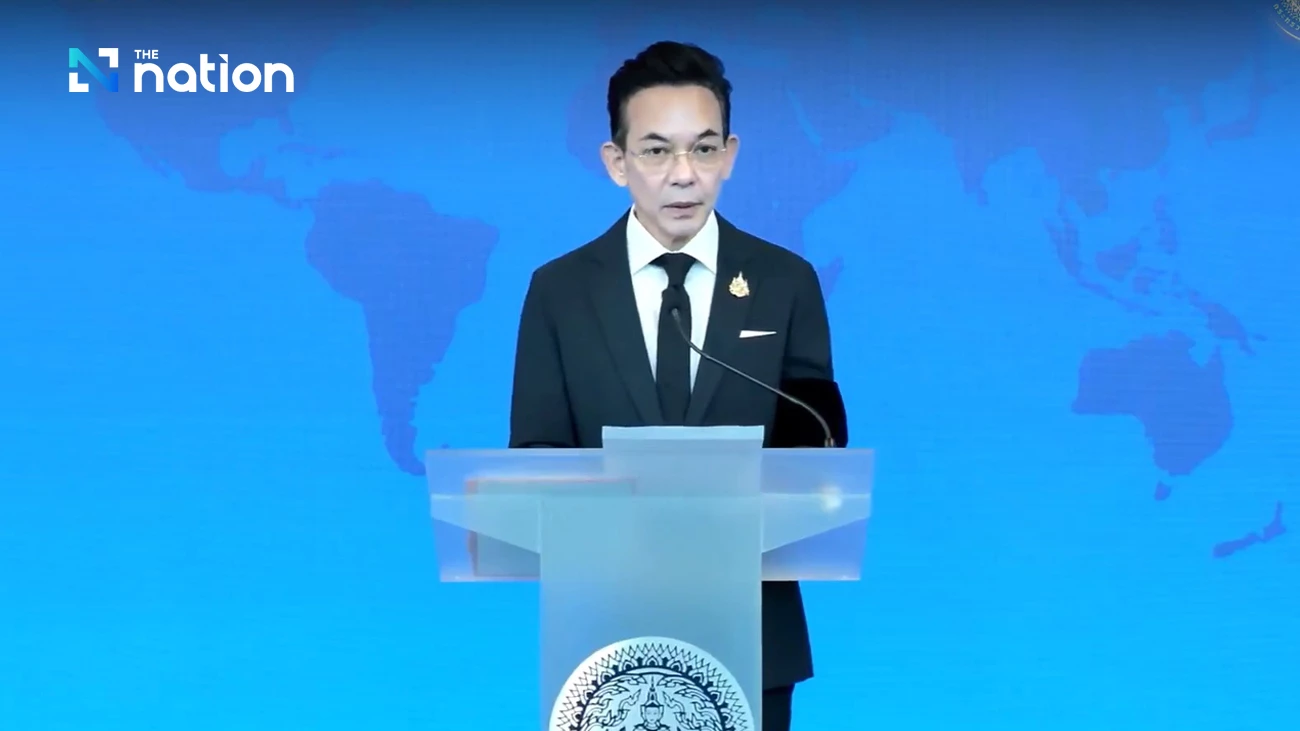
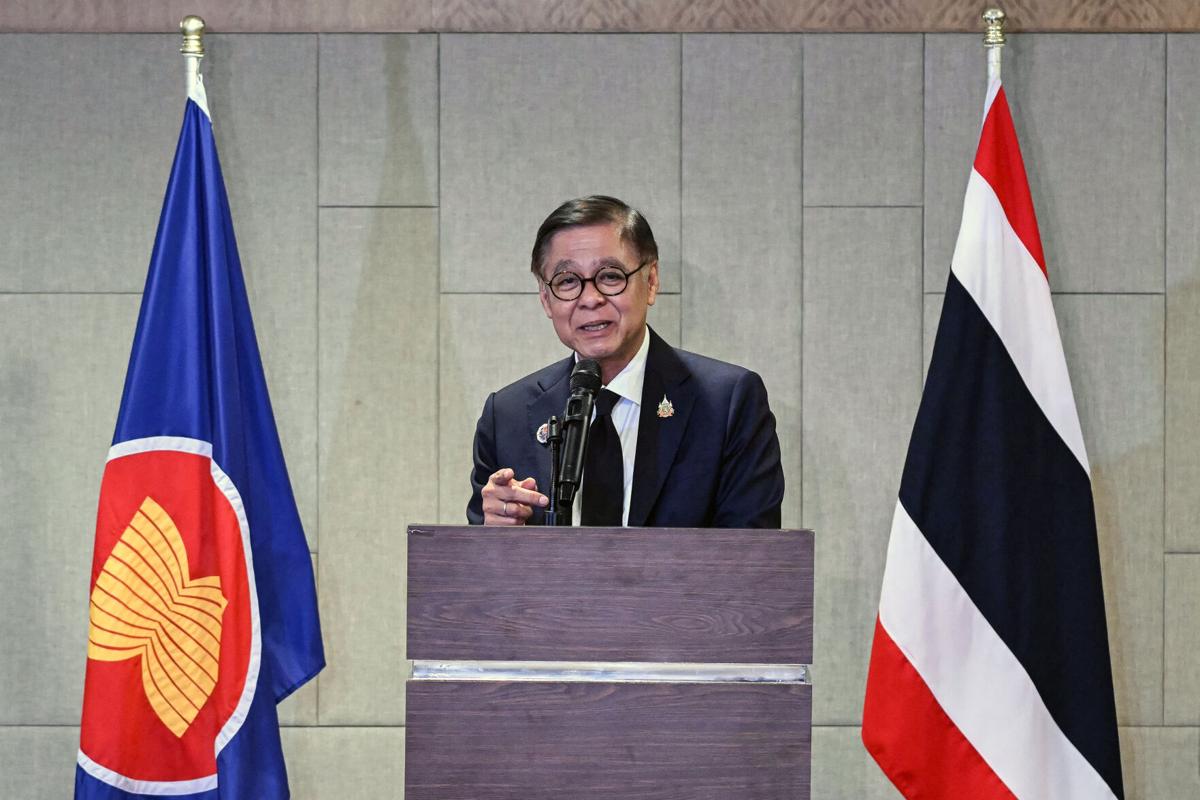
The prisoner release represents more than a humanitarian gesture—it's a calculated geopolitical recalibration. By returning 18 Cambodian soldiers detained since July, Thailand has created a strategic opening for rebuilding bilateral trust. The carefully choreographed handover, supervised by the International Committee of the Red Cross, signals a commitment to international humanitarian protocols and demonstrates how structured diplomatic channels can defuse potentially explosive situations.
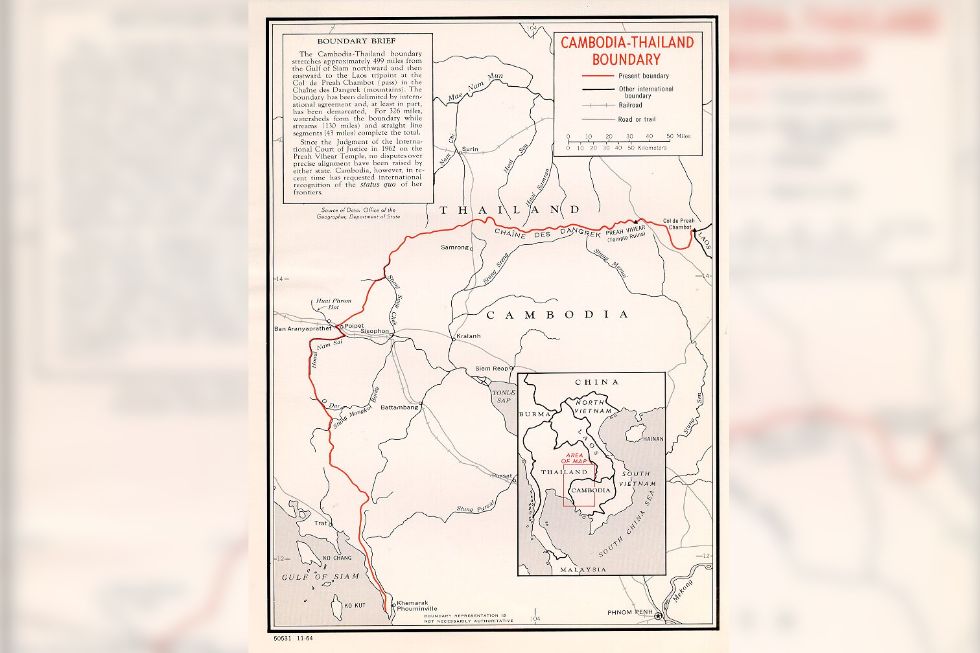
Critically, the resolution reveals the complex interdependencies in Southeast Asian geopolitics. The conflict's roots trace back to century-old territorial disputes, yet the resolution shows a maturation of diplomatic approaches. Instead of prolonged military confrontation, both nations opted for negotiated settlement—a potentially transformative model for managing regional tensions.
For cross-border businesses and strategic observers, this development offers crucial insights. The conflict exposed significant operational risks in Southeast Asian markets, including disrupted supply chains and potential trade restrictions. Companies with regional interests must now recalibrate their risk assessment models, recognizing that diplomatic breakthroughs can rapidly reshape economic landscapes.
The successful prisoner exchange and subsequent ceasefire do not guarantee permanent peace, but they represent a significant step toward regional stability. By prioritizing dialogue over confrontation, Thailand and Cambodia have demonstrated a pragmatic approach to conflict resolution that could serve as a template for other contested border regions.
Questions 4
What triggered the recent Thailand-Cambodia border conflict?
The conflict originated from century-old territorial disputes, with a recent escalation triggered by a provocative incident involving Cambodian women singing patriotic songs in a disputed temple. Tensions peaked in July with five days of intense fighting, resulting in military and civilian casualties.
What are the potential business implications of this conflict resolution?
For cross-border businesses, the resolution signals a need to reassess regional operational risks. The conflict exposed vulnerabilities in supply chains and potential trade disruptions. Companies must now develop more flexible contingency plans and closely monitor diplomatic developments in Southeast Asian markets.