





The Great Transatlantic Divorce: How US-EU Relations Unraveled
- Geopolitical realignment signals fundamental shift in international economic partnerships






Overview
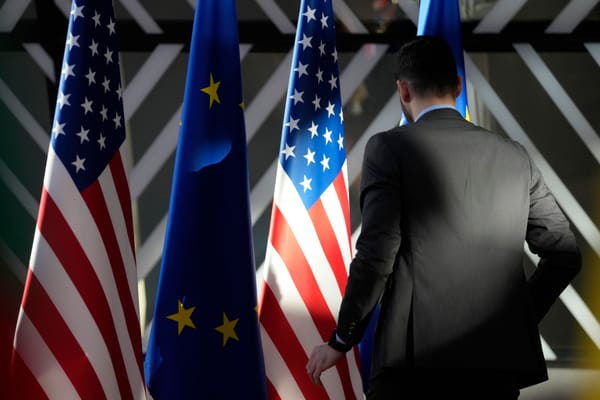
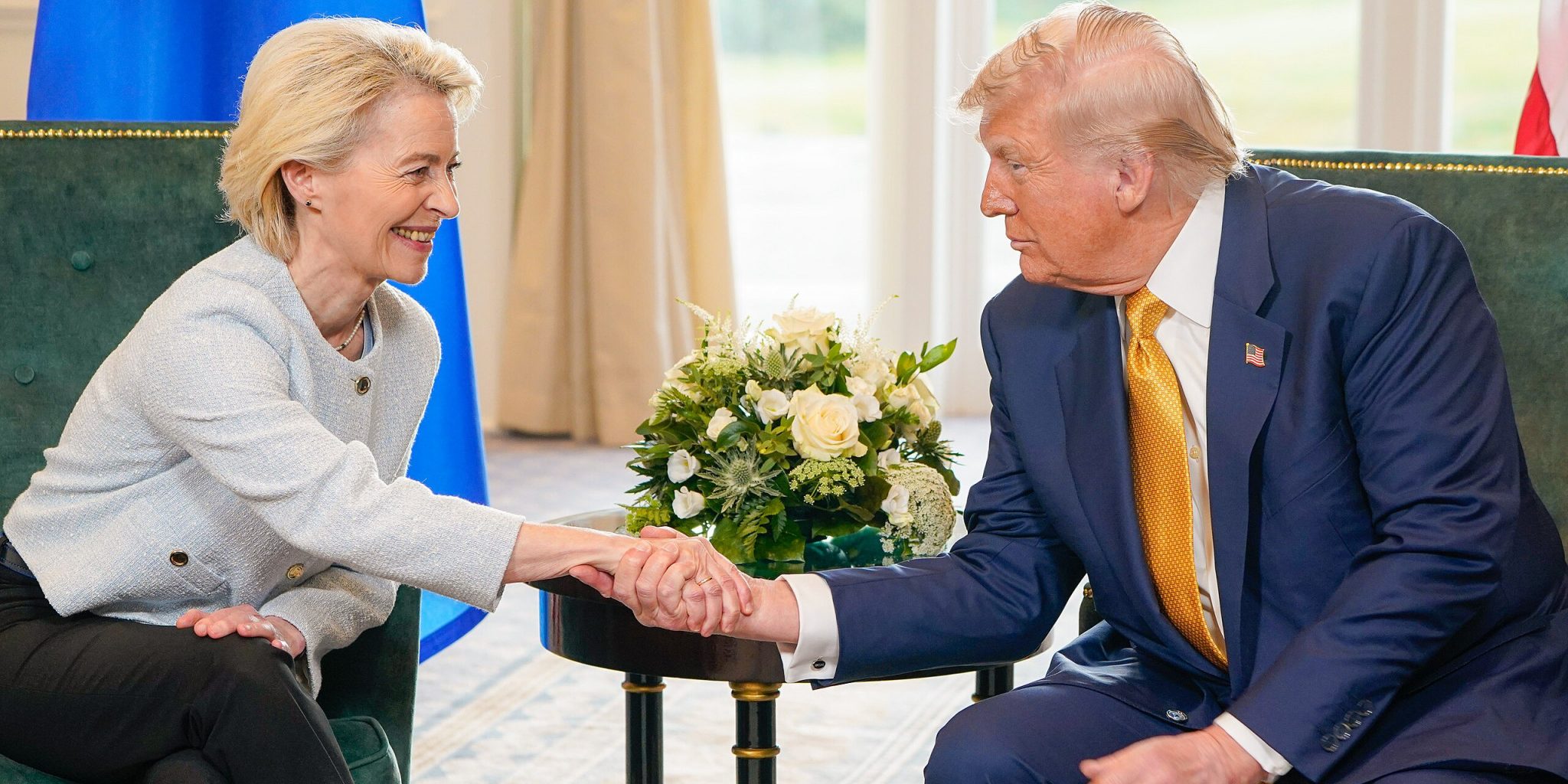
The transatlantic relationship is experiencing a profound structural transformation, marked by escalating tensions between the United States and the European Union that extend far beyond traditional diplomatic disagreements. At the core of this rupture lies a fundamental strategic recalibration, where the post-World War II alliance is being systematically dismantled through a series of calculated provocations and regulatory confrontations.
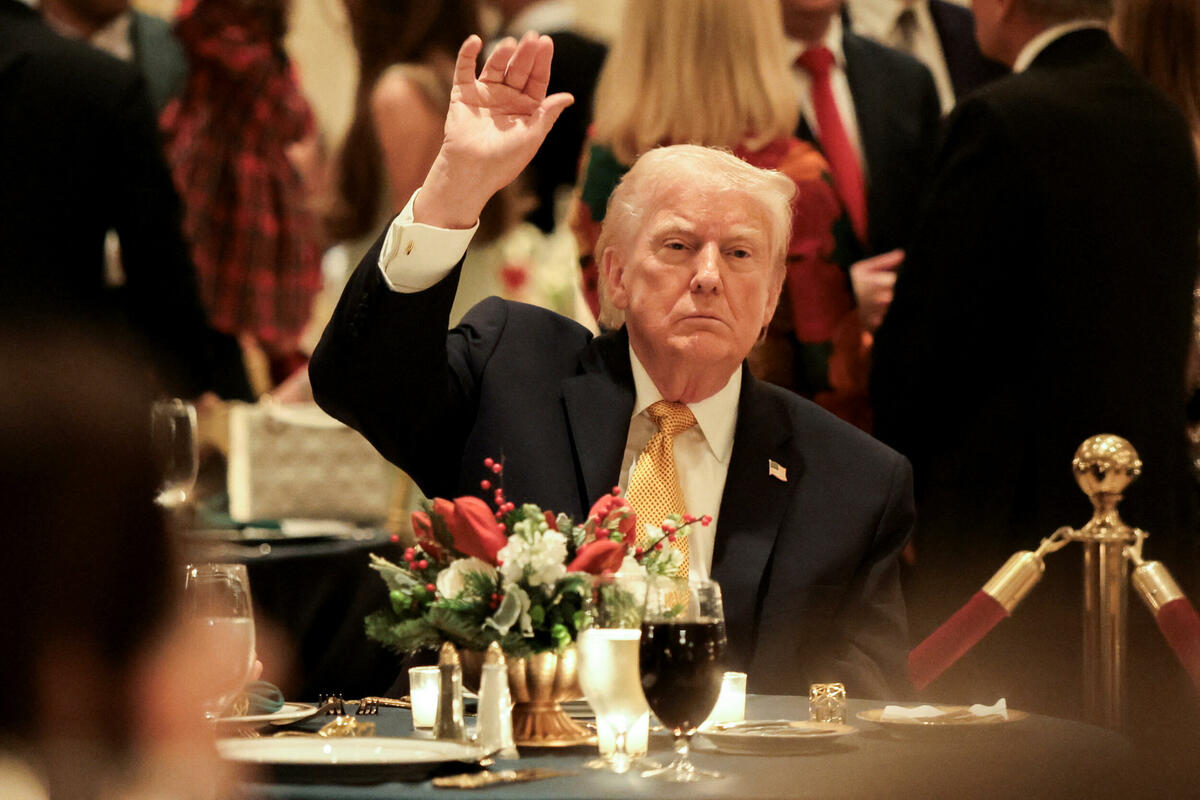
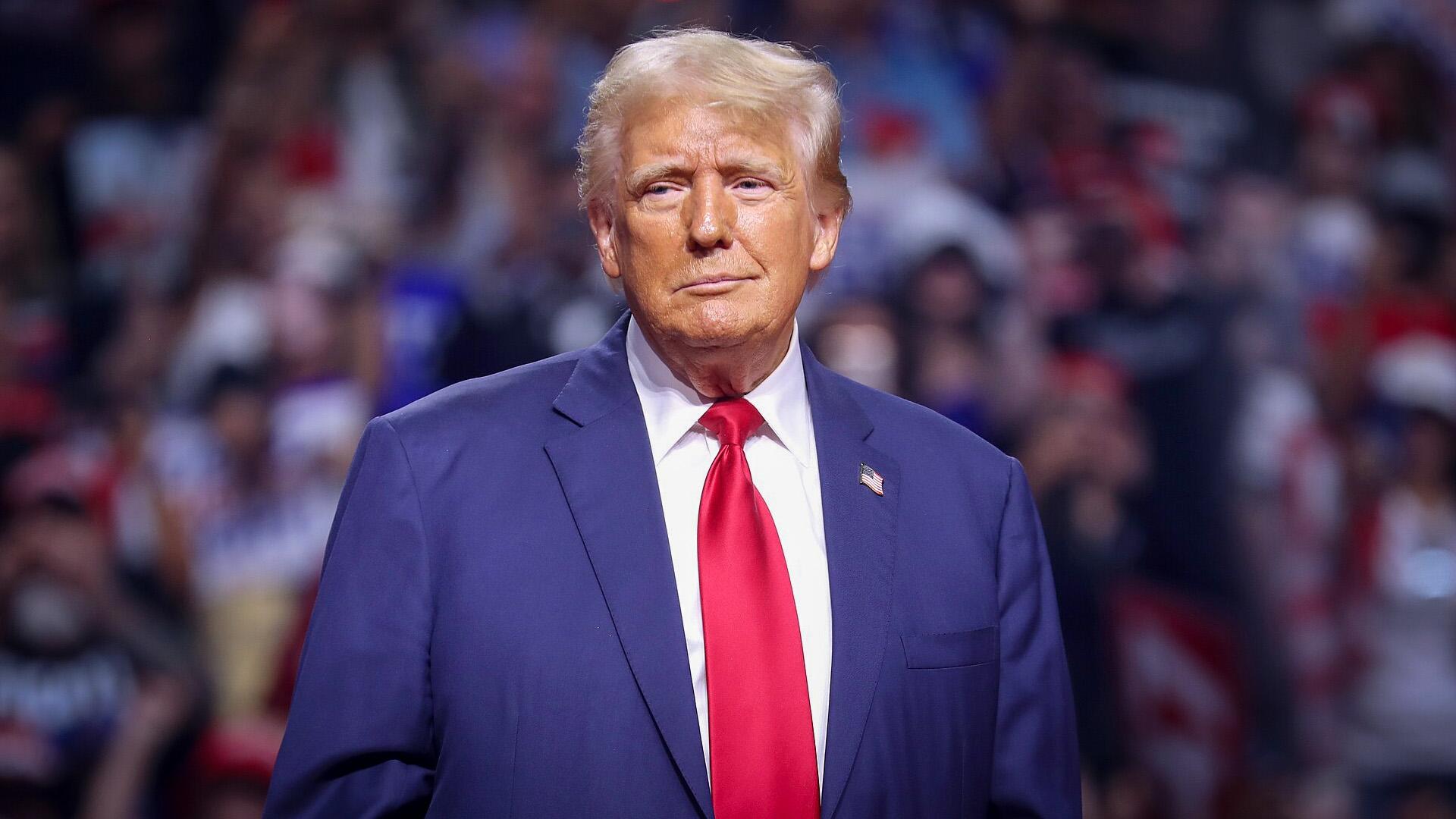
The conflict manifests most visibly in digital regulation and economic policy domains. In a pivotal moment, the European Commission fined Elon Musk's X platform 120 million euros for violating the Digital Services Act, to which the Trump administration responded by imposing visa restrictions on European officials. This exchange represents more than a mere regulatory dispute—it signals a deeper geopolitical power struggle where the EU is strategically positioning itself to challenge American economic dominance.
The Trump administration's critique of Europe as an "over-regulated bureaucracy" reveals a fundamental ideological divergence. By challenging European governance models, defense spending commitments, and democratic frameworks, the U.S. is effectively dismantling decades of collaborative infrastructure. European nations, particularly Germany, are now signaling a need to pursue independent strategic interests, recognizing that the predictable U.S. support has fundamentally altered.
For international businesses, this diplomatic fragmentation creates a complex new landscape. Cross-border e-commerce sellers must now navigate increasingly intricate regulatory environments, with potential trade barriers, compliance complexities, and market access challenges emerging. The geopolitical tension suggests a future of more protectionist, confrontational international relations strategies that will demand unprecedented adaptability from global enterprises.
The long-term implications are profound: what was once a cornerstone of global economic and security cooperation is being systematically reconstructed. This is not merely a diplomatic shift, but a tectonic realignment of international power dynamics that will reshape global trade, technological regulation, and strategic partnerships for decades to come.
Questions 3
What are the long-term implications of the deteriorating US-EU relationship?
The breakdown signals a fundamental restructuring of global economic partnerships. European nations are likely to pursue more independent strategic interests, potentially creating new trade alliances and regulatory frameworks that challenge traditional US-led economic models.
How are cross-border e-commerce sellers impacted by the US-EU tensions?
Sellers face increased regulatory complexity, potential trade barriers, and more challenging compliance requirements. They must develop adaptive strategies that account for diverging US and EU digital regulations, potentially requiring separate operational models for each market.