

Humanitarian Aid Gridlock Emerges as Israel Tightens NGO Access in Gaza
- Strategic restrictions signal profound geopolitical reconfiguration of international aid delivery




















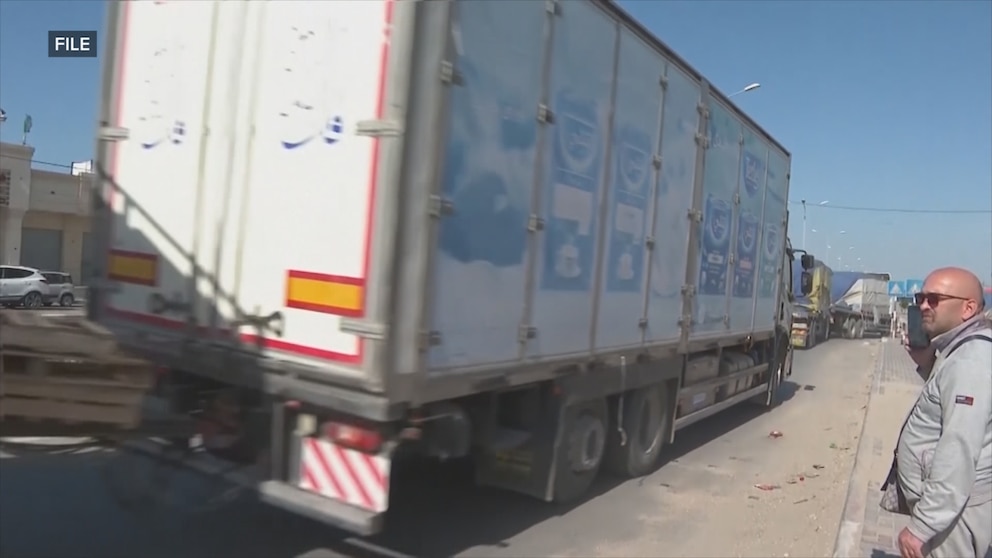


Overview
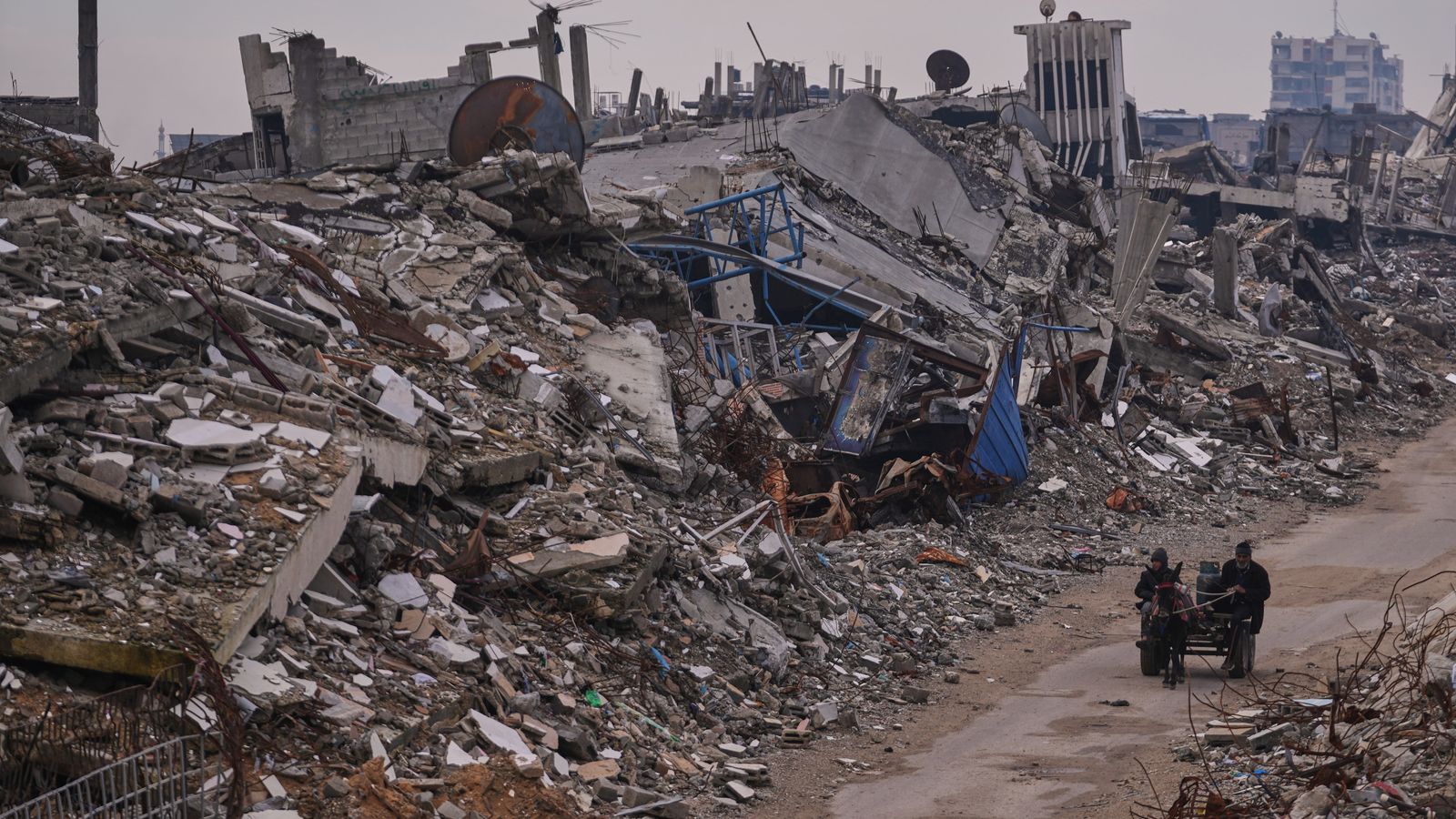
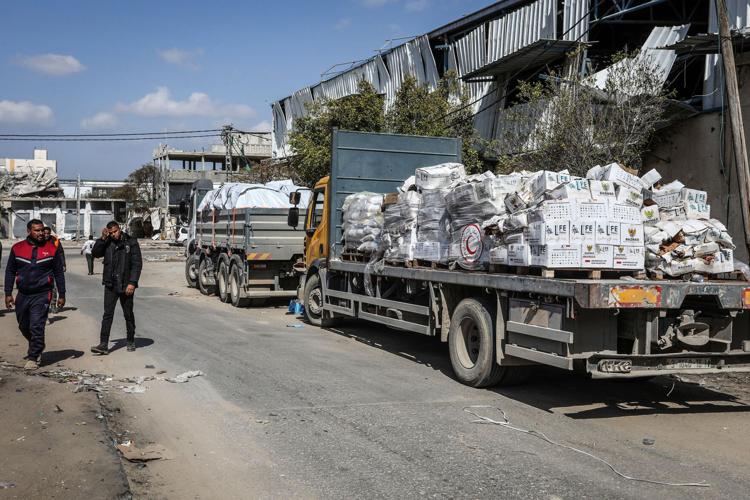
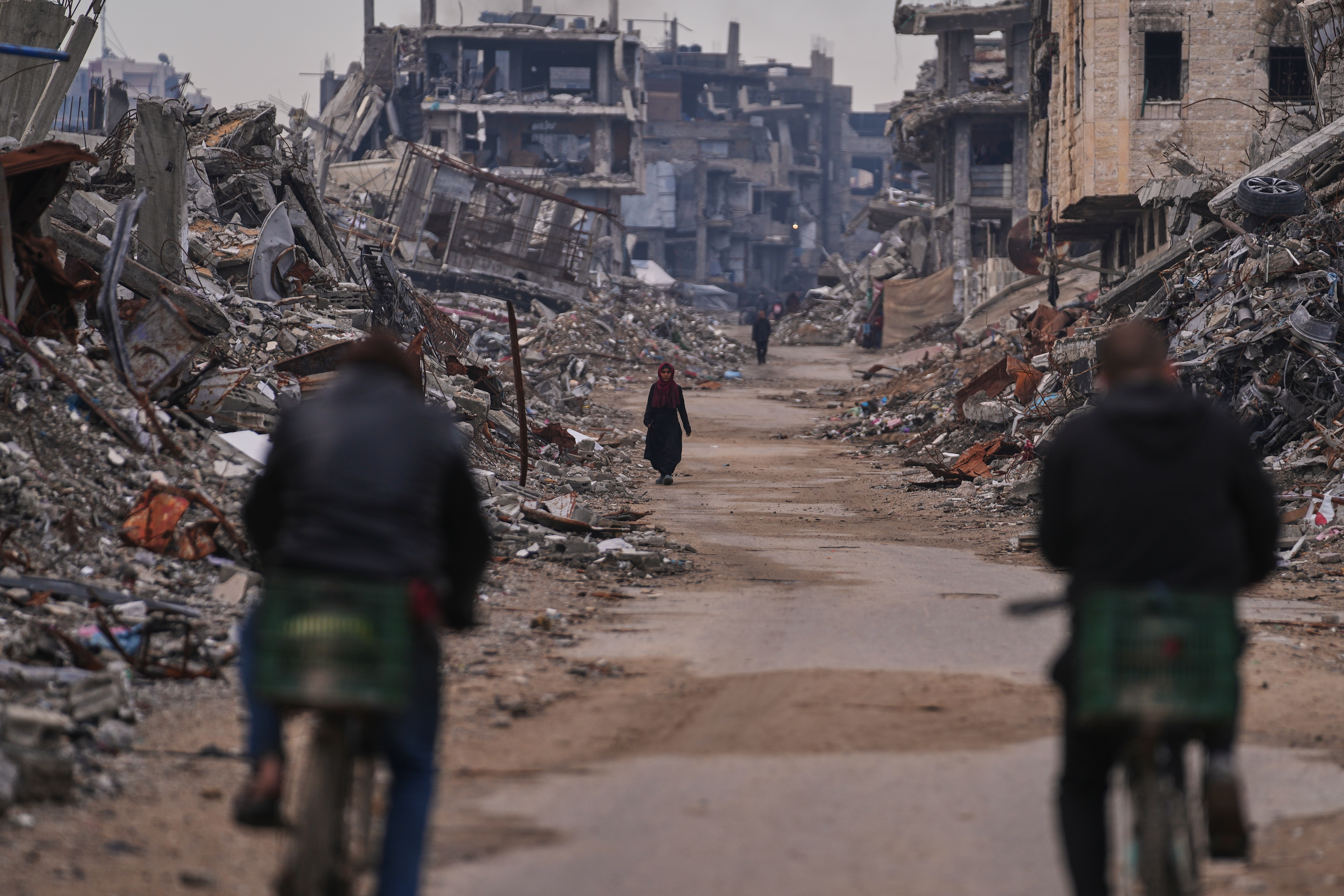
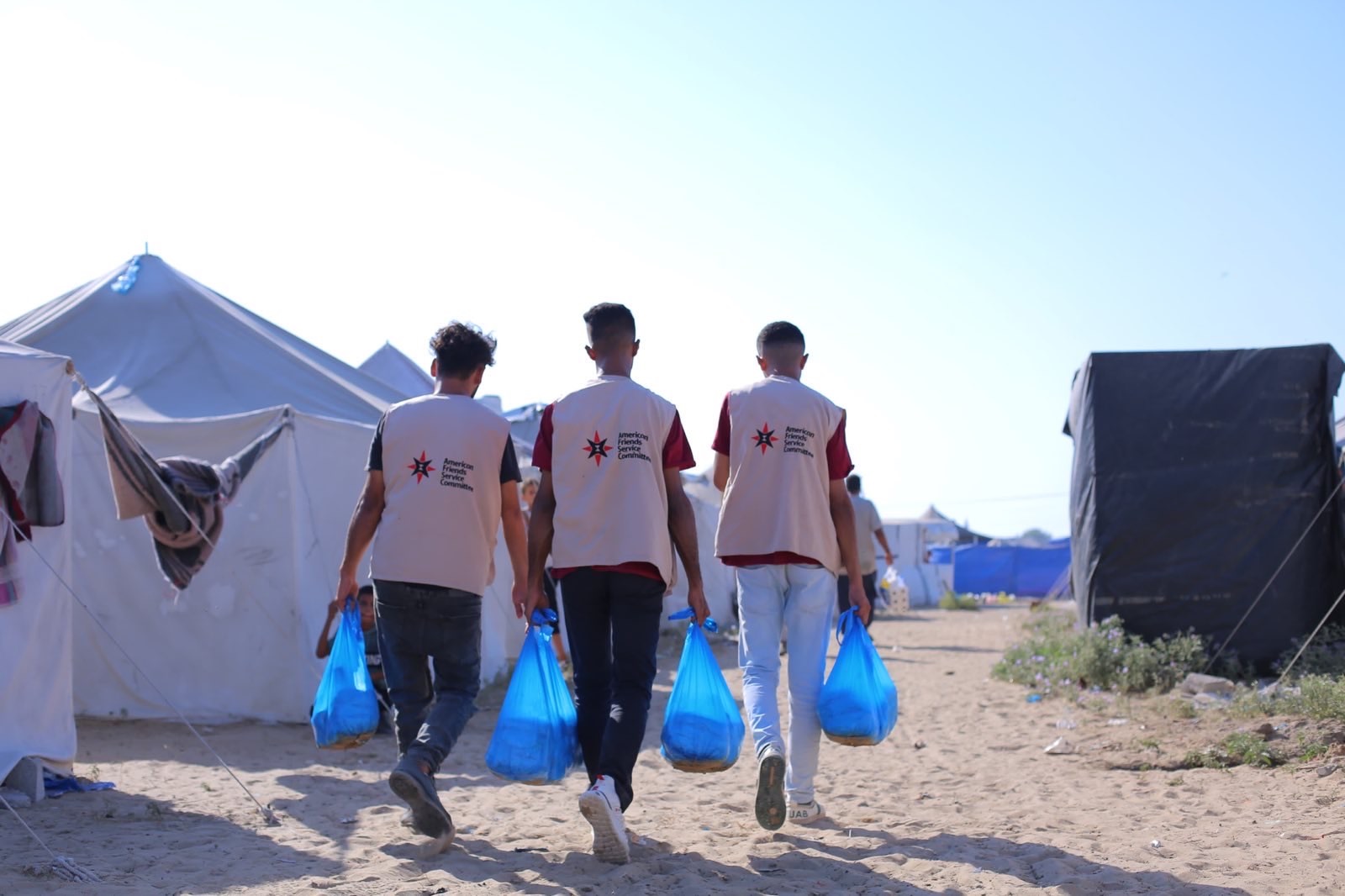
Humanitarian aid operations in Gaza are facing an unprecedented systemic disruption as Israel implements increasingly stringent registration requirements that threaten to fundamentally reshape international intervention capabilities. The emerging policy landscape represents a critical inflection point where geopolitical security imperatives are directly colliding with humanitarian access.
Israel's calculated policy approach reveals a multi-stage strategy of systematically constraining international humanitarian presence. By mandating comprehensive employee information submissions and implementing phased operational suspensions, the Israeli government is creating a regulatory environment that effectively transforms humanitarian access. The timeline is particularly strategic: initial suspensions begin January 1st, 2025, with complete organizational exits potentially mandated by March, creating a compressed window for compliance and adaptation.
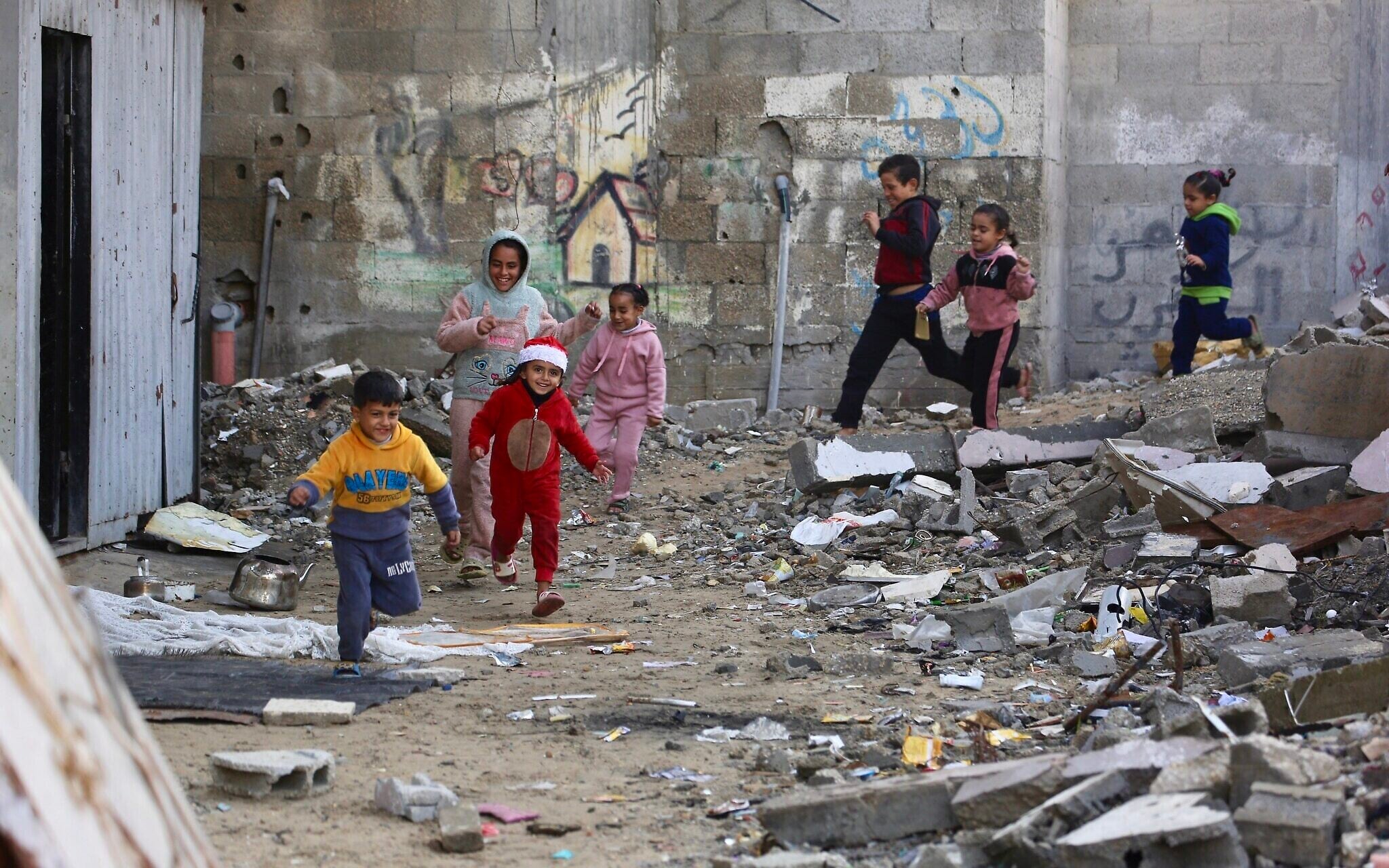
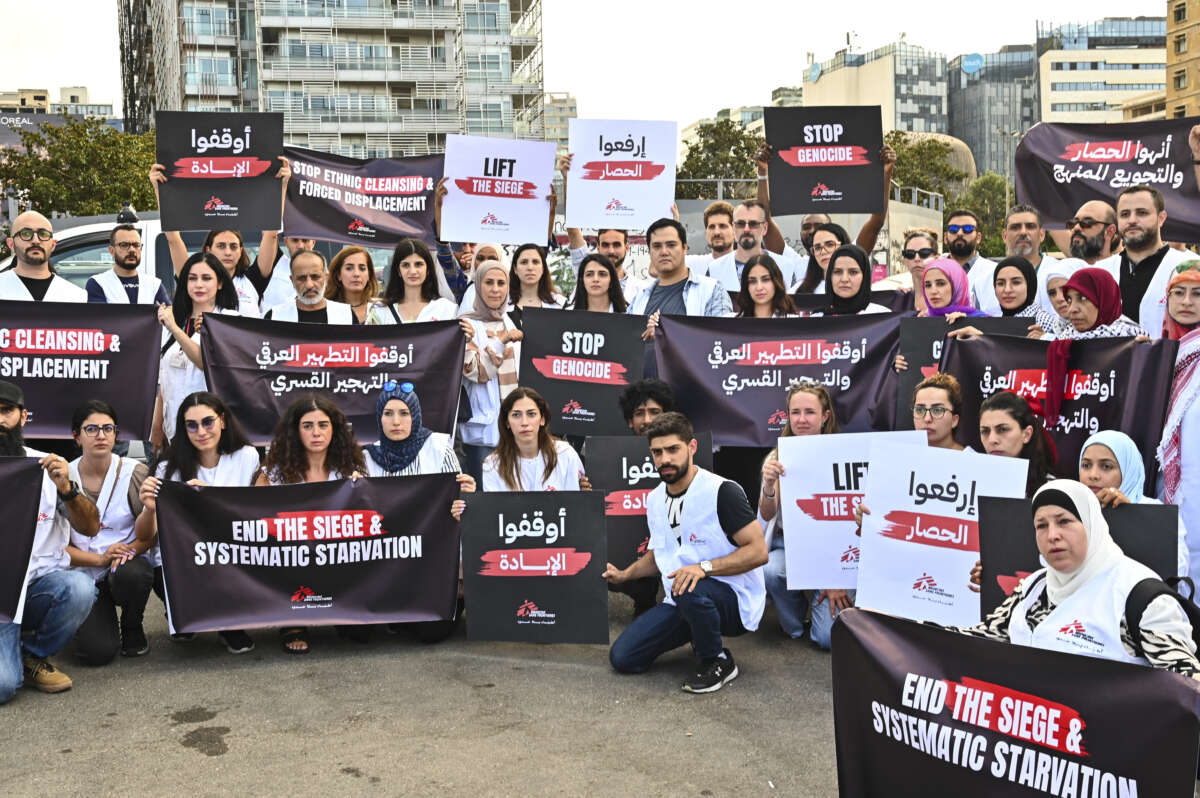
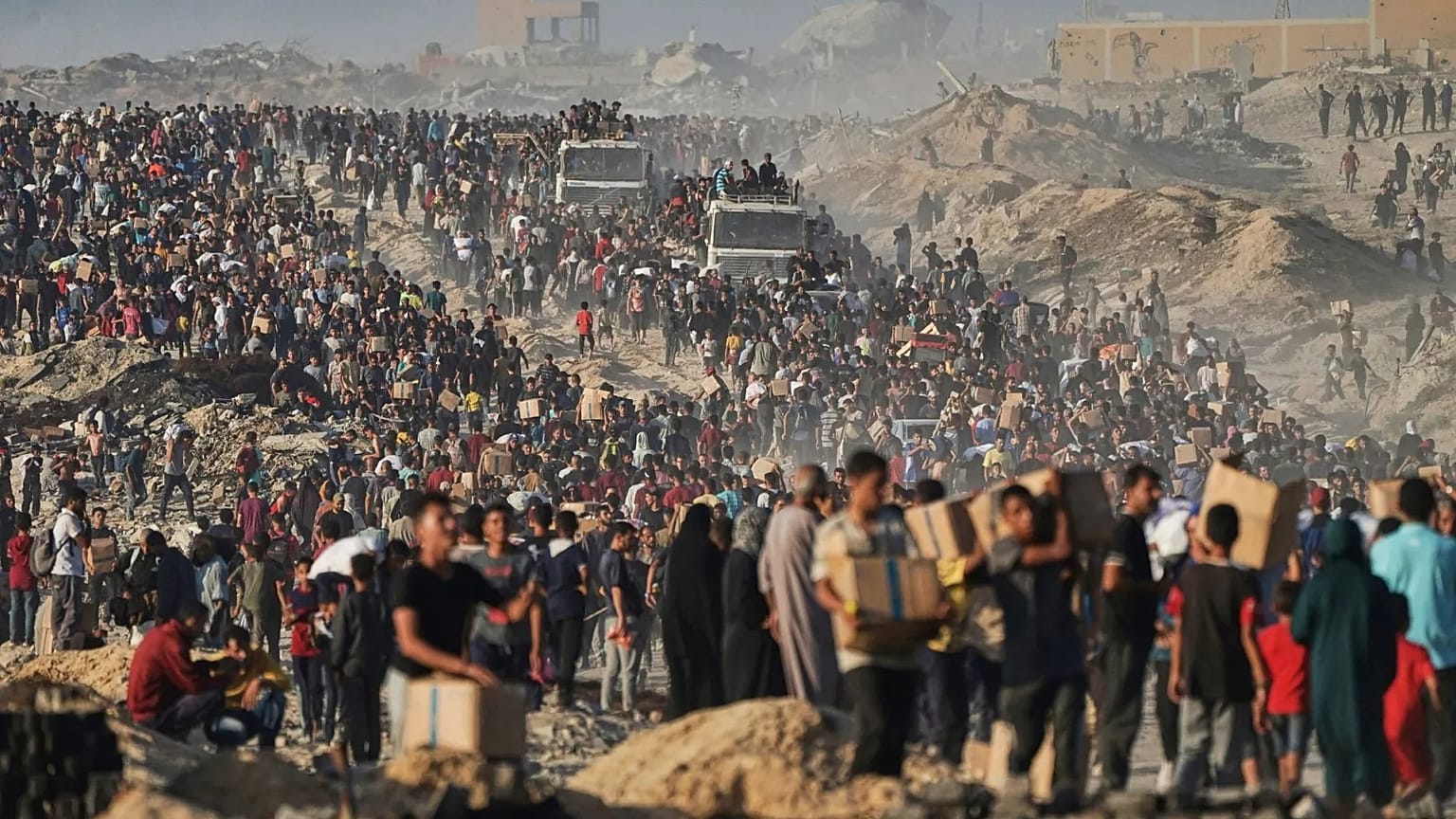
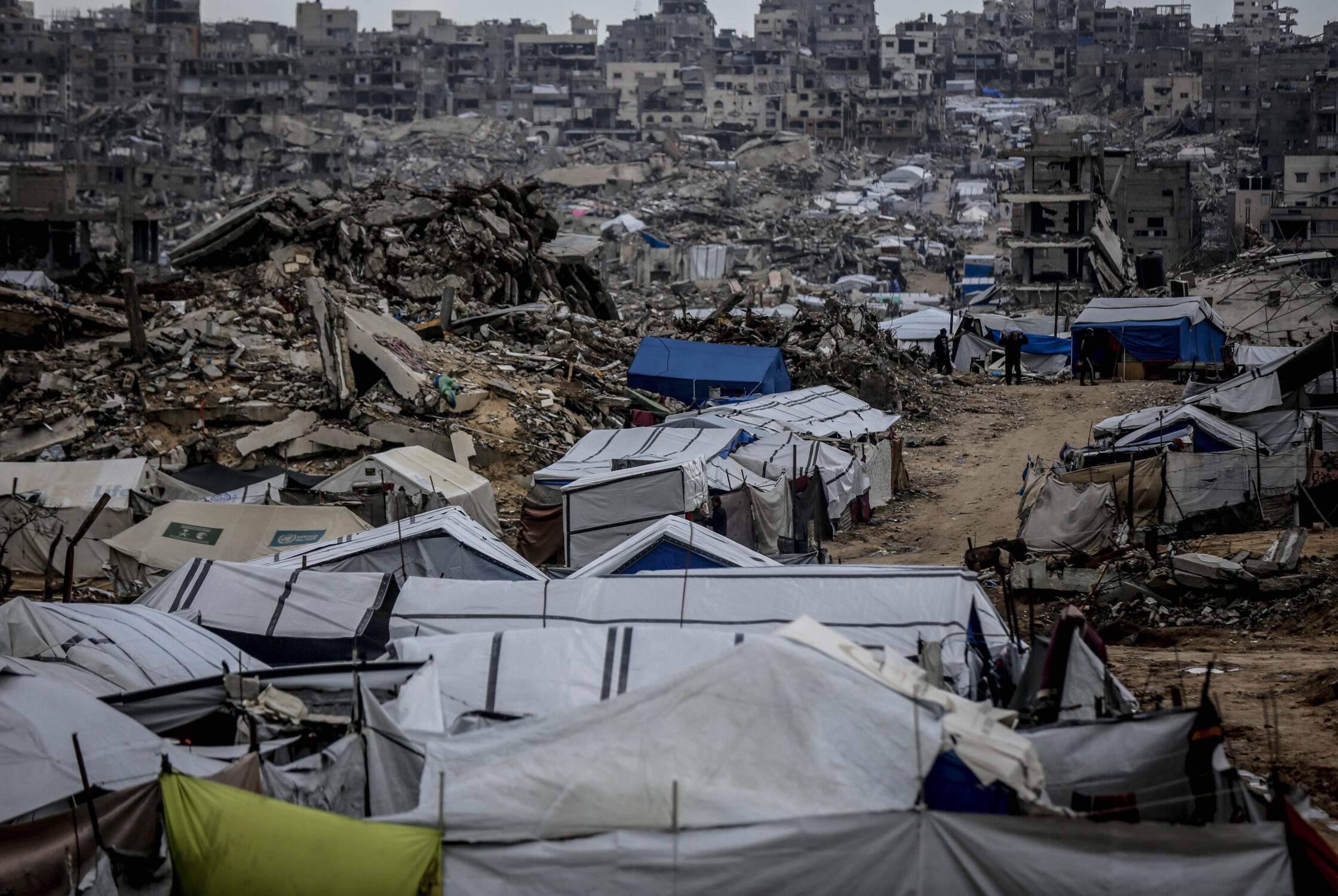
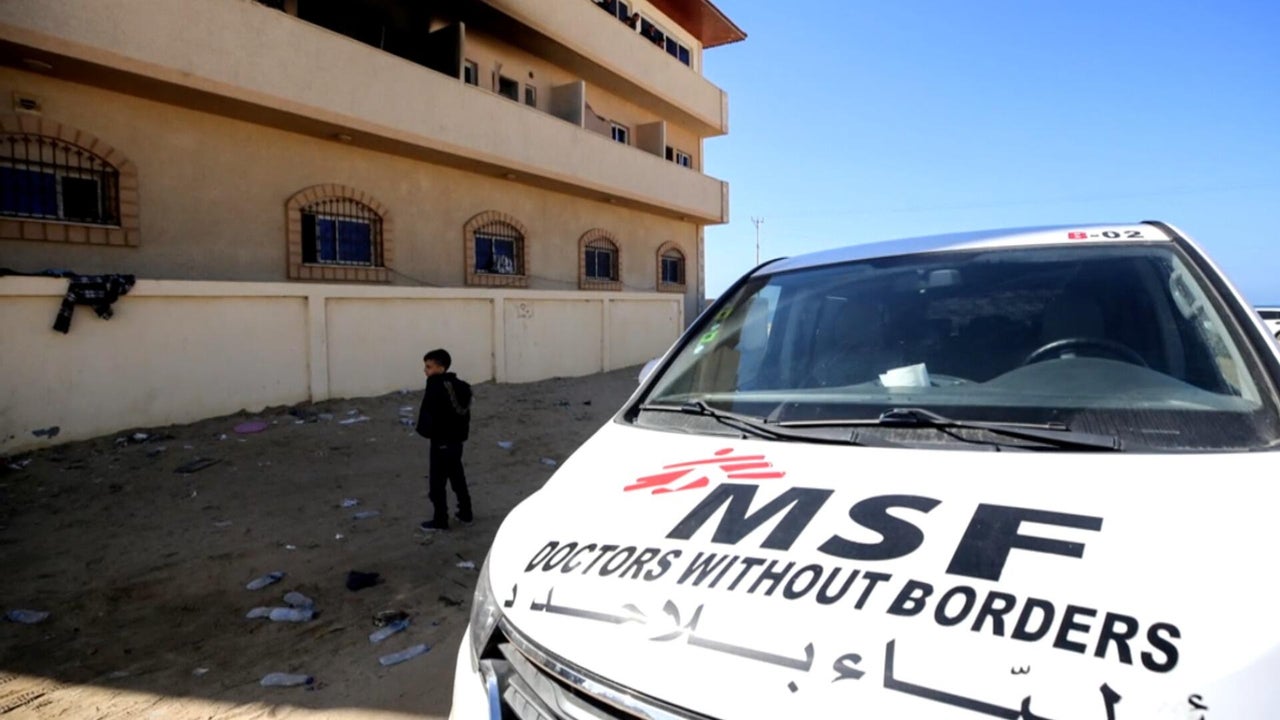
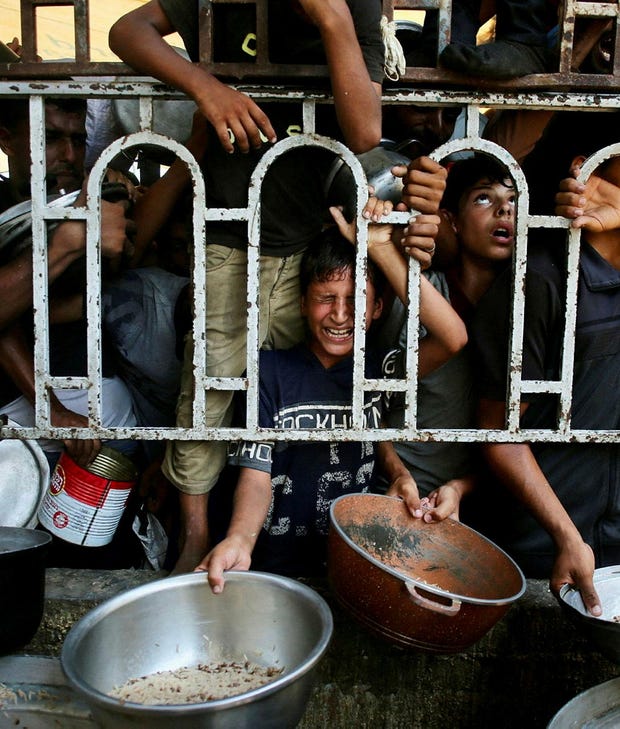
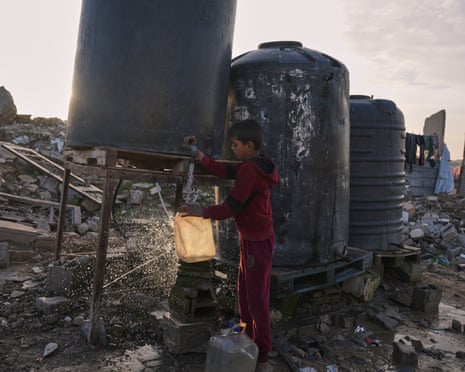
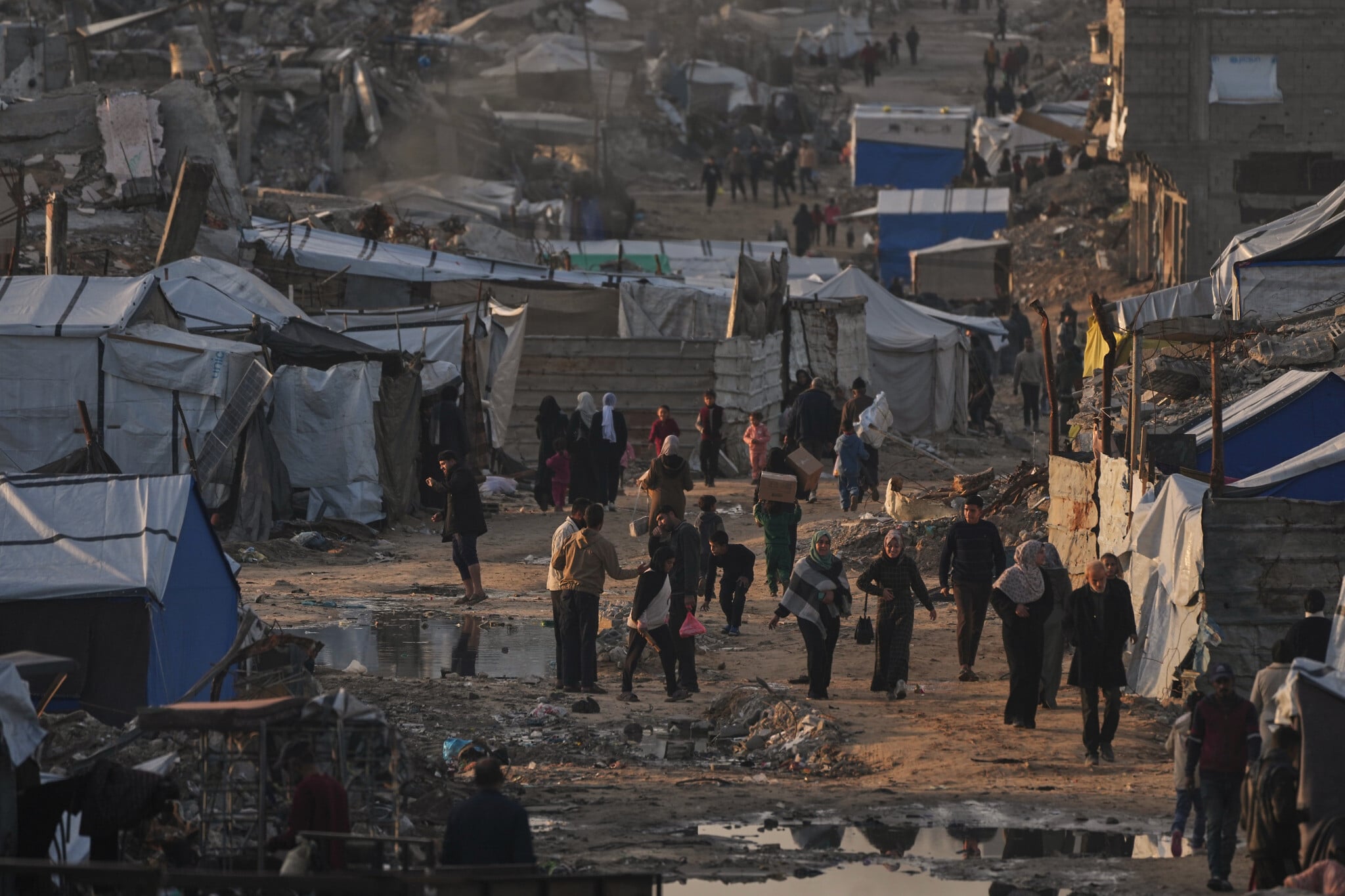
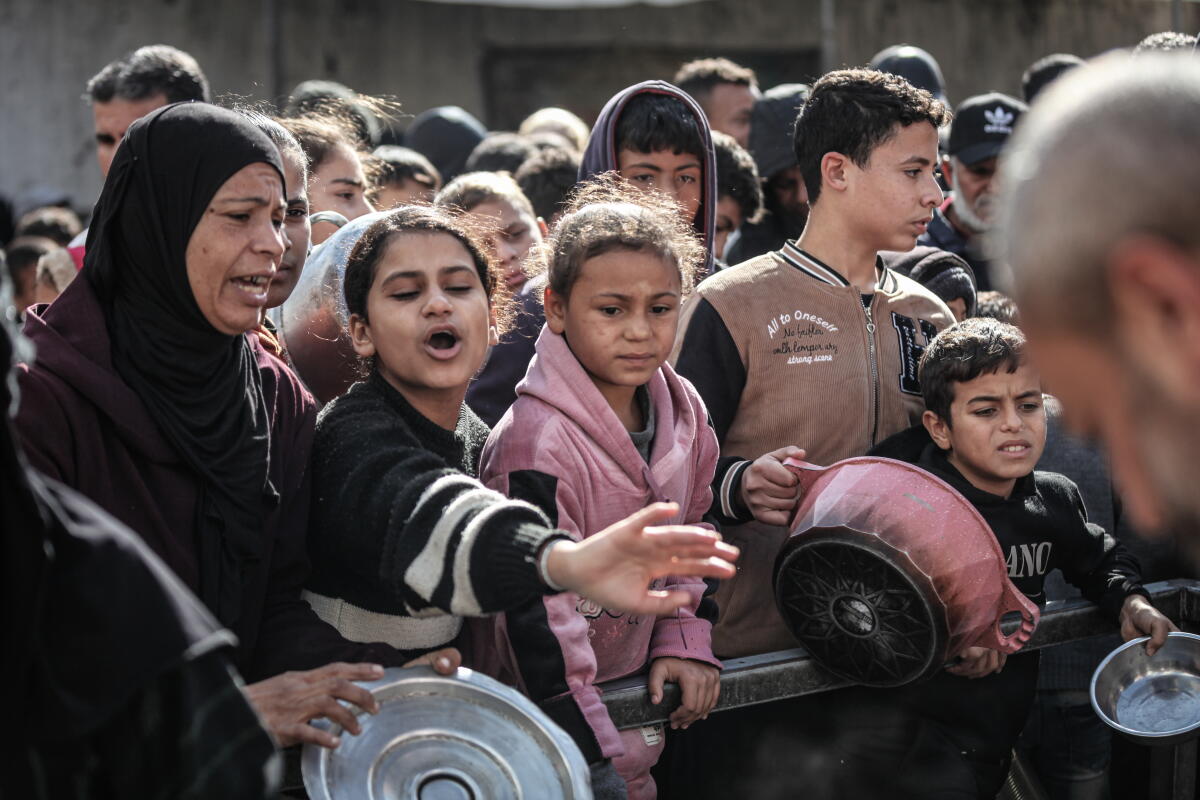
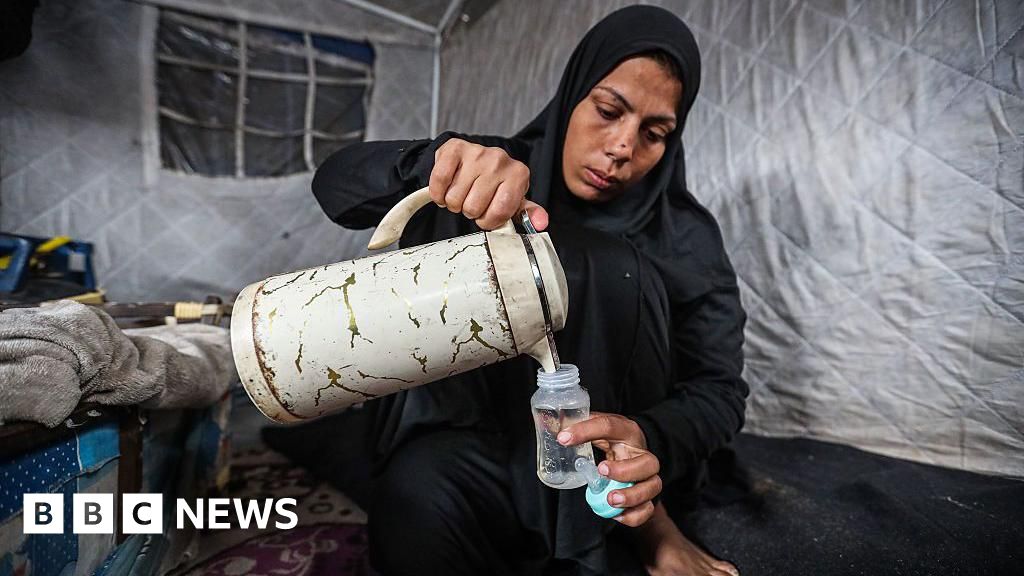
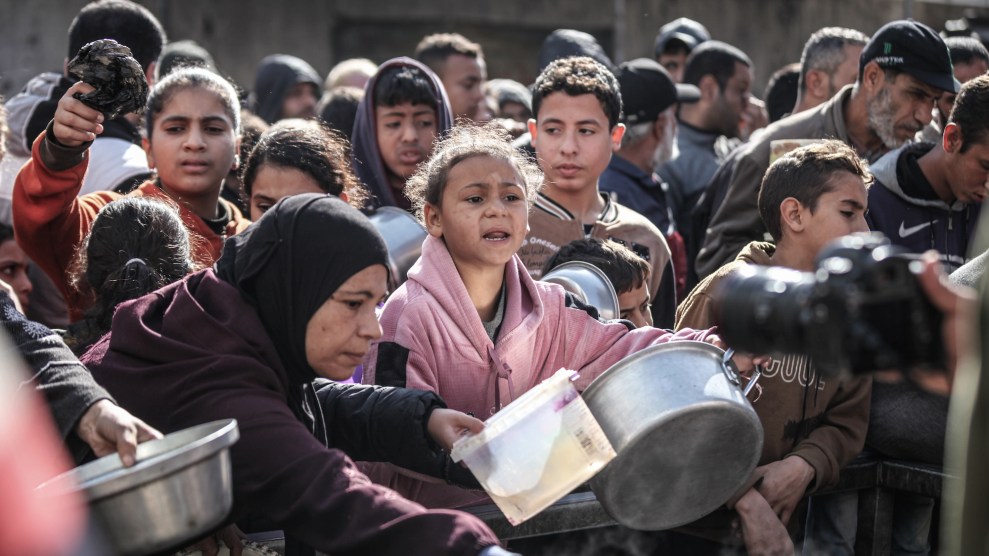
The humanitarian implications are profound and immediate. Approximately 1.3 million people requiring urgent shelter will face dramatically reduced support infrastructure. Organizations like Doctors Without Borders, which serve nearly half a million people, warn of catastrophic service interruptions in medical care, water supply, and emergency support. The US government's own review found no substantive evidence of aid exploitation, yet the restrictions persist, suggesting deeper geopolitical calculations.
International diplomatic resistance is mounting, with foreign ministers from ten countries—including Canada, France, and the United Kingdom—actively challenging these restrictions. Their coordinated pushback indicates this is more than a localized policy issue but a potential precedent-setting moment for humanitarian intervention principles globally.
The broader context suggests a complex recalibration of humanitarian aid delivery models. Organizations must now navigate increasingly politicized operational environments, where traditional neutrality principles are being systematically challenged by state-level security frameworks. This represents a fundamental shift from viewing humanitarian access as a right to treating it as a privilege contingent on granular state approval.
Strategically, humanitarian organizations face an urgent imperative: develop adaptive engagement models that can withstand increasingly restrictive regulatory environments while maintaining operational integrity. The Gaza scenario may well become a template for how state actors can strategically limit international humanitarian presence under the guise of security protocols.
Questions 4
What strategic adaptations must humanitarian organizations consider?
Organizations must develop more flexible operational models that can navigate increasingly politicized regulatory environments. This includes creating robust compliance mechanisms, maintaining transparent employee documentation, and potentially developing alternative engagement strategies that align with state-level security frameworks.
Why is Israel implementing these humanitarian aid restrictions?
Israel claims the restrictions aim to prevent potential aid exploitation by Hamas, though a US government review found no substantive evidence of widespread theft. The move appears to be a strategic mechanism to exert greater control over humanitarian operations in Gaza, potentially linking aid access to broader geopolitical objectives.