
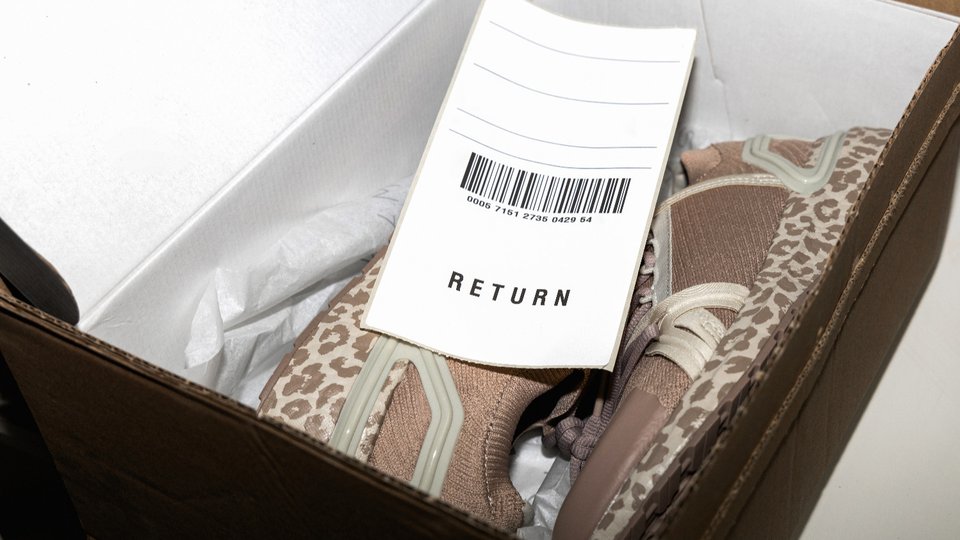
Reverse Logistics Crisis: 9-10 Day Refund Delays Cost Apparel Sellers 15-25% Margin Loss
- 80% of shoppers abandon carts over unclear returns; delayed processing forces 20-40% discounting on resold inventory
Overview
The reverse logistics bottleneck is now a critical profit killer for apparel sellers. Industry data shows refund timelines have extended from 1-2 days to 9-10 days on average, driven by fraud prevention measures requiring physical inspection before issuing refunds. This operational delay directly impacts two critical metrics: customer lifetime value and inventory velocity. According to ShipMonk's analysis, over 80% of shoppers consider return policies when making purchase decisions, and many abandon carts if the process appears inconvenient or unclear—translating to immediate conversion loss at the point of sale.
The inventory impact is severe and quantifiable. Items processed quickly can be resold at full price, while delayed processing forces discounting (typically 20-40% off original price), reallocation to secondary channels, or write-offs. For apparel sellers managing seasonal inventory, this compounds dramatically during peak periods (Q4, spring launches) when flexibility is already constrained. A seller with 1,000 monthly returns faces potential margin compression of 15-25% if processing delays force 30-40% of returned items into discount channels rather than full-price resale. The blind spot: many brands lack clear workflows for grading, restocking, and reallocating returned items, creating forecasting errors that cascade into replenishment planning failures.
The root cause is upstream, not downstream. Sizing and fit issues drive the majority of apparel returns—a problem that begins at the product listing stage, not the fulfillment center. Bracketing behavior (customers ordering multiple sizes with intent to return most) artificially inflates return volumes and processing costs. Sellers addressing this upstream through clearer size guidance, consistent sizing charts, and visual fit documentation can reduce return rates by 15-30% before items ever enter reverse logistics. The operational lesson: execution quality matters more than policy generosity. Brands treating reverse logistics with the same discipline as outbound fulfillment—including end-to-end timeline audits, enhanced visibility through standardized documentation, and data-driven return pattern analysis—can transform returns from margin-eroding experiences into trust-reinforcing moments that support both profitability and customer lifetime value.
Immediate logistics implications for sellers: 3PL providers offering sub-5-day refund processing (vs. industry average of 9-10 days) now command premium pricing but deliver measurable ROI through faster inventory recycling. Sellers should audit current fulfillment partner SLAs and calculate the true cost of delays: a 7-day processing delay on 500 monthly returns = 3,500 units in limbo, potentially forcing 30-50% into discount channels. For high-velocity apparel categories (fast fashion, activewear), this represents $15,000-40,000 monthly margin loss per 1,000-unit seller.
Questions 8
What is bracketing behavior and how does it impact reverse logistics costs?
Bracketing behavior occurs when customers order multiple sizes with intent to return most—a practice driven by unclear sizing guidance and inconsistent sizing charts. This artificially inflates return volumes by 20-40% and creates processing bottlenecks. For a seller with 1,000 monthly orders and 20% return rate, reducing bracketing by 25% (through better sizing guidance) eliminates 50 returns monthly, saving approximately $500-1,500 in processing costs and improving inventory velocity. The upstream fix is more cost-effective than downstream processing improvements.
How should sellers balance return policy generosity with operational execution?
The article emphasizes that stricter return policies alone rarely solve underlying problems—execution quality matters more than policy generosity. A seller offering 30-day returns with 2-day refund processing outperforms a competitor offering 60-day returns with 10-day processing in customer satisfaction and repeat purchase intent. The key is aligning customer messaging with operational capabilities: if your 3PL processes refunds in 7 days, communicate that clearly rather than promising 2-day processing. Transparency builds trust more effectively than generous policies backed by poor execution.