




The Silent Health Crisis: How One Teaspoon of Salt is Reshaping Global Nutrition Strategies
- Emerging global health trend revealing critical sodium consumption risks for diverse populations


Overview
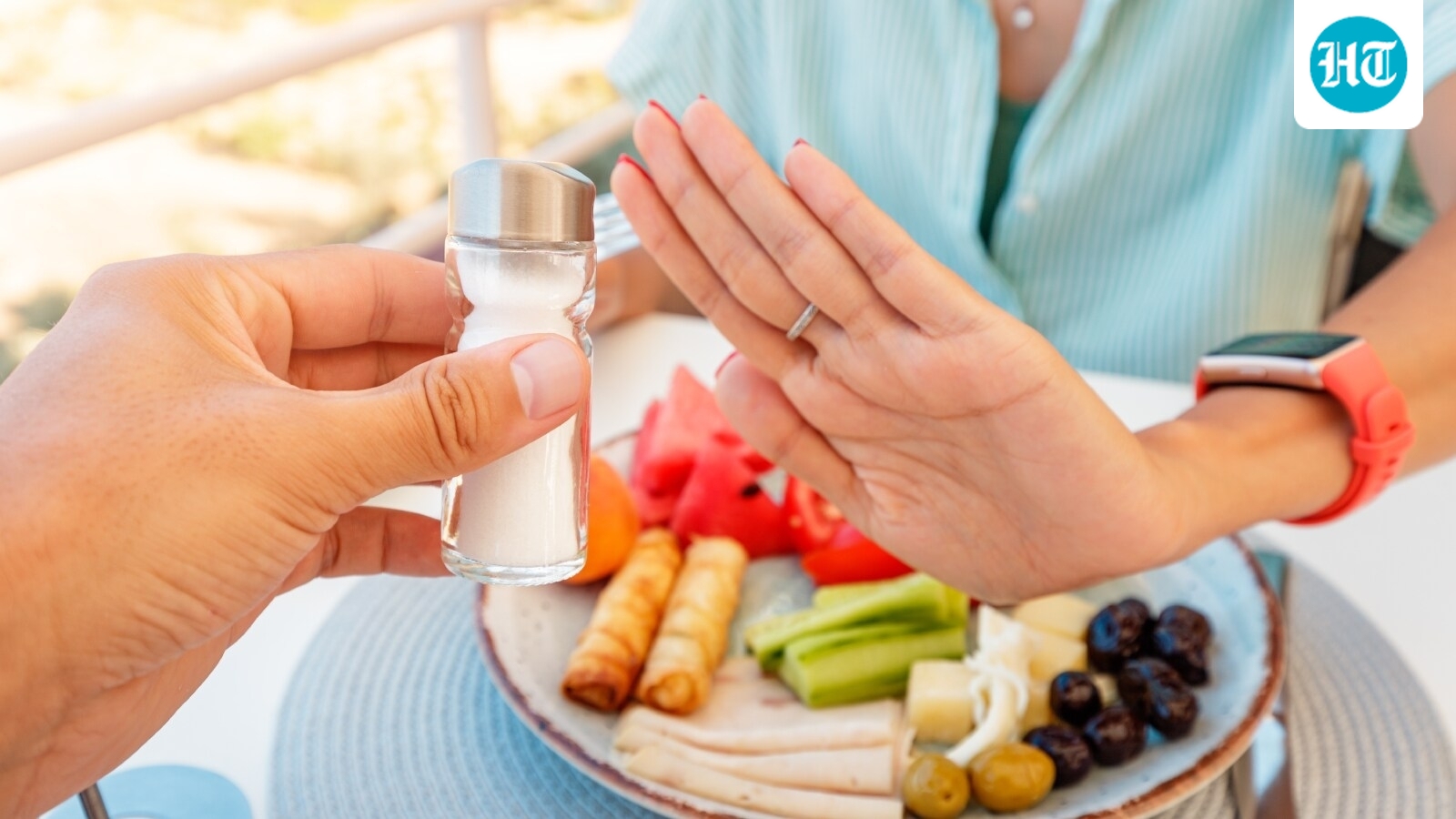
The global nutrition landscape is experiencing a profound transformation driven by an increasingly urgent public health challenge: sodium overconsumption. Recent expert analyses reveal a startling disconnect between recommended and actual salt intake, with the World Health Organization reporting that adults globally consume an average of 4,310 mg of sodium daily—more than double the recommended 2,000 mg limit.
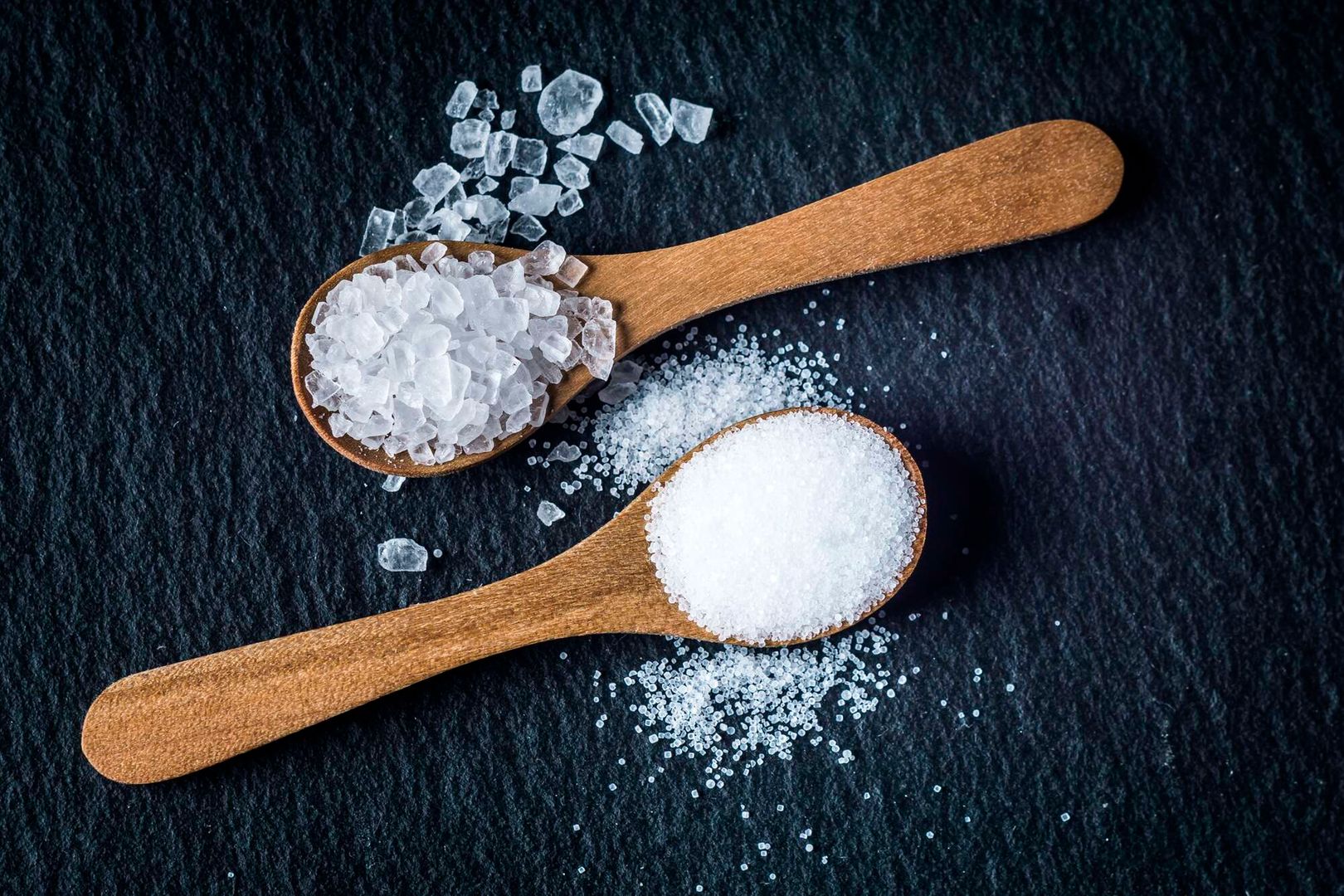
Nutritional experts are sounding a critical alarm about the widespread health risks associated with excessive salt consumption. The recommended daily intake is now precisely defined: just one teaspoon (approximately 5g) of salt per day. This seemingly modest guideline masks complex physiological implications that extend far beyond simple dietary recommendations.
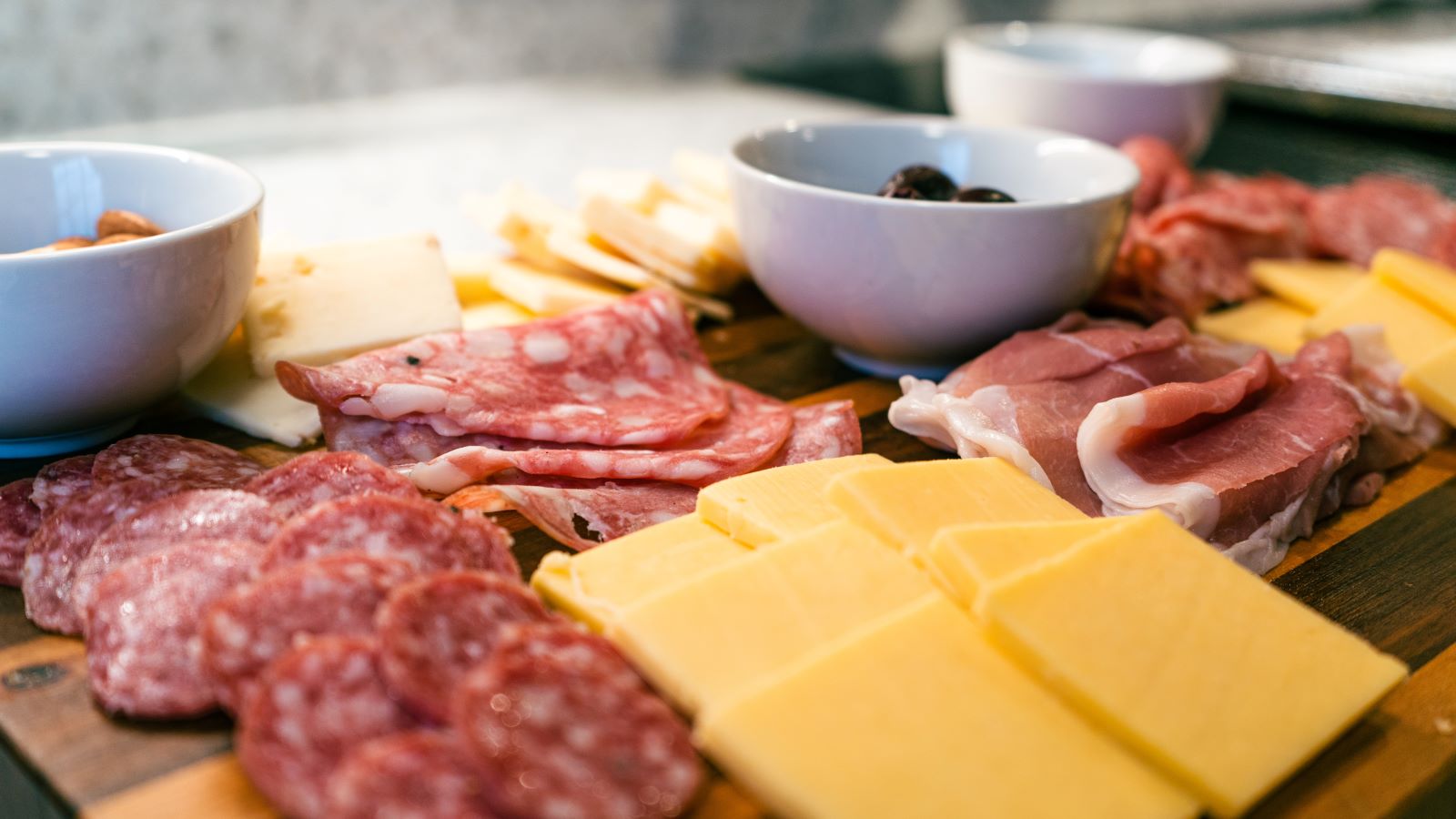
Systemic health risks emerge from chronic high sodium intake, impacting multiple bodily systems. Nutritionist Maryanne Wanza and cardiologist Dr. Rahul Gupta highlight interconnected dangers: hypertension, cardiovascular disease, kidney problems, and potential links to gastric cancer. The most alarming revelation is how everyday foods silently contribute to this health crisis. Common items like pickles, instant noodles, salted snacks, bread, and condiments can dramatically elevate sodium levels without consumers' awareness.
The health implications are particularly nuanced for vulnerable populations. Children and individuals with pre-existing cardiovascular conditions face heightened risks, with early exposure to high-salt foods potentially creating long-term taste preferences and increasing risks of early-onset high blood pressure and obesity. The physiological mechanism is clear: excess sodium leads to increased blood volume, arterial stiffening, and compromised cardiovascular function.
Practical mitigation strategies are emerging across multiple domains. Recommendations include gradually reducing salt consumption, utilizing natural flavor enhancers like herbs and spices, avoiding table salt, choosing fresh foods, reading food labels meticulously, and selecting low-sodium alternatives. The guidance extends beyond individual choices, signaling a broader shift towards more mindful, health-conscious dietary approaches.
Questions 3
Why is one teaspoon of salt per day considered the recommended limit?
The one-teaspoon limit (approximately 5g) helps prevent physiological strain on the cardiovascular system. Consuming more than this can lead to increased blood volume, arterial stiffening, and higher blood pressure, which are precursors to serious health conditions like hypertension and heart disease.
What are the most surprising high-sodium foods people might not expect?
Seemingly innocent foods like bread, pickles, instant noodles, ready-to-eat gravies, and condiments can significantly contribute to sodium intake. Many people are unaware that these everyday items can quickly push daily sodium consumption well above recommended limits.