




Commodity Markets Signaling Massive Global Transformation in Electrification and Hedge Strategies
- Unprecedented Price Movements Reveal Critical Supply Chain and Investment Opportunities for Global Traders



Overview
Commodity markets are experiencing a profound structural shift, with gold and copper revealing deeper economic transformation signals that extend far beyond traditional trading dynamics. The current landscape demonstrates how precious metals and industrial commodities are becoming critical indicators of global economic recalibration.
Gold's resilient performance at $4,370.10 per troy ounce represents more than just a price point—it signals sophisticated market expectations about future monetary policy and economic uncertainty. Traders are closely monitoring Federal Reserve signals, using gold as a strategic hedge against potential economic volatility. The fifth-highest historical close suggests institutional investors are preparing for potential market disruptions in 2026.
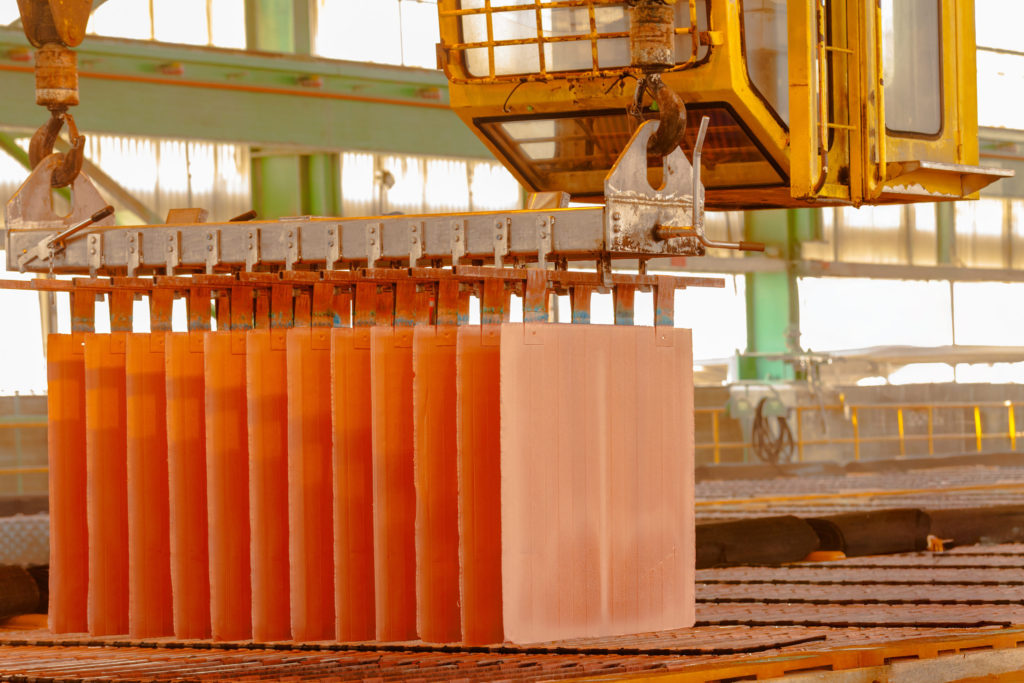
Copper's remarkable 40% annual rally provides an even more compelling narrative about global industrial transformation. This surge isn't merely a price movement but a structural indicator of electrification and renewable energy infrastructure development. The metal's performance suggests massive investment flows into technological and green energy sectors, with supply constraints creating significant investment opportunities.
For cross-border financial strategists, these commodity movements demand immediate strategic recalibration. Electronic component procurement, luxury goods pricing, and international trade cost structures will be fundamentally impacted by these underlying commodity dynamics. Businesses must develop agile sourcing strategies that can rapidly adapt to these unprecedented market signals.
The interconnected nature of these commodity trends reveals a broader economic narrative: global markets are transitioning toward more complex, technology-driven value chains. Investors and supply chain professionals must view these price movements not as isolated events, but as interconnected signals of deeper technological and economic transformation.
Questions 3
Why are institutional investors paying close attention to these commodity markets?
Investors recognize these commodities as sophisticated economic signals, providing insights into future technological investments, potential market disruptions, and strategic hedging opportunities across global supply chains.
What strategic implications do these commodity trends have for cross-border businesses?
Businesses must develop adaptive sourcing strategies, anticipate increased costs in electronic components and luxury goods, and prepare for more complex international trade dynamics driven by commodity price volatility.