


Premium Dining Consolidation Creates $94B Opportunity for Hospitality Sellers
- Resy-Tock merger expands 25,000 venues; Amex cardholders spend 25% more on dining; O2O retail partnerships surge in major metros


Overview
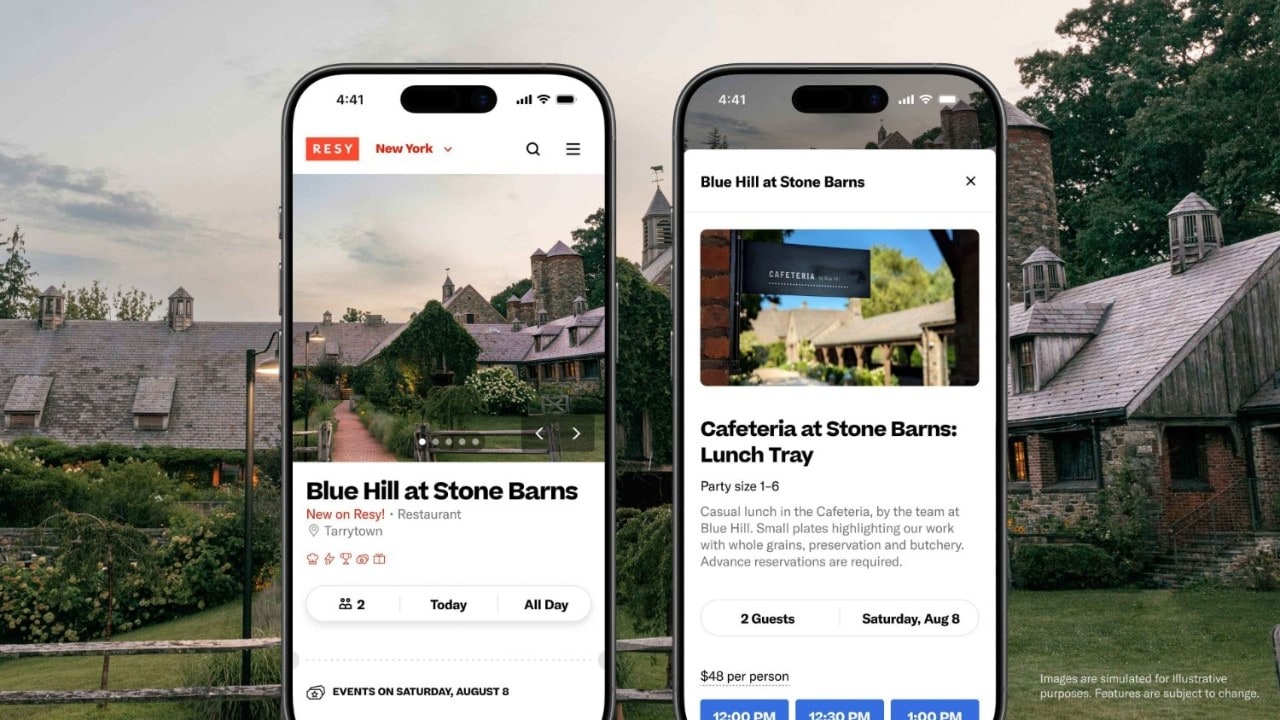
The restaurant reservation market is consolidating rapidly around three dominant platforms, creating unprecedented opportunities for hospitality-adjacent sellers and experiential retail operators. American Express's Resy platform merged with Tock in summer 2026, integrating 25,000+ venues (including 1,200+ wineries and Michelin-starred restaurants) and reaching 60 million registered users. Simultaneously, DoorDash acquired SevenRooms for $1.2 billion in June 2025, while UberEats partnered with OpenTable (60,000 venues) through Booking Holdings. This consolidation matters to cross-border sellers because it reveals a critical consumer insight: Amex cardholders spend approximately $90 billion annually on dining, with Resy users spending 25% more on dining transactions than average customers. U.S. cardmembers spent over $94 billion on dining in 2025, making it the largest Travel & Entertainment category, with Q4 2025 showing 20%+ growth in Resy restaurant spending.
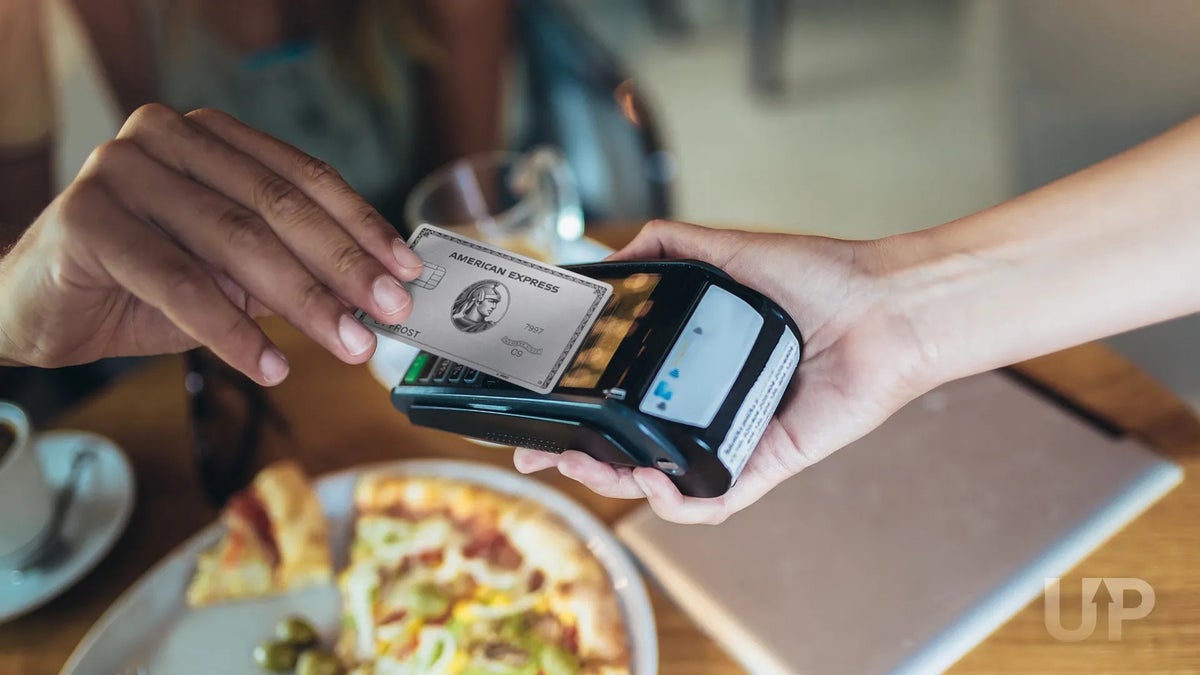
For retail operators and O2O strategists, this consolidation signals three immediate opportunities. First, premium dining hubs are consolidating in major metropolitan markets (New York, San Francisco, Los Angeles, Chicago) where Michelin-starred and James Beard Award-winning establishments cluster. These high-traffic dining destinations represent ideal pop-up and showroom locations for luxury goods, wine accessories, gourmet food products, and experiential retail. Resy's integration with Toast POS systems and Loyalist CRM tools enables restaurants to track customer preferences in real-time, creating partnership opportunities for sellers of premium tableware, wine glasses, serving accessories, and culinary equipment. Second, credit card partnerships amplify customer LTV significantly. Amex Platinum cardholders receive $400 annual dining credits plus exclusive Resy access, creating a high-value customer segment (25% higher spending) that overlaps with luxury goods buyers. Sellers can leverage this data to target Amex cardholders through sponsored listings on Resy's expanded platform and through partnerships with premium restaurants. Third, the API expansion in 2026 creates distribution channels for hospitality-adjacent products. Resy's upgraded APIs expose reservation inventory across AI-powered discovery platforms, enabling sellers to integrate product recommendations (wine pairings, dining accessories, gift cards) directly into the reservation flow.
Operationally, this consolidation creates specific retail partnership opportunities. DoorDash's SevenRooms acquisition provides critical data integration across delivery and dine-in touchpoints, enabling restaurants to identify high-value customers for cross-selling. Sellers of premium food products, wine, spirits, and dining accessories can negotiate co-marketing agreements with restaurants using SevenRooms data. The Resy-Tock integration specifically targets wine country (Napa Valley, Sonoma) with 1,200+ winery partnerships, creating pop-up opportunities in California wine regions during peak seasons (May-October). Industry experts note these "very large, very ambitious, very well-resourced companies" are competing for limited high-demand restaurant inventory in major metros, which means restaurant operators have increased negotiating power and are actively seeking revenue-sharing partnerships with complementary sellers. Resy's planned support for industry events (Aspen Food & Wine Classic, The Chef Assembly, FAB Conference in 2026) creates sponsorship and experiential retail opportunities for brands targeting affluent diners.
Questions 8
How does Resy's 2026 API expansion enable product distribution for sellers?
Resy plans to launch upgraded APIs in 2026 to expose reservation inventory across diverse digital channels and AI-powered discovery platforms. This enables sellers to integrate product recommendations (wine pairings, dining accessories, gift cards) directly into the reservation and booking flow. The API expansion allows sellers to create seamless O2O experiences where online product discovery connects to offline dining experiences. Sellers can embed product recommendations at key moments (reservation confirmation, pre-dining emails, post-dining follow-up) with expected 25-35% higher engagement rates than traditional email marketing, given the high-intent nature of dining customers.
What are the lowest-cost ways to test offline presence in premium dining markets?
Resy's planned support for industry events (Aspen Food & Wine Classic, The Chef Assembly, FAB Conference in 2026) offers low-cost sponsorship and experiential retail opportunities without permanent location commitments. Pop-up kiosks in high-traffic wine regions (Napa Valley, Sonoma) during peak seasons (May-October) cost $2,000-5,000/month for premium locations. Retail partnerships with individual Michelin-starred restaurants offer lowest-cost entry ($500-1,500/month for shelf space or co-branded displays). Sellers can also negotiate commission-based arrangements with restaurants using Loyalist CRM integration, eliminating upfront costs while capturing 10-15% of dining-related product sales.