






AI Job Displacement Crisis 2025 | E-Commerce Seller Workforce & Consumer Spending Impact
- Millions of white-collar workers facing 12-18 month job loss timeline; cascading effects on consumer spending, seller demand, and marketplace labor costs





















Overview
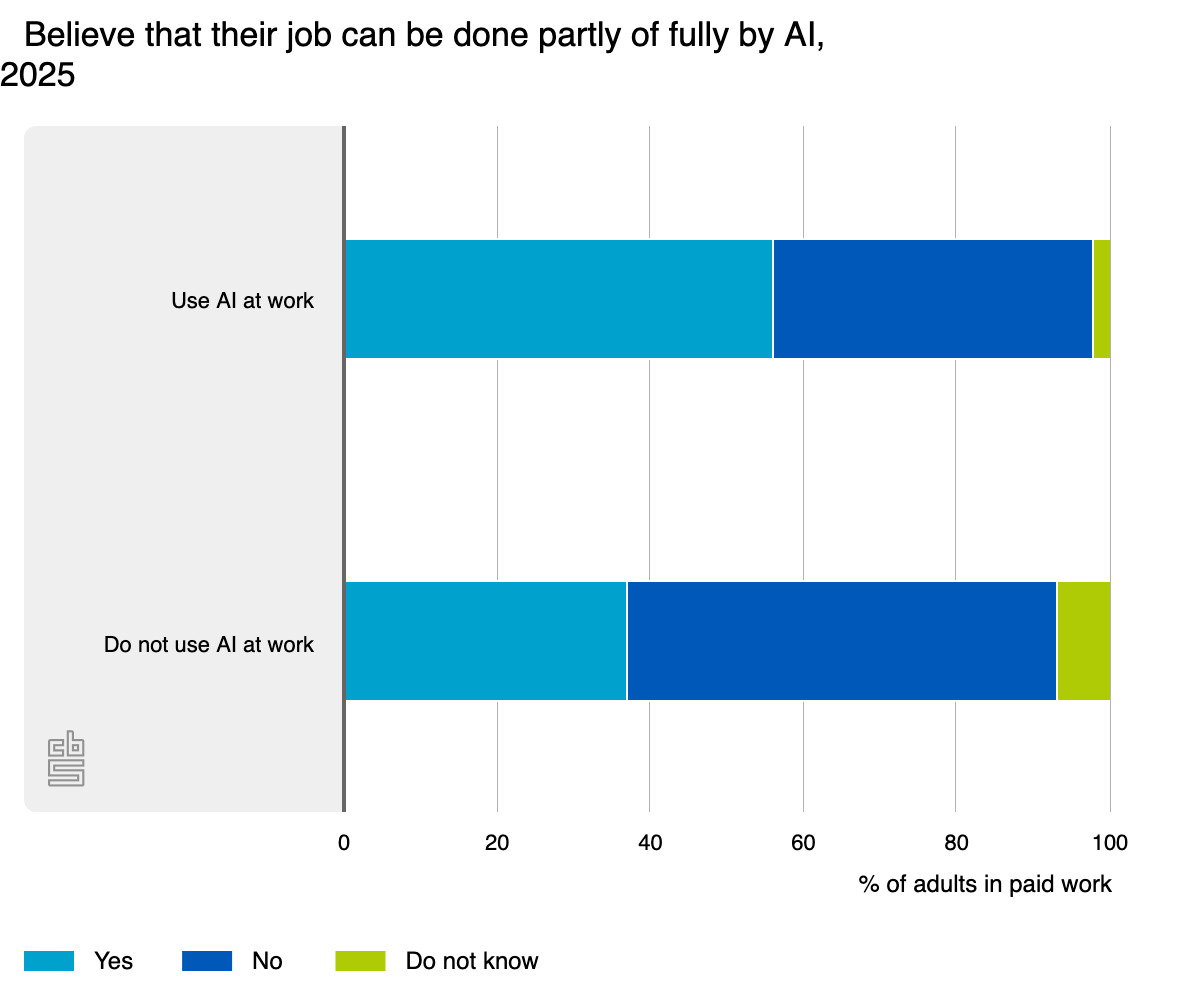
The convergence of warnings from Andrew Yang, academic researchers, and AI specialists reveals an unprecedented labor market disruption timeline that directly impacts e-commerce sellers through multiple channels. Yang's prediction of millions of white-collar job losses within 12-18 months—affecting marketers, coders, designers, lawyers, accountants, and call center workers—creates immediate cascading economic effects. The critical insight for sellers: job losses in high-income sectors trigger reduced consumer spending in local economies, affecting service providers like restaurants, dry cleaners, and hairstylists, which compress discretionary spending on e-commerce categories including home goods, apparel, and lifestyle products.
Immediate Seller Automation Opportunities: The news reveals that AI can now perform professional work "in minutes or seconds," creating urgent automation wins for sellers. Customer service automation using ChatGPT, Claude, or specialized e-commerce AI tools can reduce support costs by 40-60% while handling 70-80% of routine inquiries (product questions, shipping status, returns). Inventory management automation through tools like Keepa, Helium 10, or native Amazon AI can identify demand shifts 2-3 weeks earlier than manual analysis, enabling sellers to pivot inventory before demand collapses. Pricing optimization AI (Dynamic Pricing, Repricing tools) becomes critical as consumer spending contracts—sellers using AI-driven dynamic pricing see 8-15% margin preservation versus static pricing during downturns.
Data-Driven Competitive Intelligence: The Johns Hopkins debate (February 25, 2025) highlighted a critical "double whammy" for junior workers—AI eliminates entry-level training positions while requiring experienced judgment to implement systems. For sellers, this creates a talent acquisition crisis: hiring experienced customer service managers, content creators, or operations staff becomes 30-40% more expensive as displaced professionals compete for fewer positions. Sellers should immediately audit their team composition and identify which roles can be automated (data entry, basic customer service, inventory counting) versus which require human judgment (strategic pricing, supplier negotiations, brand positioning). The SERT model proposed by Kirchschlager suggests future taxation may shift from labor to capital/data usage, potentially increasing operational costs for sellers using AI tools by 5-12% through new digital system usage fees.
Strategic Positioning for Consumer Spending Contraction: Yang's projection of surging personal bankruptcies and a "winner-take-all economy" signals demand compression in discretionary categories. Sellers should immediately analyze their category exposure: luxury goods, premium apparel, and high-ticket home goods face 15-25% demand reduction, while value-oriented categories (budget apparel, essential home goods, discount electronics) see 5-10% growth. The education ROI collapse Yang identifies (college graduate unemployment rising, degree value declining) creates a 24-month window where younger consumers have reduced purchasing power—affecting fashion, electronics, and lifestyle categories targeting 18-35 demographics. Sellers should reallocate inventory 20-30% toward value categories and implement AI-powered demand forecasting to avoid overstock in discretionary segments.
Questions 8
How will AI job displacement affect e-commerce seller demand and consumer spending?
Andrew Yang's prediction of millions of white-collar job losses within 12-18 months creates cascading economic effects for sellers. Job losses in high-income sectors (marketing, coding, design, law, accounting) directly reduce consumer spending on discretionary e-commerce categories like apparel, home goods, and electronics. Yang projects personal bankruptcies will surge, creating a "winner-take-all economy" that compresses middle-class purchasing power. For sellers, this signals 15-25% demand reduction in luxury/premium categories and 5-10% growth in value-oriented segments. Sellers should immediately reallocate inventory 20-30% toward budget categories and implement AI demand forecasting to avoid overstock in discretionary segments during the 12-18 month transition period.
What immediate AI automation opportunities can sellers implement to reduce costs?
The news confirms AI can perform professional work "in minutes or seconds," creating urgent automation wins. Customer service automation using ChatGPT, Claude, or specialized e-commerce tools reduces support costs 40-60% while handling 70-80% of routine inquiries (product questions, shipping status, returns). Inventory management automation through Keepa, Helium 10, or native Amazon AI identifies demand shifts 2-3 weeks earlier than manual analysis. Dynamic pricing AI tools preserve 8-15% higher margins versus static pricing during economic downturns. Sellers should prioritize automating data entry, basic customer service, and inventory counting—roles identified as vulnerable to AI replacement—while retaining human judgment for strategic pricing, supplier negotiations, and brand positioning.