
Critical Minerals Supply Crisis | E-Commerce Sellers Face 60%+ Cost Surge
- U.S. rare earth shortages threaten electronics/battery sellers; yttrium prices up 69x; supply window closing March 2026







)





















Overview
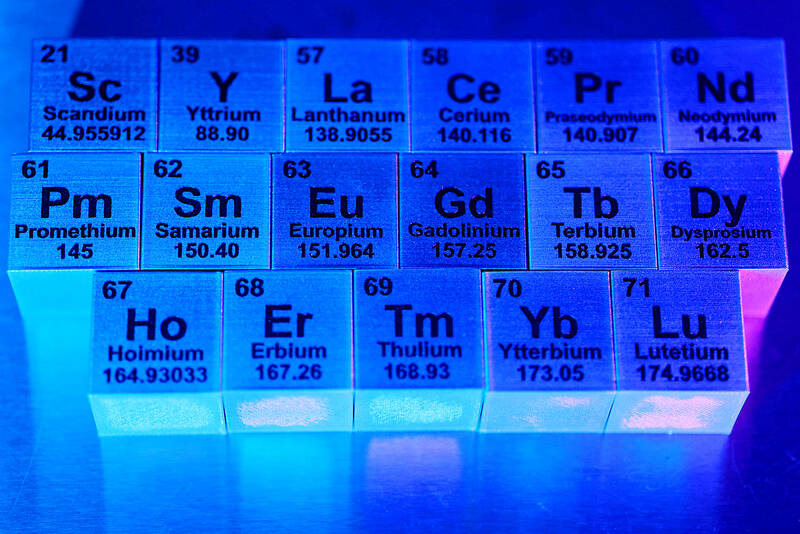
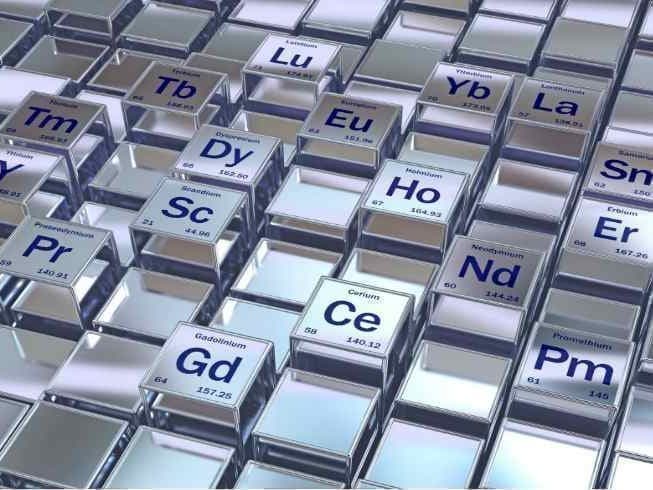
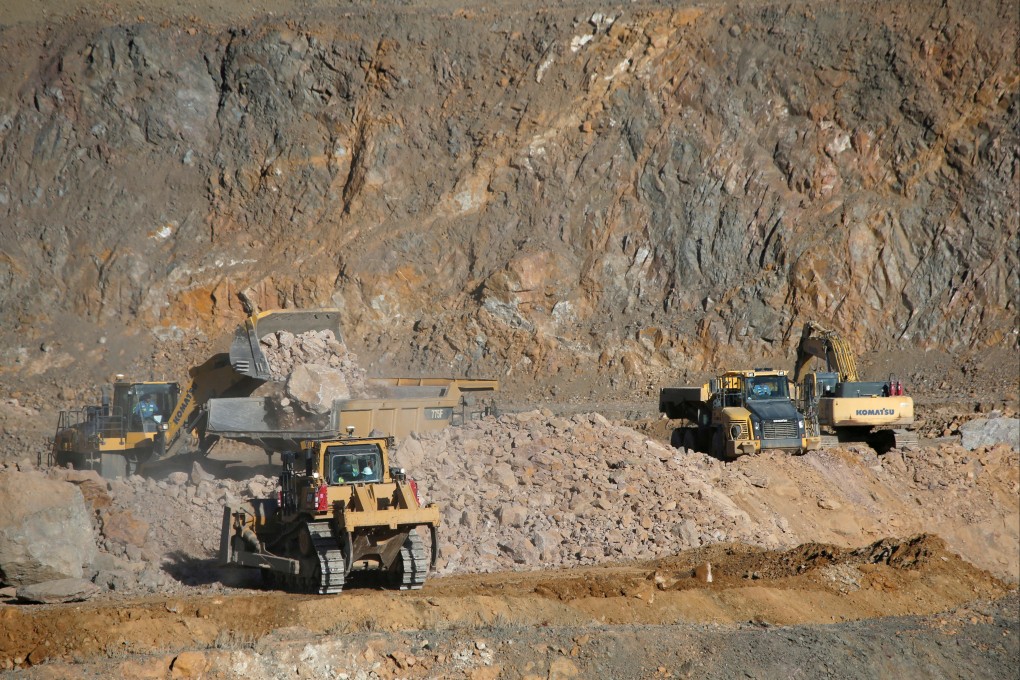
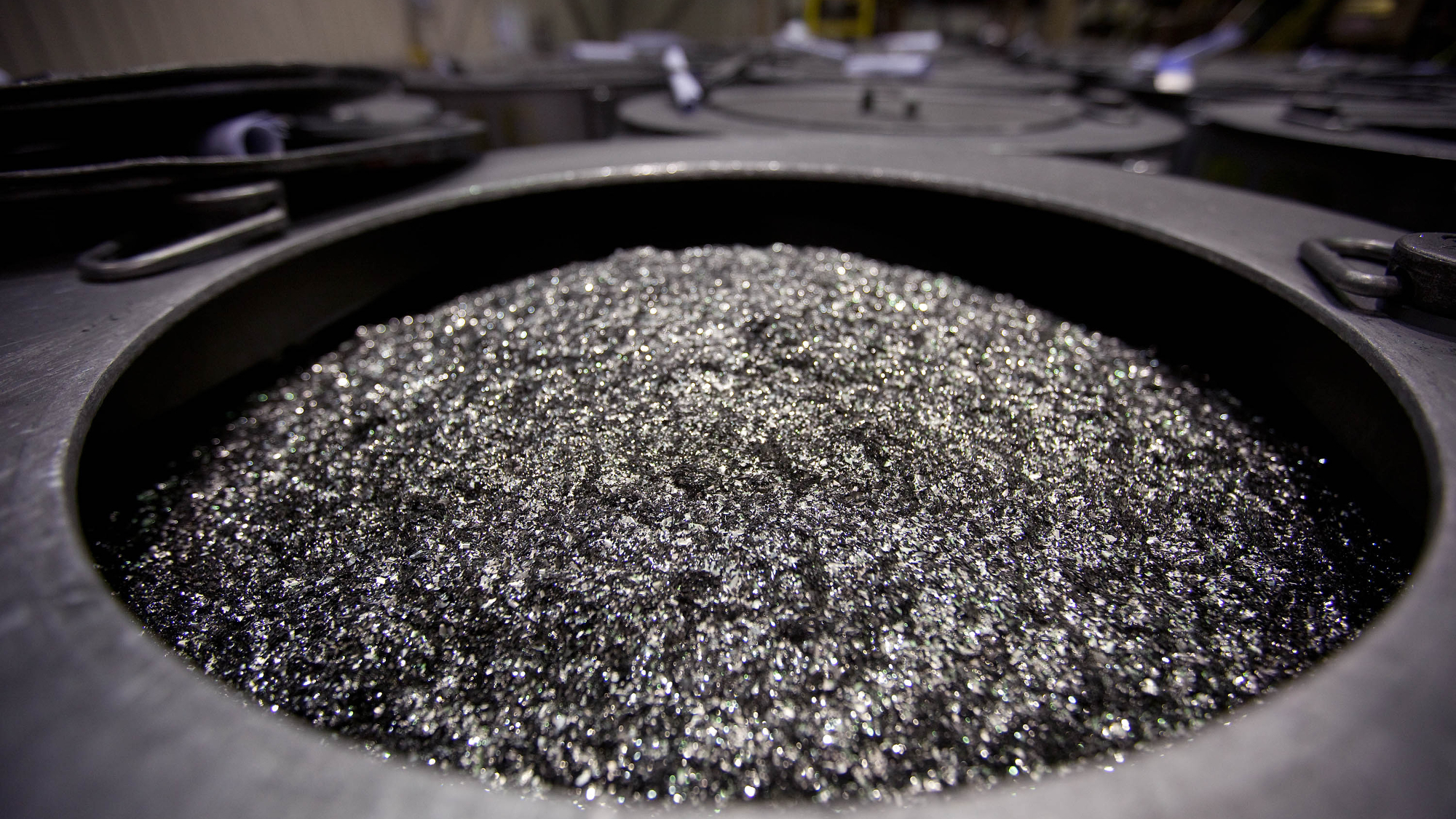
The U.S. is experiencing a critical rare earth element supply crisis that directly impacts cross-border e-commerce sellers in electronics, batteries, semiconductors, and tech components. As of February 2026, China controls 95% of global heavy rare earth output while the U.S. imports nearly 100% of its heavy rare earth needs, creating unprecedented supply chain vulnerabilities. Yttrium prices have surged 60% since November 2025, now trading at approximately 69 times higher than year-ago levels, with Chinese exports to the U.S. collapsing from 333 tons (pre-April 2025) to just 17 tons in the eight-month post-restriction period. The Department of Defense has declared rare earth security a national imperative, with Congress funding a multiyear reshoring strategy using the Defense Production Act and $2B+ in loans through the Office of Strategic Capital.
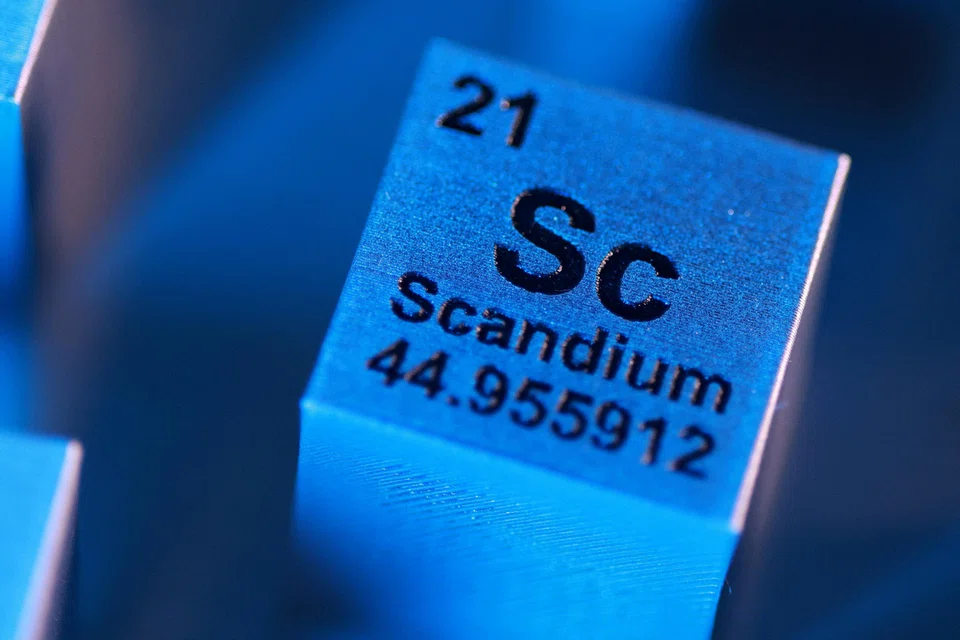
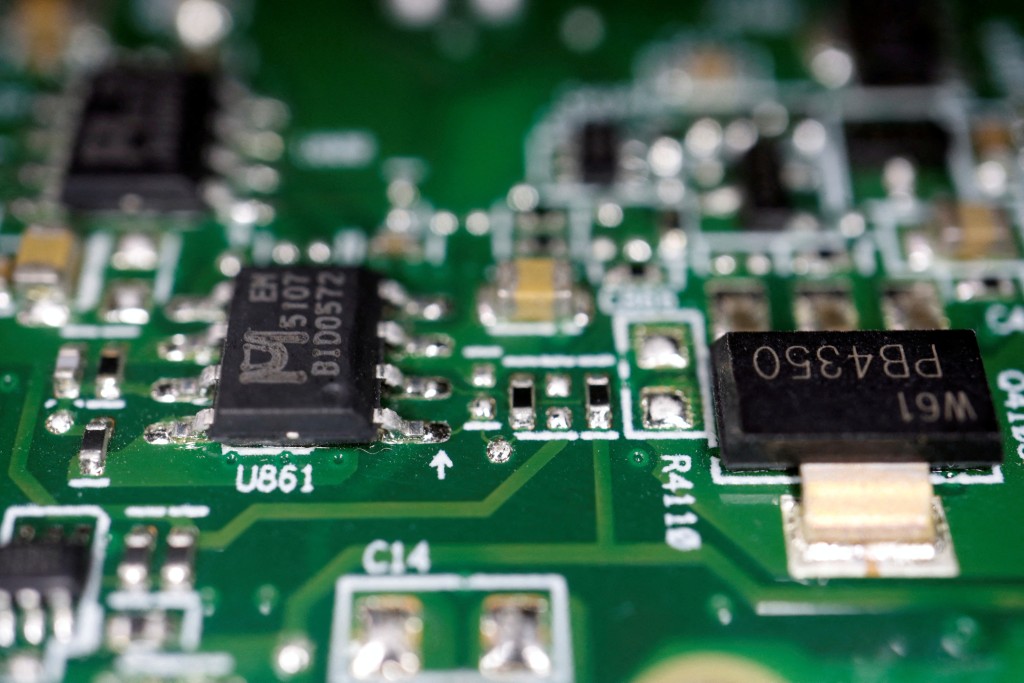
For e-commerce sellers, this creates a bifurcated opportunity landscape. Electronics sellers importing Chinese-manufactured goods containing rare earth elements (gallium, antimony, germanium, scandium, yttrium) face immediate cost pressures and supply uncertainty through at least Q2 2026. Semiconductor component sellers are particularly vulnerable—U.S. chipmakers report zero domestic scandium production with stockpiles measured in months, directly threatening 5G smartphone and base station component availability. Two North American aerospace coating manufacturers have already halted production, signaling broader supply chain disruptions ahead. However, sellers who pivot to sourcing from newly developed U.S. and allied supplier networks (Japan, South Korea, Australia, Canada) can capture first-mover advantages before competitors recognize the shift. The Defense Production Act funding creates opportunities for sellers to partner with emerging domestic mineral processors or invest in recycling-based supply chains.
The critical timing window is March 2026, when President Trump visits Beijing for rare earth negotiations. Until then, supply remains constrained and prices volatile. Sellers should immediately audit inventory composition by rare earth content, establish alternative sourcing from allied nations, and consider premium positioning for products using non-China-sourced components. Small and medium sellers (1,000-10,000 units/month) face the highest margin compression risk, while large sellers with established supplier relationships can negotiate volume commitments with emerging U.S. processors. The reshoring strategy will take 18-36 months to materialize, meaning sellers must navigate 2-3 years of elevated input costs before domestic alternatives become cost-competitive.
Questions 8
How will rare earth shortages affect my electronics and battery product costs in 2026?
Rare earth element costs are experiencing dramatic increases—yttrium prices have surged 69x year-over-year as of February 2026, with Chinese exports to the U.S. dropping 95% (from 333 tons to 17 tons in eight-month periods). For electronics sellers importing Chinese-manufactured goods containing gallium, antimony, germanium, or scandium, input costs will likely increase 15-35% through Q2 2026 as supply remains constrained. The Department of Defense's multiyear reshoring strategy won't produce cost-competitive domestic alternatives until 2028-2029, meaning sellers should budget for sustained elevated costs. Immediate action: audit your product bills of materials for rare earth content and establish alternative sourcing from Japan, South Korea, or Australia to mitigate price exposure.
Which product categories face the highest rare earth supply risk?
Semiconductor components (5G chips, processors), battery packs, high-performance magnets, and aerospace-grade electronics face the most severe risks. U.S. chipmakers report zero domestic scandium production with stockpiles measured in months—scandium is essential for every 5G smartphone and base station component. Two North American aerospace coating manufacturers have already halted production due to yttrium shortages. Battery sellers are moderately affected, while consumer electronics (phones, laptops, IoT devices) face indirect pressure through component availability delays. Sellers in these categories should prioritize supply chain diversification immediately, as production disruptions could cascade through Q3 2026.