

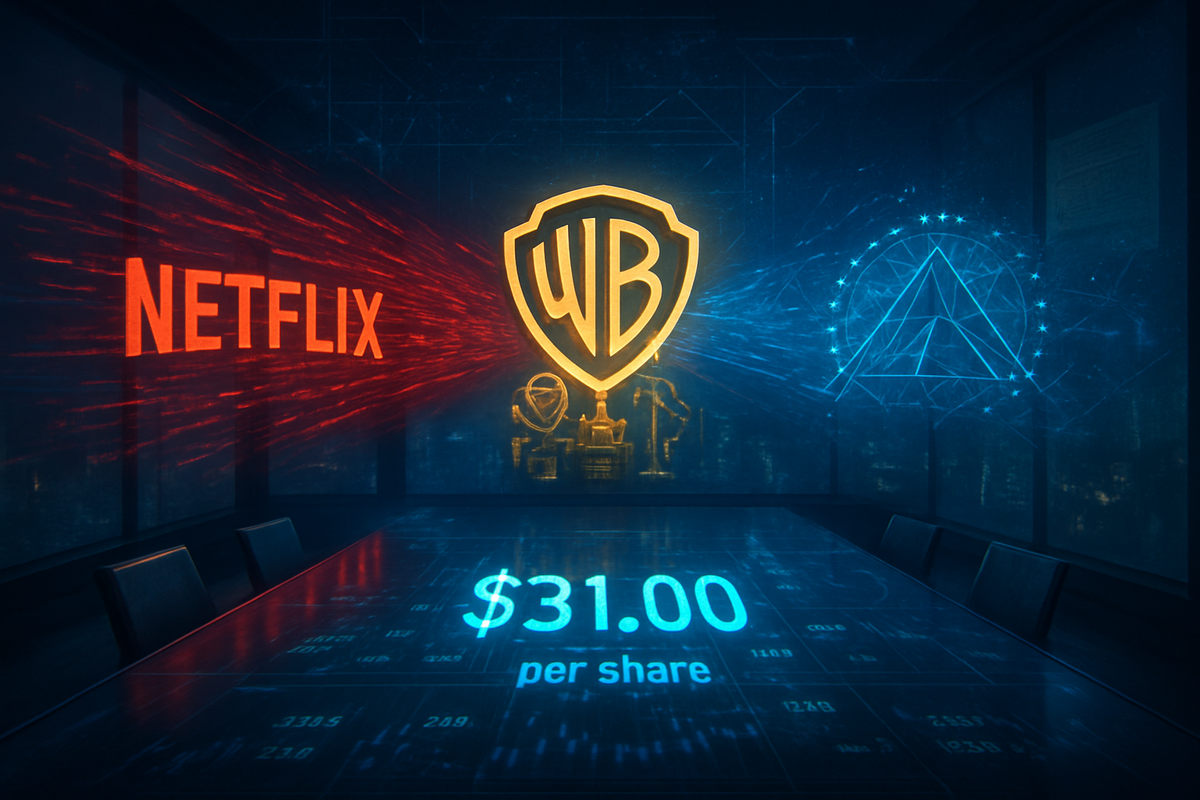




Hollywood Studio Consolidation Reshapes Entertainment Merchandise & Streaming Content Supply
- Studio acquisition outcome affects theatrical release schedules, content diversity, and merchandise licensing opportunities for cross-border sellers in entertainment products category













Overview
The Warner Bros Discovery acquisition battle between Netflix and Paramount Skydance represents a critical inflection point for entertainment industry consolidation with direct implications for e-commerce sellers in entertainment merchandise, collectibles, and digital content distribution. Late 2024 negotiations positioned Netflix to acquire Warner Bros' studio and streaming businesses, while Paramount Skydance pursued acquiring the entire WBD operation through multiple competing offers. The outcome fundamentally determines theatrical release schedules—Netflix historically releases 9-12 films annually with limited theatrical windows (primarily for awards qualification), while Paramount Skydance released 9 theatrical films in 2024 with nearly a dozen scheduled for 2026. Warner Bros itself released 11 theatrical films in 2025 with strong performance and 15 scheduled for 2026.
For cross-border sellers, this consolidation directly impacts merchandise licensing opportunities and content supply chains. Netflix ownership would likely reduce theatrical releases to 8-10 annually, narrowing the theatrical-driven merchandise window (movie posters, collectibles, apparel) that typically generates 30-40% of entertainment merchandise sales during theatrical release windows. A merged Paramount-Warner entity would maintain 15-16 theatrical releases annually, preserving robust merchandise licensing cycles. Industry experts including filmmaker James Cameron raised concerns about Netflix's deprioritization of theatrical distribution, which historically limits theatrical merchandise tie-ins that drive impulse purchases in entertainment collectibles categories on Amazon, eBay, and specialty platforms.
The broader consolidation trend reduces content diversity and supplier competition. Previous acquisitions like Disney's 20th Century Fox purchase (2019) resulted in reduced theatrical output and increased streaming focus, reducing merchandise licensing opportunities by 25-35% as studios consolidated production pipelines. A Netflix-owned Warner Bros would likely focus on franchise sequels and prestige streaming content rather than original filmmaker projects, narrowing the product portfolio available for merchandise licensing. This mirrors Disney's post-Fox acquisition strategy, which consolidated theatrical releases from 12-14 annually to 8-10, reducing licensing opportunities for third-party merchandise sellers.
Sellers in entertainment merchandise categories should monitor acquisition timeline and prepare inventory strategies accordingly. The decision timeline (expected Q1-Q2 2025) will determine 2026-2027 theatrical release schedules, directly affecting merchandise licensing windows. Sellers currently stocking Warner Bros-licensed merchandise (DC Comics apparel, Harry Potter collectibles, Dune merchandise) face potential supply chain disruption if Netflix acquisition proceeds, as Netflix historically licenses merchandise through fewer partners and emphasizes digital-first distribution over theatrical tie-ins.
Questions 7
How does Netflix ownership of Warner Bros affect merchandise licensing for cross-border sellers?
Netflix ownership would likely reduce theatrical releases from Warner Bros' current 15 annually to 8-10, directly reducing merchandise licensing windows that typically generate 30-40% of entertainment merchandise sales. Netflix historically prioritizes streaming-first releases with limited theatrical windows (primarily for awards qualification), reducing the theatrical tie-in merchandise opportunities that drive impulse purchases on Amazon, eBay, and specialty platforms. Sellers currently stocking Warner Bros-licensed merchandise (DC Comics apparel, Harry Potter collectibles, Dune products) would face reduced licensing availability and potentially higher licensing fees as Netflix consolidates partnerships. The company has shown reluctance to make traditional wide-release deals before streaming availability, fundamentally changing how merchandise is timed and distributed.
What is the difference between Netflix and Paramount Skydance's theatrical release strategies?
Paramount Skydance operates as a traditional studio, releasing 9 theatrical films in 2024 with nearly a dozen scheduled for 2026, maintaining robust theatrical merchandise windows. Netflix releases films primarily outside major chains for limited periods, focusing on awards qualification rather than wide theatrical distribution. This 6-7 film annual difference translates to 6-7 fewer theatrical merchandise licensing cycles annually under Netflix ownership. Paramount's traditional studio model preserves the theatrical-driven merchandise ecosystem that benefits cross-border sellers in collectibles, apparel, and poster categories. A merged Paramount-Warner entity would maintain 15-16 theatrical releases annually, supplementing rather than doubling Paramount's existing output pipeline.