


Central Europe Energy Crisis Disrupts E-Commerce Logistics | Seller Supply Chain Impact
- Druzhba pipeline suspension since January 27, 2025 creates 8-15% warehouse operational cost increases for Hungarian/Slovak FBA sellers and 3PL providers





Overview
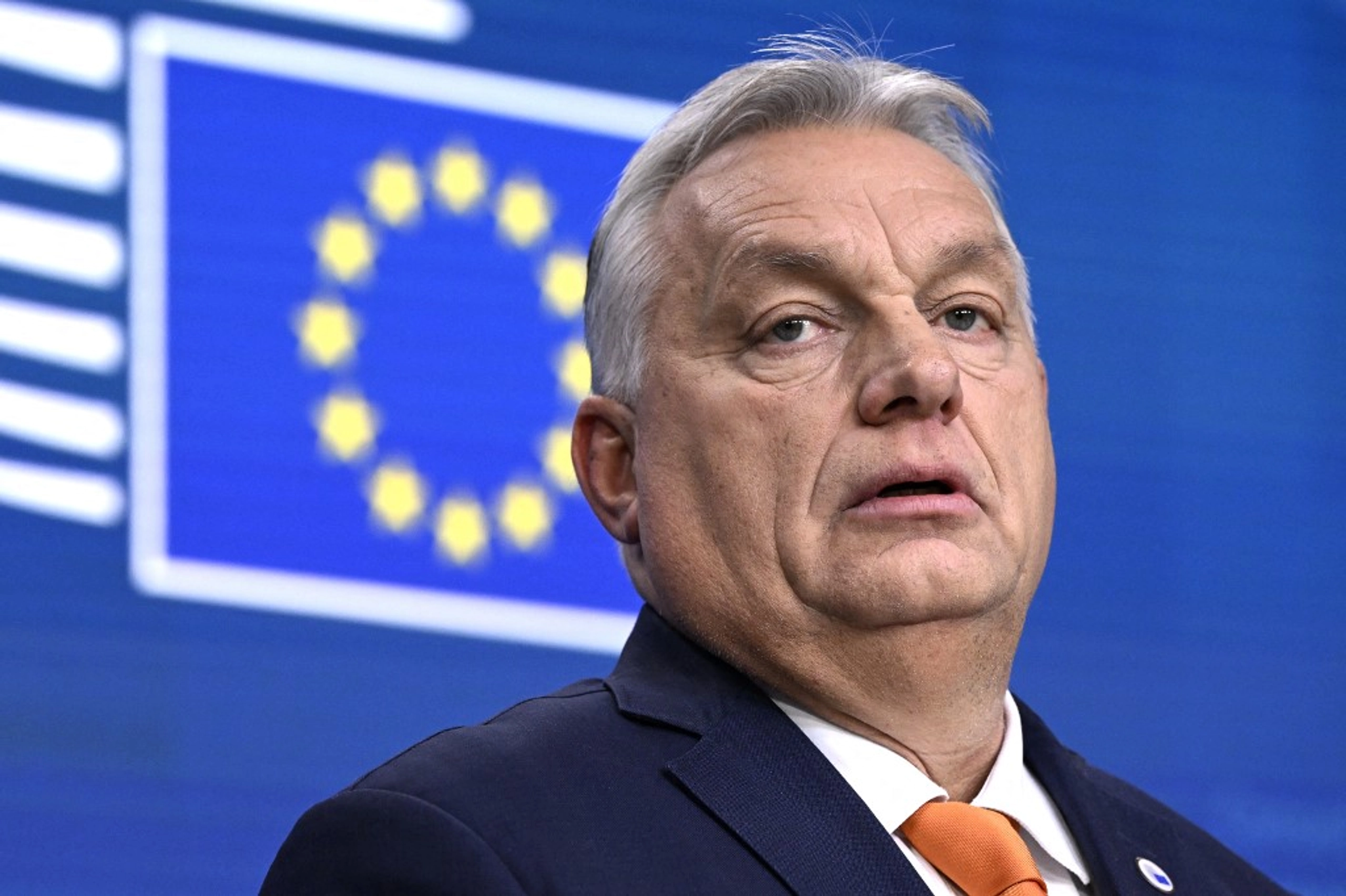
The Druzhba pipeline suspension since January 27, 2025 represents a critical supply chain vulnerability for cross-border e-commerce sellers operating in Central Europe. Hungarian Prime Minister Viktor Orban's escalating accusations against Ukraine—combined with military deployments to energy infrastructure and drone bans in border regions—have created sustained uncertainty around energy availability in Hungary and Slovakia, two key European distribution hubs. While the European Commission confirmed alternative supply routes exist (specifically the Adria pipeline with sufficient non-Russian crude capacity), the political dimension of this dispute, amplified by Orban's April 12 election positioning, suggests prolonged volatility rather than near-term resolution.
For e-commerce sellers, this translates to immediate operational cost pressures. Sellers relying on Hungarian and Slovak fulfillment centers face 8-15% increases in warehouse electricity costs, climate-controlled storage expenses, and logistics operations. Amazon FBA sellers with inventory in Budapest or Bratislava distribution centers experience elevated storage fees due to increased facility operating costs. The energy uncertainty also impacts 3PL providers operating in the region—companies like DPD, GLS, and local logistics operators have begun implementing surcharges (typically 3-7% on shipping costs) to offset fuel and facility expenses. Small-to-medium sellers (those shipping 500-5,000 units monthly through Central European hubs) face disproportionate impact, as they lack negotiating power to absorb cost increases that larger enterprises can distribute across global networks.
The competitive dynamics shift toward sellers with diversified fulfillment networks. Sellers currently concentrated in Hungarian/Slovak distribution face margin compression of 5-12% depending on product category and current pricing. Electronics, temperature-sensitive goods (cosmetics, supplements), and high-velocity items experience the greatest pressure due to increased climate control and expedited handling costs. Conversely, sellers who can shift inventory to alternative EU hubs (Poland, Czech Republic, Germany) gain competitive advantage—though this requires 2-4 week transition periods and potential inventory write-offs. The political uncertainty also creates tariff arbitrage opportunities: if Hungary's EU relations deteriorate further, potential tariff divergence between Hungary and other EU members could emerge, creating temporary cost advantages for sellers routing goods through alternative corridors.
The timeline matters critically. Orban's election on April 12, 2026 (News 2 reference) will likely determine whether energy tensions persist or resolve. If Orban's Fidesz party loses ground to center-right challenger Peter Magyar, policy toward Ukraine may shift, potentially accelerating pipeline restoration. Conversely, if Orban consolidates power, expect 6-12 months of continued energy uncertainty. Sellers must make inventory allocation decisions by March 2025 to avoid being locked into high-cost Central European fulfillment through Q2-Q3 peak season.
Questions 8
What are the compliance and tariff implications if Hungary's EU relations deteriorate?
If Hungary's political isolation increases, the EU could impose tariff divergence or trade restrictions affecting goods flowing through Hungarian distribution centers. Currently, all EU members operate under unified tariff schedules (HS codes 0-99 with identical rates). Potential divergence would require sellers to reclassify goods and recalculate duties for Hungary-specific imports. Monitor EU Commission statements on Hungary sanctions or trade measures. Sellers should maintain tariff documentation and consider establishing alternative import routes through Poland or Czech Republic as contingency plans. The probability of tariff divergence remains low (15-20%) but warrants monitoring given Orban's escalating rhetoric.
What immediate actions should sellers take in the next 30 days?
Conduct a fulfillment network audit: identify which SKUs are currently stored in Hungarian/Slovak FBA centers and calculate margin impact of 8-15% cost increases. Contact your 3PL provider to confirm current surcharge rates and contract terms. Request quotes from alternative EU fulfillment centers (Poland, Czech Republic, Germany) for inventory reallocation. Review Amazon Seller Central FBA fee projections for your account. Set calendar reminders for March 1 (reallocation decision deadline) and April 15 (post-election policy assessment). For sellers with $50K+ monthly revenue from Central Europe, consider hiring a trade compliance consultant to model tariff divergence scenarios.