



Instagram Teen Safety Alerts 2026 | Seller Content & Marketing Compliance
- Meta launches parental notification system February 2026 across US, UK, Australia, Canada; affects seller advertising policies, teen product marketing, and content moderation requirements globally












































Overview
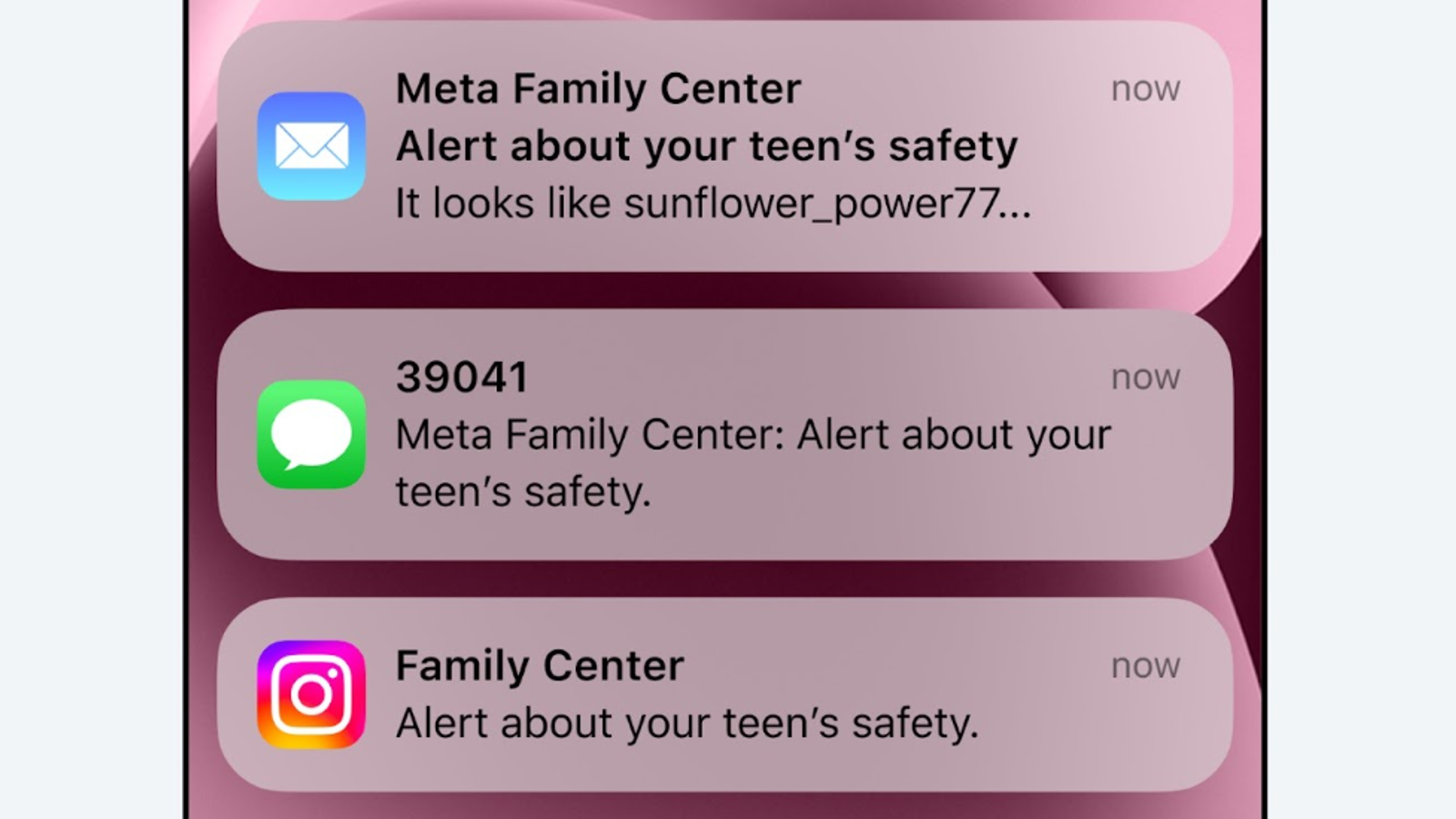
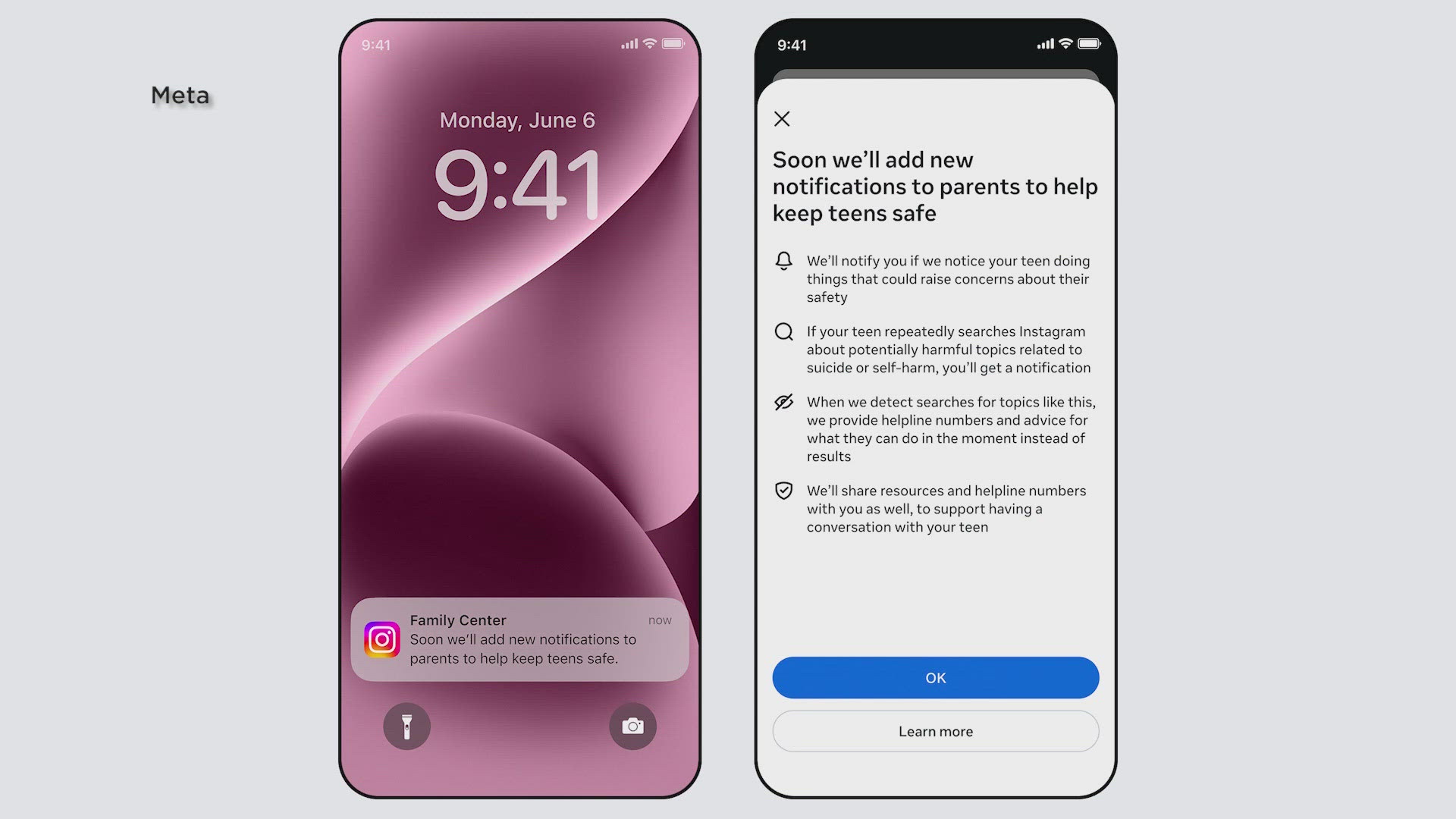
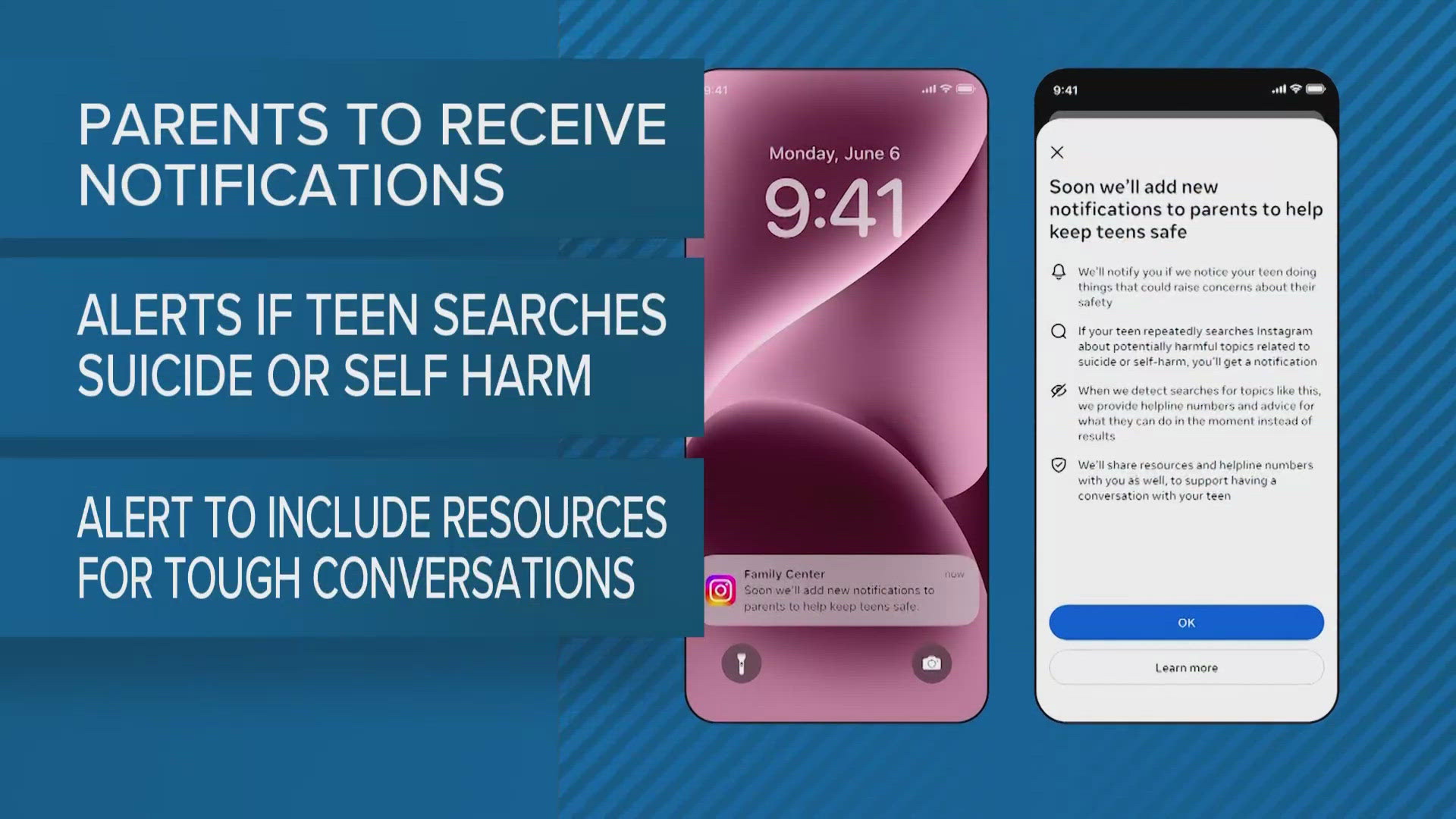
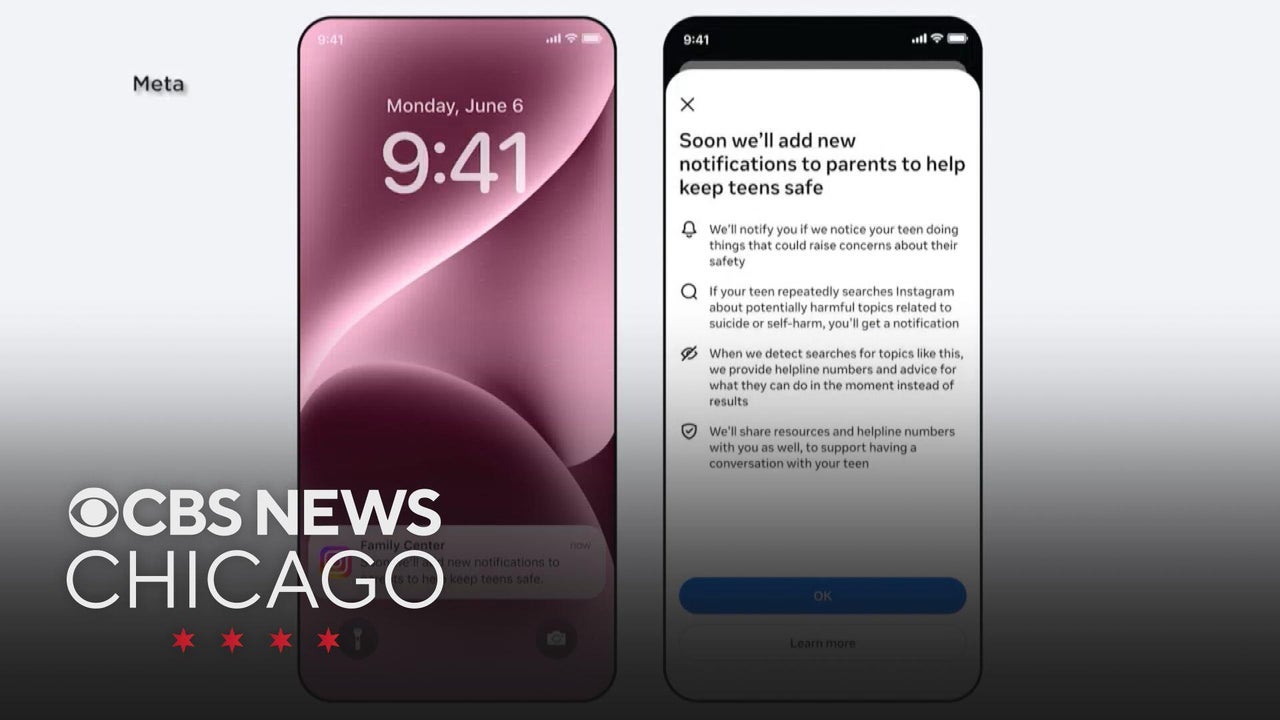
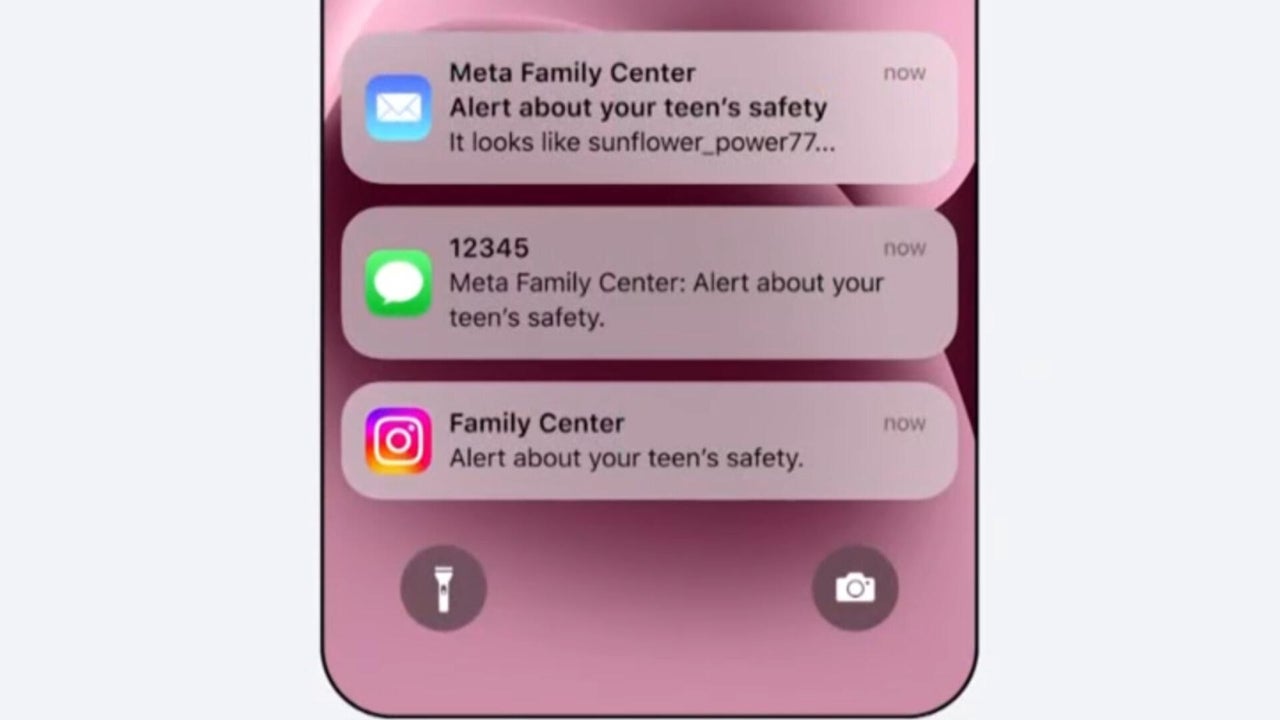
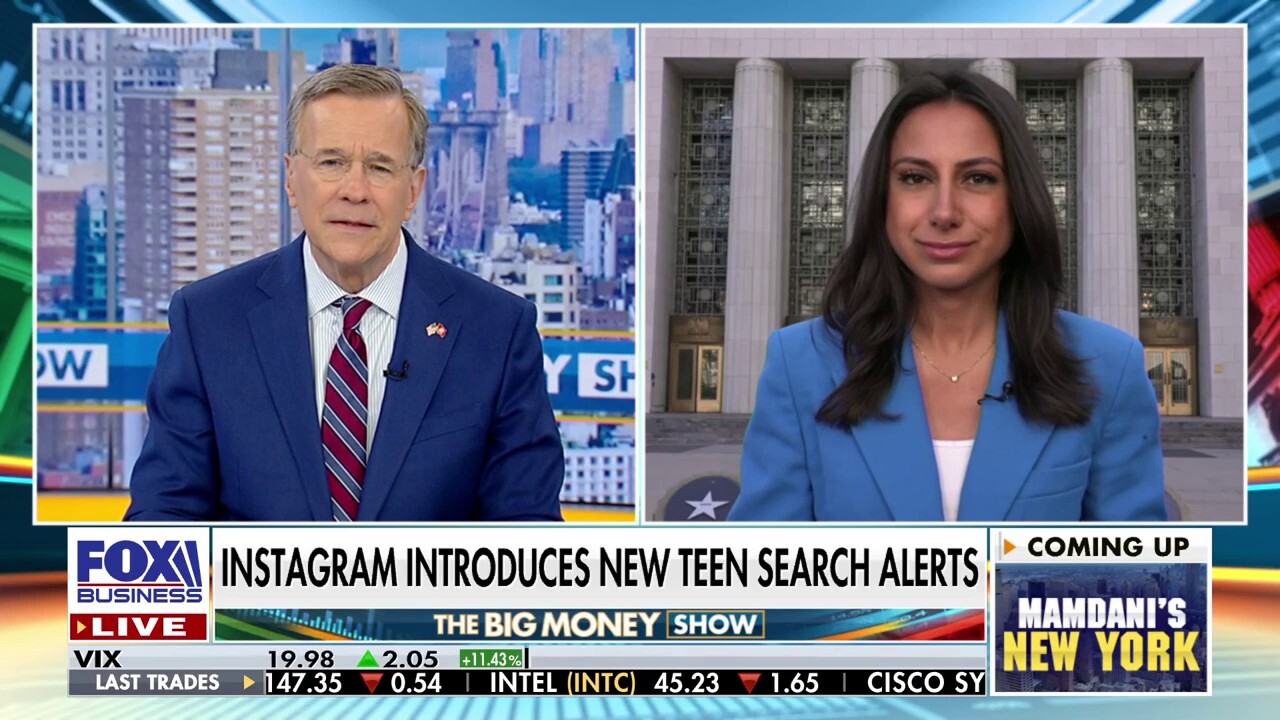
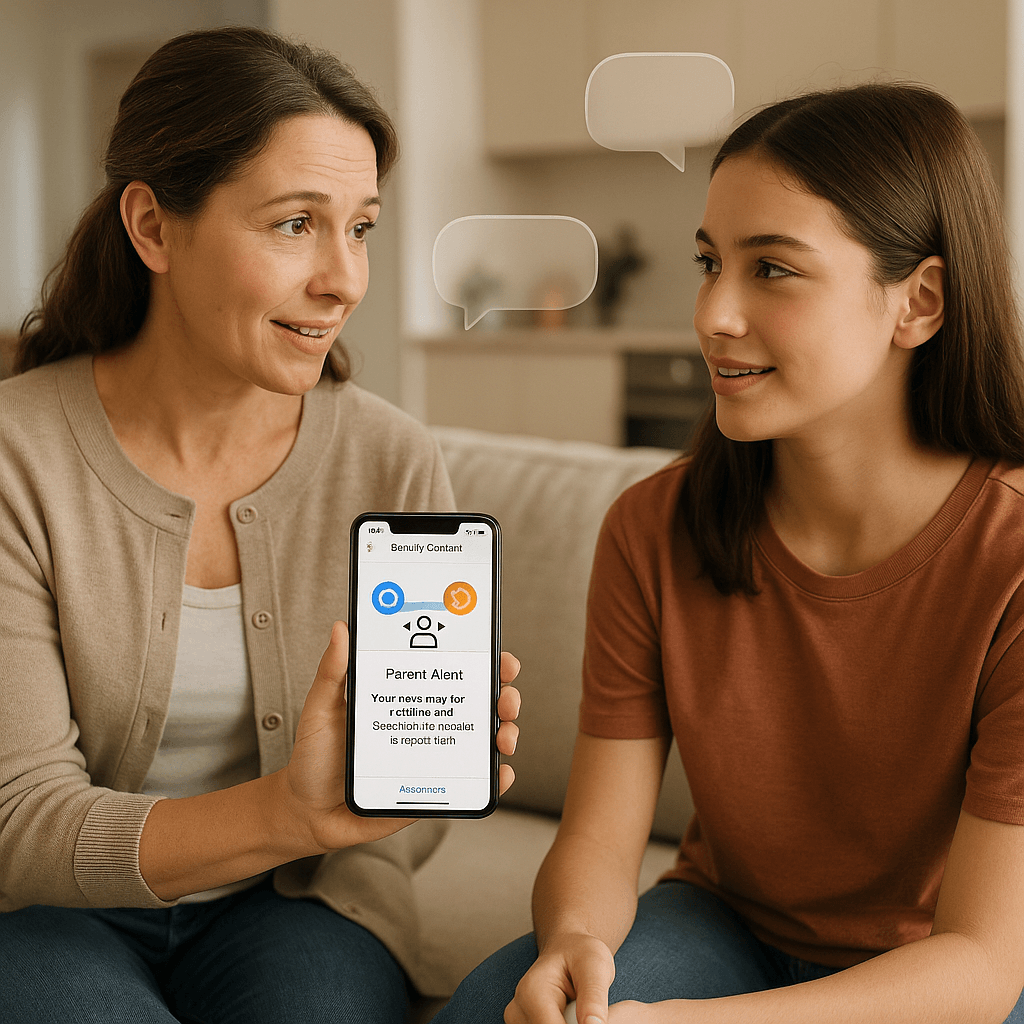
Meta's February 2026 parental alert system represents a critical regulatory compliance shift that will reshape how cross-border sellers market products to teen audiences on Instagram and Facebook. The platform will notify parents when teens repeatedly search for suicide or self-harm content, launching initially in the US, UK, Australia, and Canada before expanding globally throughout 2026. This initiative stems from mounting regulatory pressure—Meta faces two major trials (Los Angeles and New Mexico) involving thousands of families, school districts, and government entities alleging platform addiction design and inadequate child protection. The parental notification system operates through email, text, WhatsApp, and in-app channels, with alerts triggered by multiple searches within short timeframes.
For e-commerce sellers, this creates three immediate compliance barriers: First, advertising content restrictions will tighten significantly. Sellers marketing products to teens (fashion, beauty, wellness, supplements, fitness equipment) must now assume Meta will scrutinize ad creative, landing pages, and product descriptions for content that could trigger parental alerts. Products marketed with mental health claims, weight loss promises, or appearance-focused messaging face heightened review. Second, teen account targeting limitations will expand. Meta's existing PG-13 content default for teens will likely extend to stricter ad category restrictions, reducing addressable audience for sellers targeting 13-17 year-olds. Third, content moderation liability increases. Sellers whose product listings, reviews, or user-generated content could be flagged as promoting harmful behavior face potential account suspension or advertising restrictions.
The regulatory enforcement intensity is accelerating. Meta's consultation with its Suicide and Self-Harm Advisory Group to establish search thresholds signals the company is building defensible compliance frameworks to address litigation risk. This defensive posture typically precedes stricter enforcement against third-party sellers. The Molly Rose Foundation and child safety charities' criticism that Meta "neglects the real issue" by not preventing algorithmic promotion of harmful content suggests future regulations may require sellers to certify product safety claims and restrict certain categories entirely (diet products, fitness supplements, mental health-related merchandise). The expansion to AI chatbot monitoring (expected later 2026) indicates Meta is building comprehensive teen safety infrastructure that will eventually affect seller interactions with teen users.
Compliance cost implications are substantial. Sellers must budget for: (1) content audit and revision ($500-2,000 per seller depending on catalog size), (2) advertising policy training and compliance monitoring ($200-500 monthly), (3) potential account suspension recovery costs if flagged for non-compliance, and (4) category-specific certifications if Meta requires product safety documentation. Small sellers (under 100 SKUs) face 15-25% compliance overhead, while large sellers (1,000+ SKUs) can amortize costs to 3-8% per product. The fastest compliance path involves immediately auditing all teen-targeted ads, removing mental health/appearance claims, and shifting marketing focus to parent-approved messaging (safety, education, skill-building). Sellers in high-risk categories (supplements, fitness, beauty, wellness) should expect 30-60 day review cycles for new product approvals starting Q1 2026.
Questions 8
How do different markets (US, UK, Australia, Canada) have varying compliance requirements for teen safety?
Meta's February 2026 rollout prioritizes US, UK, Australia, and Canada, suggesting these markets face the strictest initial enforcement. The UK's Online Safety Bill and Australia's eSafety Commissioner framework indicate these regions have stronger regulatory backing for Meta's teen safety measures. US sellers face litigation-driven compliance (thousands of families suing Meta), while UK/Australia sellers face government-mandated compliance. Canada's approach aligns with US standards. Sellers operating across these markets should expect: (1) harmonized policies by Q2 2026 (Meta will likely apply strictest standards globally), (2) regional variations in enforcement intensity (UK/Australia likely stricter initially), and (3) expansion to EU, Asia-Pacific markets by Q3-Q4 2026. The fastest compliance path is to adopt US/UK standards immediately, as these represent the highest bar. Sellers in other regions should prepare for similar requirements within 6-12 months.
How will Meta's parental alert system affect my product advertising on Instagram?
Meta's February 2026 parental notification system will trigger stricter content review for ads targeting teens, particularly in beauty, wellness, fitness, and supplement categories. Any ad creative, landing page copy, or product description containing mental health claims, weight loss promises, or appearance-focused messaging faces heightened scrutiny. Sellers should immediately audit all teen-targeted campaigns and remove potentially problematic claims. The system operates by alerting parents to repeated teen searches for self-harm content, which signals Meta is building comprehensive teen safety infrastructure that will eventually restrict seller content in these categories. Expect 30-60 day review cycles for new product approvals in high-risk categories starting Q1 2026.