



Apple's $699 Budget MacBook Launch Signals 15M+ Unit Demand Surge | Seller Opportunity
- March 2026 launch creates 8M+ first-year shipments, driving accessories/refurbished market expansion for electronics sellers across Amazon, eBay, and Shopify






















Overview
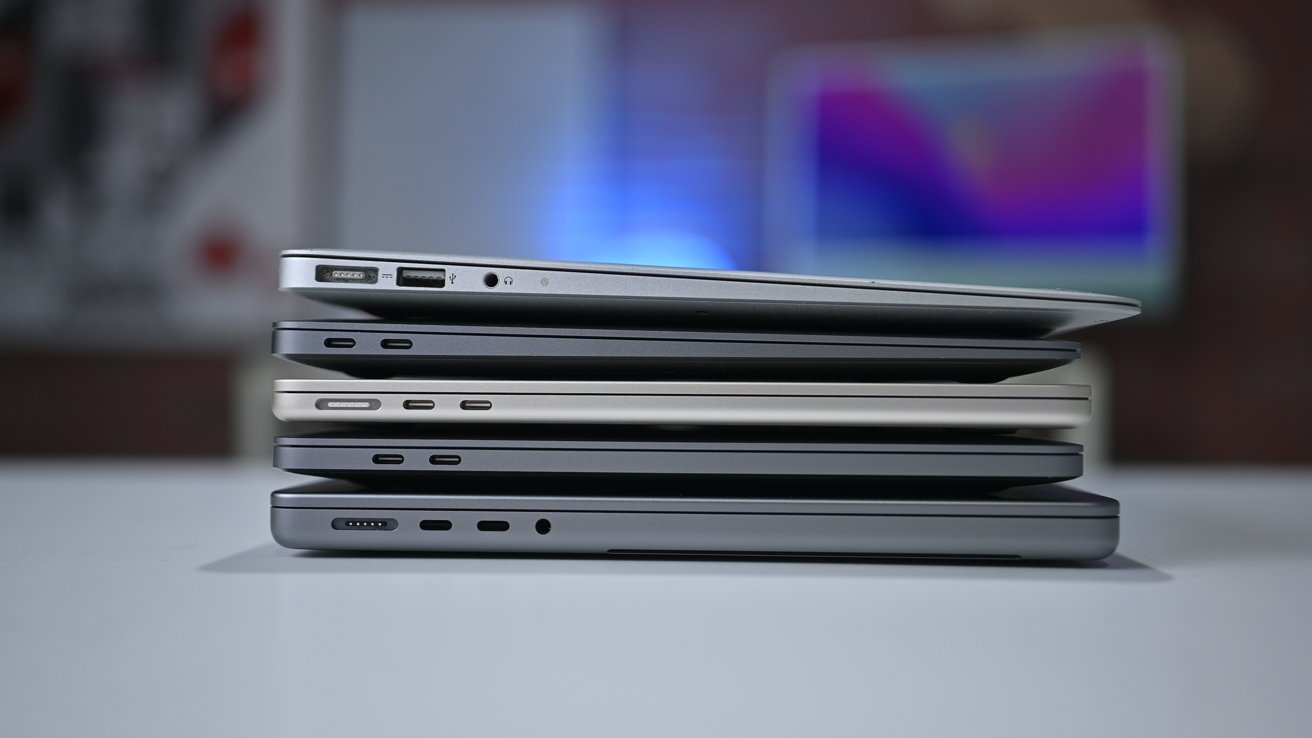
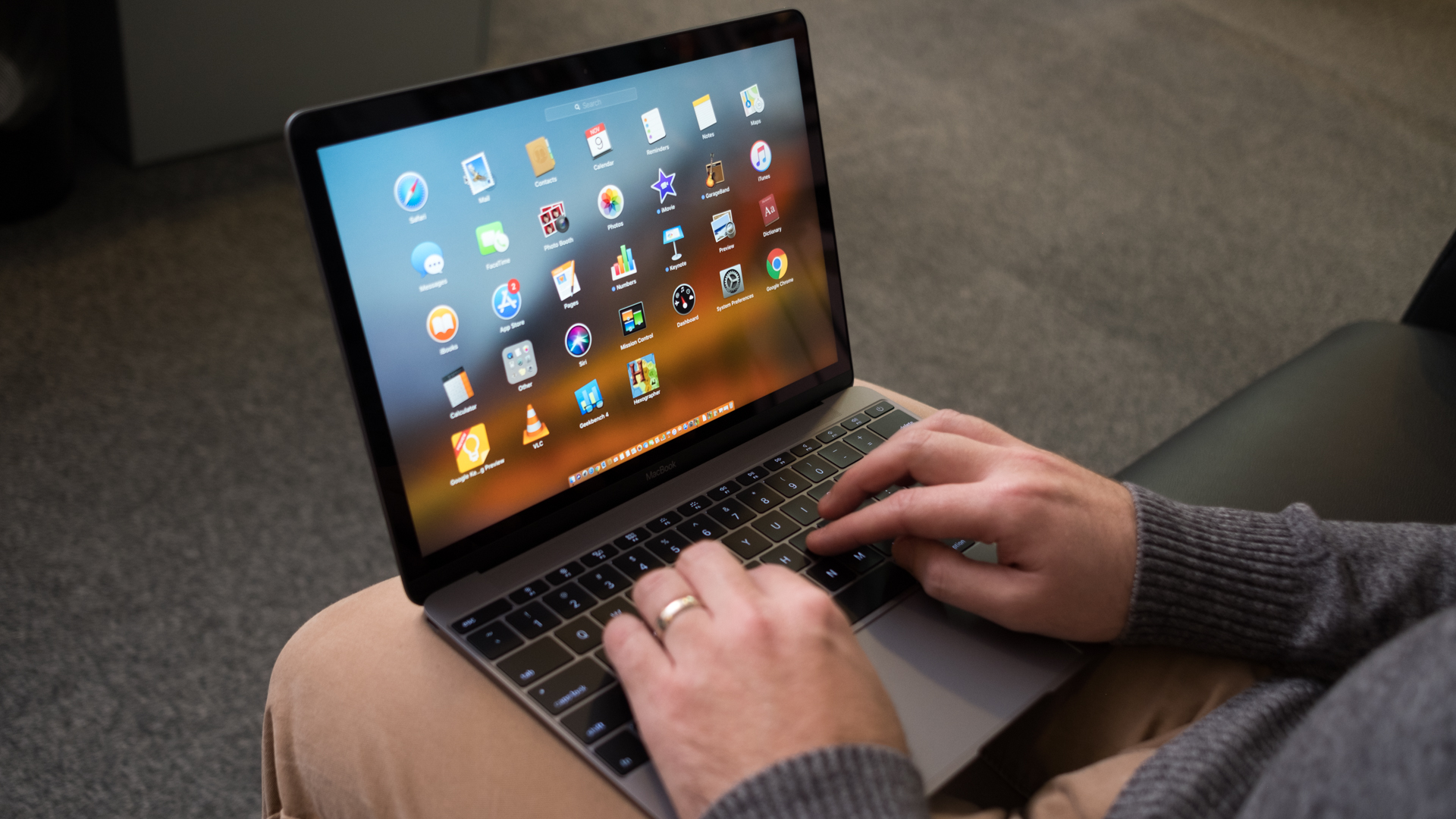
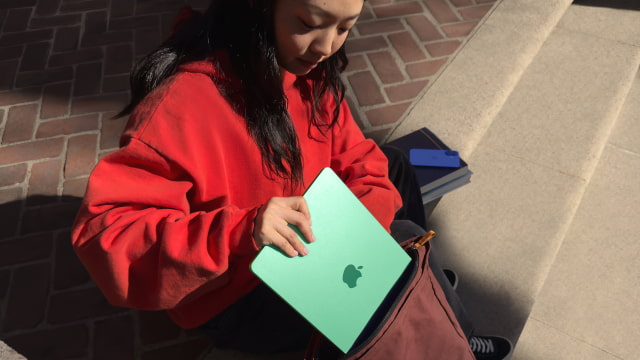
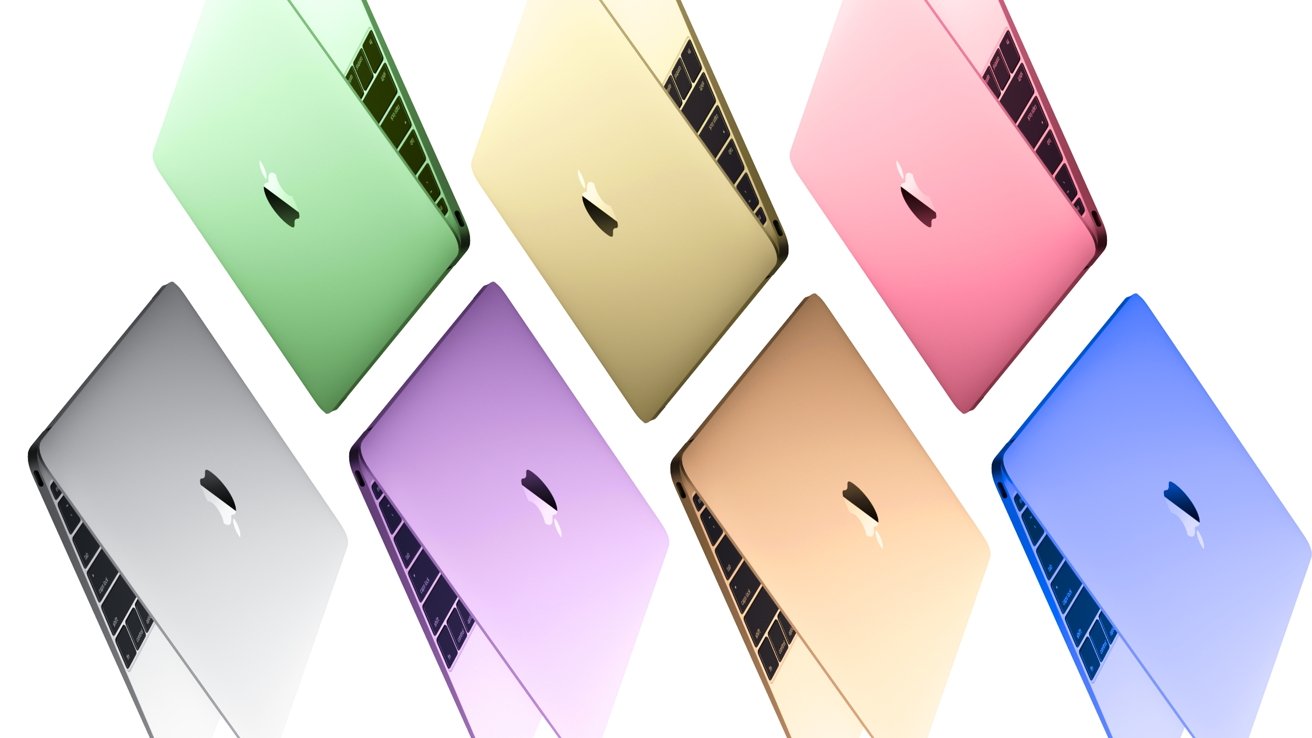
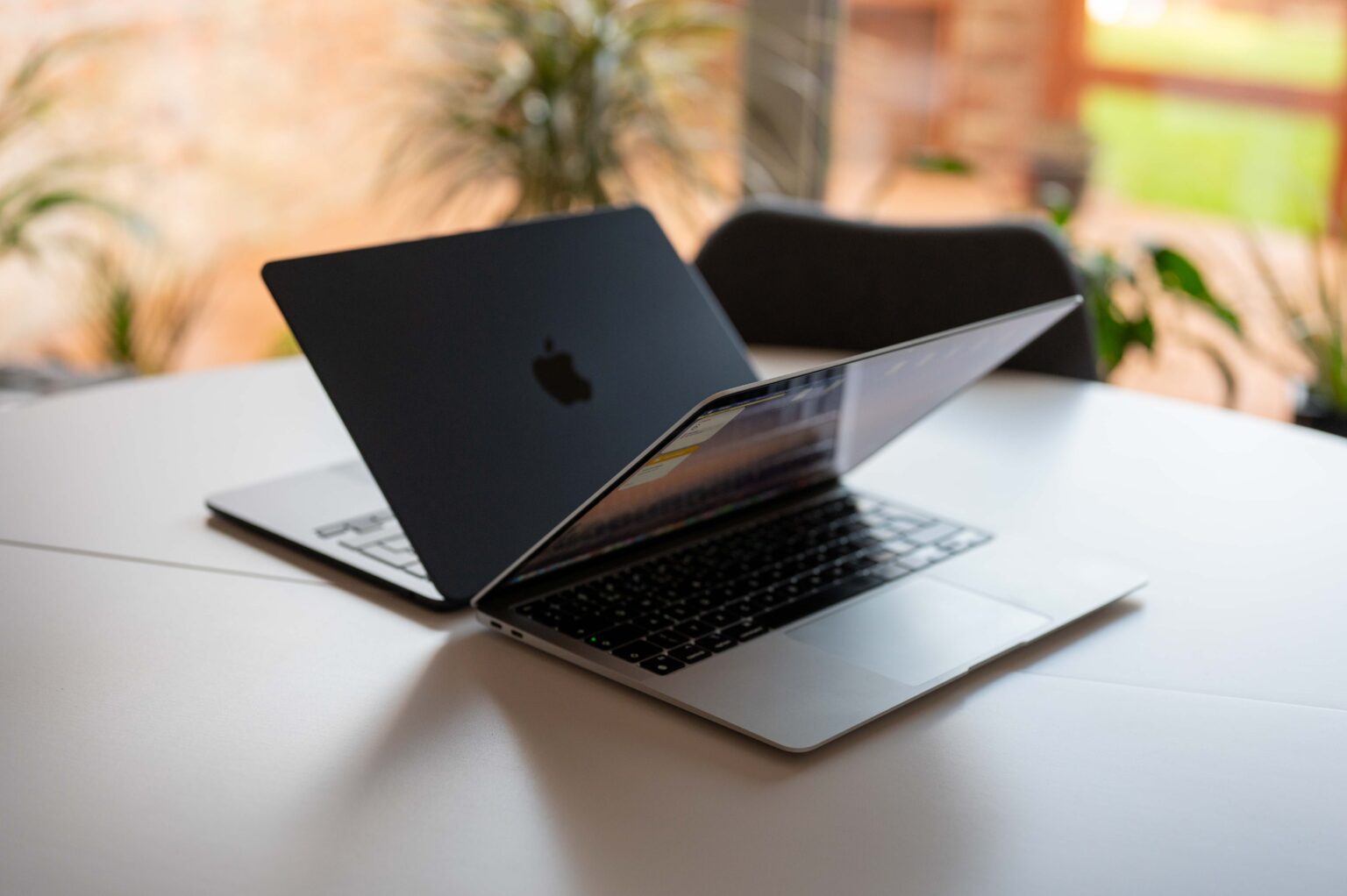
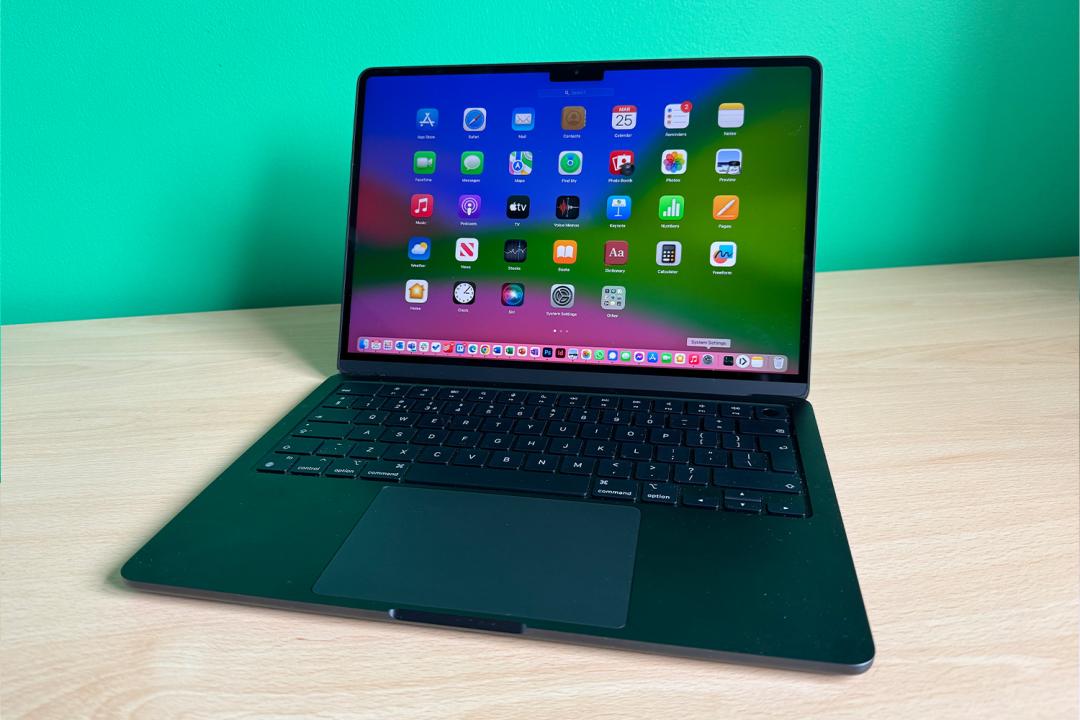
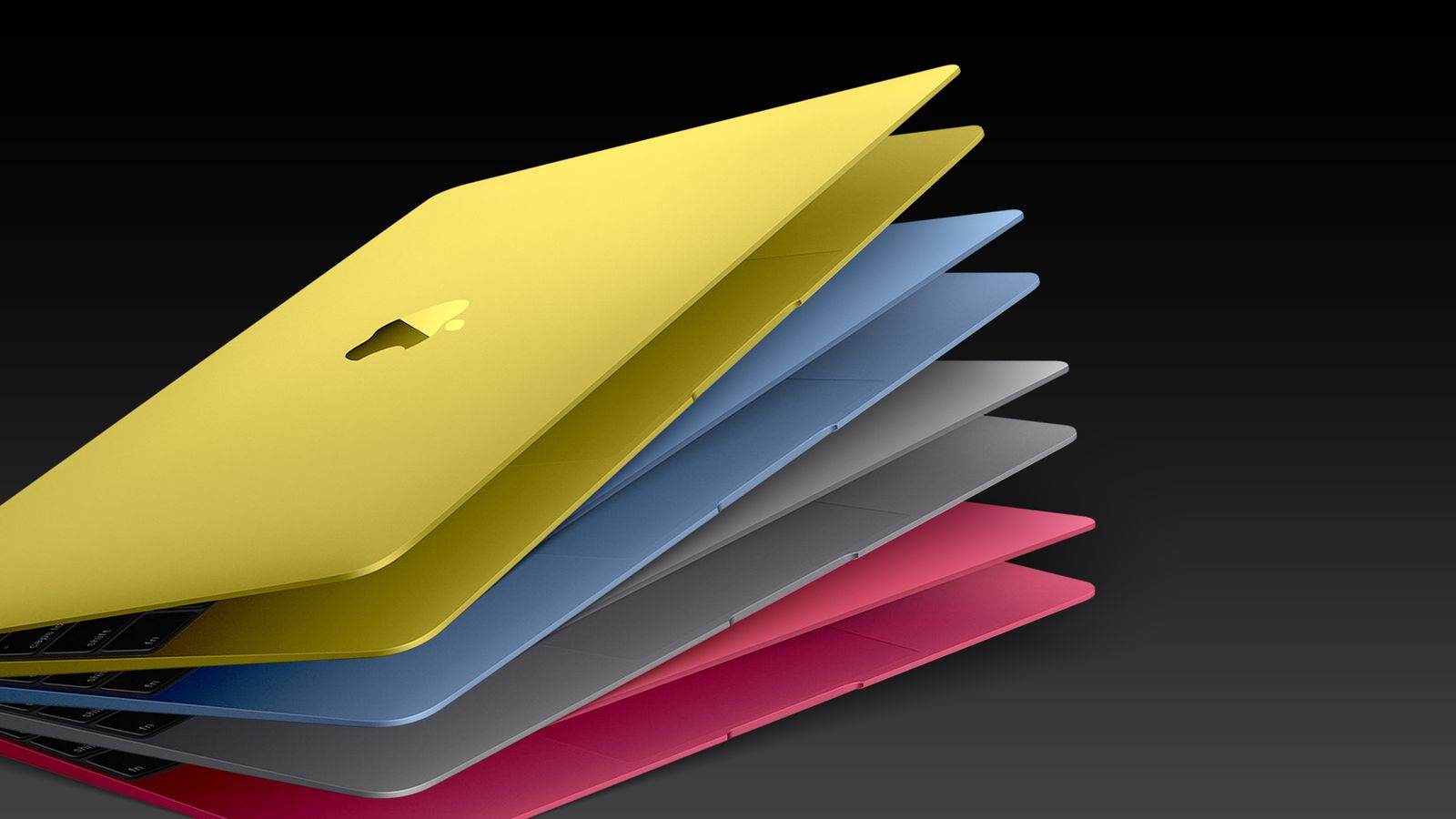
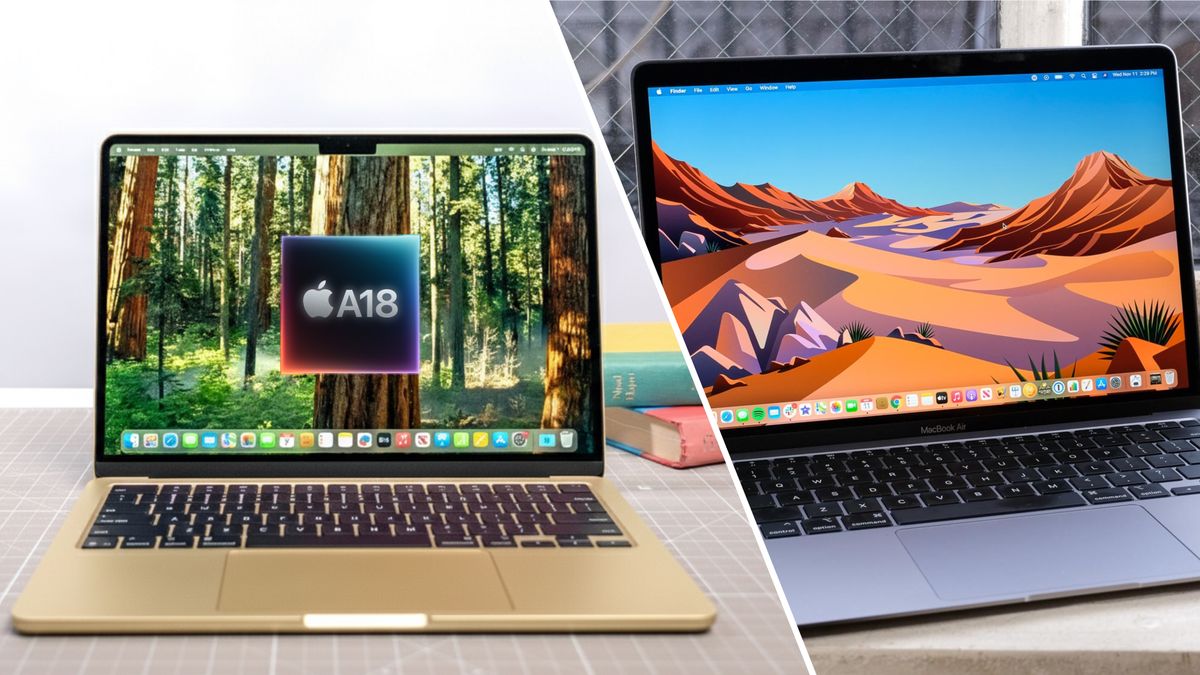
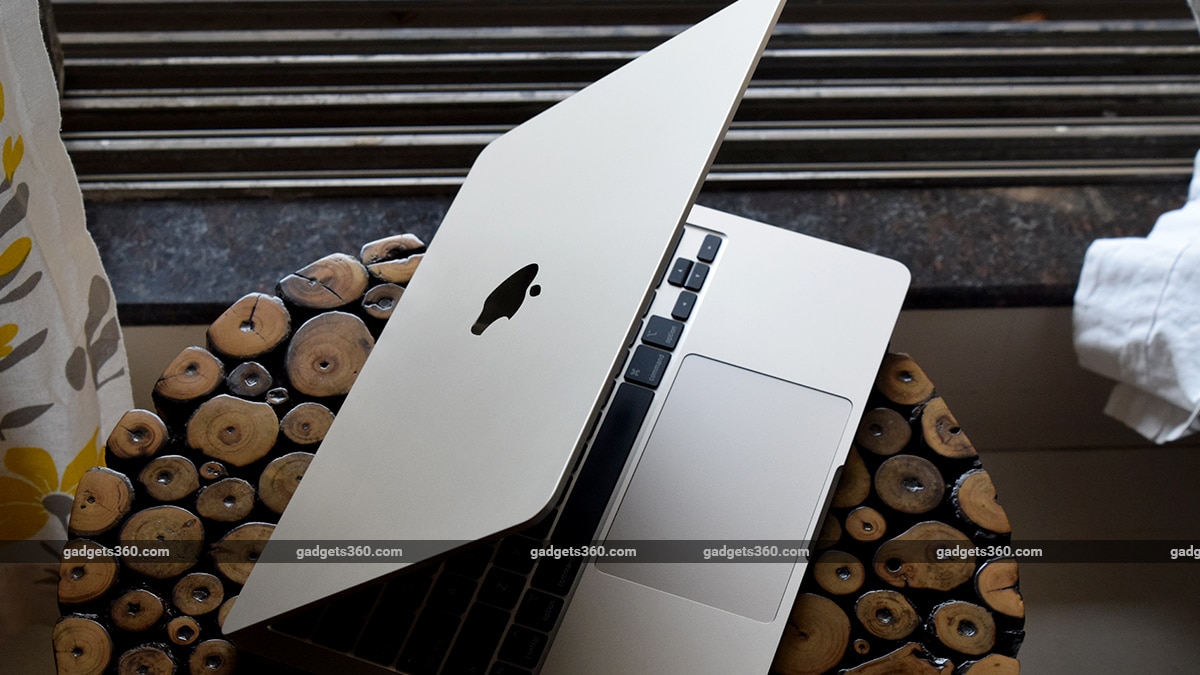
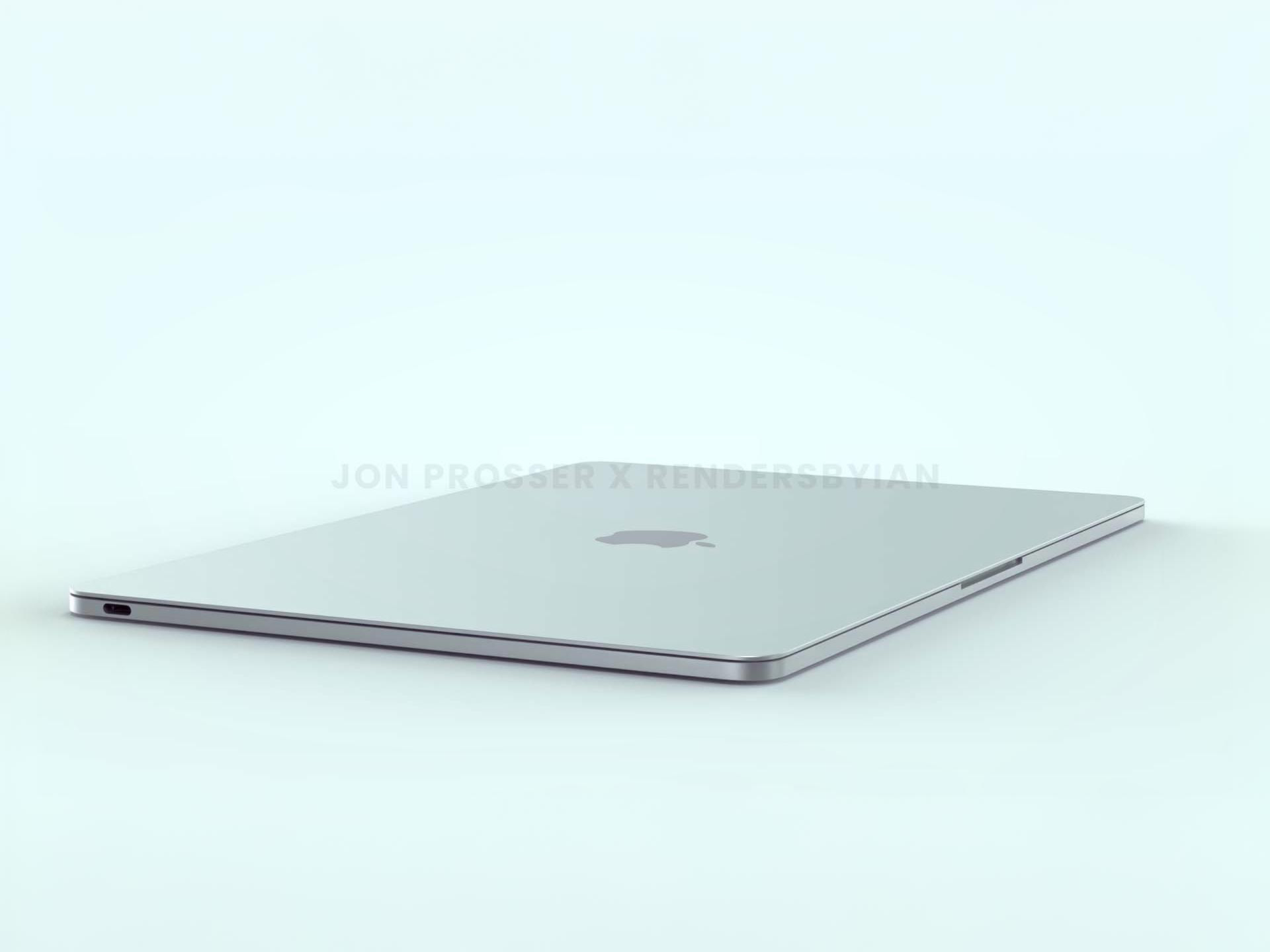
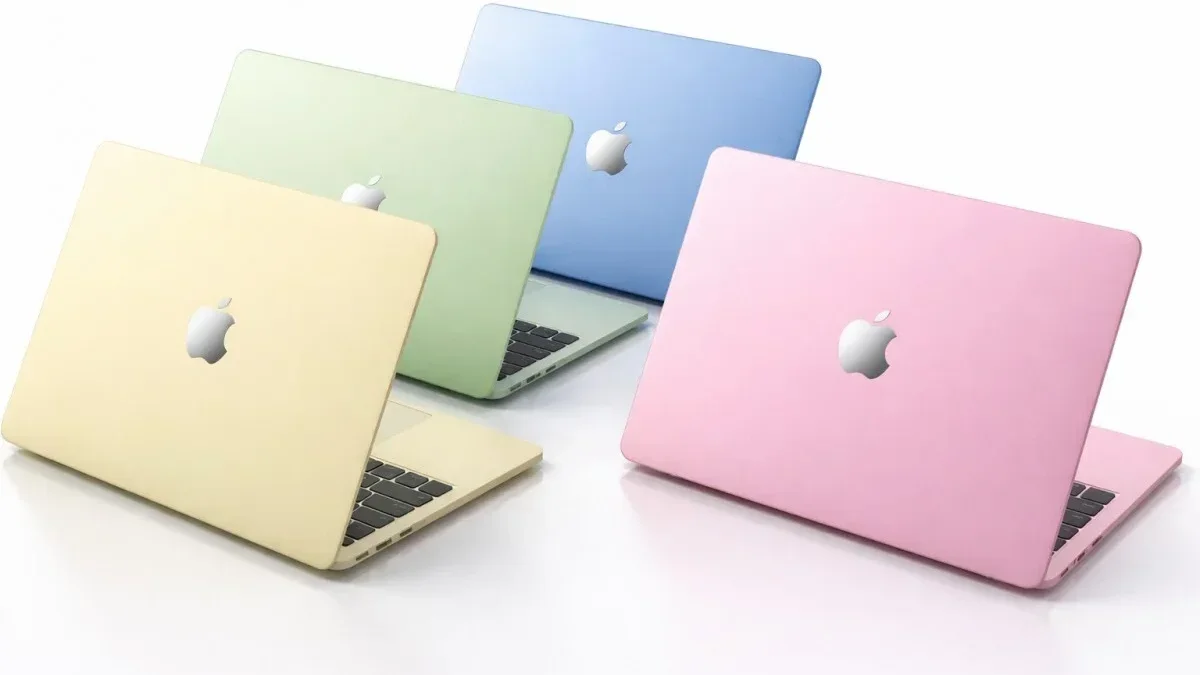
Apple's March 2026 budget MacBook launch represents a transformative market expansion opportunity for electronics sellers, with supply chain projections indicating 15-16 million units over two years and first-year shipments potentially exceeding 8 million units. The $699-$750 price point—significantly higher than initial $599 rumors due to rising component costs—positions this device as a direct Chromebook competitor while creating substantial downstream demand for accessories, protective cases, chargers, and refurbished inventory across Amazon FBA, eBay, and Shopify platforms.
The supply chain dynamics reveal critical cost pressures reshaping the entire laptop category. Cobalt prices surged 161% from $21,500 to $56,200 per metric ton following Democratic Republic of Congo export restrictions, while battery module costs increased 10-15% in February alone. Memory prices have multiplied significantly, with Chinese manufacturers prioritizing domestic brands and reaching full capacity. Apple CEO Tim Cook acknowledged Q1 2026 would see limited memory cost impacts, but Q2 2026 onward would experience pronounced increases. These cost pressures directly impact sellers: component shortages will drive up refurbished MacBook Air M4 prices (currently $999 retail, $899 education), creating arbitrage opportunities for sellers sourcing inventory from education channels or corporate liquidation markets.
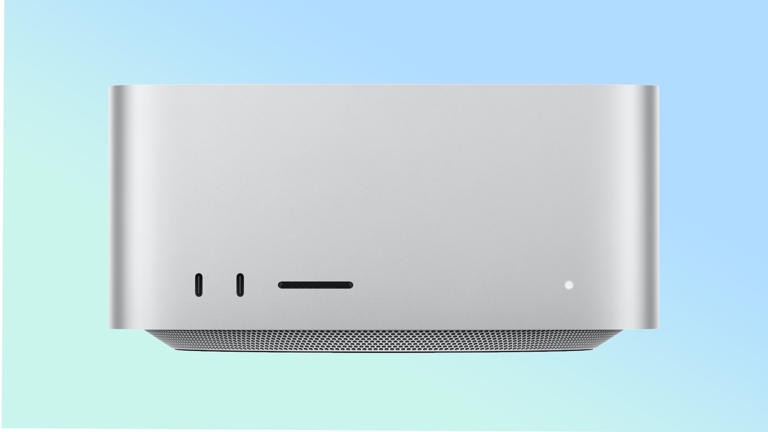
The March 4 product launch event introduces complementary devices amplifying the accessories market. Apple's simultaneous launch of iPhone 17e ($599, A19 chip, MagSafe support), A18 iPad, M4 iPad Air, M5 MacBook Air, M5 MacBook Pro (14"/16"), and M5 Mac Studio creates a coordinated ecosystem upgrade cycle. The A18 iPad's Apple Intelligence support signals accelerated adoption of AI-capable devices, driving demand for premium screen protectors, styluses, and productivity accessories. MagSafe integration across iPhone 17e and budget MacBook creates standardized charging ecosystem demand—sellers can capitalize on third-party MagSafe accessory categories (cables, chargers, stands) where margins typically reach 40-60% versus 15-25% for hardware.
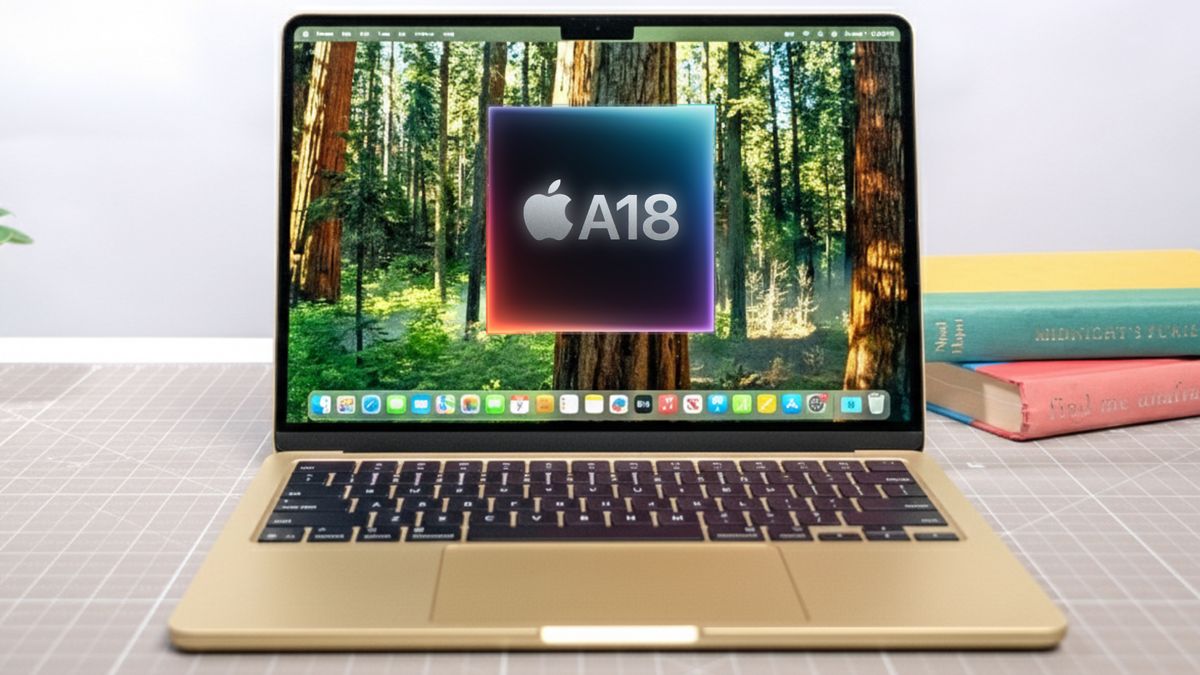
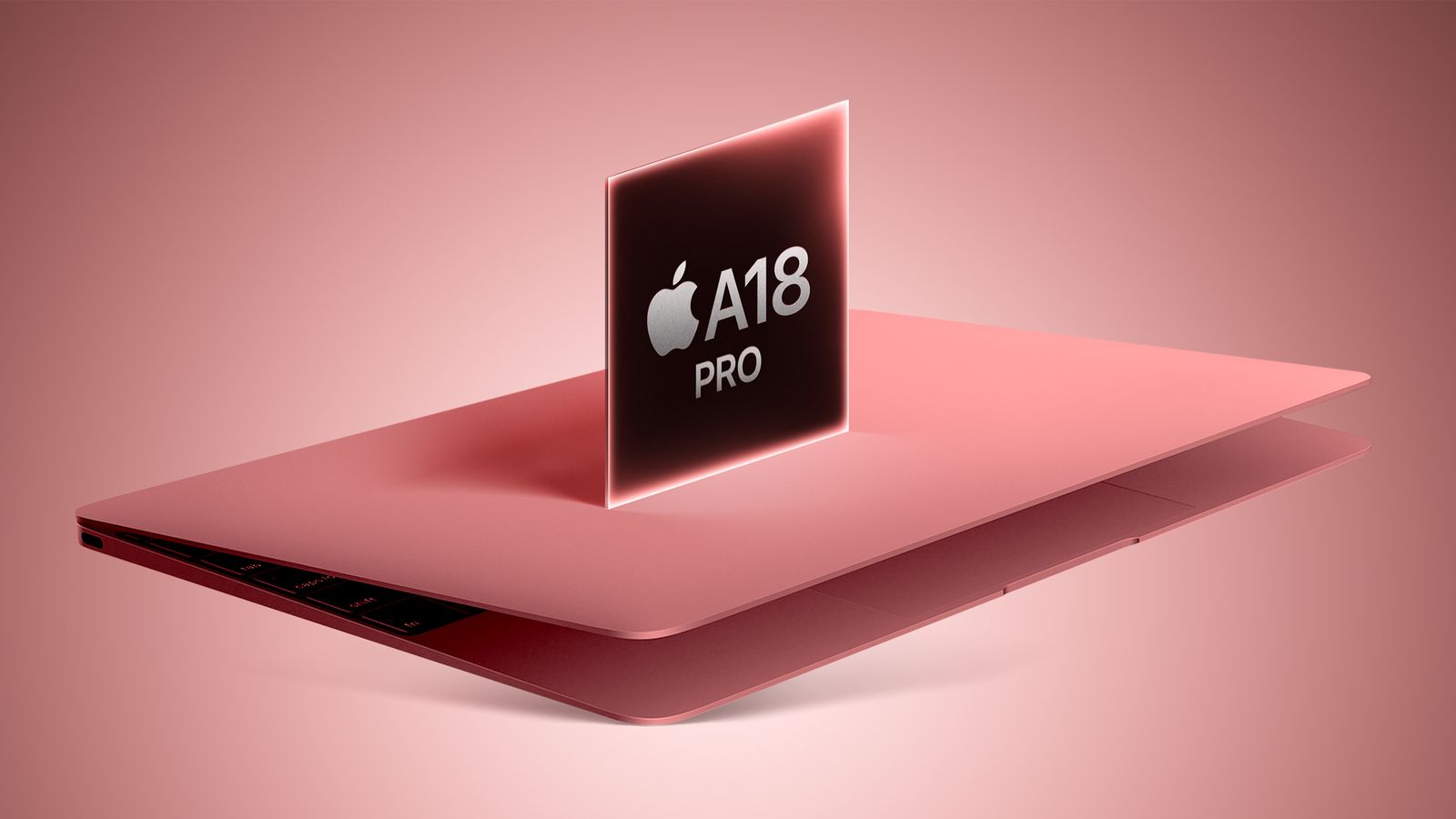
Market positioning reveals critical competitive dynamics for seller strategy. Apple's MacBook shipments are projected to reach 21 million units in 2026 (up 2.16% from 20.55M in 2025), with Q1 2026 forecasting 1.4% QoQ and 3.7% YoY growth. This contrasts sharply with global notebook shipments declining 13.1% sequentially and 4.1% annually—Apple is capturing market share during industry contraction. Sellers targeting budget-conscious consumers (students, small business owners, Chromebook switchers) should prepare inventory for March-April 2026 demand surge. The budget MacBook's A18 Pro chip (same as iPhone 16 Pro) and cost-cutting measures (no True Tone display, no Wi-Fi 7, 8GB base RAM) position it for price-sensitive segments, not creative professionals—this demographic typically purchases refurbished M-series models, creating secondary market opportunities.
Questions 8
What is Apple's budget MacBook pricing and when does it launch?
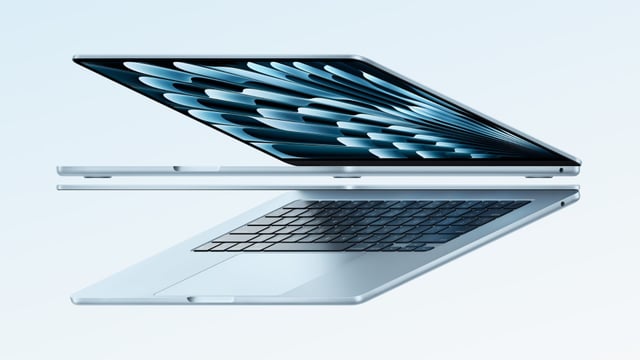
Apple's budget MacBook launches in March 2026 with a $699-$750 price point, featuring an A18 Pro chip, 13-inch display, and 8GB base RAM. Initial pricing rumors suggested $599, but rising component costs—particularly cobalt prices surging 161% and memory shortages—pushed final pricing higher. This positions the budget MacBook between entry-level Chromebooks ($300-500) and Apple's current MacBook Air M4 ($999 retail, $899 education). For sellers, this creates arbitrage opportunities sourcing discounted M4 models from education channels before the budget model captures price-sensitive demand.
How will the budget MacBook impact refurbished MacBook Air sales?
The budget MacBook's $699-750 price point will compress refurbished MacBook Air M4 margins, currently selling at $899-950 on Amazon and eBay. Sellers holding M4 inventory should expect 10-15% price pressure as budget-conscious consumers choose new A18 Pro models over refurbished M4s. However, creative professionals and power users will continue purchasing refurbished M-series models, creating a bifurcated market. Sellers should shift inventory strategy: liquidate mid-range refurbished M4 stock before March 2026, while acquiring discounted M3/M2 models from corporate liquidation markets for margin-protected resale.