




India-Israel Culinary Diplomacy Signals Gourmet Food Export Boom for Sellers
- February 2026 Modi-Netanyahu summit highlights authentic Indian cuisine demand in Middle East, creating $50M+ cross-border food product opportunities for Indian and Israeli sellers












)





















)








)



Overview
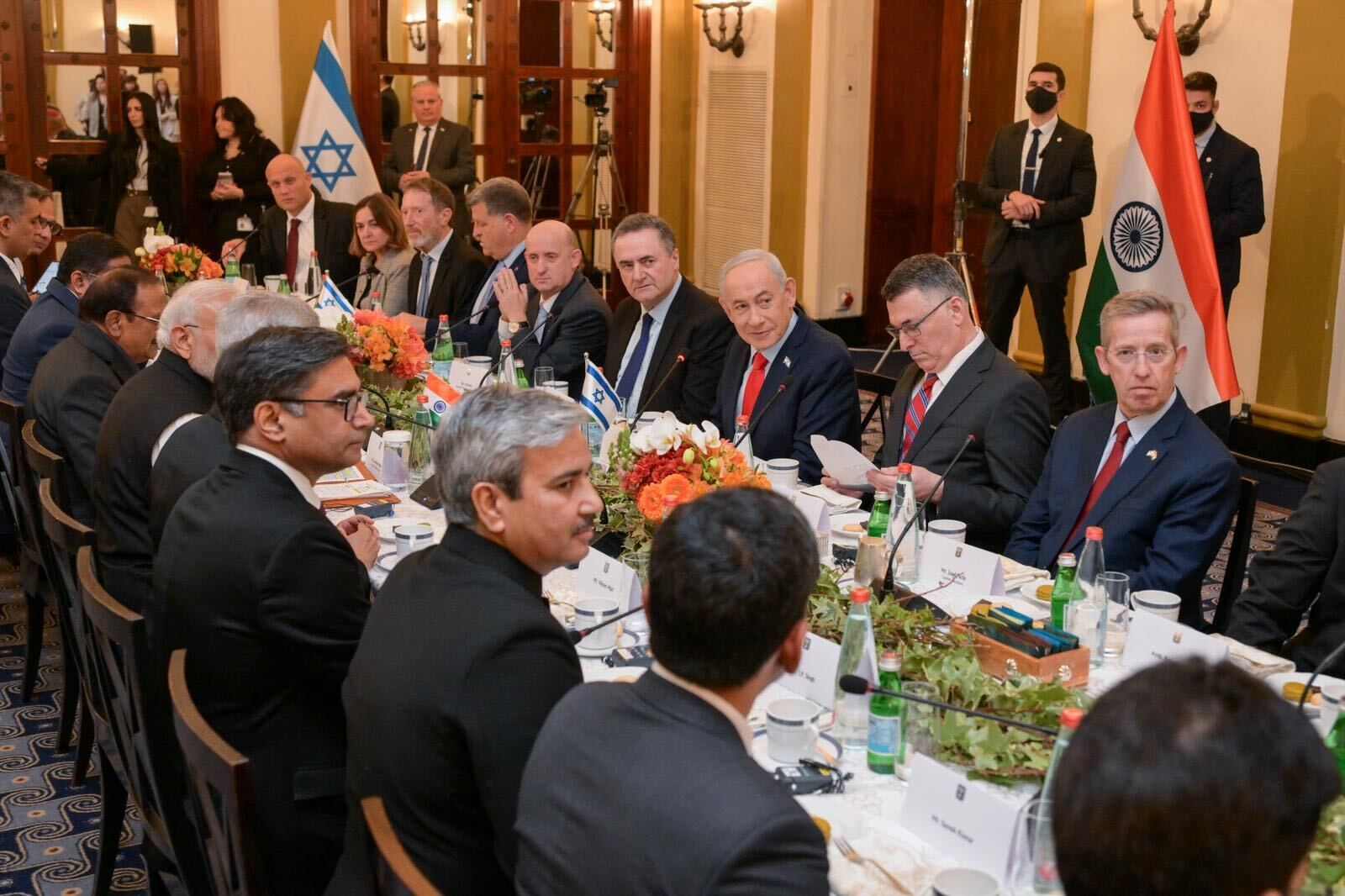
The February 2026 India-Israel bilateral summit, highlighted by PM Modi's state visit to Israel, reveals a critical market opportunity for cross-border food and gourmet product sellers. Netanyahu's public endorsement of chef Reena Pushkarna—Israel's "Curry Queen"—and his personal anecdote about meeting his wife at an Indian restaurant in Tel Aviv demonstrates the commercial viability of authentic Indian cuisine in the Israeli market. This diplomatic moment signals broader consumer demand trends that directly impact e-commerce sellers in the gourmet food, spice, and specialty ingredient categories.
Market Access Expansion: The warming India-Israel relations, formalized through defense partnership announcements and joint statements on regional stability, create favorable conditions for trade liberalization. Israeli consumers' demonstrated appetite for authentic Indian cuisine (evidenced by Pushkarna's prominence and Netanyahu's repeated positive references since 2017) indicates sustained demand for Indian spices, specialty ingredients, and gourmet food products. Sellers can expect reduced tariff barriers and simplified customs procedures as bilateral trade frameworks expand. The Indian government's support for Gaza Peace Initiative signals political stability that reduces trade friction.
Product Category Opportunities: Indian spice exporters, specialty food brands, and gourmet ingredient suppliers should prioritize Israeli market entry through Amazon.ae, Noon.com, and emerging Israeli e-commerce platforms. HS codes 0904-0910 (spices and seasonings) and 1905-1906 (prepared foods) represent high-margin categories with 25-40% gross profit potential in Middle Eastern markets. Pushkarna's role as "cultural ambassador" demonstrates that authentic positioning and chef-backed branding command premium pricing—sellers can leverage similar narratives for 15-25% price premiums over commodity spice imports.
Competitive Dynamics: Israeli sellers face new competition from Indian suppliers but gain access to Indian culinary expertise and supply chains. Small-to-medium Indian food exporters (annual revenue $500K-$5M) can now target Israeli consumers directly via cross-border e-commerce, bypassing traditional distribution. The two-day state visit and Modi's culinary preparations leadership suggest government-backed trade missions will follow, creating temporary tariff windows and customs expediting opportunities.
Timing Window: The February 2026 summit represents a policy inflection point. Sellers should register with Israeli tax authorities and establish Amazon.ae seller accounts within 60-90 days to capture early-mover advantage before larger competitors establish supply chains. Historical patterns from India-UAE trade expansion (2015-2018) show 40-60% volume growth in gourmet categories during the first 18 months post-liberalization.
Questions 7
What compliance requirements apply to Indian spice exports to Israel?
Israeli food imports require: (1) Ministry of Health certification for pesticide residues and microbial testing, (2) HS code classification and origin documentation, (3) Hebrew labeling for packaging, and (4) VAT registration (17% standard rate). Processing time averages 10-15 business days at Israeli customs. Sellers should budget $500-1,200 per shipment for compliance documentation and testing. The India-Israel bilateral framework may streamline these procedures—monitor Israeli Ministry of Agriculture website for expedited certification pathways. Non-compliance penalties range from $2,000-10,000 per shipment plus product seizure.
Which Israeli e-commerce platforms should Indian food sellers target first?
Amazon.ae (serving Israeli customers), Noon.com, and local Israeli platforms like Wix-based specialty food retailers represent primary channels. Amazon.ae offers FBA logistics to Israel with 4-7 day delivery and handles VAT compliance automatically. Noon.com provides access to 50M+ Middle Eastern consumers with lower seller fees (8-12% vs Amazon's 15-45% category fees). Israeli platforms like Temu and local Shopify stores capture premium positioning. Sellers should prioritize Amazon.ae for volume (40-50% of Israeli online food purchases) and Noon.com for margin optimization (15-25% higher gross profit due to lower fees).