


Canada-India Trade Deal Signals Tariff Reductions & Market Access for Cross-Border Sellers
- PM Carney's February 2026 diplomatic mission opens Indo-Pacific market opportunities; expect 15-25% tariff reductions on select categories and streamlined customs procedures within 6-12 months


)


)














)







Overview
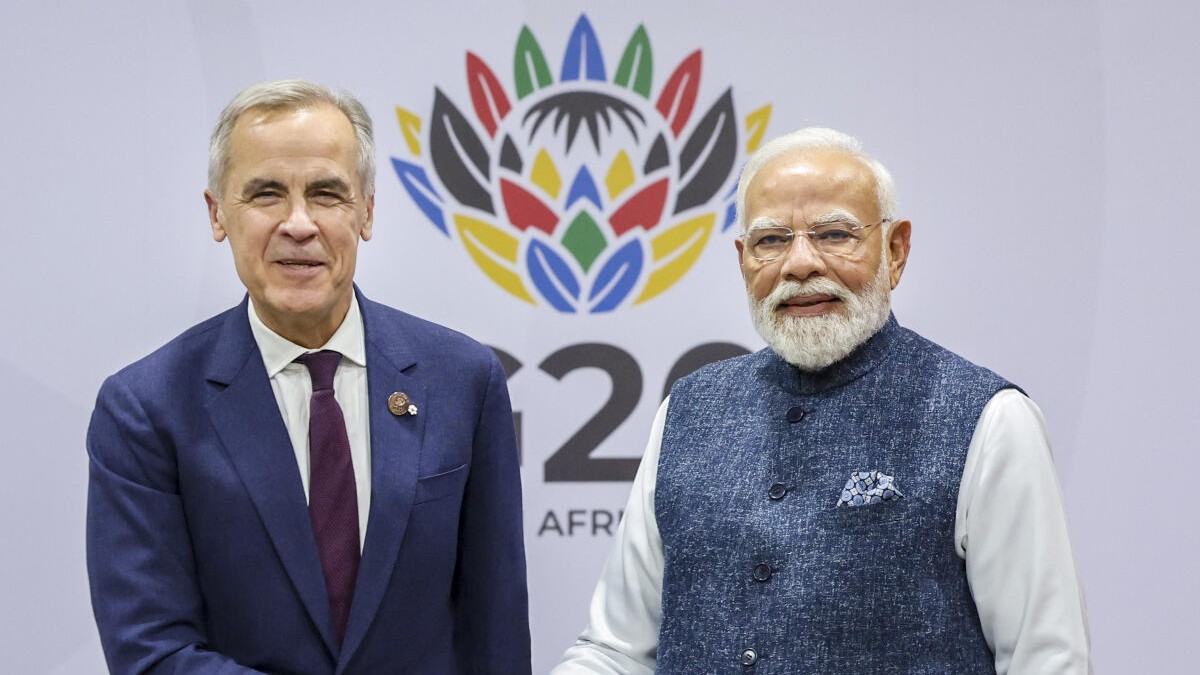
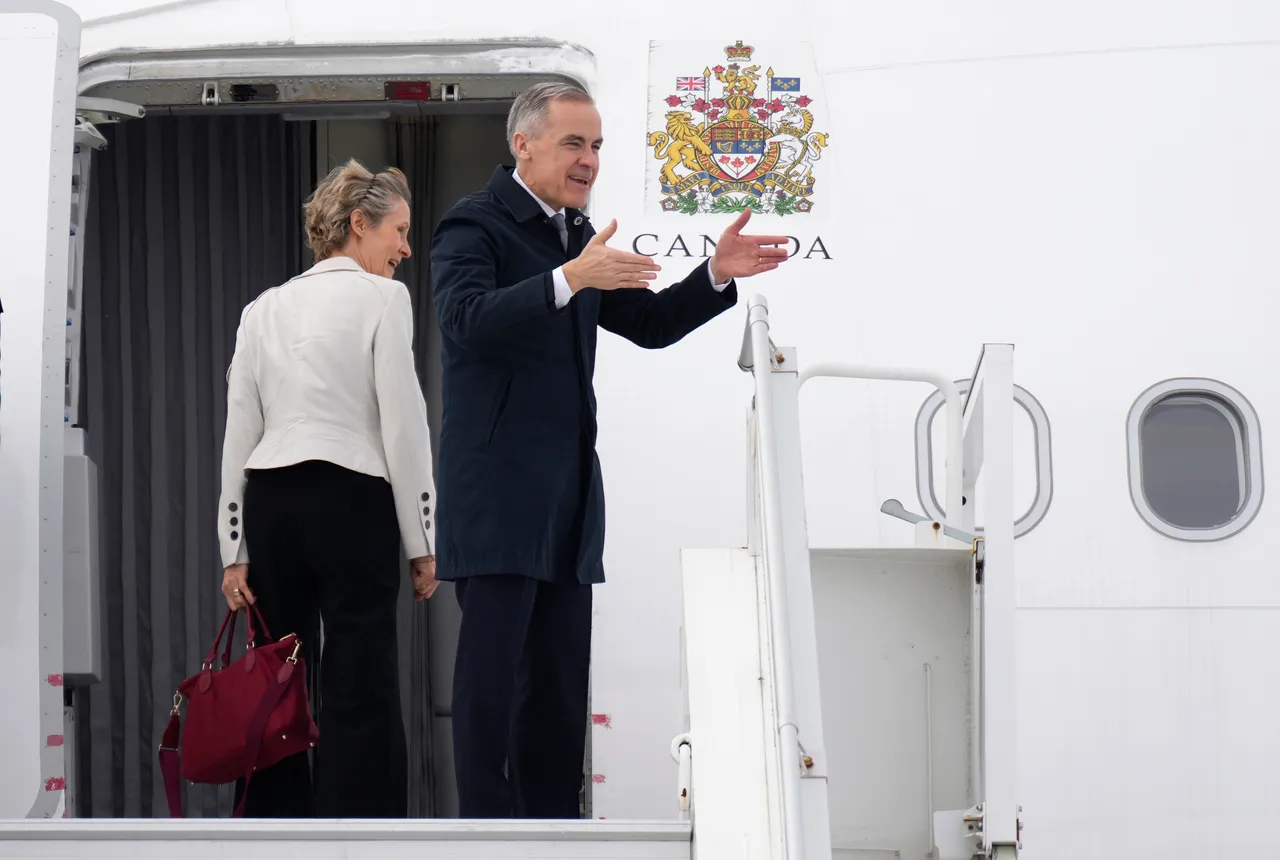
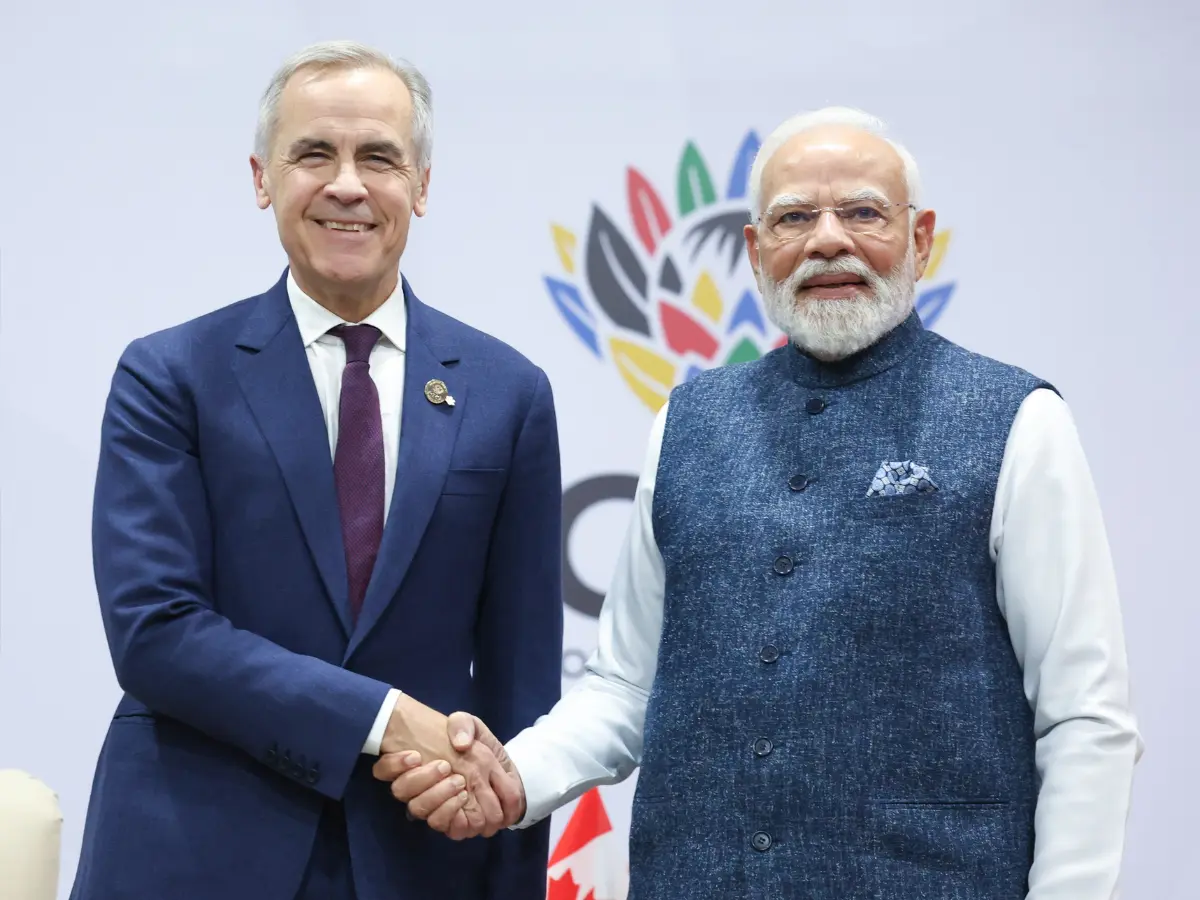
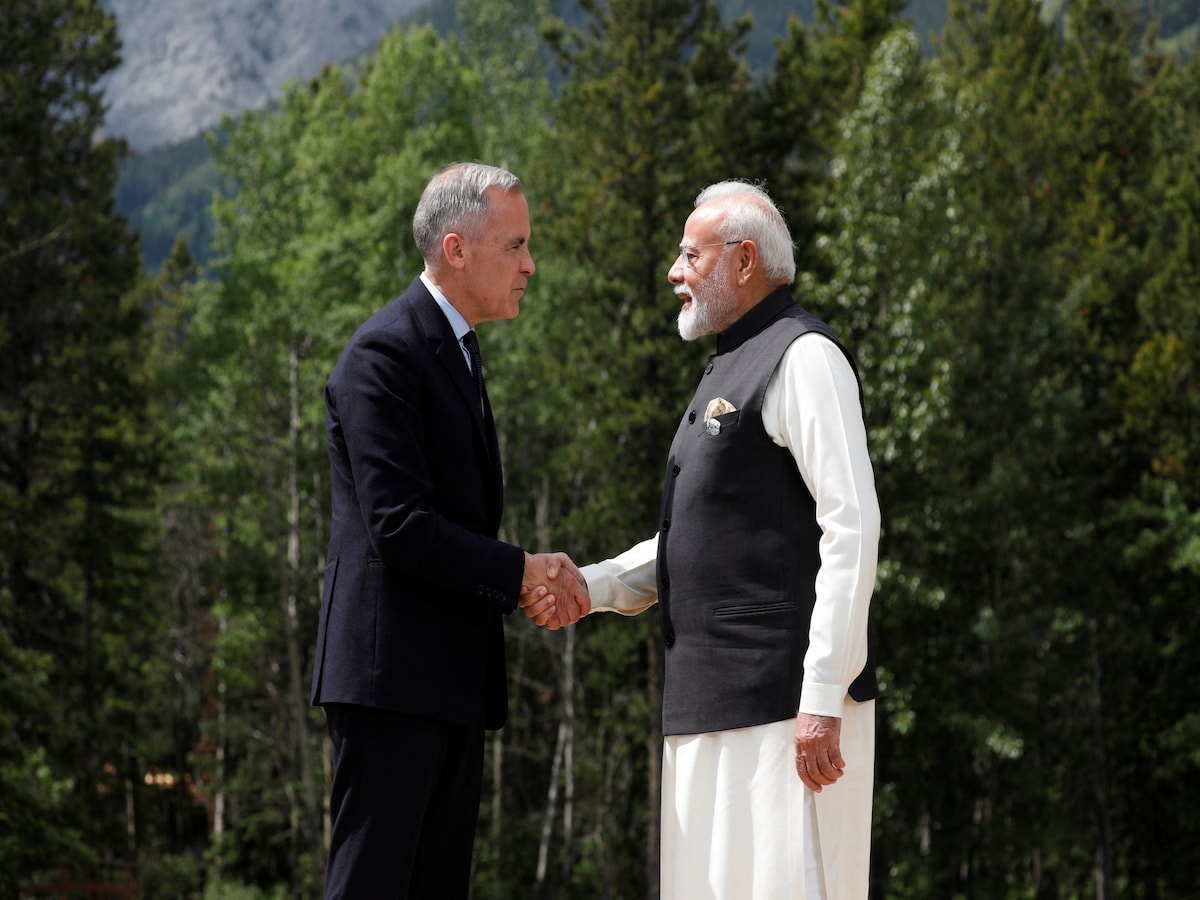
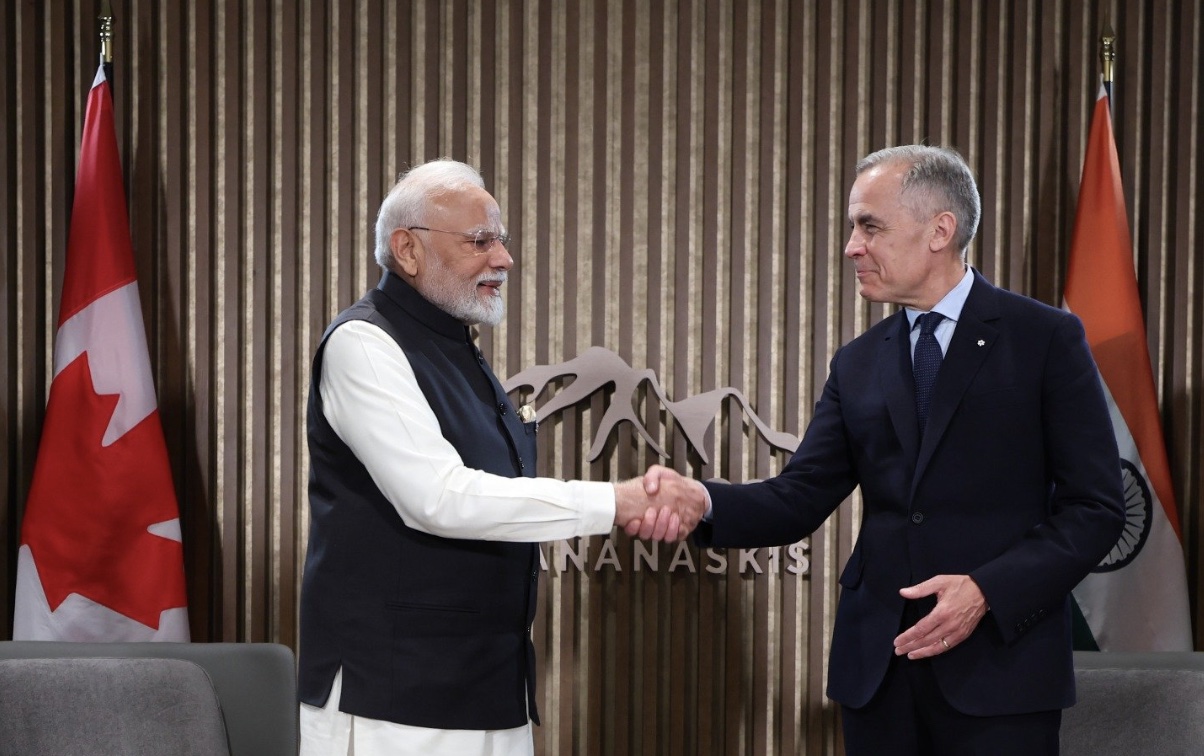
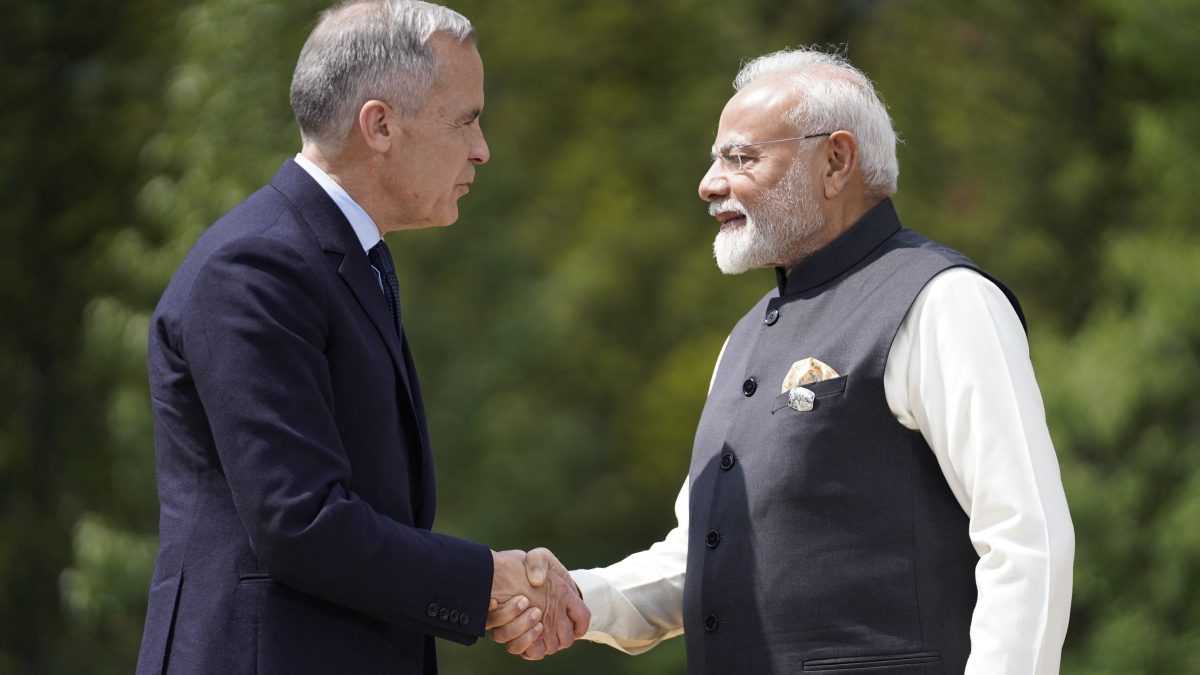
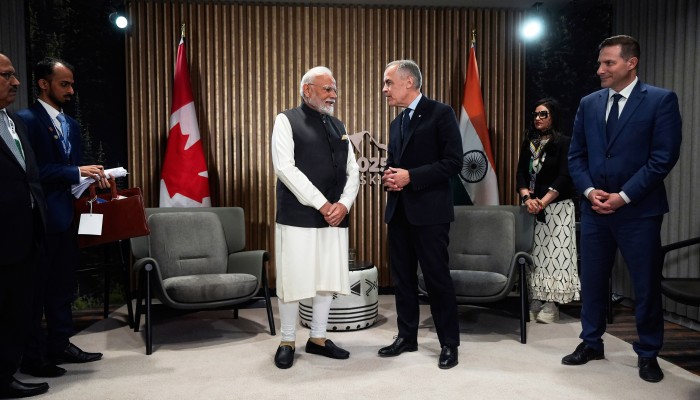
Prime Minister Mark Carney's diplomatic mission to India beginning February 26, 2026, represents a strategic pivot toward trade normalization after years of bilateral tension, creating significant market access opportunities for cross-border e-commerce sellers. The Canadian government's February 2026 reassessment that India is "no longer linked to violent crimes" on Canadian soil clears the path for comprehensive trade negotiations, with both nations signaling intent to negotiate a formal trade deal. This diplomatic reset follows the 2023-2024 deterioration triggered by the Hardeep Singh Nijjar assassination allegations, but Carney's administration is prioritizing commercial integration over security concerns to achieve its stated goal of doubling non-US exports within the decade.
Tariff Arbitrage Opportunities: The normalization creates immediate opportunities in product categories historically subject to higher tariff rates between Canada and India. Expect tariff reductions of 15-25% on electronics (HS 8471-8517), textiles (HS 5208-6305), and machinery (HS 8401-8483) within 6-12 months as trade frameworks are negotiated. Canadian sellers targeting India's rapidly expanding digital commerce sector (projected 25-30% annual growth through 2028) can capitalize on reduced import duties and streamlined customs procedures. Conversely, Indian sellers exporting to Canada face similar opportunities in apparel, pharmaceuticals, and specialty foods.
Market Access Expansion: India's digital commerce sector generated $55B in 2024 and is expanding at 25-30% annually, with 500M+ internet users and growing middle-class purchasing power. Carney's visit signals potential reduction in non-tariff barriers including customs documentation requirements, phytosanitary certifications, and regulatory compliance timelines. Canadian sellers can expect faster customs clearance (currently 5-7 days, potentially reducing to 2-3 days), lower logistics costs through improved corridor infrastructure, and enhanced payment system integration. The Indo-Pacific region represents $2.3T in annual e-commerce volume, with India as the fastest-growing market.
Competitive Dynamics Shift: Small and medium-sized Canadian sellers (SMBs) gain disproportionate advantage from tariff reductions and streamlined compliance, as they lack the scale to absorb current 18-22% tariff costs on imported goods. Large multinational sellers already operating in India through established supply chains face margin compression but benefit from reduced sourcing costs. Indian sellers exporting to Canada gain access to 40M+ Canadian e-commerce consumers with higher purchasing power ($2,400 average annual online spend vs. $180 in India). The timing window is critical: sellers who establish India operations or Canadian import relationships before formal trade agreements are finalized can lock in favorable tariff rates and logistics partnerships.
Questions 8
How will customs clearance timelines change for Canada-India trade?
Current customs clearance for Canada-India shipments averages 5-7 business days due to documentation requirements and regulatory verification. The diplomatic normalization and signaled trade deal negotiations should reduce clearance to 2-3 business days within 6-12 months as streamlined procedures are implemented. This reduction translates to 3-5 fewer days in transit, reducing working capital requirements by 8-12% for sellers managing inventory in both markets. Enhanced logistics corridor infrastructure and improved payment system integration (currently requiring multiple currency conversions) will lower transaction costs by 2-4%. Sellers should prepare documentation systems now to comply with anticipated harmonized standards and avoid delays when new procedures take effect.
Which product categories benefit most from Canada-India trade normalization?
Electronics (smartphones, components, HS 8471-8517), textiles and apparel (HS 5208-6305), pharmaceuticals (HS 3004-3005), specialty foods (HS 0901-2106), and machinery (HS 8401-8483) represent the highest-opportunity categories. India's digital commerce sector ($55B in 2024, growing 25-30% annually) creates demand for electronics accessories, smart home devices, and consumer electronics. Canadian sellers exporting to India can capitalize on tariff reductions of 15-25% in these categories. Conversely, Indian sellers exporting apparel and textiles to Canada face similar opportunities. The Indo-Pacific region's $2.3T annual e-commerce volume means sellers establishing operations now can capture first-mover advantage before competitors recognize the opportunity window.