



Instagram Teen Safety Alerts 2026 | Seller Targeting & Content Policy Shifts
- Meta launches parental notification system in 4 major markets (US, UK, Australia, Canada) February 2026; reshapes teen audience targeting, content moderation policies, and mental wellness product opportunities for cross-border sellers
































Overview
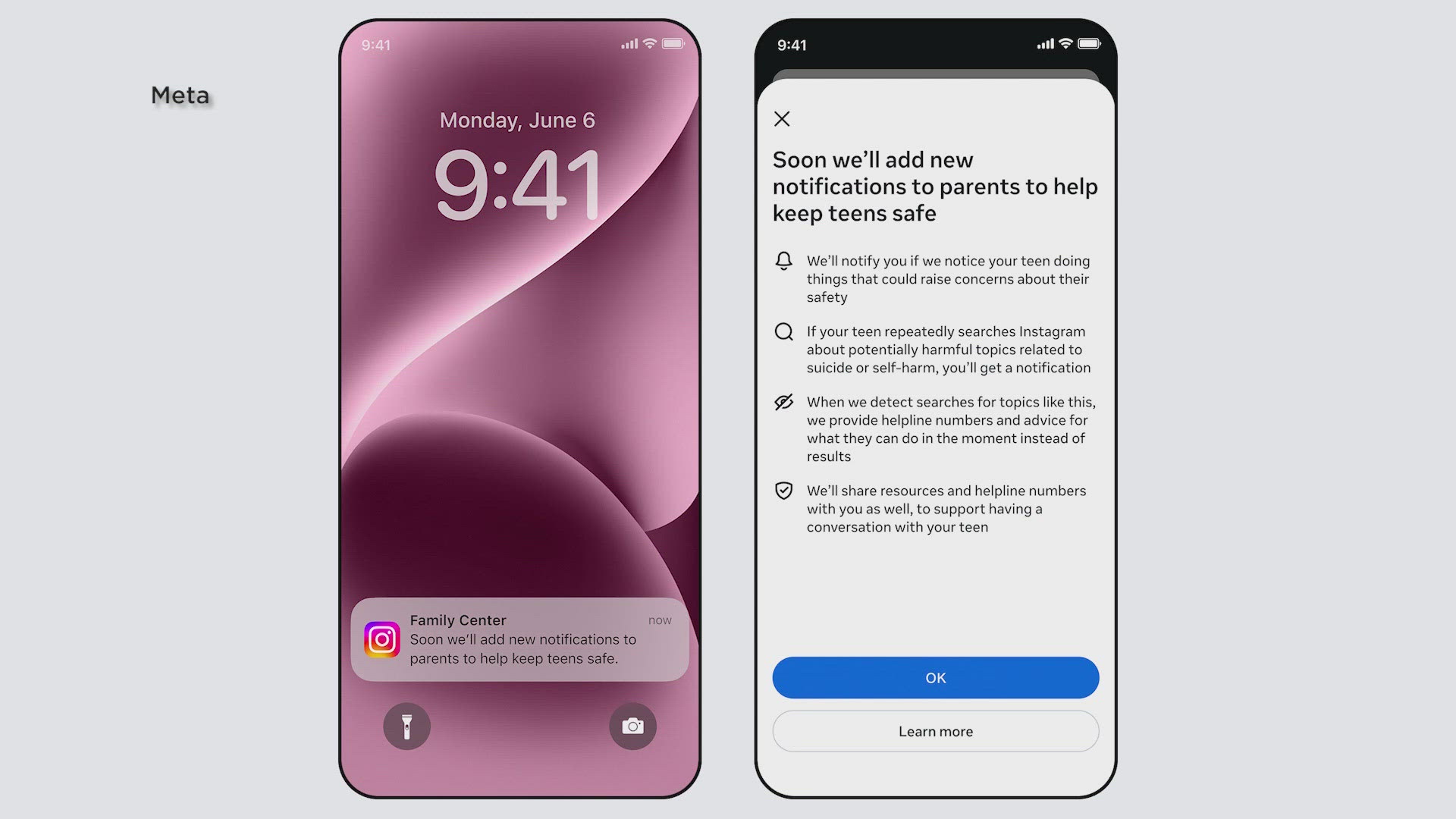
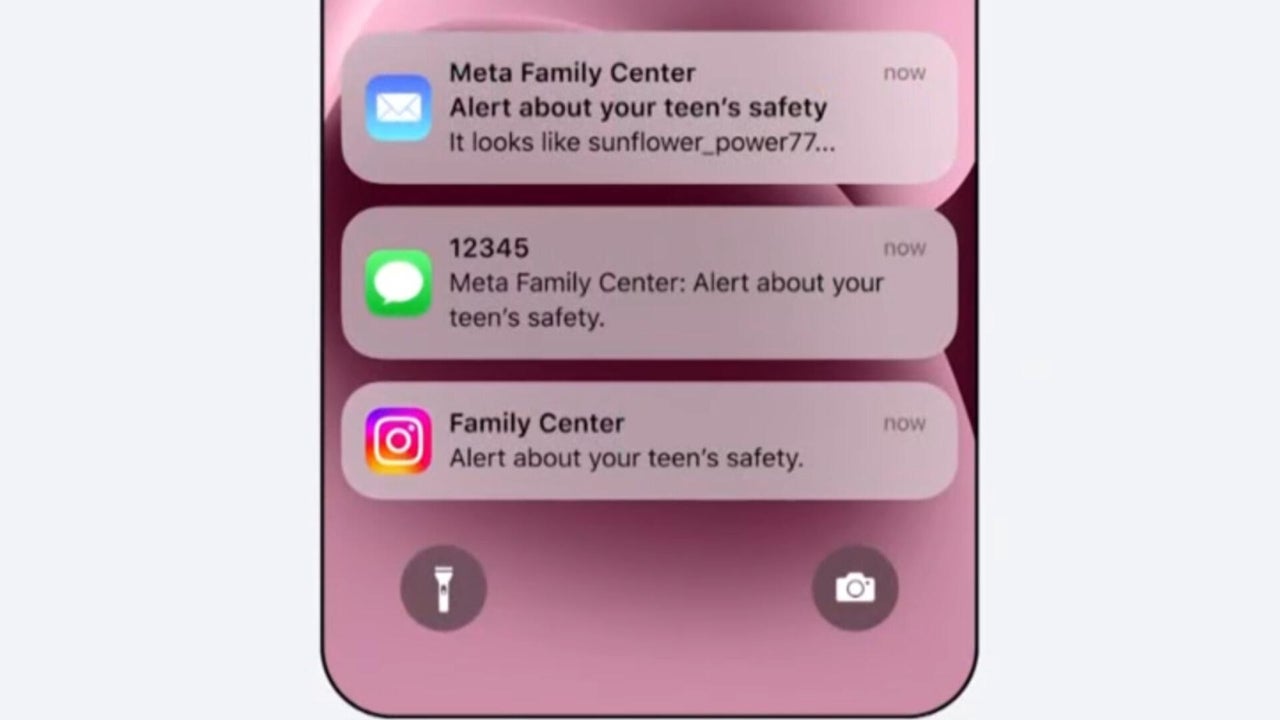
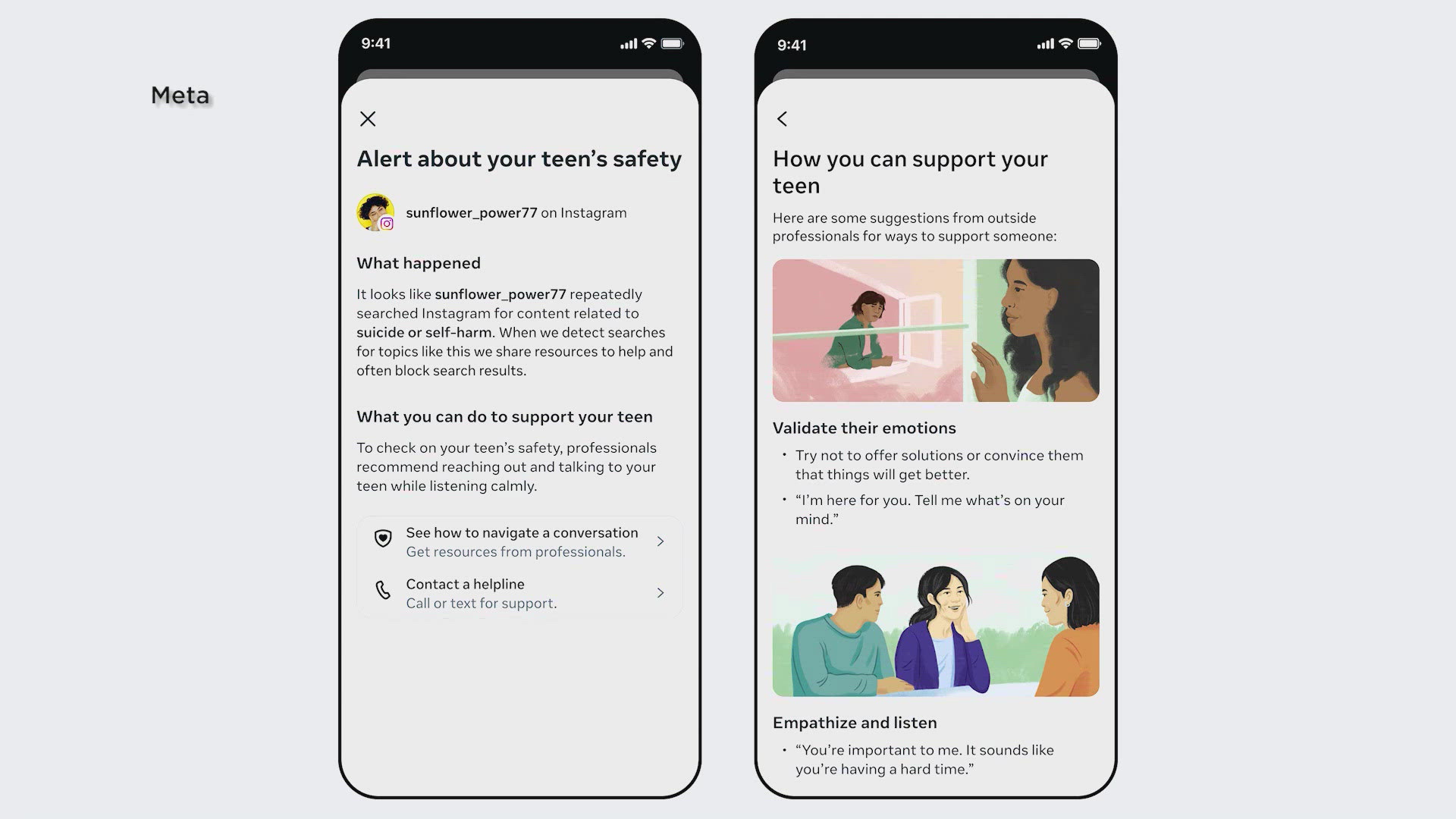
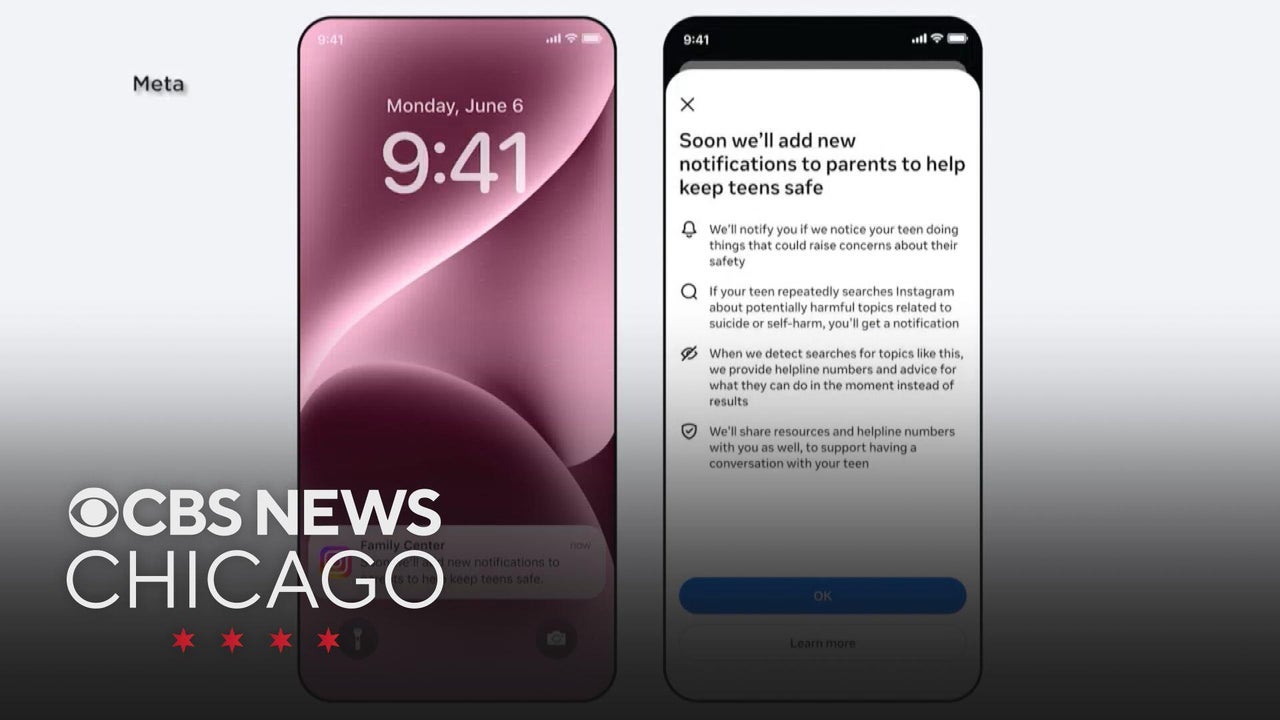
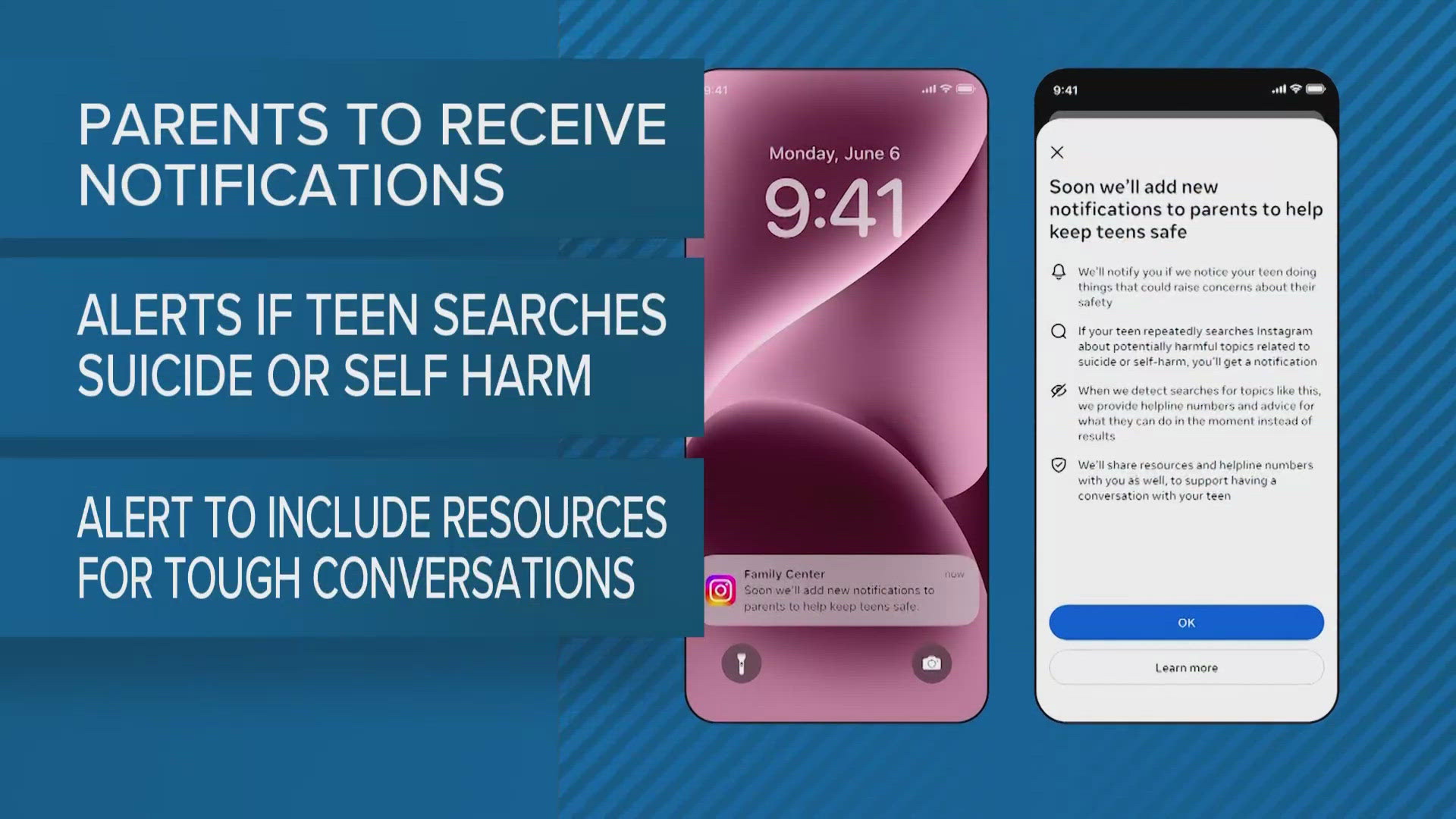
Meta's February 2026 Instagram parental alert system represents a fundamental shift in how platforms regulate teen content consumption and parental oversight, creating both compliance challenges and emerging product opportunities for cross-border e-commerce sellers. The feature will notify parents via email, SMS, WhatsApp, and in-app notifications when teens conduct multiple searches for suicide or self-harm content within short timeframes—marking Meta's first proactive parental notification system rather than passive content blocking. Rolling out across the US, UK, Australia, and Canada initially, with global expansion throughout 2026, this initiative signals Meta's intensifying regulatory compliance focus and will directly impact how sellers market products to younger demographics.
For sellers targeting teen audiences (13-17 age group), this development creates three critical operational shifts. First, advertising restrictions will tighten around mental health-adjacent product categories—including wellness apps, meditation tools, journaling products, and self-care merchandise. Sellers currently running Instagram/Facebook campaigns to teens in these categories should expect increased content moderation scrutiny and potential account restrictions if messaging appears to target vulnerable populations. Meta's consultation with its Suicide and Self-Harm Advisory Group to establish search thresholds indicates the company is implementing algorithmic detection across both search and advertising systems. Second, parental supervision tools will expand significantly through 2026, with Meta developing similar alerts for Meta AI conversations by mid-2026. This creates opportunities for sellers offering parental control software, family safety apps, and teen monitoring tools—a category projected to grow 25-30% annually as parents demand greater visibility into teen digital behavior. Third, content moderation policies will become more restrictive globally, signaling that Meta's regulatory compliance in major English-speaking markets will cascade to other regions, affecting sellers' ability to use certain messaging angles or audience targeting parameters.
The competitive landscape reveals important arbitrage opportunities for sellers willing to adapt quickly. While child safety charities like the Molly Rose Foundation criticized Meta for not preventing algorithmic promotion of harmful content (noting Instagram still recommends depression and self-harm material to vulnerable users), this criticism actually highlights a gap: sellers offering mental wellness products, crisis support resources, and therapeutic tools face reduced competition on Meta platforms due to increased moderation. Sellers in adjacent categories—anxiety relief products, stress management tools, positive psychology merchandise, and teen-focused wellness subscriptions—can capitalize on parent-driven demand without triggering the same algorithmic restrictions. Industry data shows the teen mental wellness market grew 42% in 2024, with parents spending $3.2B annually on mental health products for adolescents. The parental alert system will likely accelerate this spending as parents become more aware of teen mental health concerns and seek preventative solutions.
Questions 7
What product categories will see increased demand from parents due to the parental alert system?
The parental alert system will drive parent spending in three key categories: (1) parental control software and teen monitoring apps (projected 25-30% growth), (2) mental wellness products including meditation apps, journaling tools, and anxiety relief merchandise (42% market growth in 2024), and (3) family communication platforms and crisis support resources. Parents receiving alerts about teen mental health concerns will actively seek preventative solutions, creating a $3.2B annual spending opportunity. Sellers offering evidence-based wellness products, therapy-adjacent tools, and positive psychology merchandise can capitalize on this demand without triggering Meta's content moderation restrictions that apply to mental health crisis content.
How will Instagram's parental alert system affect my teen-focused product advertising in 2026?
Meta's February 2026 parental alert system will increase content moderation scrutiny on campaigns targeting 13-17 year-olds, particularly for mental health, wellness, and self-care products. The platform will implement stricter keyword filtering and audience targeting restrictions to prevent ads from reaching teens searching for sensitive content. Sellers should expect 15-25% higher ad rejection rates for teen-targeted campaigns and may need to shift messaging toward parent-focused benefits (e.g., 'Help your teen manage stress') rather than direct teen appeals. Review your Instagram Business account policies immediately and audit existing campaigns for compliance with updated child safety guidelines launching in February 2026.