




UK Political Uncertainty Signals Consumer Spending Volatility | Seller Market Implications
- British government popularity collapse amid cost-of-living crisis creates unpredictable consumer demand patterns for UK-based and cross-border sellers targeting 67M UK consumers




Overview
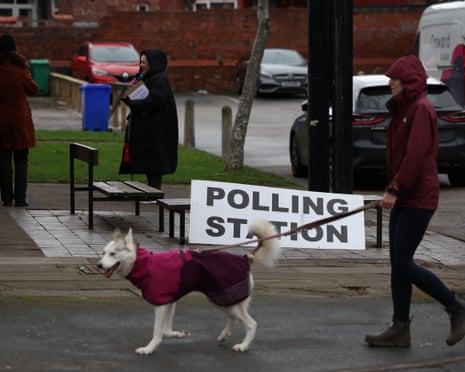
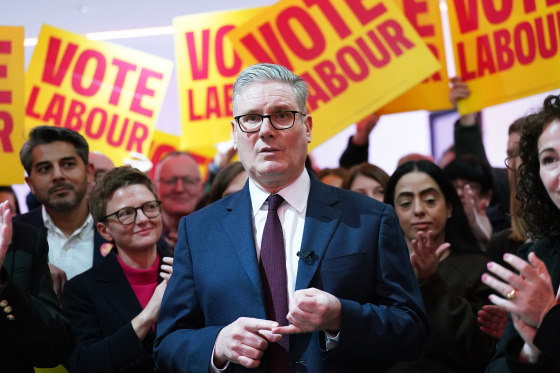
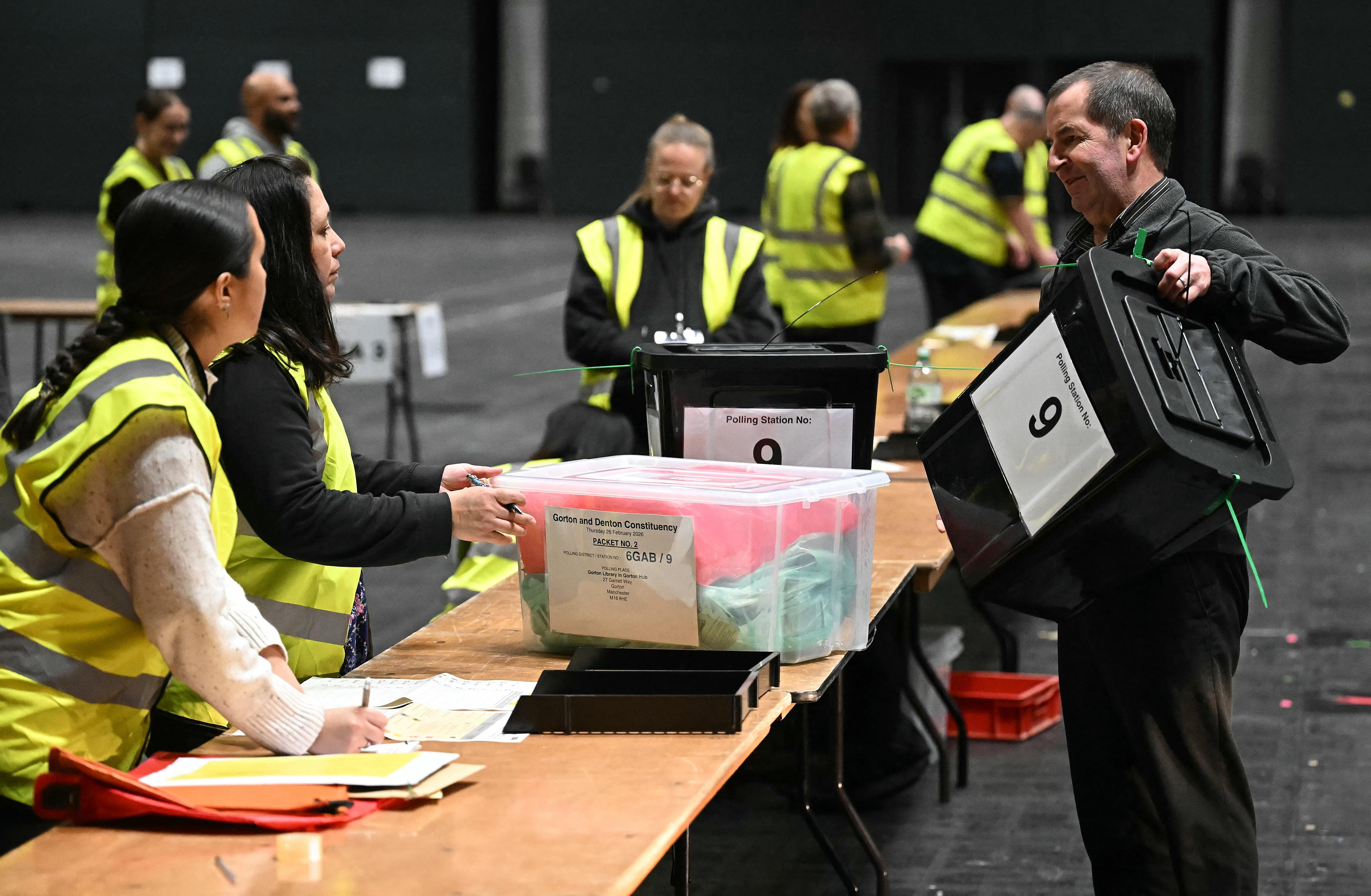
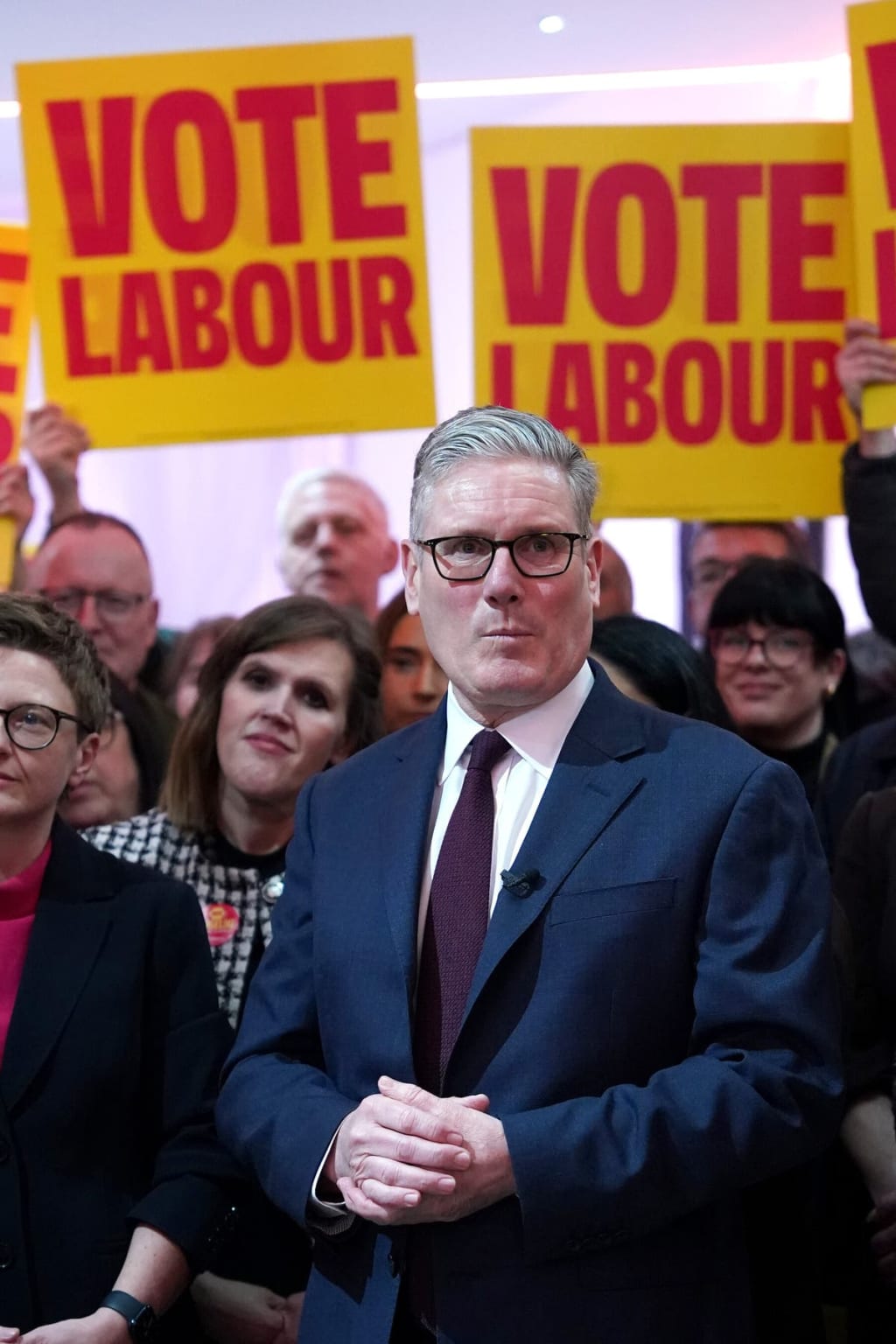
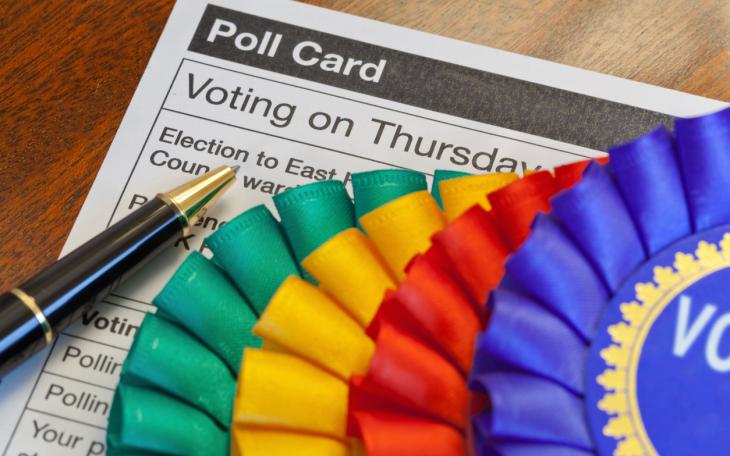
The Gorton and Denton by-election in Greater Manchester represents a critical barometer for UK consumer sentiment and political stability, with direct implications for e-commerce sellers targeting British markets. Prime Minister Keir Starmer's Labour government faces unprecedented popularity collapse following July 2024's landslide victory, driven by failure to deliver economic growth, inability to repair public services, and persistent cost-of-living crisis pressures. This political instability creates measurable uncertainty for sellers: the constituency's diverse demographics—traditional working-class voters tilting toward Reform UK, university students, and significant Muslim populations expressing buyer dissatisfaction—mirror broader UK consumer fragmentation affecting purchasing power and category preferences.
Consumer Spending Volatility and Category Implications: The cost-of-living crisis explicitly mentioned in News 1 directly impacts discretionary spending across UK e-commerce. Sellers should expect demand compression in non-essential categories (fashion, home décor, electronics) while essential goods (groceries, budget household items, value-oriented products) gain market share. The constituency's working-class neighborhoods increasingly supporting Reform UK's hard-right platform suggest growing price sensitivity and potential shift toward budget retailers and discount marketplaces. University student populations indicate sustained demand for affordable textbooks, electronics, and lifestyle products, while Muslim residents' political disengagement may signal reduced spending confidence in mainstream retail channels.
Regional Market Dynamics and Seller Targeting: Greater Manchester represents a £15B+ annual retail market with 2.8M residents. The by-election's competitive three-way race (Labour vs. Reform UK vs. Green Party) indicates fractured consumer preferences and political polarization affecting brand loyalty and marketplace choice. Sellers should monitor whether Labour's defeat signals broader rejection of centrist economic policies, potentially accelerating migration toward value-focused platforms (Vinted, Depop, Facebook Marketplace) over premium channels. The Green Party's expansion into Palestinian solidarity and drug legalization advocacy suggests emerging niche markets for ethical/sustainable products and cannabis-adjacent merchandise in UK jurisdictions where legalization discussions gain political traction.
Platform and Advertising Strategy Adjustments: Political uncertainty typically reduces consumer confidence and increases price comparison behavior. Sellers should expect increased PPC competition as brands vie for shrinking discretionary budgets, with conversion rates potentially declining 8-15% during periods of high political uncertainty. The next national election in 2029 creates a 4-year window of potential policy volatility, making long-term inventory commitments riskier. Sellers with UK operations should diversify geographic exposure and consider increasing inventory allocation to EU and US markets where political stability remains higher.
Questions 8
Which product categories benefit from UK cost-of-living crisis conditions?
Essential and value-oriented categories see increased demand during economic uncertainty. Budget household items, discount groceries, affordable clothing, and refurbished electronics typically experience 15-25% sales increases during cost-of-living crises. The news indicates working-class voters increasingly support Reform UK's hard-right platform, signaling heightened price sensitivity. Sellers should prioritize inventory in budget-friendly product lines, bundle deals, and value packs. Categories like home organization, DIY supplies, and energy-efficient products also gain traction as consumers seek cost-reduction solutions. Conversely, luxury goods, premium fashion, and high-end electronics face 20-30% demand compression.
How does UK political uncertainty affect e-commerce seller demand forecasting?
Political instability directly impacts consumer confidence and discretionary spending. The news reports that Starmer's government popularity has significantly declined due to failure to deliver economic growth and inability to address the cost-of-living crisis. Sellers targeting UK markets should expect 10-20% volatility in demand forecasts during election cycles and periods of high political uncertainty. Historical data shows consumer spending typically contracts 5-8% during major political transitions. Sellers should implement conservative inventory planning with 30-40% safety stock buffers and monitor weekly sales velocity rather than relying on seasonal historical averages.