



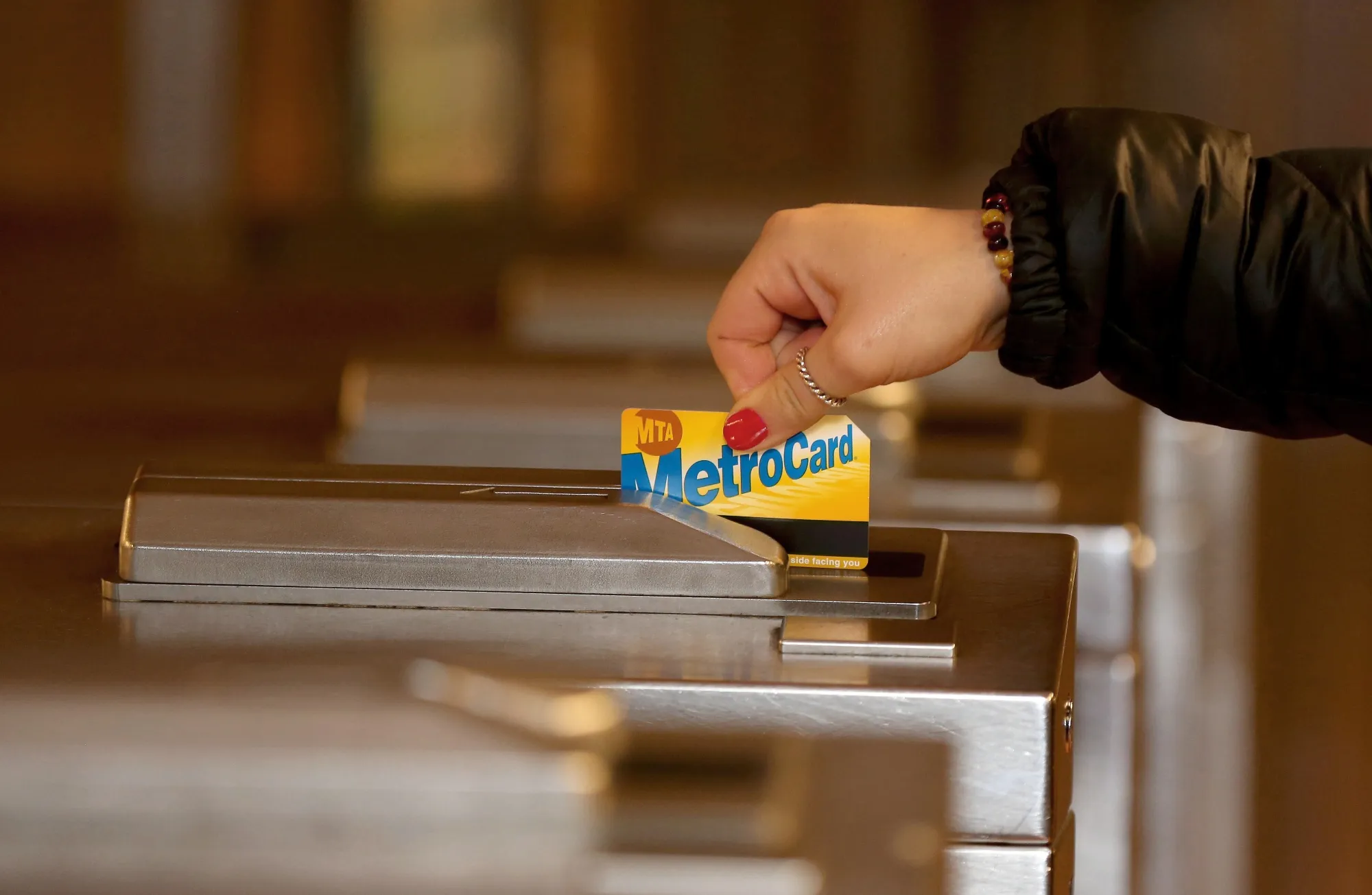


Digital Transit Transformation Accelerates as Physical Payment Methods Fade
- Contactless Payment Revolution Reshapes Urban Transportation Infrastructure





Overview
Digital payment technologies are fundamentally reimagining urban transportation infrastructure, with the New York Metropolitan Transportation Authority's (MTA) retirement of the MetroCard serving as a pivotal moment in contactless payment evolution. This transition represents more than a simple technological upgrade—it signals a profound shift in how cities conceptualize mobility, payment systems, and user experience.
Contactless Payment Ecosystem Transformation: The OMNY system's full rollout marks a critical inflection point in transit payment methodology. By enabling riders to use credit cards, mobile phones, and digital wallets, the MTA has effectively dismantled decades of physical payment infrastructure. This move reflects a broader digital transformation trend where convenience and technological integration trump legacy systems. The transition from coin tokens (1950s) to magnetic strips (1994) to contactless technology (2024) demonstrates an accelerating pace of technological adaptation.
Retail and Technology Ecosystem Implications: For transportation-related businesses and technology developers, this transition creates significant opportunities in integrated payment solutions. The shift suggests that future urban mobility will prioritize seamless, frictionless payment experiences. Local businesses previously dependent on MetroCard sales must now reimagine their revenue streams, highlighting how technological disruption cascades through entire economic ecosystems.
Strategic Infrastructure Evolution: The MTA's approach represents a blueprint for other metropolitan transit systems worldwide. By gradually implementing the OMNY system and ensuring widespread compatibility, they've created a model of technological transition that minimizes user friction. This strategy underscores a critical insight: successful digital transformation requires thoughtful, phased implementation that prioritizes user experience and systemic adaptability.
The broader implications extend far beyond New York City. This transition signals a global trend toward digital-first infrastructure, where physical touchpoints are increasingly replaced by smart, interconnected technological solutions that prioritize speed, convenience, and data-driven efficiency.
Questions 3
What are the potential economic impacts of this payment system transition?
The transition creates new opportunities for technology developers in integrated payment solutions while challenging existing business models. Local businesses that previously sold MetroCards must adapt, and transportation technology firms can develop more sophisticated payment integration platforms.
Why are cities moving toward contactless payment systems?
Contactless systems offer increased convenience, faster transaction speeds, reduced physical infrastructure maintenance, and better data collection capabilities. They represent a more efficient, scalable approach to urban mobility management that aligns with broader digital transformation strategies.