
Global Oil Market's Tipping Point: Surplus Dynamics and Geopolitical Pressure Reshape Energy Economics
- Emerging market shifts create unprecedented challenges for energy traders and cross-border businesses
















Overview
The global oil market is experiencing a profound structural transformation, characterized by a complex interplay of supply surplus, geopolitical tensions, and strategic realignments. With the International Energy Agency forecasting a significant 3.8 million barrels per day surplus in 2026, the traditional energy landscape is undergoing a critical recalibration that extends far beyond simple price fluctuations.
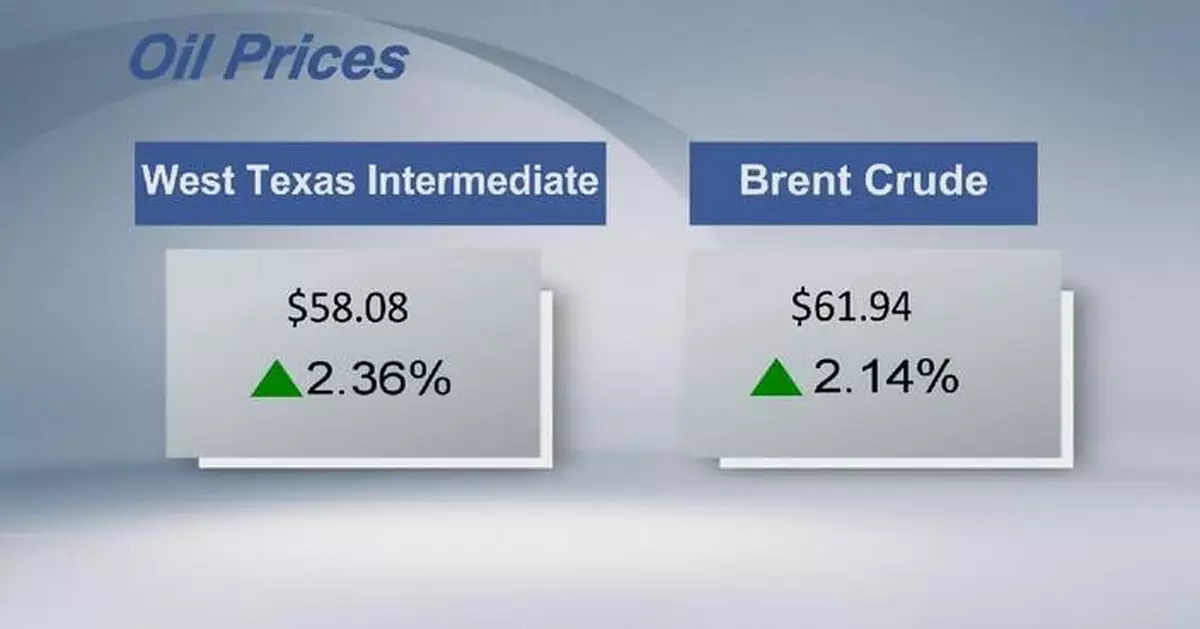
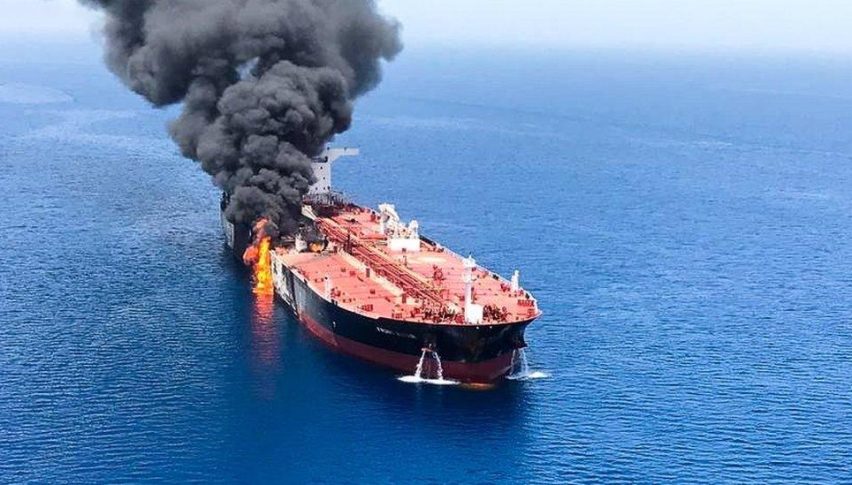
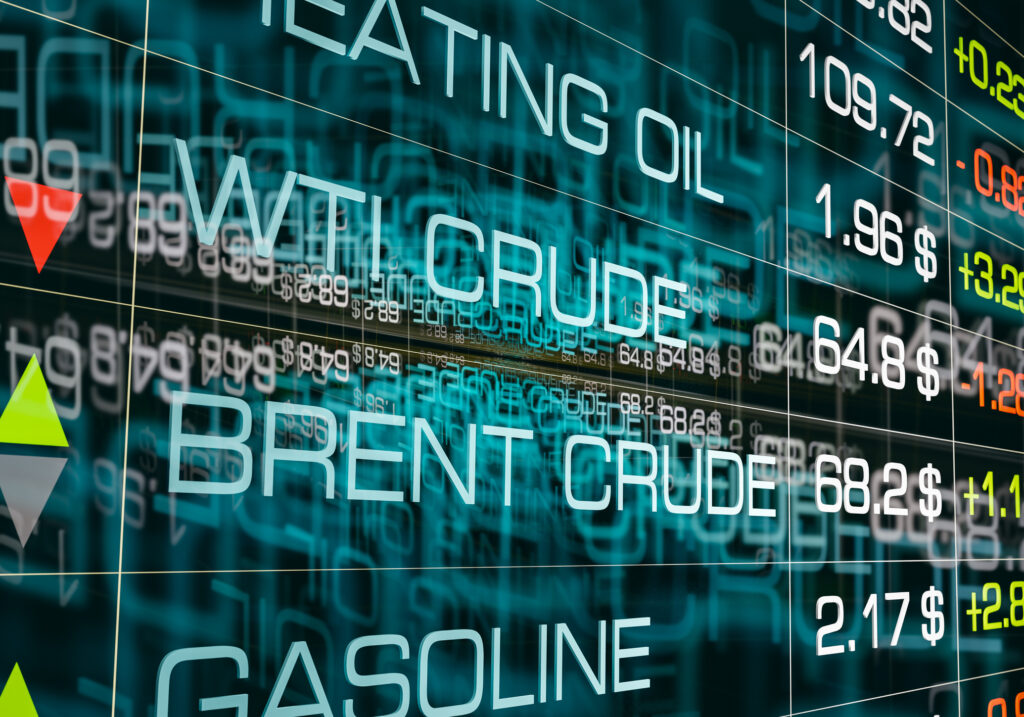
Geopolitical complexities are driving unprecedented market volatility, with key oil-producing nations like Saudi Arabia, Russia, UAE, and Venezuela generating market-moving headlines. The West Texas Intermediate (WTI) crude's nearly 20% annual decline signals more than just a temporary downturn—it represents a fundamental shift in global energy dynamics. Traders and cross-border businesses are facing a new reality where energy procurement strategies must become increasingly adaptive and risk-aware.
The market's current state reveals three critical strategic dimensions. First, the persistent supply surplus is creating downward price pressure, offering potential cost advantages for energy-dependent industries while simultaneously challenging oil-producing economies. Second, geopolitical tensions—including ongoing conflicts and regional disruptions—are introducing unprecedented uncertainty into traditional market forecasting models. Third, the emerging landscape suggests a accelerating transition where logistics flexibility and risk management become as crucial as the commodity itself.
For international traders and logistics professionals, this environment demands a radical reimagining of energy strategy. The traditional models of long-term contracts and predictable supply chains are being replaced by a more dynamic, scenario-driven approach. Companies must develop robust contingency plans that can rapidly adapt to geopolitical shifts, supply disruptions, and the ongoing renewable energy transition.
The most successful players in this new ecosystem will be those who can transform market uncertainty into strategic opportunity—viewing volatility not as a threat, but as a complex system of potential competitive advantages.
Questions 3
How will the projected 3.8 million barrels per day surplus impact global energy markets?
The significant supply surplus will likely drive downward price pressure, create cost advantages for energy-dependent industries, and force oil-producing economies to reassess their economic strategies. Companies will need to develop more flexible procurement approaches that can quickly adapt to these changing market conditions.
What strategic considerations should cross-border businesses have regarding oil market volatility?
Businesses should focus on developing robust risk management strategies, including diversifying energy sources, implementing flexible logistics models, and creating contingency plans that can rapidly respond to geopolitical and market shifts. The key is transforming market uncertainty into a competitive advantage.