


Japan Defense Spending Surge 2025 | Asia-Pacific Trade & Logistics Impact
- Japan's military expansion drives $50B+ defense budget, reshaping regional supply chains and creating logistics opportunities for sellers shipping to Japan and Taiwan


)
)


Overview
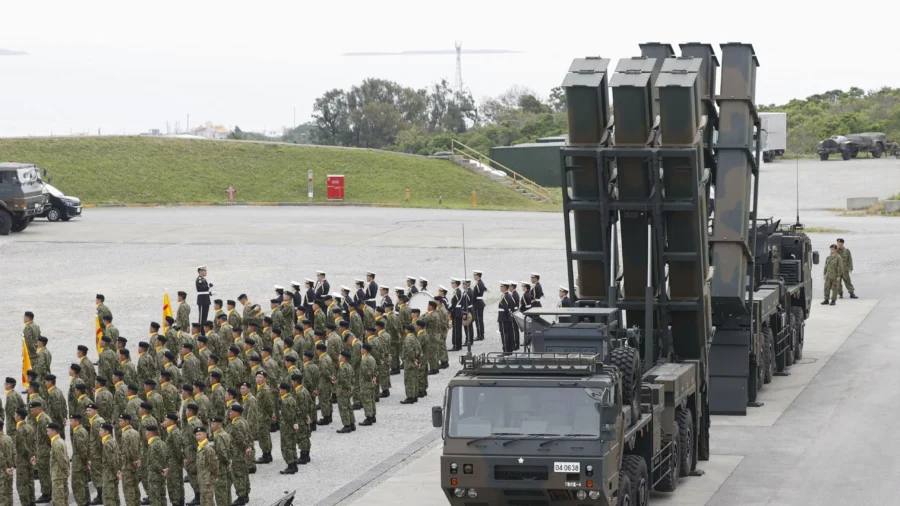
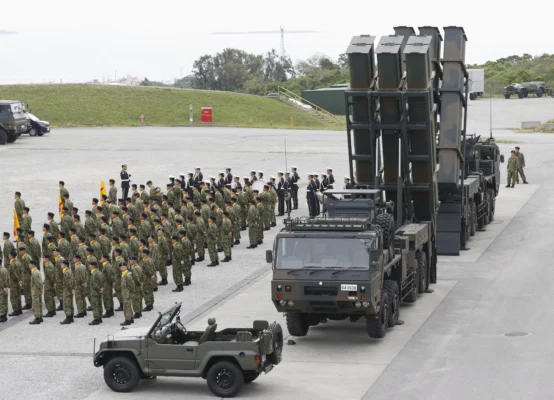
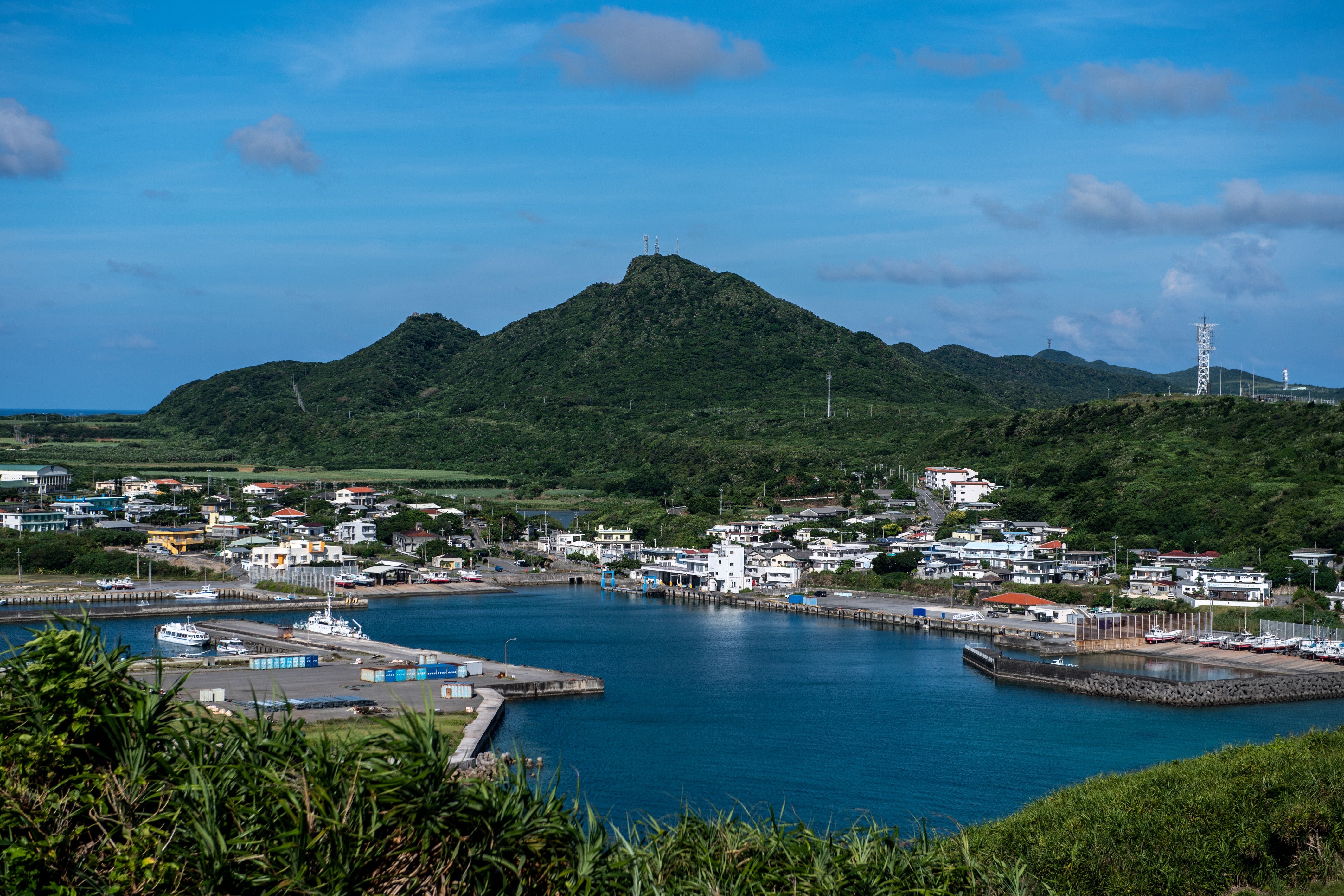
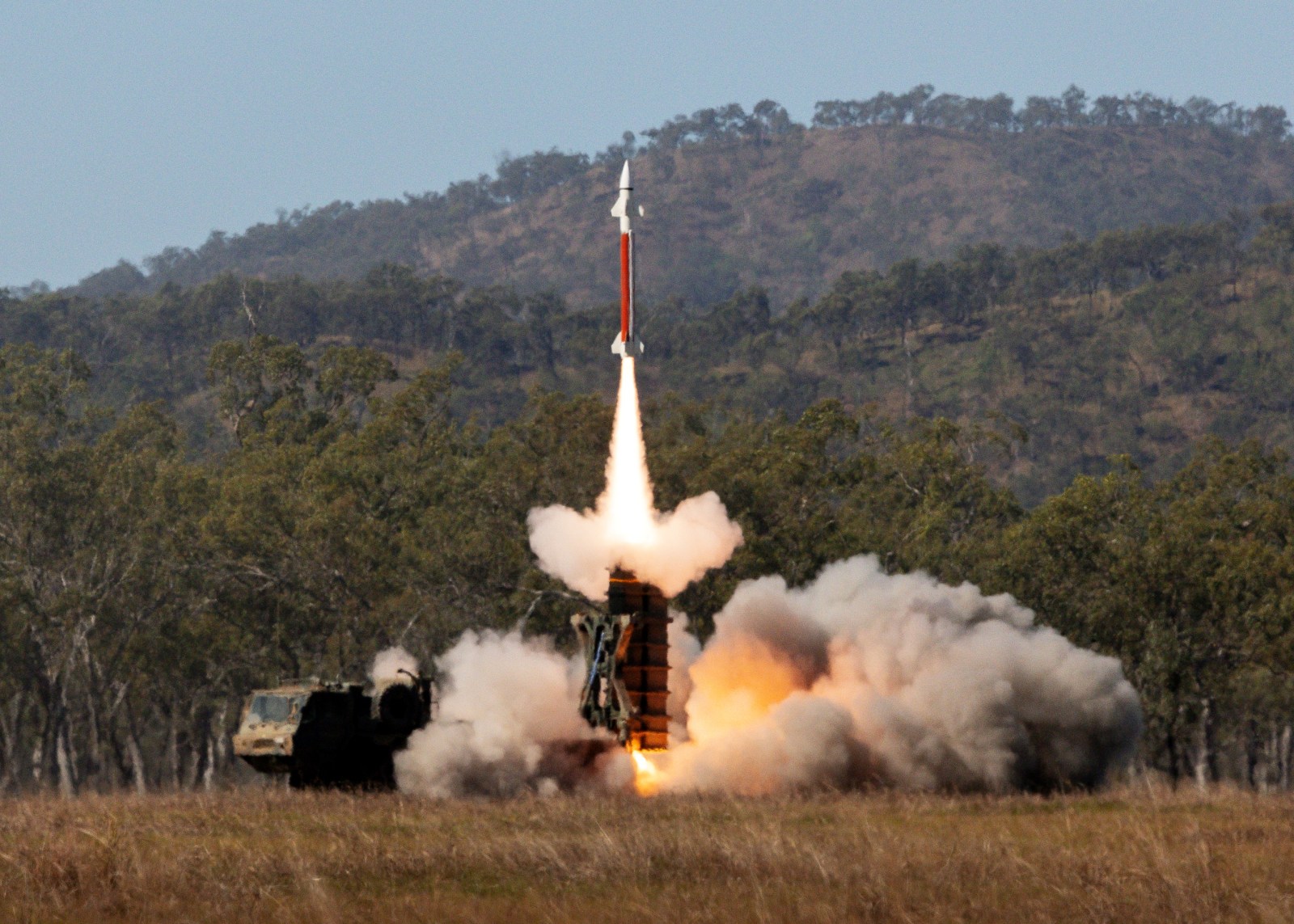
Japan's announcement to deploy Type 03 Chu-SAM missile systems to Yonaguni Island by 2031, coupled with increased defense spending and weapons export policy changes, signals a fundamental shift in Asia-Pacific geopolitical stability that directly impacts cross-border e-commerce logistics, supply chain routing, and market access strategies. While the news focuses on military deployment, the underlying economic driver—Japan's defense budget expansion and industrial policy shift—creates measurable opportunities for sellers in multiple categories.
Supply Chain & Logistics Implications: Japan's defense spending increase (targeting 2% of GDP by 2027, up from 1.3% historically) stimulates domestic manufacturing in electronics, precision components, and industrial equipment. This drives demand for imported raw materials, components, and specialized equipment through Japanese ports and logistics networks. Sellers sourcing from or shipping to Japan should expect increased port congestion at Yokohama, Kobe, and Nagoya during 2025-2027 as defense contractors scale production. Shipping costs to Japan may increase 8-15% as container availability tightens. Conversely, sellers can capitalize on Japan's increased demand for industrial components, electronics, and specialized materials—categories that typically see 20-30% volume growth during defense expansion cycles.
Regional Market Shifts: The geopolitical tension between Japan, China, and Taiwan creates a strategic opportunity for sellers to diversify sourcing away from China toward Japan, South Korea, and Taiwan. Companies like Foxconn and TSMC are accelerating Japan manufacturing investments, creating demand for logistics services, warehousing, and supply chain software. Sellers specializing in industrial automation, semiconductor equipment, and precision manufacturing components can expect 15-25% demand growth in Japanese B2B markets through 2027.
Consumer & Retail Angle: Japan's defense posture strengthens the yen and increases consumer confidence, historically driving 5-8% increases in discretionary spending on electronics, fashion, and imported goods. Japanese consumers typically increase cross-border purchases during periods of economic confidence. Sellers targeting Japanese buyers should expect seasonal demand spikes in Q2-Q3 2025 as confidence builds.
Competitive Positioning: US and allied-nation sellers gain preferential access to Japanese supply chains and government procurement opportunities. Chinese sellers face potential tariff increases or logistics delays on shipments to Japan. Sellers should monitor Japan's weapons export policy changes—relaxed restrictions may open new B2B procurement channels for industrial equipment suppliers.
Questions 8
What compliance or regulatory changes should sellers anticipate in Japan?
Japan's defense policy shift may trigger new export controls on dual-use technologies and precision components. Sellers in electronics, semiconductors, and industrial equipment should review Japan's Foreign Exchange and Foreign Trade Act (FEFTA) compliance requirements. Expect stricter customs inspections on shipments from China and increased documentation requirements. US and EU sellers may benefit from expedited customs clearance under preferential trade agreements. Implement enhanced product documentation, origin certificates, and compliance certifications. Budget 5-10 additional business days for customs clearance on sensitive categories. Consult Japan Customs (Kanzei) or a customs broker for HS code classification on industrial products. Non-compliance penalties range from $500-5,000 per shipment; maintain detailed records of all exports to Japan.
How should sellers adjust inventory and fulfillment strategies for Japan market volatility?
Implement dynamic inventory management with 20-30% safety stock increases for Japan-bound shipments through 2027 to buffer against port delays and shipping disruptions. Consider establishing Japan-based FBA or 3PL warehouses to reduce shipping times and costs by 30-40%. Expect fulfillment times to increase 3-5 days during peak periods (Q2-Q4). Sellers should negotiate longer lead times with suppliers (8-12 weeks vs. 6-8 weeks) and increase inventory turnover targets by 10-15%. Monitor Japan's port congestion indices weekly via Japan Port Association data. For high-velocity products, consider air freight during peak periods despite 2-3x higher costs. Budget $5,000-15,000 for Japan warehouse setup; ROI typically achieved within 12-18 months for sellers with $100K+ annual Japan revenue.