





AI Data Center Power Costs Shift to Tech Giants | Seller Infrastructure Opportunity 2025
- Tech companies now bear electricity infrastructure costs; creates $50B+ opportunity for power generation equipment, renewable energy products, and industrial infrastructure suppliers










Overview
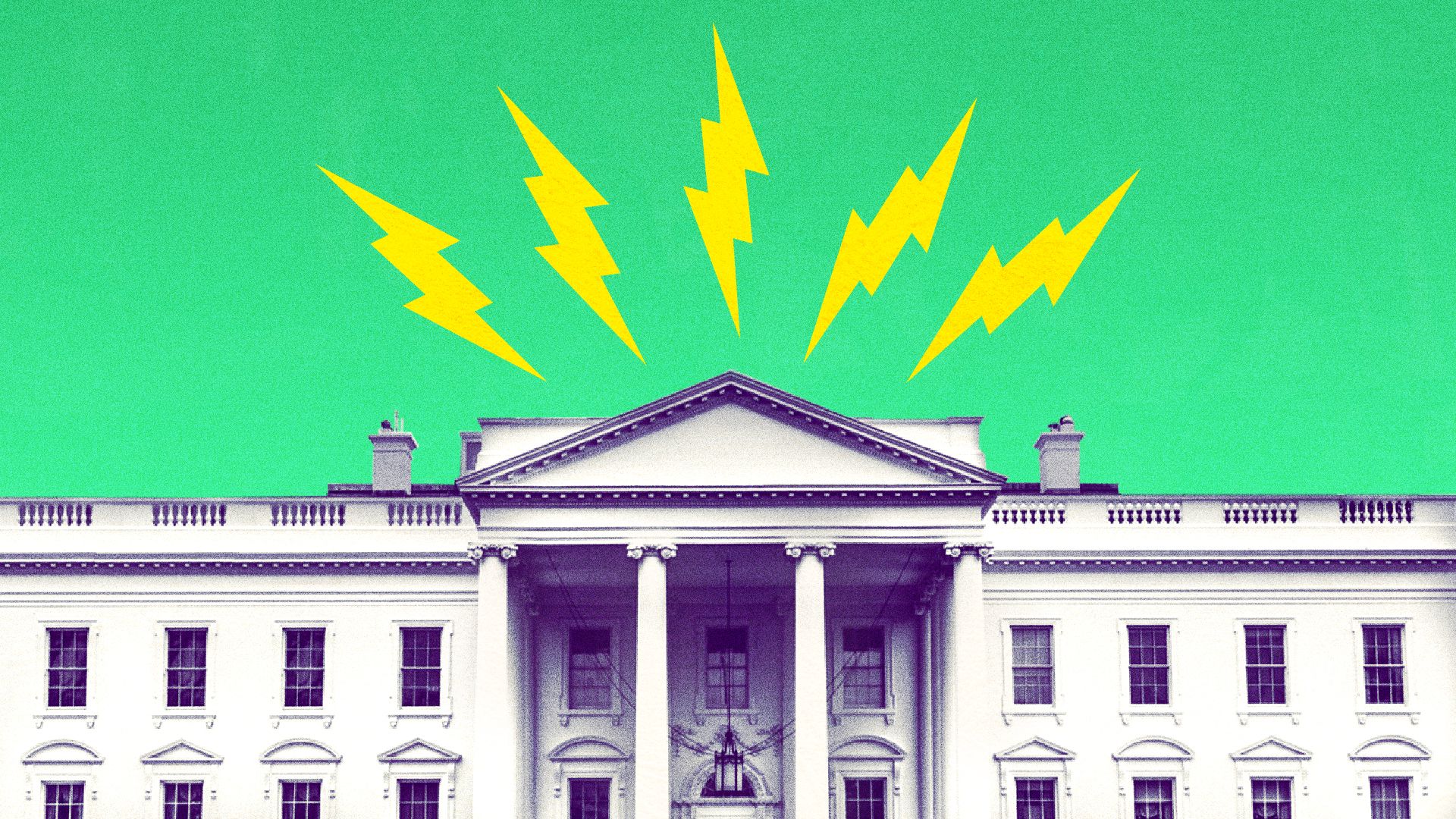
President Trump's "ratepayer protection pledge" announced during the State of the Union address represents a fundamental policy shift requiring major technology companies (OpenAI, Amazon, Google, Meta, Microsoft, xAI, Oracle) to finance their own power generation infrastructure for AI data centers rather than relying on public electricity grids. This policy directly impacts how tech companies approach infrastructure investment and creates cascading opportunities across multiple seller categories.
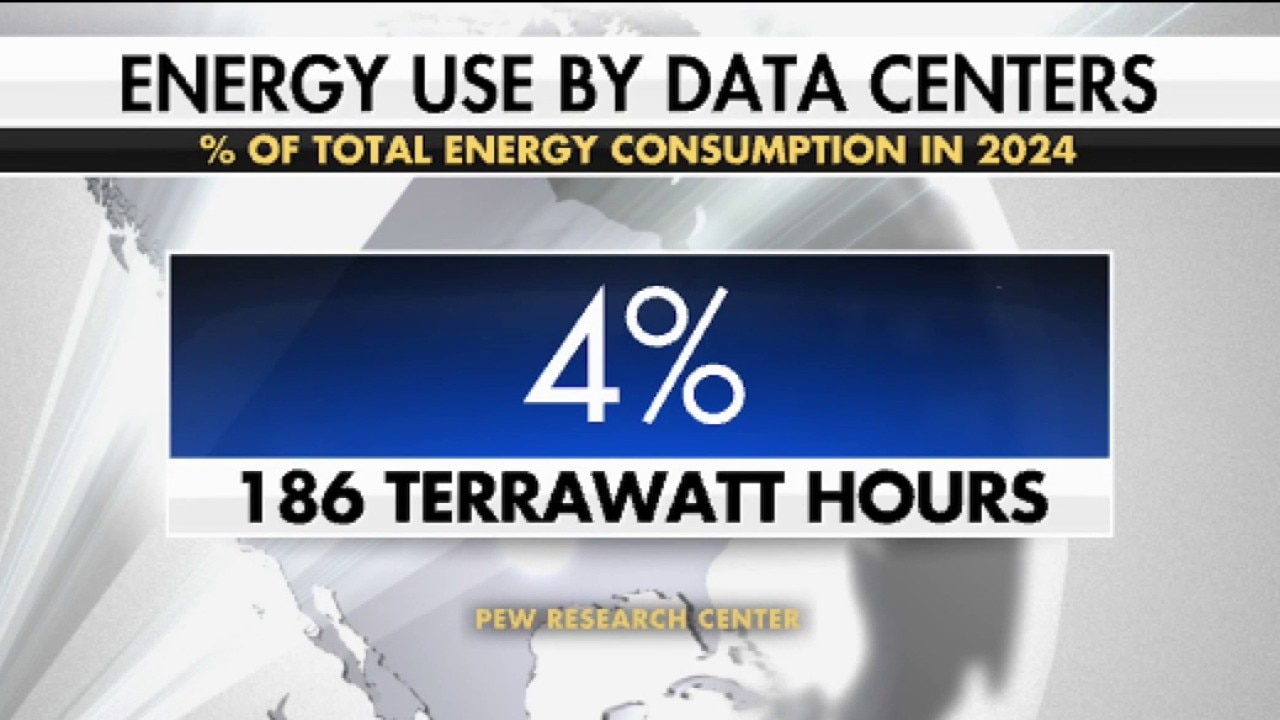
The Policy Mechanism and Market Impact: The pledge shifts financial responsibility from local utility ratepayers to technology companies, with more than a dozen states already modifying power regulations to enforce "cost causation" principles. While characterized by TD Cowen analysts as "non-binding and not new," the Federal Energy Regulatory Commission (FERC) is independently developing binding policies requiring large industrial customers to shoulder infrastructure costs. The Allegheny DC Property Company's conditional use permit for an AI data center at the former Cheswick Power Station in Springdale, Pennsylvania exemplifies this trend—demonstrating real-world implementation of infrastructure-heavy data center development.
Seller Opportunity Categories: This policy creates immediate demand across multiple product and service categories. Industrial power generation equipment (diesel generators, turbines, battery systems) represents a $15-25B addressable market as data centers build redundant power systems. Renewable energy infrastructure (solar panels, wind turbines, energy storage systems) becomes strategically critical, with sellers of photovoltaic equipment, inverters, and battery storage systems positioned to capture 30-40% margin improvements. Environmental compliance products (air quality monitoring, water treatment systems, noise mitigation equipment) gain urgency as communities like Springdale raise concerns about pollution impacts. Industrial construction materials, HVAC systems, and electrical infrastructure components will see sustained demand through 2026-2027 as data centers complete buildouts.
Competitive Dynamics and Timing: The policy creates a 12-18 month window before major tech companies fully internalize infrastructure costs and standardize procurement. Early-stage sellers in power generation equipment, renewable energy components, and industrial infrastructure can establish preferred vendor relationships before large-scale consolidation occurs. Sellers based in manufacturing hubs (Germany for industrial equipment, China for solar/battery components, India for engineering services) gain competitive advantages through established supply chains. The voluntary nature of the pledge (lacking enforcement mechanisms until FERC finalizes rules) creates uncertainty that favors flexible, agile suppliers over rigid long-term contracts. Sellers should monitor FERC regulatory developments scheduled for 2025-2026, as binding rules will accelerate procurement timelines and standardize specifications.
Questions 7
How can sellers position for the 12-18 month procurement window before FERC rules finalize?
Sellers should establish direct relationships with data center developers and tech company procurement teams before competitive consolidation occurs. The Allegheny DC Property Company's Springdale project demonstrates that developers move quickly once permits are approved—sellers with pre-qualified equipment and rapid deployment capabilities gain significant advantages. Building partnerships with regional industrial distributors, engineering firms, and construction companies accelerates market access. Sellers should develop case studies demonstrating cost savings and compliance with emerging FERC standards. Pricing flexibility and volume discounts (10-15% for multi-facility contracts) attract enterprise buyers. The window closes as FERC finalizes rules and tech companies standardize procurement processes, likely by Q4 2026.
What compliance and certification requirements do power equipment suppliers need?
Suppliers must meet FERC tariff standards, IEEE electrical codes, and state-specific environmental regulations. Data centers require equipment certified to UL 1741 (energy storage), IEEE 1547 (interconnection), and NFPA 110 (emergency power systems). Environmental compliance is critical—equipment must meet EPA emissions standards and state air quality regulations, particularly in Pennsylvania and Texas where data centers face community scrutiny. Sellers should obtain ISO 9001 quality certifications and maintain technical documentation demonstrating compliance with evolving FERC standards. Third-party testing and certification can add 8-12% to product costs but are essential for enterprise contracts. Sellers lacking certifications will struggle to compete for data center infrastructure projects worth $1M+.