





AI Disruption & Market Volatility Reshape E-Commerce Seller Economics | 2025 Adaptation Guide
- Tech sector restructuring (Block's 40% workforce reduction), Nvidia guidance miss, and $43B media consolidation signal AI-driven cost pressures and advertising inflation for sellers; economic uncertainty threatens consumer spending and payment processing stability






















Overview
The convergence of AI disruption fears, semiconductor market saturation, and macroeconomic instability is fundamentally reshaping the operating environment for cross-border e-commerce sellers in Q1-Q2 2025. Block's 40% workforce reduction citing AI tool implementation signals that payment processors and fintech platforms are aggressively automating operations, which directly impacts seller access to capital, payment processing fees, and cash flow management tools. Simultaneously, Nvidia's Q4 earnings beat coupled with guidance miss (revenue growth of 73% to $68.1B yet stock declined 5.5% to $184.89) reveals investor concerns about AI infrastructure demand saturation. This creates a critical inflection point: while AI tools are becoming cheaper and more accessible for sellers to adopt (automation, pricing optimization, customer service), the broader market is pricing in slower growth and potential consolidation among tech service providers.
For sellers, this manifests in three immediate operational pressures: First, payment processing and fintech volatility directly threatens cash flow. Block's restructuring suggests Square/Cash App may reduce seller support services, increase processing fees, or consolidate product offerings. Sellers relying on Square for point-of-sale or payment processing should audit alternative providers (Stripe, PayPal, Shopify Payments) immediately. Second, advertising cost inflation from media consolidation ($43B Paramount-Skydance acquisition of Warner Bros. Discovery) will increase digital marketing expenses. Streaming platform consolidation historically raises CPM rates by 15-25% and reduces promotional inventory availability. Sellers should expect 8-12% increases in Amazon Advertising, Facebook/Instagram CPCs, and streaming platform sponsorship costs by Q2 2025. Third, semiconductor supply chain normalization from Nvidia's guidance miss indicates potential slowdown in AI infrastructure buildout, which could reduce demand for logistics automation tools, warehouse robotics, and data center equipment—categories where sellers have been investing heavily.
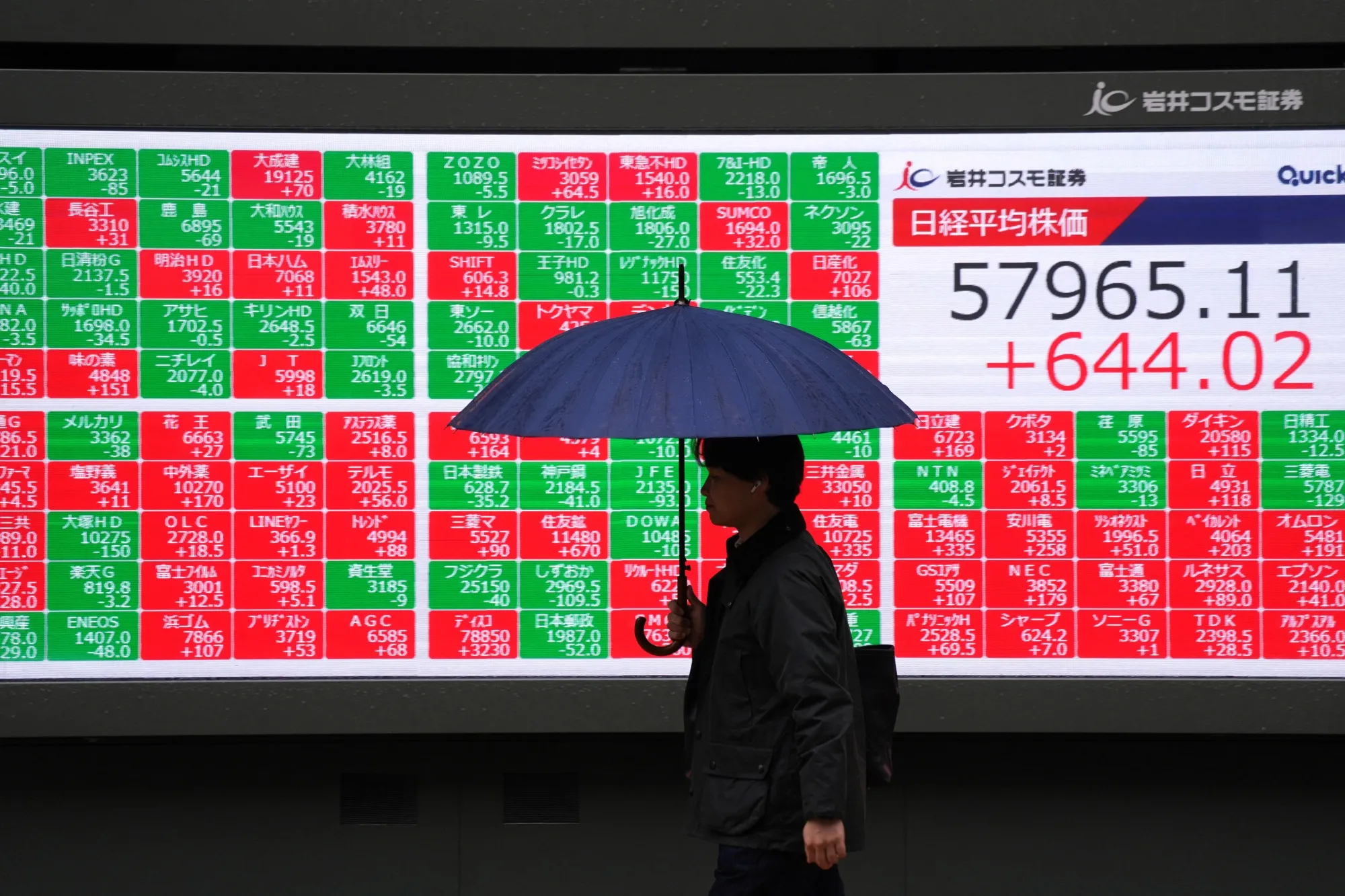
The broader economic uncertainty (treasury yields at 4.02%, Nasdaq composite down 1.2%, "doomsday" economic reports circulating) directly impacts consumer spending and seller access to capital. E-commerce sellers dependent on consumer credit (Buy Now Pay Later, credit card spending) face headwinds if economic disruption scenarios materialize. The Russell 2000 climbing 0.5% while Nasdaq sank 1.2% suggests capital flight from growth stocks to value/small-cap plays—indicating institutional investors are hedging against tech sector contraction. For sellers, this means venture capital and growth equity funding will become scarcer, making profitability and cash flow management critical survival metrics rather than growth-at-all-costs strategies.
The AI opportunity paradox: While market sentiment is pessimistic about AI valuations, the actual tools for sellers are becoming more accessible and ROI-positive. Sellers who adopt AI-powered inventory management, dynamic pricing, and customer service automation NOW will gain 6-12 month competitive advantages before these tools commoditize. The key is distinguishing between hype-driven AI investments (expensive, unproven) and practical automation (proven ROI, immediate payback). Sellers should prioritize AI tools that directly reduce labor costs or improve conversion rates rather than speculative infrastructure plays.
Questions 8
How will the Paramount-Skydance Warner Bros. Discovery merger affect advertising costs?
The $43B+ media consolidation typically increases streaming platform advertising rates by 15-25% within 6-12 months post-acquisition. Sellers relying on Netflix, Paramount+, or HBO Max for sponsored content should expect CPM increases of 8-12% by Q3 2025. Diversify advertising spend away from consolidated platforms toward Amazon Advertising (which remains fragmented), TikTok, and YouTube. Budget 12-15% additional advertising spend if streaming platforms represent >20% of digital marketing budget. Lock in current rates with long-term commitments before Q2 2025 if possible.
What does Nvidia's guidance miss mean for sellers investing in logistics automation?
Nvidia's Q4 beat with guidance miss (revenue $68.1B, stock down 5.5%) indicates AI infrastructure demand is normalizing after explosive 2023-2024 growth. Sellers who invested in warehouse robotics, AI-powered inventory systems, or data center equipment should expect slower ROI timelines and potential price reductions from vendors. However, this creates a buying opportunity: automation tool vendors will likely discount 15-25% in Q2-Q3 2025 to maintain market share. Sellers should delay major automation purchases until Q2 to negotiate better pricing, or accelerate purchases now if vendors offer volume discounts.