


Walmart's $100M FTC Settlement Signals Stricter Gig Economy Compliance Requirements for E-Commerce Sellers
- $100M penalty + $10M customer refunds reshape fulfillment transparency standards; sellers face enhanced compliance audits and potential service cost increases














Overview
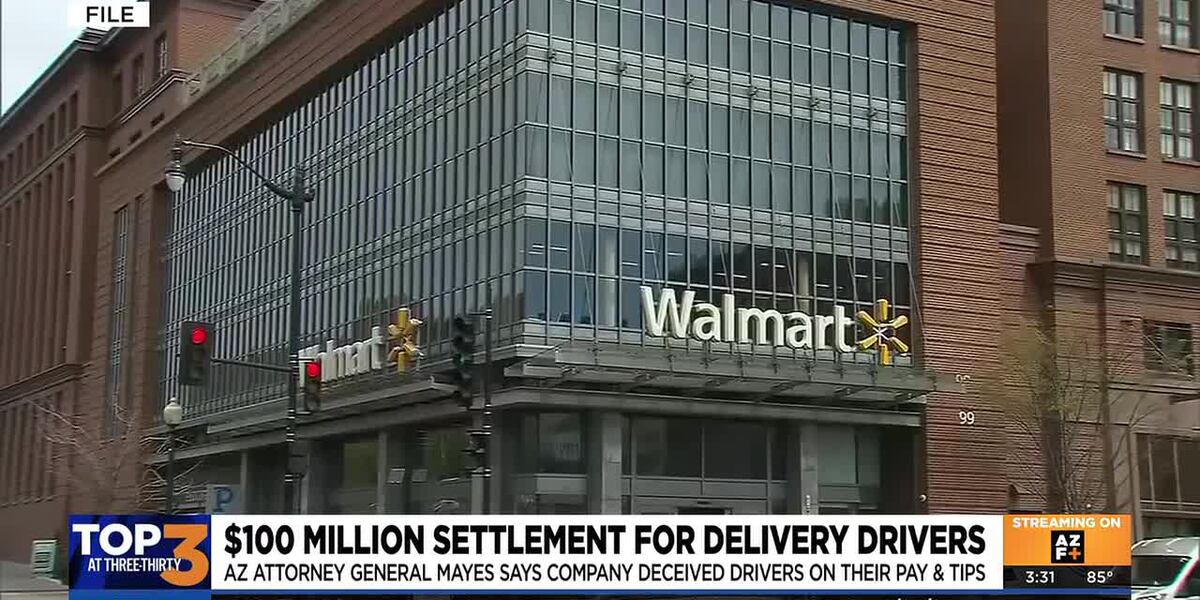
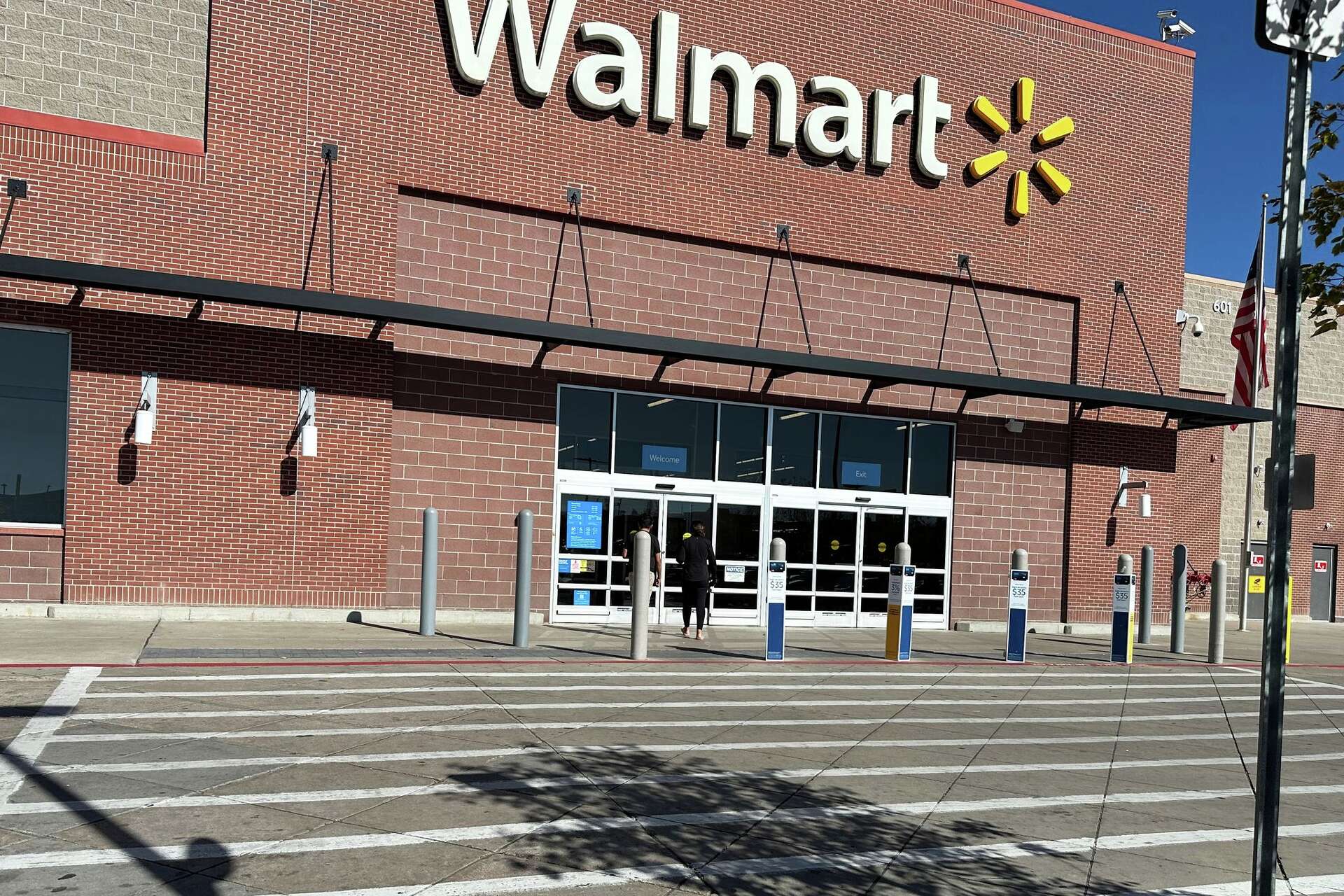
Walmart's $100 million FTC settlement (finalized February 2026) represents a watershed moment for gig economy compliance in e-commerce logistics. The settlement addresses systematic deception where Walmart's Spark delivery platform displayed inflated earnings projections to drivers—showing base pay, pre-selected customer tips, and incentive bonuses that failed to materialize in actual payouts. The FTC found drivers lost tens of millions in expected earnings, while Walmart simultaneously misappropriated customer tips intended for delivery drivers, retaining $10 million across North Carolina and nine other states. This multi-state enforcement action signals that regulatory agencies now treat platform transparency as a non-negotiable compliance requirement, not a competitive advantage.
For cross-border e-commerce sellers, this settlement creates three immediate compliance barriers: First, sellers using Walmart's fulfillment and logistics services must now expect enhanced audits of how their products are delivered and how compensation is disclosed to service providers. Walmart's corrective measures—including transparent earnings disclosures and accurate compensation representations—will cascade to third-party sellers whose inventory moves through Spark. Second, the settlement establishes FTC precedent that deceptive earnings claims constitute unfair trade practices under Section 5 of the FTC Act, creating liability exposure for any seller or platform that misrepresents service provider compensation. Third, the $100 million penalty (among the largest FTC labor practice settlements) signals enforcement intensity that will likely trigger similar audits at Amazon, DoorDash, and other delivery platforms, raising compliance costs industry-wide.
The competitive moat created by this settlement favors sellers with transparent logistics operations. Sellers who can document accurate delivery timelines, proper tip handling, and verified driver compensation will gain preferential treatment as platforms implement compliance measures. Conversely, sellers relying on opaque third-party logistics providers face increased risk of service disruptions as platforms audit partner networks. The settlement also creates a service gap: demand for compliance auditing tools, transparent logistics documentation systems, and FTC-aligned delivery disclosure templates will surge. Sellers in high-margin categories (electronics, luxury goods, fresh food) where delivery reliability directly impacts customer satisfaction face the highest operational risk if Walmart or other platforms restrict service availability during compliance transitions.
Questions 7
How does Walmart's $100M FTC settlement affect sellers using Spark delivery services?
Sellers using Walmart's Spark delivery platform should expect enhanced compliance audits, more detailed documentation of delivery performance metrics, and potentially revised service agreements. The settlement requires Walmart to implement transparent earnings disclosures and accurate compensation representations, which will extend to third-party sellers whose inventory moves through Spark. Sellers in high-volume categories (groceries, electronics, fresh food) may face temporary service disruptions during Walmart's compliance transition. The settlement signals that platform transparency is now a regulatory requirement, not optional, meaning sellers must ensure their fulfillment partners maintain accurate delivery timelines and proper tip handling.
What is the fastest way for sellers to achieve compliance with new transparency standards?
Sellers can achieve compliance within 30-60 days by: (1) documenting actual delivery timelines and driver compensation from their 3PL providers; (2) implementing transparent delivery tracking that matches customer expectations; (3) auditing any earnings claims made to logistics partners; (4) creating written policies for tip handling and payment integrity. The settlement requires Walmart to implement corrective measures ensuring proper tip handling and payment transparency, which will cascade to seller agreements. Sellers should request compliance certifications from their logistics providers and maintain documentation of delivery performance metrics. This creates a competitive advantage: sellers with transparent logistics operations will gain preferential treatment as platforms implement compliance measures.