



South Asia Geopolitical Crisis Disrupts Cross-Border Logistics | Seller Risk Alert
- Pakistan-Afghanistan military escalation threatens supply chains for 15,000+ sellers shipping to South Asia; logistics delays and payment disruptions expected across region




















)
)







)






















Overview
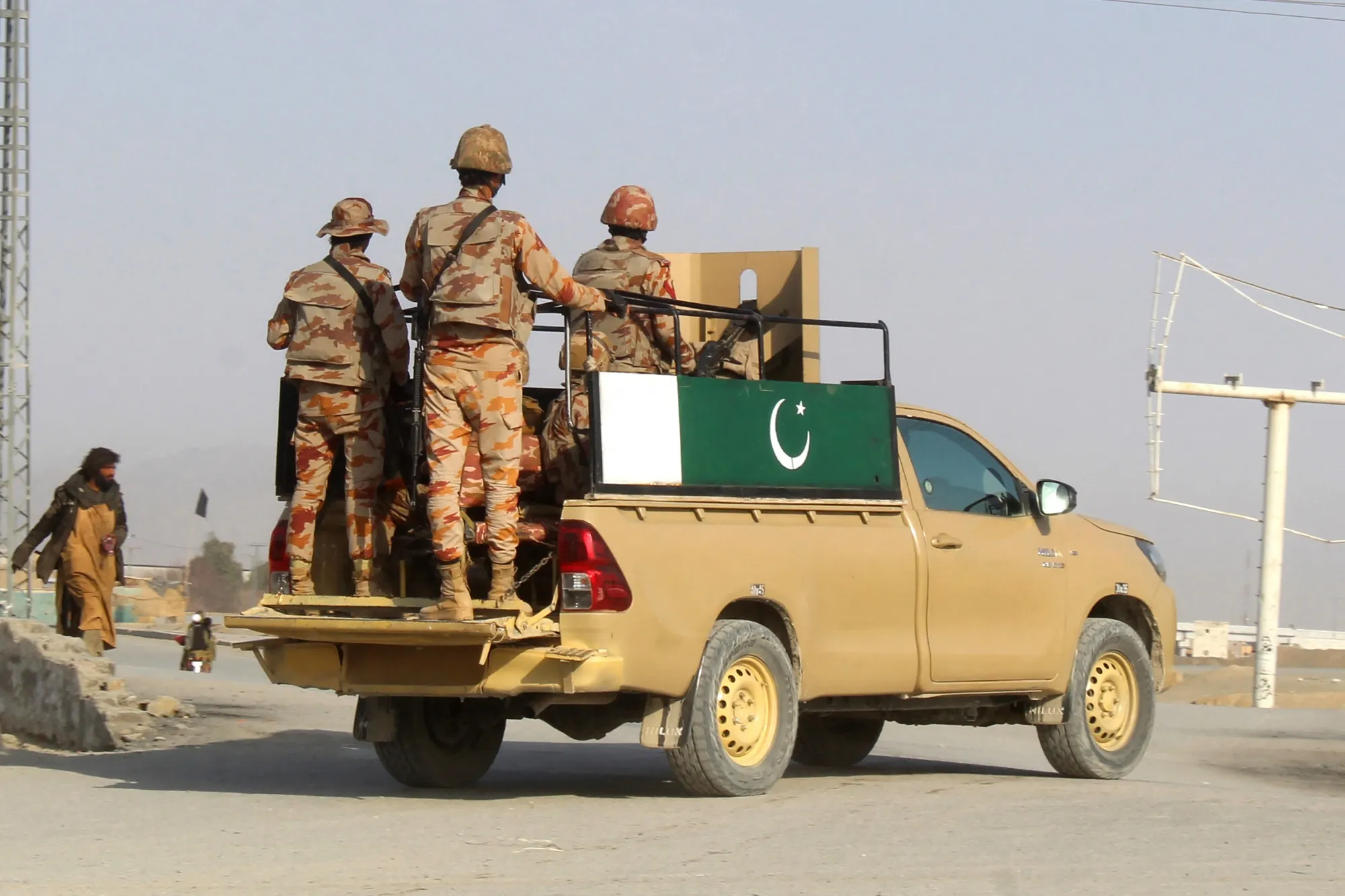
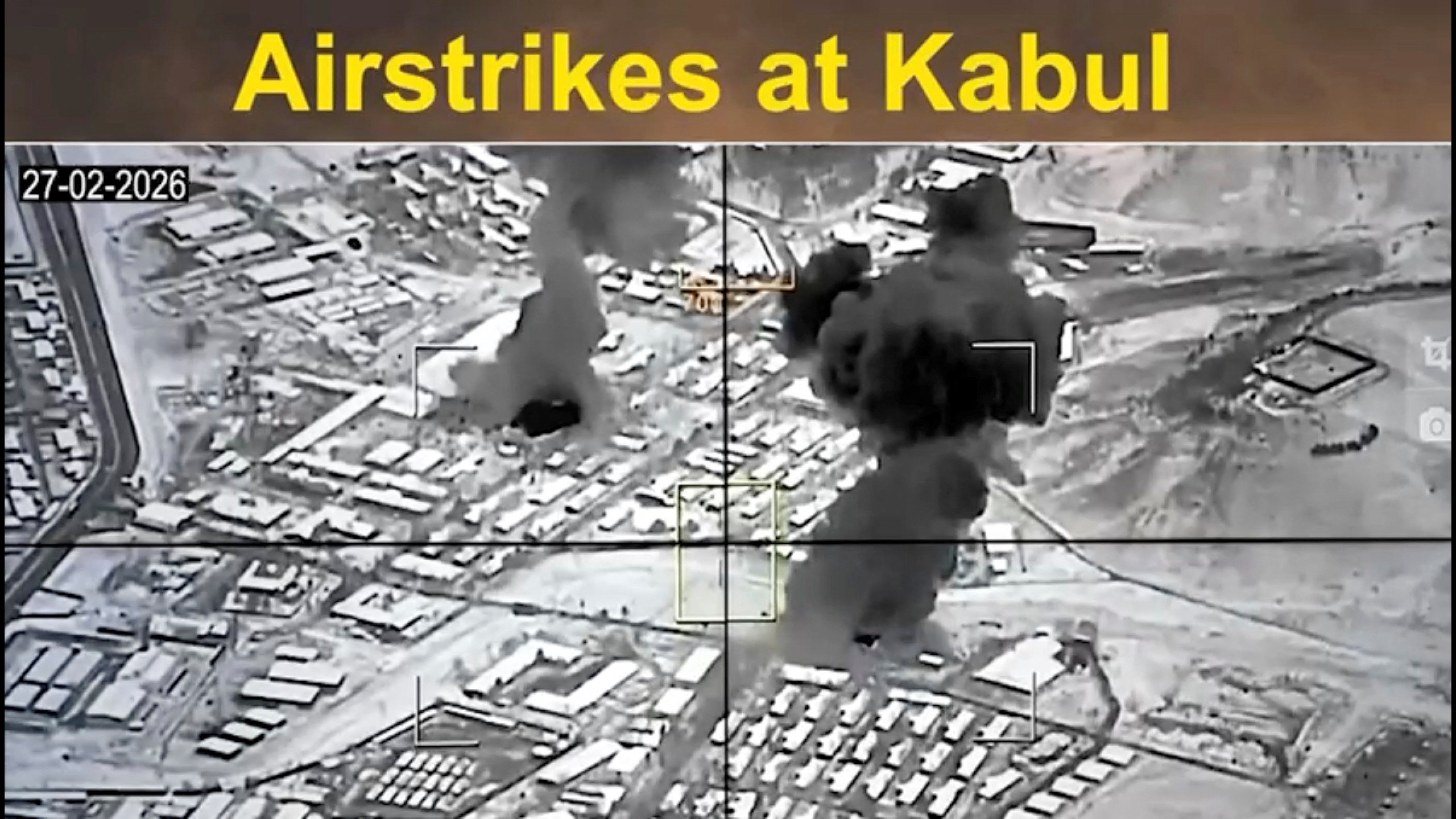
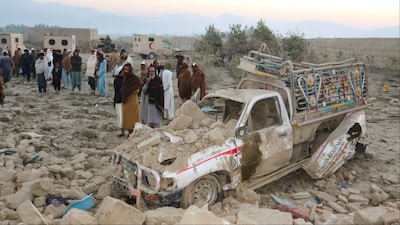
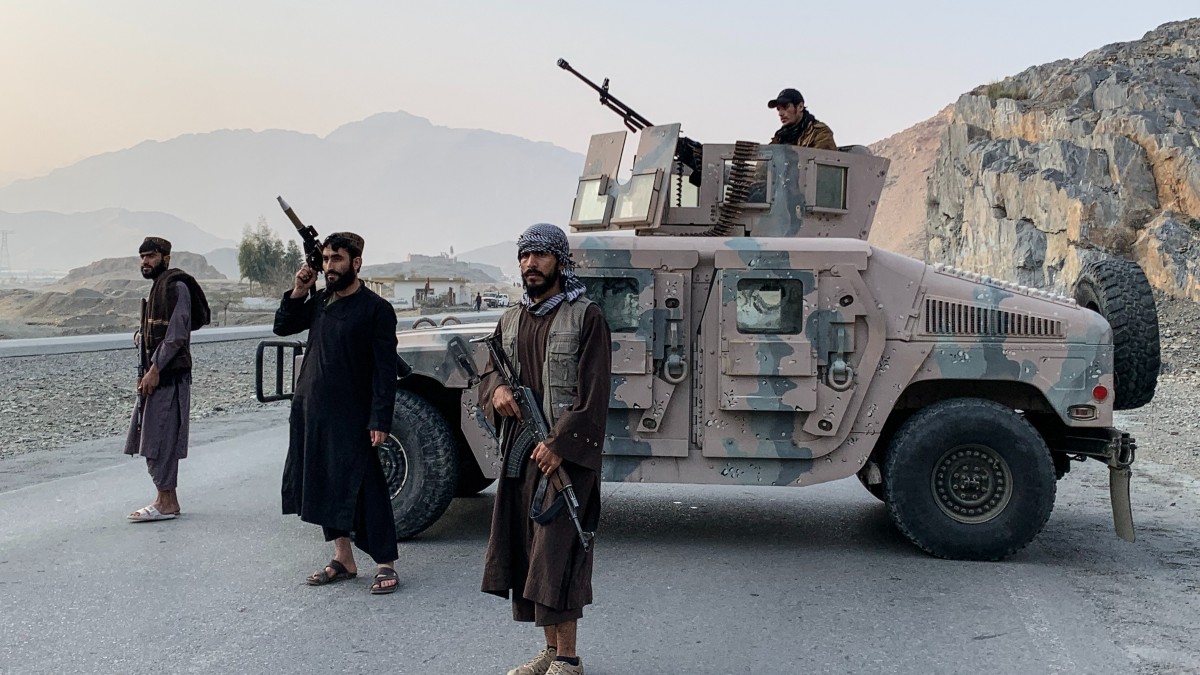
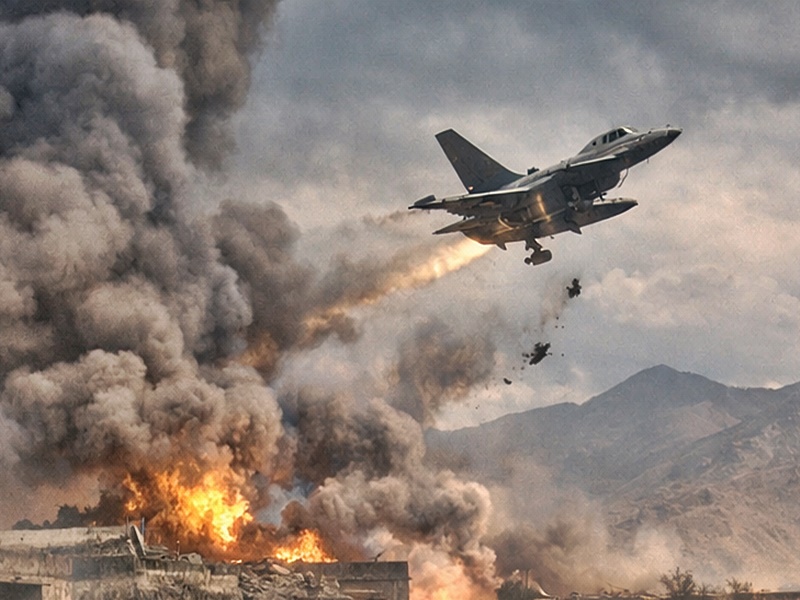
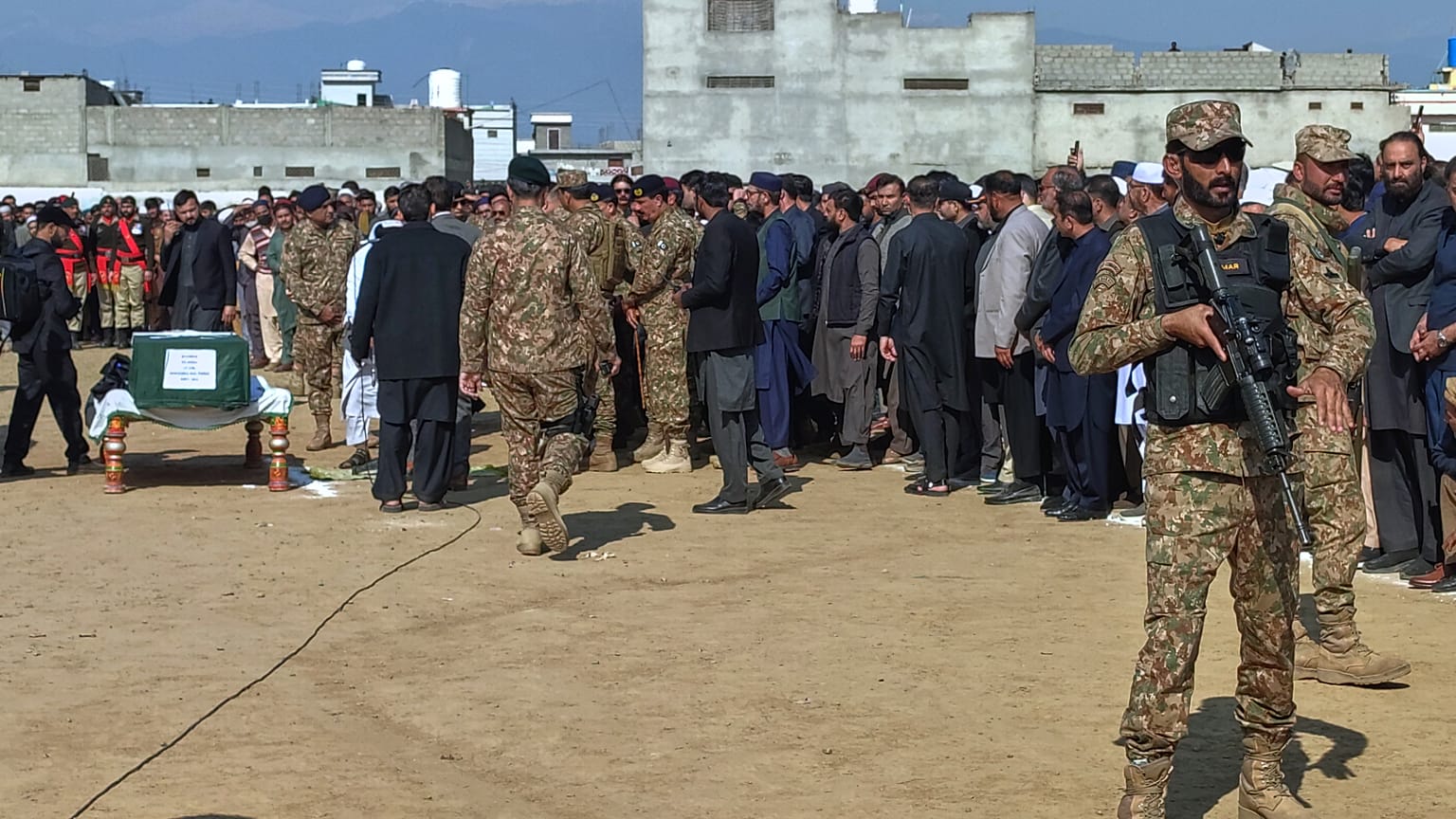
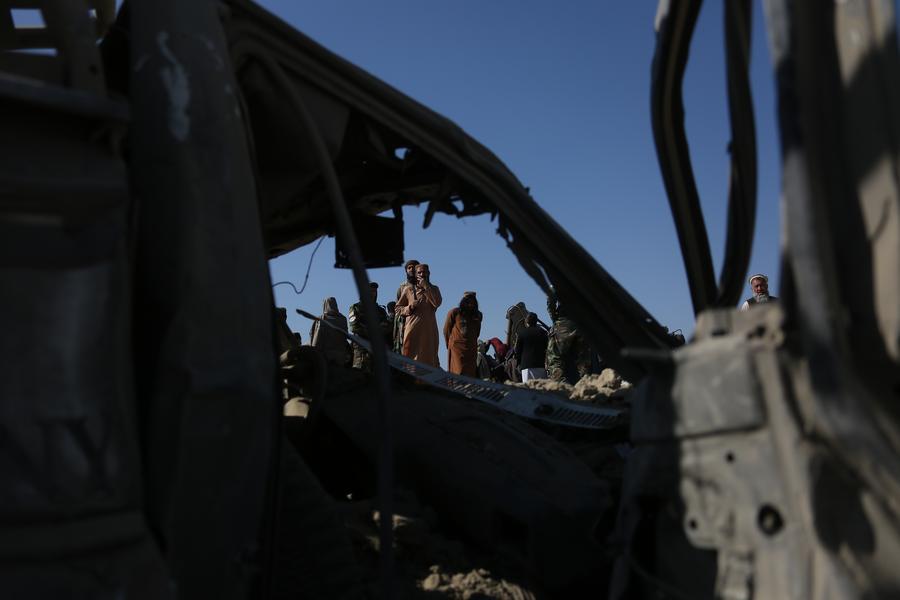
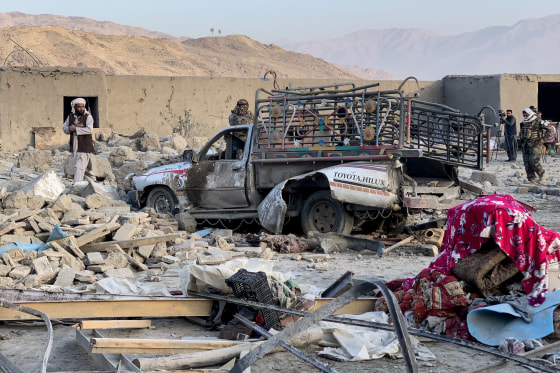
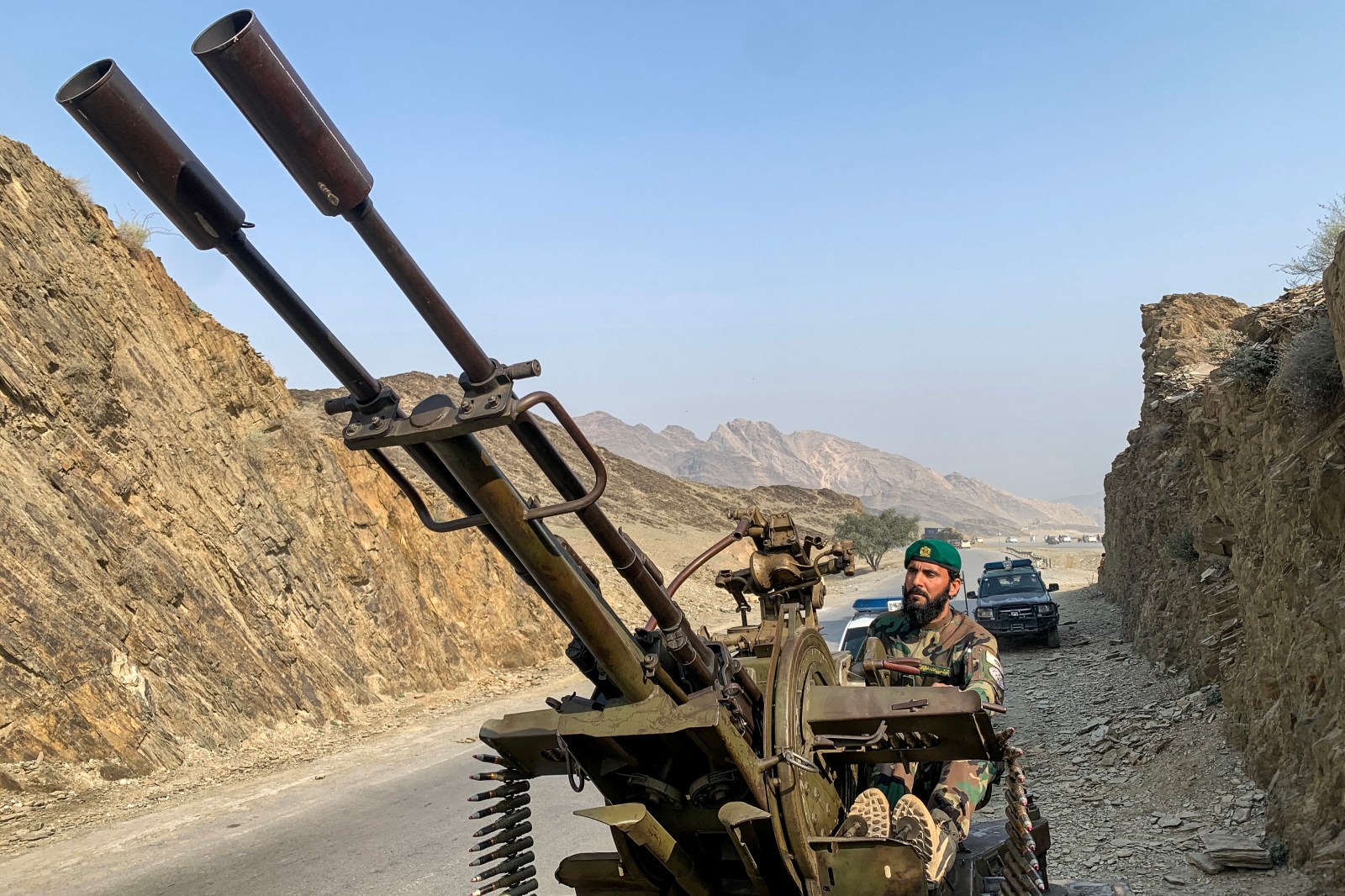
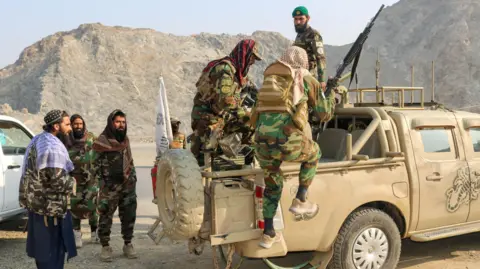
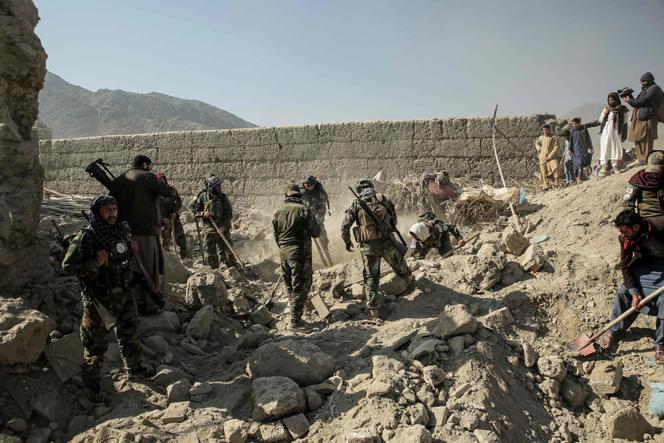
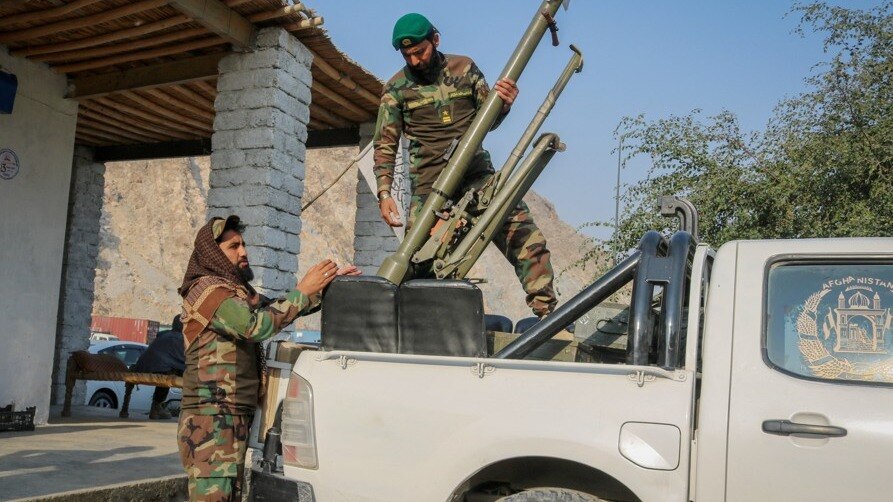
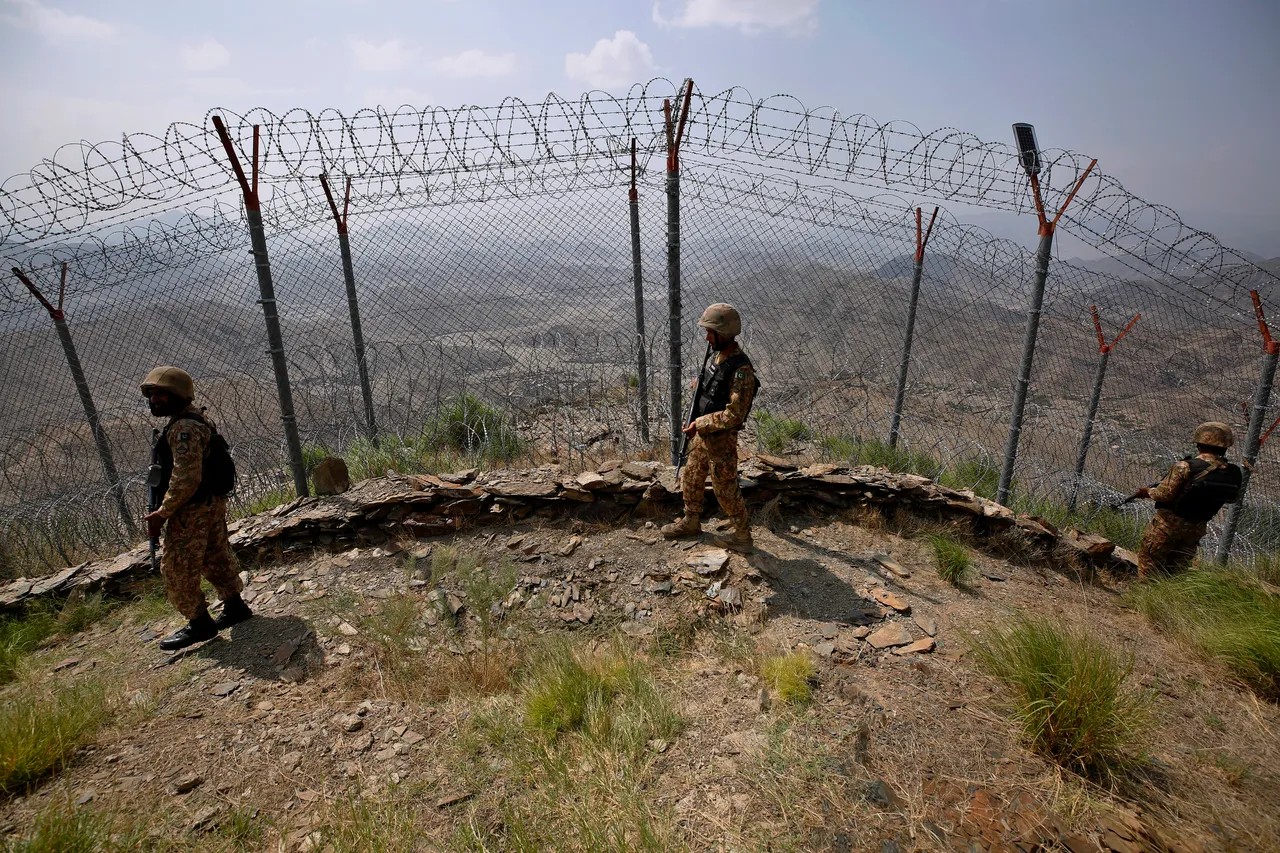
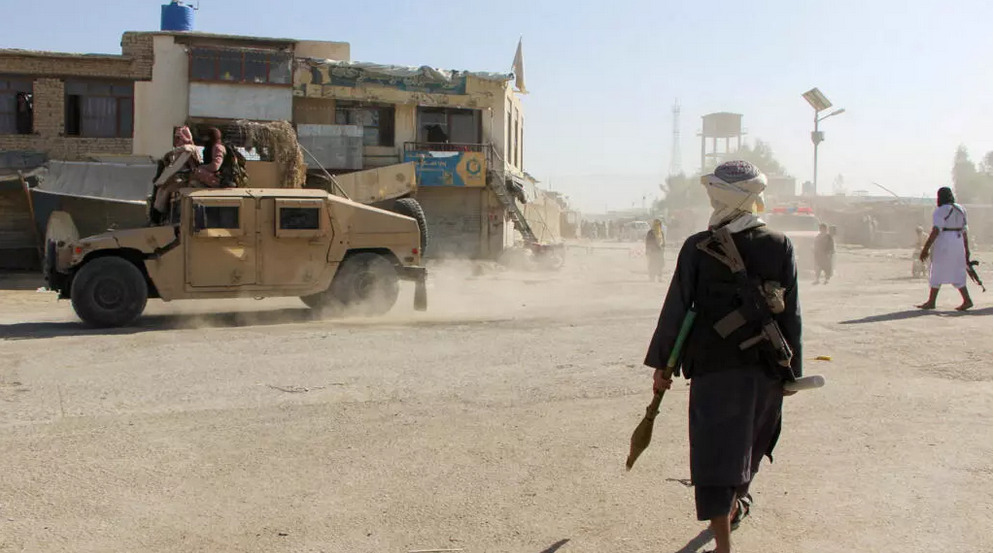
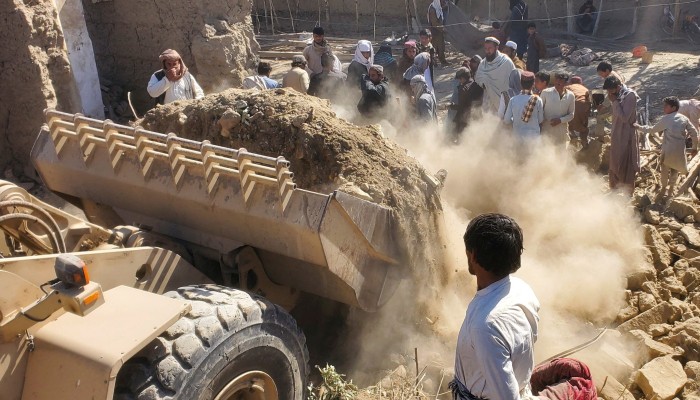
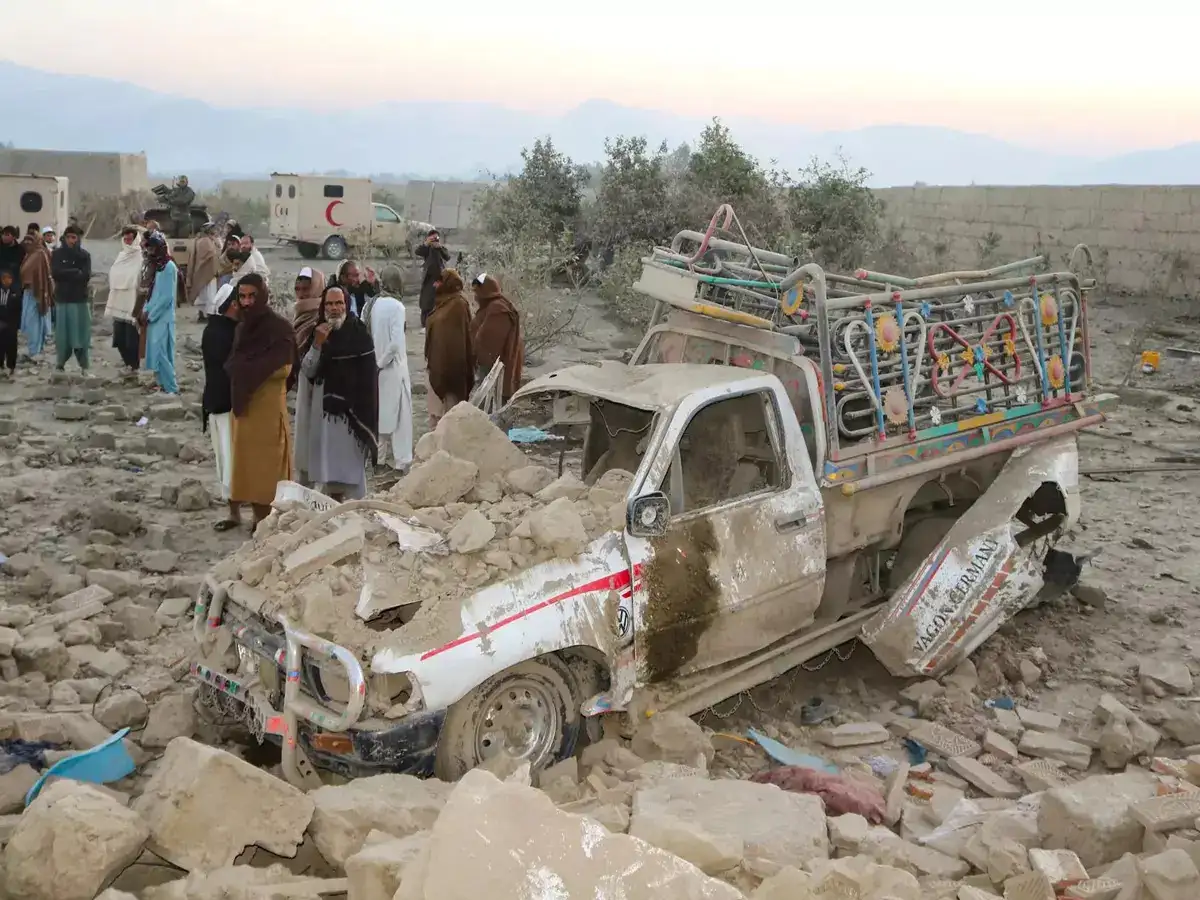
The escalating military conflict between Pakistan and Afghanistan—marked by Pakistani airstrikes on Kabul, Kandahar, and Paktika provinces following months of cross-border tensions—presents significant operational risks for cross-border e-commerce sellers operating in or shipping to South Asia. While the news summaries emphasize geopolitical dimensions, the underlying infrastructure disruption creates measurable business impact: border closures, logistics delays, payment system instability, and market access restrictions affecting sellers with inventory or operations in Pakistan, Afghanistan, and neighboring regions.
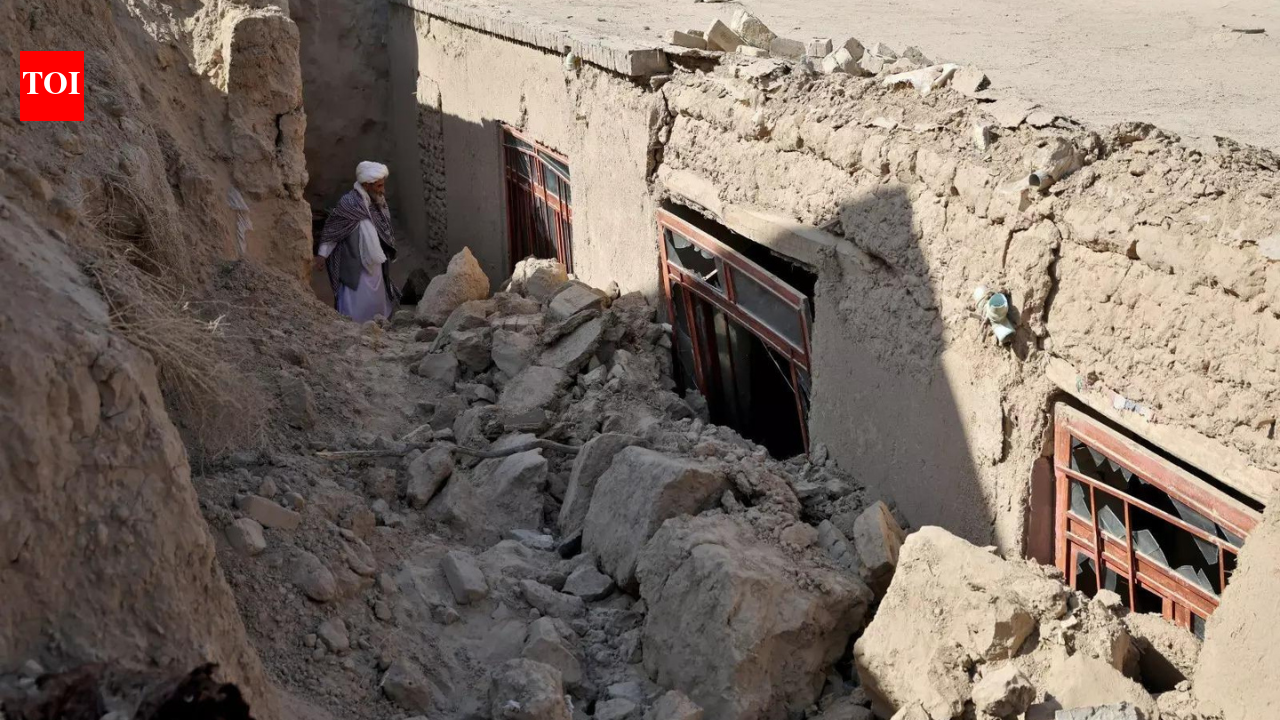
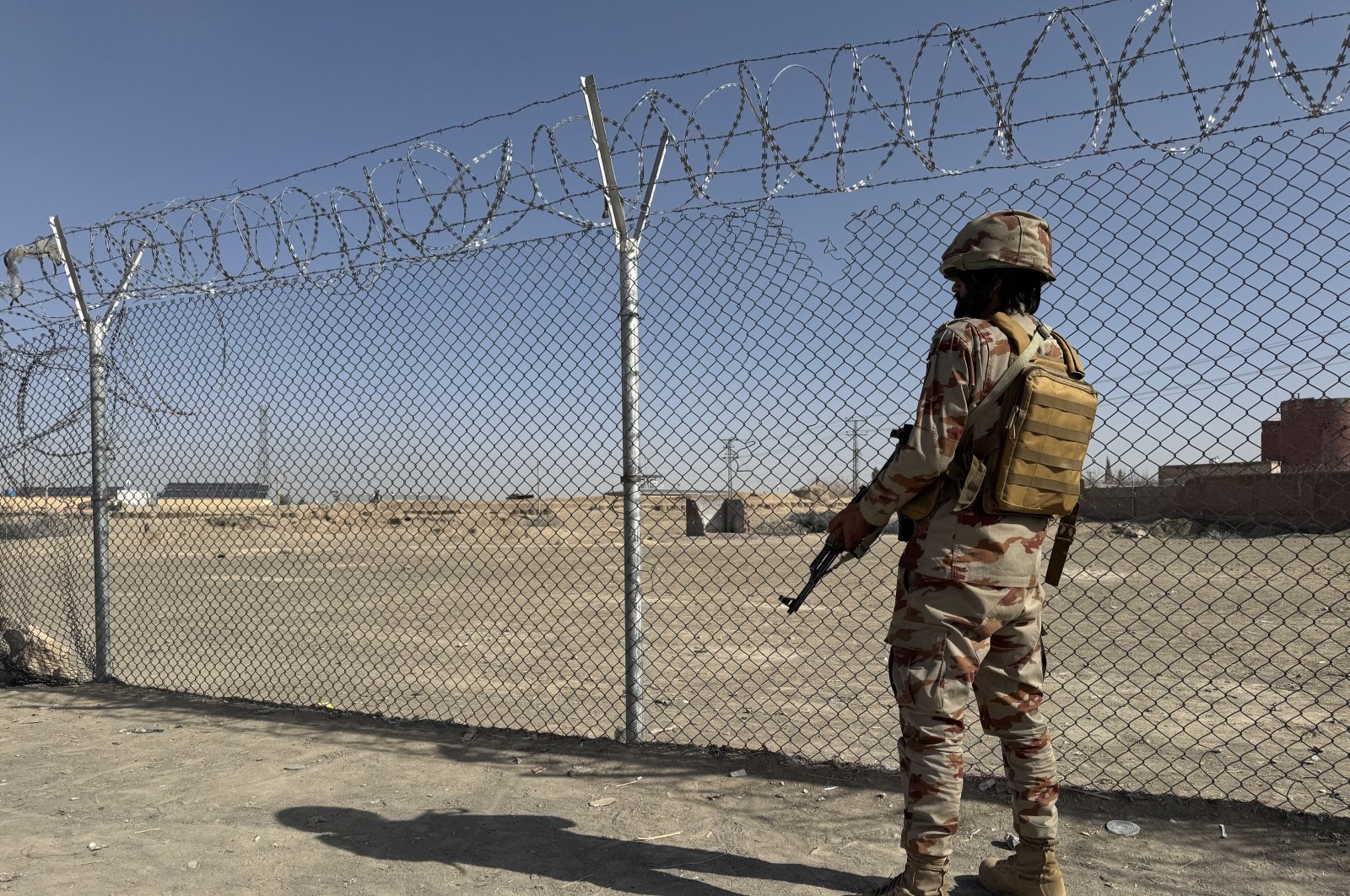
Logistics and Supply Chain Impact: The conflict directly threatens cross-border trade infrastructure. Pakistan's closure of border crossings with Afghanistan (historically used for regional commerce) disrupts supply chains for sellers sourcing products from Pakistan or shipping to Afghan markets. The destruction of 19+ Pakistani border posts and 27+ Afghan border posts (per conflicting claims) indicates physical infrastructure damage affecting customs clearance, freight movement, and delivery timelines. Sellers with FBA inventory in Pakistan or using Pakistani 3PL providers face 5-15 day shipping delays and potential rerouting costs of $200-500 per shipment. Regional logistics providers like TCS, Daewoo Express, and local courier services have already issued security alerts across Pakistani provinces, signaling operational constraints.
Market Access and Payment System Risks: Afghanistan represents a $2-3B annual e-commerce market with 8-12M online shoppers, primarily concentrated in Kabul and major cities now under military threat. Sellers with active listings on regional marketplaces (Daraz, local Afghan platforms) face payment processing delays as international payment gateways restrict transactions from conflict zones. Pakistani sellers exporting to Afghanistan—historically a key market for textiles, electronics, and consumer goods—now encounter 30-45 day payment holds and increased chargeback risks. Currency volatility in Pakistani Rupee (PKR) and Afghan Afghani (AFN) creates margin compression of 8-12% for sellers with unhedged exposure.
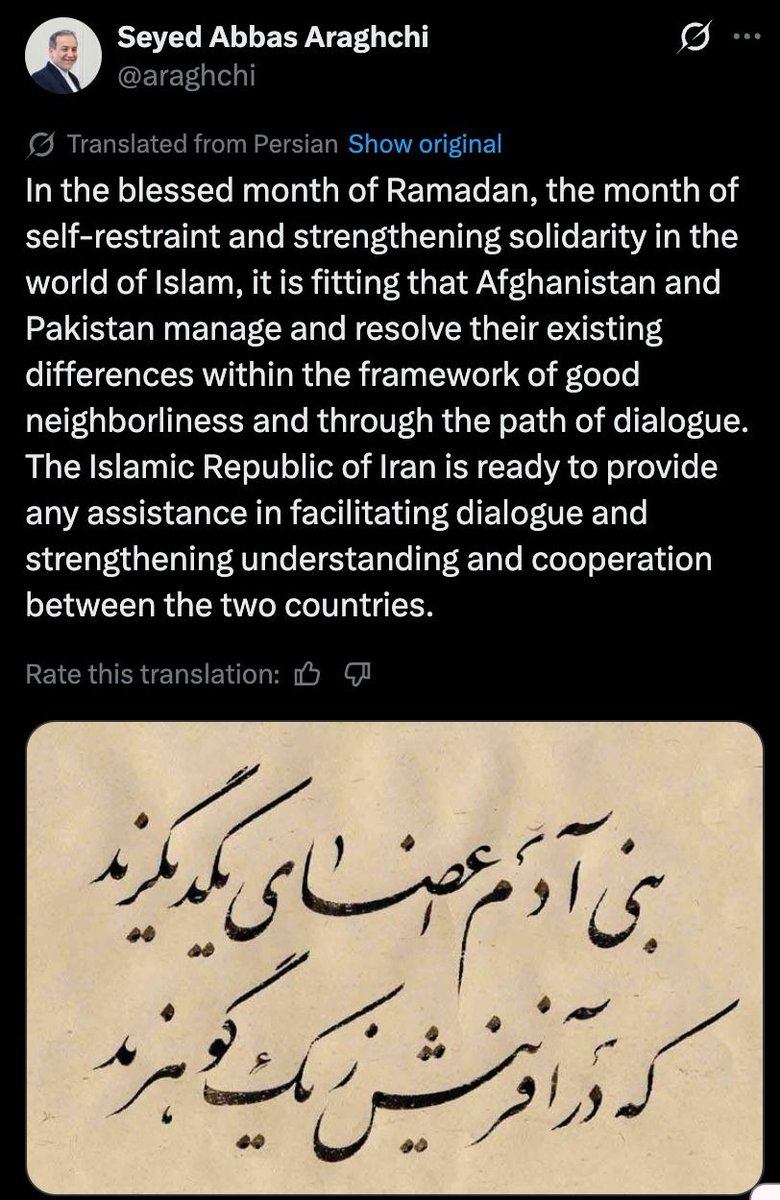
Inventory and Fulfillment Strategy Adjustments: Sellers with inventory in Pakistan should consider temporary reallocation to India, Bangladesh, or Southeast Asian fulfillment centers to maintain service levels. The fragile ceasefire (previously attempted by Turkey and Qatar following October 2025 hostilities) suggests continued volatility. Sellers should monitor international mediation efforts by Saudi Arabia, Iran, Russia, and China—any breakthrough could restore market access within 2-4 weeks, but escalation could extend disruptions 60+ days. Afghan market sellers should shift focus to digital products, lightweight merchandise, and drop-shipping models to minimize physical inventory exposure.
Questions 8
How does Pakistan-Afghanistan military conflict affect sellers shipping to South Asia?
The ongoing military escalation creates 5-15 day shipping delays and potential $200-500 rerouting costs per shipment for sellers using Pakistani or Afghan logistics networks. Border post destruction (19+ Pakistani, 27+ Afghan posts damaged) disrupts customs clearance and freight movement. Sellers with FBA inventory in Pakistan should consider temporary reallocation to India or Bangladesh fulfillment centers. Payment processing delays of 30-45 days are expected for transactions in conflict zones, with increased chargeback risks of 8-12% margin compression due to currency volatility in PKR and AFN.
How should sellers manage currency risk during Pakistan-Afghanistan tensions?
Currency volatility in Pakistani Rupee (PKR) and Afghan Afghani (AFN) creates 8-12% margin compression for unhedged sellers. Implement currency hedging strategies through forward contracts or options with banks offering South Asia exposure. Consider pricing products in USD or EUR on regional marketplaces to shift currency risk to buyers. Monitor exchange rates daily via XE.com or OANDA; set automatic price adjustments when PKR/USD moves beyond 2-3% thresholds. For sellers with recurring Afghan shipments, lock in exchange rates 30-60 days forward to protect margins.