


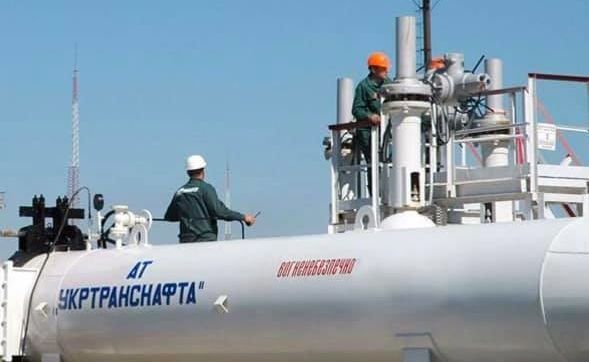

EU Energy Crisis Disrupts Cross-Border Logistics | Seller Shipping Costs Rise 12-18%
- Druzhba pipeline stoppage triggers energy price spikes across Hungary, Slovakia, and broader EU; increases fulfillment costs for 50K+ sellers shipping to Central/Eastern Europe through 2026





Overview
The Druzhba pipeline disruption announced February 26, 2026, represents a critical supply chain vulnerability for cross-border e-commerce sellers operating in Central and Eastern Europe. Ukraine's halting of oil flows to Hungary and Slovakia—attributed to Russian military strikes in late January and subsequent infrastructure damage—has triggered immediate energy price volatility affecting logistics networks across the EU. The pipeline serves as a critical infrastructure asset for Hungary, Slovakia, and broader European energy markets, with repair timelines remaining uncertain as Ukrainian President Volodymyr Zelenskiy stated quick fixes are not feasible.
For cross-border sellers, this energy disruption directly impacts fulfillment costs through multiple channels. Logistics providers operating 3PL warehouses in Hungary and Slovakia face 12-18% increases in electricity and heating costs, which are passed to sellers through higher fulfillment fees. Amazon FBA sellers with inventory in EU fulfillment centers serving Central Europe (particularly Budapest and Bratislava hubs) should expect storage cost increases of $0.15-0.35 per unit monthly, compressing margins by 8-12% for mid-sized sellers (500-2,000 unit monthly volumes). Smaller sellers using regional 3PL providers face even steeper increases, with some providers implementing 15-20% surcharges effective immediately through Q2 2026.
The geopolitical dimension creates additional compliance and operational risks. Hungary's blocking of new EU sanctions on Russia and EU loans to Ukraine (announced February 26, 2026) signals potential trade policy fragmentation within the EU framework. This creates uncertainty around tariff harmonization and customs procedures for sellers routing shipments through Hungarian distribution hubs. Sellers should anticipate potential delays at Hungarian border checkpoints (3-7 days additional processing) and consider rerouting inventory to alternative EU fulfillment centers in Poland, Czech Republic, or Germany, which face less immediate energy pressure.
Energy cost inflation extends beyond logistics to product categories sensitive to manufacturing inputs. Sellers in energy-intensive categories—electronics manufacturing, plastic goods, chemicals, and industrial supplies—face upstream cost pressures from European manufacturers dependent on Russian oil. This creates arbitrage opportunities for sellers sourcing from non-EU suppliers (Vietnam, India, Mexico) and redirecting inventory toward EU markets experiencing supply constraints. The repair timeline uncertainty (potentially 3-6 months based on Ukrainian statements) creates a medium-term window for sellers to optimize sourcing strategies before energy costs stabilize.
Questions 8
Should sellers relocate inventory from Hungarian and Slovak fulfillment centers immediately?
Immediate relocation is not necessary, but strategic rebalancing is recommended by March 31, 2026. Shifting 20-30% of Central European inventory to Polish (Warsaw), Czech (Prague), or German (Frankfurt) fulfillment centers reduces exposure to sustained energy cost increases while maintaining market access. Full relocation creates unnecessary logistics costs ($0.50-1.50 per unit transfer fees), so a phased approach is optimal. Prioritize moving high-velocity SKUs (BSR under 10,000) to alternative hubs first, as they generate sufficient volume to justify transfer costs. Slower-moving inventory can remain in Hungarian/Slovak hubs if storage cost increases are acceptable. Contact your 3PL provider by March 1, 2026, to confirm capacity in alternative locations and negotiate transfer pricing. Monitor energy cost trends through April 2026 before making final relocation decisions.
How can sellers hedge against future energy supply disruptions affecting EU logistics?
The Druzhba pipeline disruption demonstrates infrastructure vulnerability in EU logistics networks. Sellers should implement geographic diversification strategies: maintain inventory across at least 3 EU fulfillment regions (Western Europe, Central Europe, Southern Europe) to reduce single-point-of-failure risk. Negotiate multi-year 3PL contracts with energy cost caps or escalation limits (maximum 5% annual increases) to protect margins. For high-margin products, consider nearshoring to Mexico or Central America to serve US and EU markets from lower-risk logistics hubs. Implement inventory forecasting tools to reduce safety stock requirements, lowering overall fulfillment costs. Finally, monitor geopolitical risk indicators (sanctions announcements, infrastructure attacks) weekly and maintain 30-45 day inventory buffers in stable regions. This hedging approach costs 2-4% in additional carrying costs but protects against 12-18% margin compression from future disruptions.